Skip to content >

- Key Takeaways
- What Does Aging in Place Really Mean for Older Adults?
- Emotional Comfort and Mental Health Benefits of Staying at Home
- Maintaining Independence and a Sense of Control
- Physical Health and Natural Daily Activity at Home
- Financial Advantages and Long-Term Planning Considerations
- Preserving Community Ties and Social Connections
- How Home Modifications Make Aging in Place Safer
- Staying Mobile Inside the Home: Elevators, Lifts, and Other Supports
- Supporting Mental Health and Reducing Isolation While Aging in Place
- Technology and Smart Home Tools That Support Aging in Place
- Planning Ahead: When Aging in Place Works Best-and When It May Not
- How Pneumatic Vacuum Elevators (PVE) Fit Into an Aging in Place Strategy
- Frequently Asked Questions About the Advantages of Aging in Place
For many seniors, leaving the home they’ve lived in for decades can feel less like a fresh start and more like a loss. And for many families, aging in place is not just an emotional preference. It can also be a practical, safe, and financially thoughtful choice when the right supports are in place.
Quick Answer: Aging in place means remaining in your own home as you grow older instead of moving to an assisted living facility or nursing home. Benefits include greater independence, emotional well-being, stronger community connections, potential cost savings, and the ability to maintain familiar routines. Home modifications, including residential elevators, can make aging in place safer and more sustainable.
Key Takeaways
Aging in place means an older adult chooses to remain in their own home and community, supported by the right mix of home modifications, in-home support, and long term planning. It is not about going it alone-it is about building a system that lets you live independently while staying safe. Around 90% of adults over 65 want to stay in their homes, and roughly 80% of older adults prefer aging in place over moving to a senior living facility.
The benefits of aging in place include:
- Independence and control over daily routines, meals, and personal schedule
- Emotional comfort from familiar surroundings and decades of memories
- Stronger mental health outcomes when social connections and safety supports are in place
- Financial flexibility, since home care costs are typically lower than assisted living facilities
- Community ties that act as informal safety nets and combat feelings of isolation
Effective aging in place often requires a thoughtful plan and home adaptations. Modern accessibility solutions-including shaftless residential elevators from Pneumatic Vacuum Elevators (PVE)-can reduce stairs-related fall risk while helping seniors preserve independence well into their 80s and 90s.
What Does Aging in Place Really Mean for Older Adults?
Aging in place is an older adult’s choice to remain in their own home and community while receiving the level of support they need to stay safe and connected. It is not “doing everything alone.” Instead, it means tailoring support-family members helping with errands, professional in-home support for daily living assistance, technology for medication management, and home modifications for safety-so the older adult maintains control over daily life.
Unlike a nursing home or assisted living facilities, aging in place lets a loved one keep their own schedule, eat familiar meals, and stay in a familiar environment. Supportive services can include meal delivery, home health care, and transportation. Successful aging in place also includes access to healthcare and emergency services. Autonomy and familiarity can empower seniors to set their own routines, and that sense of agency is what the rest of this article explores in detail.
Emotional Comfort and Mental Health Benefits of Staying at Home
Emotional comfort and mental health are among the strongest advantages of aging in place. When people age in a house they have called home for decades, the familiar spaces-photos on the wall, the garden they planted, the kitchen where holidays happened-act as anchors for emotional stability.
Aging in place reduces stress and supports emotional well being. Familiar environments help seniors sleep and relax better, and seniors cherish emotional connections to their homes and possessions. This matters especially for older adults experiencing mild cognitive decline, where familiar surroundings reduce disorientation. Familiar homes help preserve cognitive function for seniors by keeping mental pathways active through daily routines.
Families may experience less stress knowing loved ones are in familiar surroundings rather than adjusting to the close quarters of an unfamiliar living facility. Studies over the last 10–15 years have linked aging in place with better mental well being and emotional health outcomes when social support and safety are in place. Aging in place enhances feelings of security and control-two pillars of well being that institutional settings often struggle to replicate.

Maintaining Independence and a Sense of Control
Maintaining independence is often the primary reason many older adults want to age in place. At home, a senior can decide when to wake, what to eat for breakfast, and which hobby to spend the afternoon on-rather than fitting into a senior living facility’s schedule. Aging in place supports maintaining familiar routines and surroundings, which reinforces identity and dignity.
Being able to manage everyday tasks-preparing a simple meal, choosing clothing, watering plants-supports self-esteem and can slow functional decline. Adaptive tools like grab bars, adjustable beds, and compact residential elevators extend the years a person can safely navigate their house. Using help or technology does not mean losing autonomy; it often helps preserve independence longer. Aging in place allows seniors to manage daily needs independently when the right supports are in place.
Physical Health and Natural Daily Activity at Home
Aging in place can support physical health by encouraging older adults to keep moving through everyday activities. Staying at home encourages physical activity through daily routines-light housekeeping, walking to the mailbox, light gardening, or climbing a few stairs safely. Natural movement at home promotes joint health and balance, and daily routines in familiar spaces support physical health over years.
A meta-analysis of 12 trials involving roughly 1,960 older adults found that home modifications were associated with a 7% reduction in fall risk. Predictable surroundings reduce fall risk further because the older adult knows every inch of the home. Consistent sleep and eating routines-easier to maintain at home-support immune function and chronic disease management.
Aging in place also reduces the risk of infections, since institutional settings expose residents to communal pathogens that homes do not. However, these physical health advantages depend on proactive safety planning; without modifications, stairs and clutter become hazards rather than healthy challenges.
Financial Advantages and Long-Term Planning Considerations
One of the key advantages of aging in place is financial flexibility. For older adults with moderate care needs, remaining at home may cost less than moving into facility-based care, especially when family support, community services, and part-time in-home care are available. Home care costs vary widely by location and level of support, while assisted living costs can also differ significantly depending on the community and services included.
Aging in place may also allow families to make better use of existing resources, including a familiar home, established routines, and the surrounding community. Home modifications can range from smaller safety updates, such as grab bars and lighting, to larger accessibility investments, such as bathroom renovations or residential elevators. Some families may qualify for state, local, veterans, or Medicaid-based programs that help offset certain accessibility costs. Others may choose to explore home equity tools carefully with a financial professional.
Long term planning matters here. Building a realistic budget, reviewing insurance, and meal planning for nutrition should all be part of the strategy-especially as care needs may rise after age 80–85.
Preserving Community Ties and Social Connections
Aging in place helps older adults stay connected to the community they know-neighbors, local shops, parks, places of worship. Community connections help prevent isolation in seniors who age in place, and maintaining community connections helps prevent dementia in older adults. Seniors who remain socially engaged experience fewer depression symptoms, and social interactions contribute to better health and quality of life.
Aging in place allows seniors to maintain long-term friendships that took decades to build. Long-standing relationships with neighbors create informal safety nets: friends and neighbors notice if mail piles up or the older adult doesn’t appear at usual times. Transportation access-public transit, rides from family, or paratransit-is critical to keeping these connections alive. Community-based programs like senior centers, volunteer driver programs, and “village” networks offer numerous opportunities to stay connected.
How Home Modifications Make Aging in Place Safer
Home modifications are central to making aging in place practical, not just aspirational. Simple adjustments can dramatically reduce fall risk and improve overall health outcomes. Installing grab bars can prevent falls in bathrooms, and non-slip flooring reduces fall risks for seniors at home.
Key modifications by area:
- Bathroom: grab bars near the toilet and shower, zero-threshold showers, non-slip mats
- Entryway: ramps, wider doorways, lever-style handles
- Stairs: improved lighting, secure handrails, or stair-free alternatives
- Bedroom: adjustable bed height, nightlights, clutter-free pathways
Certified Aging in Place Specialists can help with home modifications tailored to specific health needs. Many changes can be phased in gradually, starting in a person’s late 60s. For broader home accessibility upgrades, a professional assessment helps prioritize what matters most.
Staying Mobile Inside the Home: Elevators, Lifts, and Other Supports
Safe access to every level of a multi-story house is one of the most overlooked factors in making aging in place work. Stair-related falls are a leading cause of injury among older adults, and losing access to upstairs bedrooms or bathrooms often forces a premature move.
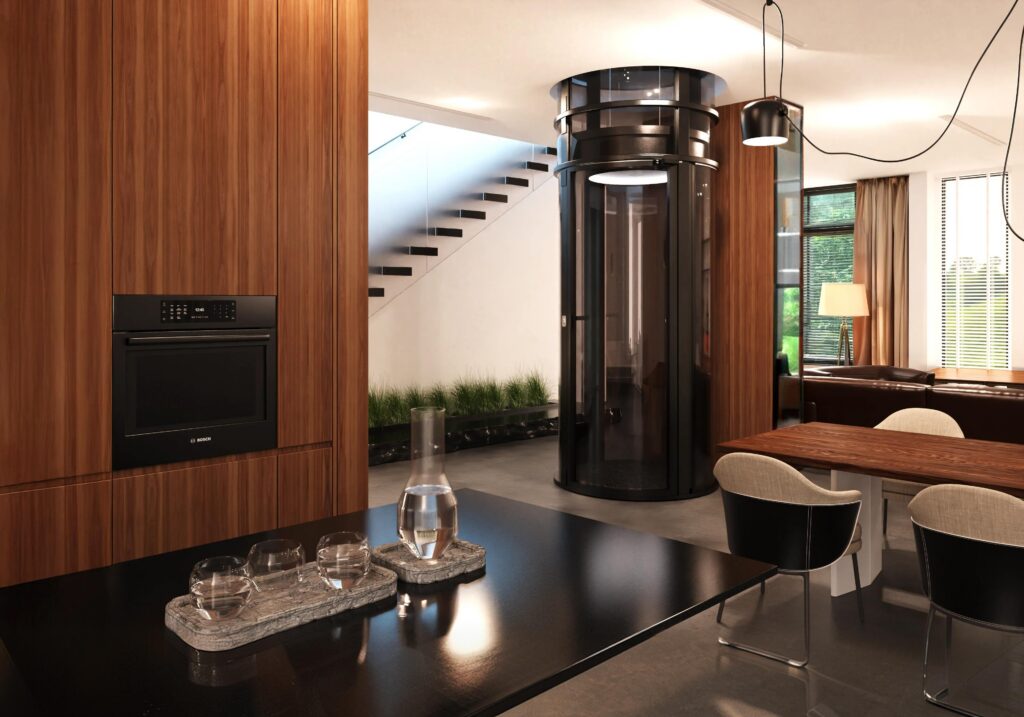
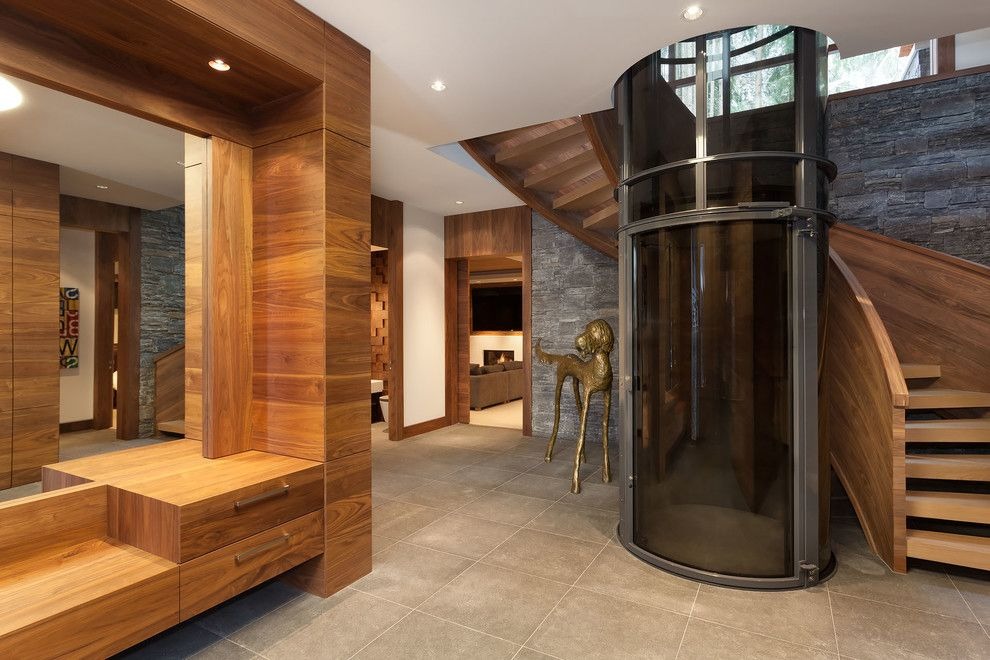
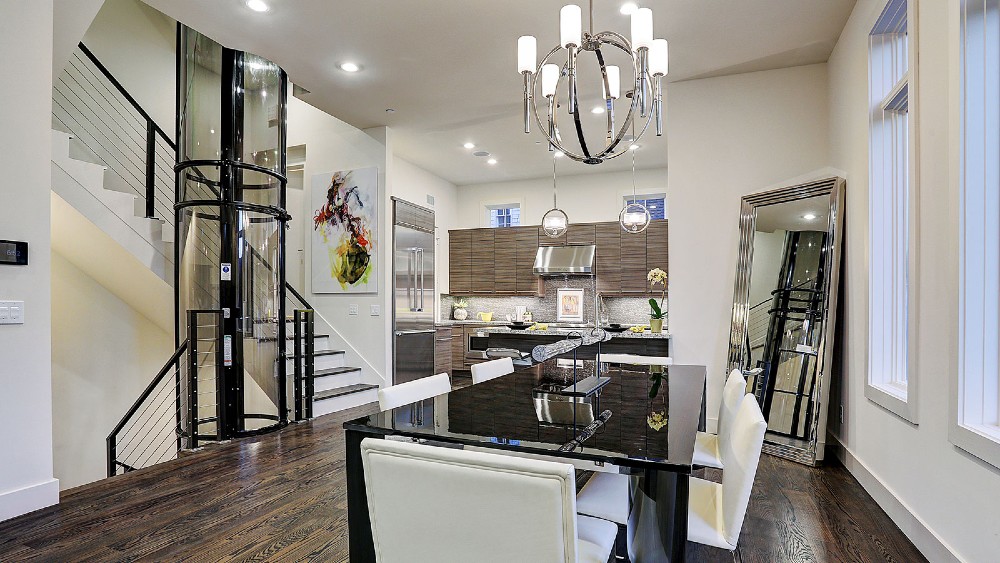
Solutions range from stair lifts to ramps to compact residential elevators. Pneumatic Vacuum Elevators (PVE) manufactures shaftless, air-driven home elevators for seniors that can typically be installed in 2–3 days with minimal construction. Key benefits relevant to aging in place include a small footprint, no pit or machine room, panoramic visibility that reduces claustrophobia and aids family caregivers, wheelchair-accessible models, and energy-efficient operation.
A residential elevator is not just a luxury item-it is a long-term accessibility investment that can allow an older adult to safely use upper floors well into their late 80s or 90s. For homeowners comparing options, understanding home elevator vs. stairlift trade-offs is a practical first step.
Supporting Mental Health and Reducing Isolation While Aging in Place
Aging in place can either protect or harm mental health depending on how well social isolation, grief, and changing abilities are addressed. Aging in place provides families with the opportunity for more meaningful connections with seniors-regular visits, shared meals, and involvement in daily life rather than scheduled facility visiting hours.
Practical strategies to combat feelings of loneliness include scheduled calls from a loved one, virtual religious services, phone-based check-in programs, and senior-friendly exercise classes streamed online. When signs of depression or anxiety appear, professional support-geriatric counselors, support groups, or primary-care screening-should be sought promptly. Being proactive about mental health is a major part of long term planning, not an afterthought to physical safety or home maintenance.
Technology and Smart Home Tools That Support Aging in Place
Simple, user-friendly technology can improve the quality of daily life for older adults who want to live independently. Smart home devices can enhance safety for aging adults. Key categories include:
- Medical alert systems for emergencies
- Smart doorbells and cameras for security
- Motion-sensor lighting to reduce fall risk at night
- Medication management reminders
- Voice-activated assistants for hands-free calls
Technology should be introduced gradually-one or two devices at a time-to reduce frustration. Some modern accessibility products, including residential elevators, can integrate with smart home systems for maintenance alerts and monitoring. Privacy matters: configure devices with minimal data sharing and discuss consent and boundaries with the older adult before installation.
Planning Ahead: When Aging in Place Works Best-and When It May Not
The advantages of aging in place are greatest when planning begins early-often in a person’s late 60s or early 70s. A realistic aging in place plan includes a home safety assessment, medical care coordination, emergency plans, transportation strategies, and financial planning for the next 10–20 years.
Regular check-ins-yearly family meetings or care reviews-help determine if independent living remains the safest choice as cognitive function, mobility, or overall health changes. Some situations-advanced dementia without 24/7 support, repeated dangerous falls, or complex medical needs-may mean aging in place is no longer the best option. The goal is always the older adult’s quality of life and dignity, whether that means staying in their own home or considering another setting.
How Pneumatic Vacuum Elevators (PVE) Fit Into an Aging in Place Strategy
PVE is a residential elevator manufacturer specializing in vacuum-powered, shaftless elevators designed to enhance safe aging in place in multi-story homes. Their air-driven residential elevators use pressure differentials to move between floors, requiring no pit, machine room, or major structural changes-which makes them ideal for retrofitting into an existing house.
PVE offers models for single passengers, multiple passengers, and wheelchair users, allowing homeowners to choose a solution that matches current and anticipated mobility needs. Safety features include compliance with recognized certifications, built-in emergency braking, and transparent walls that let riders and family caregivers see each other during travel.
If stairs are becoming a barrier for you or a loved one, consider a professional home accessibility assessment. Exploring whether a compact PVE residential elevator fits your budget and floor plan could be the step that keeps your home a place you can grow older safely. You can review PVE’s home elevator cost guide for detailed pricing and key factors.
Frequently Asked Questions About the Advantages of Aging in Place
These FAQs address common practical questions that families ask when deciding whether aging in place is right for their loved one and how to support aging safely at home.
When should families start planning for aging in place?
Planning ideally begins in the late 60s or early 70s-well before major health problems appear. Start with a home safety walk-through, a basic financial review, and open family conversations about preferences for the next 10–20 years. Waiting for a fall or hospitalization limits your options and raises cost.
How can I tell if my loved one is still safe living at home?
Watch for frequent falls or near-falls, unpaid bills piling up, spoiled food in the kitchen, missed medications, or confusion about familiar daily tasks. If these signs appear, schedule a medical evaluation and a professional home safety assessment to determine what extra support or modifications are needed.
What professionals can help us design an aging in place plan?
Consider involving primary care physicians, occupational therapists, and Certified Aging in Place Specialists who recommend modifications tailored to specific health needs. Accessibility-focused contractors, residential elevator specialists like PVE dealers, and local aging services agencies can coordinate physical changes and connect families with community resources.
Is it realistic to age in place in a two- or three-story home?
It can be realistic if mobility barriers-especially stairs-are addressed early. Solutions include stair lifts, reconfigured main-floor living areas, or compact residential elevators. Shaftless, air-driven elevators from PVE are specifically designed to make multi-level homes safer without major construction.
How do we talk to a loved one who resists any changes to their home?
Approach the conversation with respect, asking what independence and emotional comfort mean to them. Emphasize that modifications are meant to keep them at home longer, not push them out. Start with small, non-threatening changes-like better lighting or installing grab bars framed as “for everyone’s safety”-and involve a neutral professional like an occupational therapist if needed.