

Home Elevators in Australia





Air-driven home elevators for two- and three-story homes across Australia, with no pit, no shaft and no machine room in standard installations.
Prefer to talk? Call 813-548-4339
What happens next
- Tell us about your home
- A PVE specialist contacts you
- Get a quote for your home
Request a Free Quote
Tell us about your home in Australia and we will help you find the right elevator.
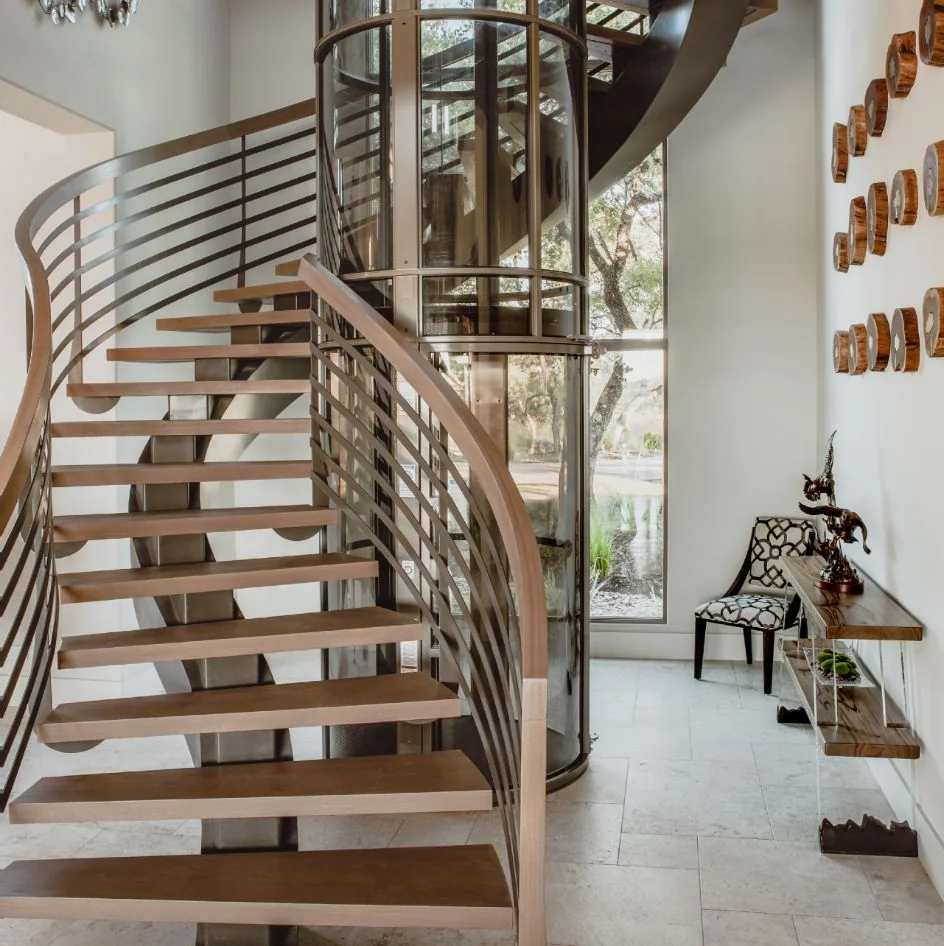
A PVE air-driven home elevator with its panoramic design, shown in a residential setting.
Keep every floor of your home within easy reach.
An elevator that fits the home you already have, without rebuilding it.
Your upstairs bedroom, the living room below, the garden out the back: a home lift keeps all of it part of your day. In Australia, more families now live in two-story houses, so the stairs are often the first thing that gets harder with a sore knee, a hip operation or a partner who needs more help.
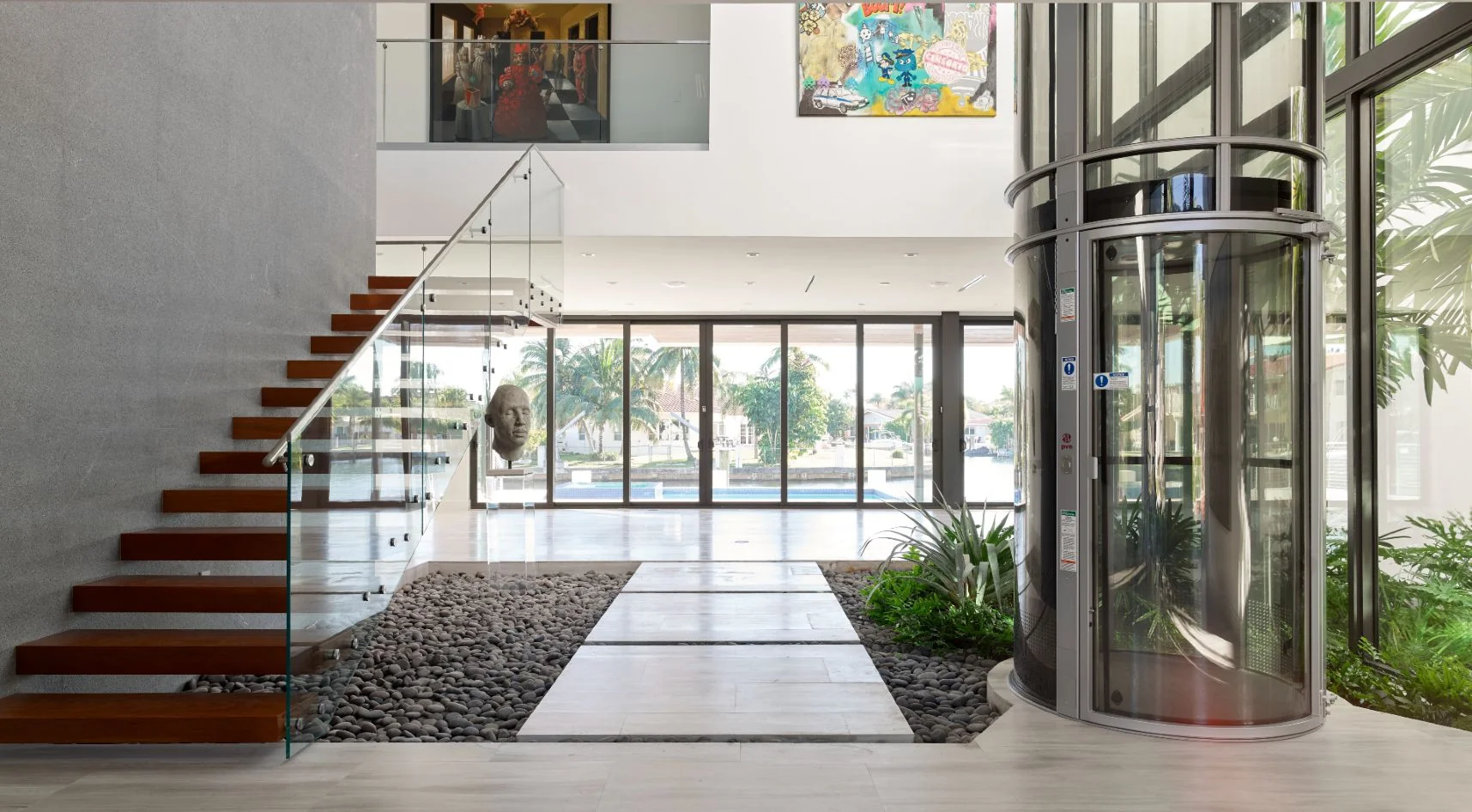
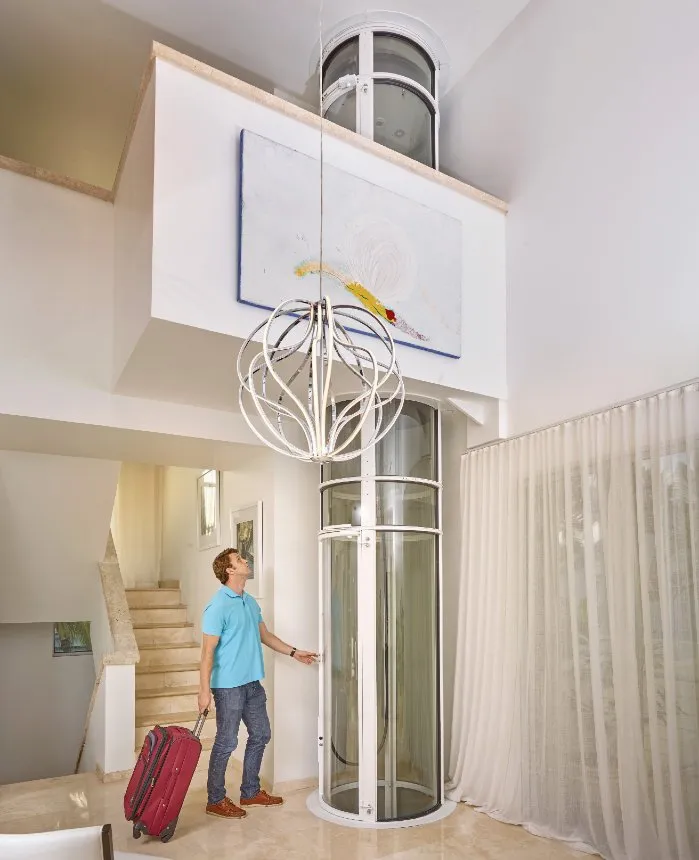
A PVE home elevator stands on your existing floor. In standard installations you do not dig a pit, frame a shaft or give up a room for machinery. The cabin rises through a neat opening in the ceiling, and its panoramic design lets light pass through, so a small hallway or the corner of a living room still feels open.
That makes it a good match for Australian homes, from a new build on a compact block to a family home you have lived in for years. You keep your layout, your furniture and your routine. When you are ready, a local dealer can visit your home and tell you which spot and which model would work best for you.
The cleanest home elevator on the market.
The elevator uses no oils or lubricants, and if a storm, heatwave or bushfire cuts the power while you ride, it comes down gently to the lowest floor. A solar panel package is also available.
- 01Air lifts you up
A vacuum pump at the top of the unit changes the air pressure and the cab rises.
- 02Gravity brings you down
Air is let back in and the cab descends. No oils, hydraulic fluid or lubricants.
- 03Runs on household current
Low power draw, so it works alongside the solar arrays many homes now have.
The most sustainable home elevator available. Anywhere.
- Pneumatic technology
- No shaft, pit or machine room
- Installed in 2 to 3 days
- Panoramic design
- Three sizes and a square
Four models. One for every home.
If space is tight, such as a townhouse hallway, the PVE30 carries one rider in the smallest footprint. Couples often choose the PVE37 or The Cube, which carry two, and The Cube suits two- and three-story homes. The PVE52 is our model for wheelchair access; it is not ADA compliant, so ride one with your own chair first.
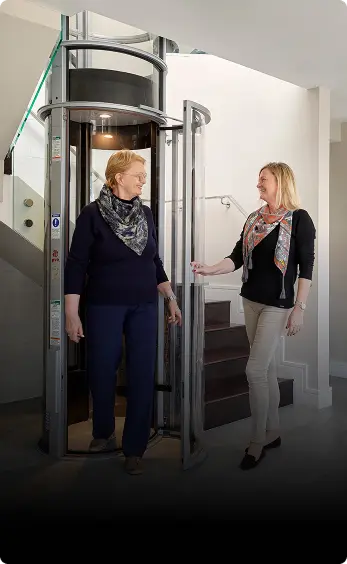
PVE30
- Riders
- 1 passenger
Start here for one rider when conserving floor space is a priority.
Explore PVE30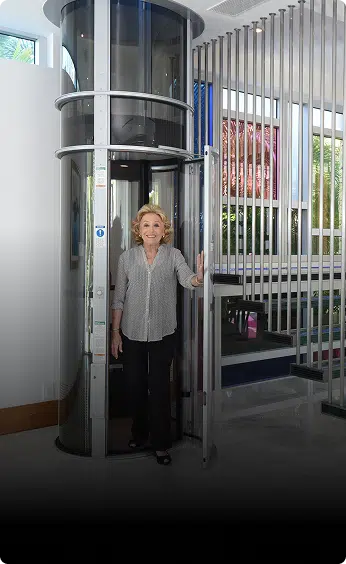
PVE37
- Riders
- 2 passengers
Compare this round model when you want room for two riders within its rated capacity.
Explore PVE37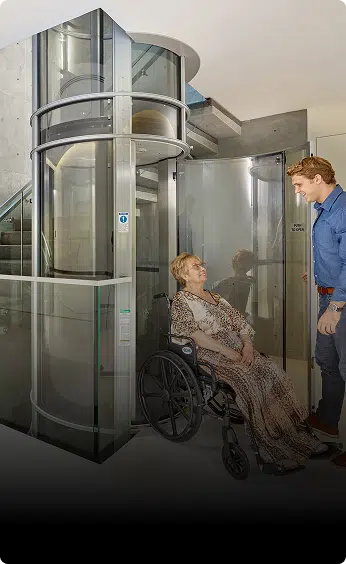
PVE52
- Riders
- 3 passengers
Start here when wheelchair access is a project requirement. Confirm the chair, rider, door opening and cabin fit together.
Explore PVE52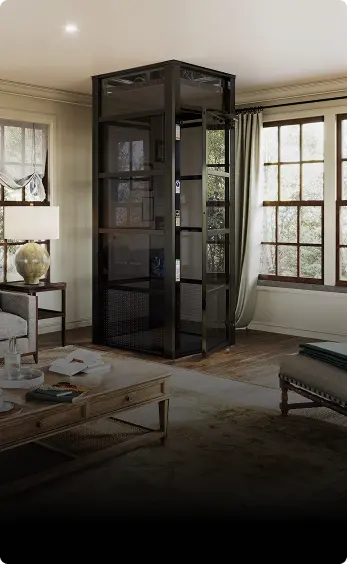
The Cube
- Riders
- 2 passengers
Consider this square model for a two-person layout, including potential corner placement after a site review.
Explore The CubePVE52 wheelchair suitability depends on the individual chair and user. Residential wheelchair access does not mean ADA compliance.
Serving homeowners across Australia.
PVE works through authorized dealers who install and service our elevators in homes across Australia, from the big cities to regional towns. Each dealer is trained at our Miami facility and knows how approvals work in your state. Whether you live in a heritage area, a townhouse with strata rules or a new two-story build, a local dealer can visit your home and show you what will work.
Also serving nearby: New South Wales, South Australia, Western Australia, Tasmania.
Safe, simple and made to be seen.
Here is what an air-driven home elevator changes for you and your home in Australia, from the approvals to the summer storms.
No pit, no shaft
The elevator is self-supporting, which means it stands on your level floor and holds itself up. You skip digging a pit and building a shaft, and you keep your rooms. That suits compact two-story homes on smaller blocks.
Ready for blackouts
Storms, heatwaves and bushfires can cut the power across Australia. If that happens while you ride, the cabin descends to the lowest floor at a safe speed and the door unlocks, with an alarm and telephone in every cabin.
Less building work
Without a pit or a machine room, the work in your home is smaller. That keeps the mess down and can make the approval file simpler to explain to your council, including in heritage areas.
An open, panoramic design
The aluminum frame and polycarbonate panels give you a 360 degree view as you ride. Light passes through, so the elevator feels like part of the room rather than a box in the corner.
A home you can grow older in
With more Australians living into their eighties and beyond, a lift helps you keep using every floor. It supports aging in place for you, a partner or a parent moving in.
Assembled in the USA, serviced near you
Every elevator is assembled and factory-tested in Miami, Florida. A local authorized dealer, trained at our Miami facility, installs it and keeps it on a low maintenance service schedule.
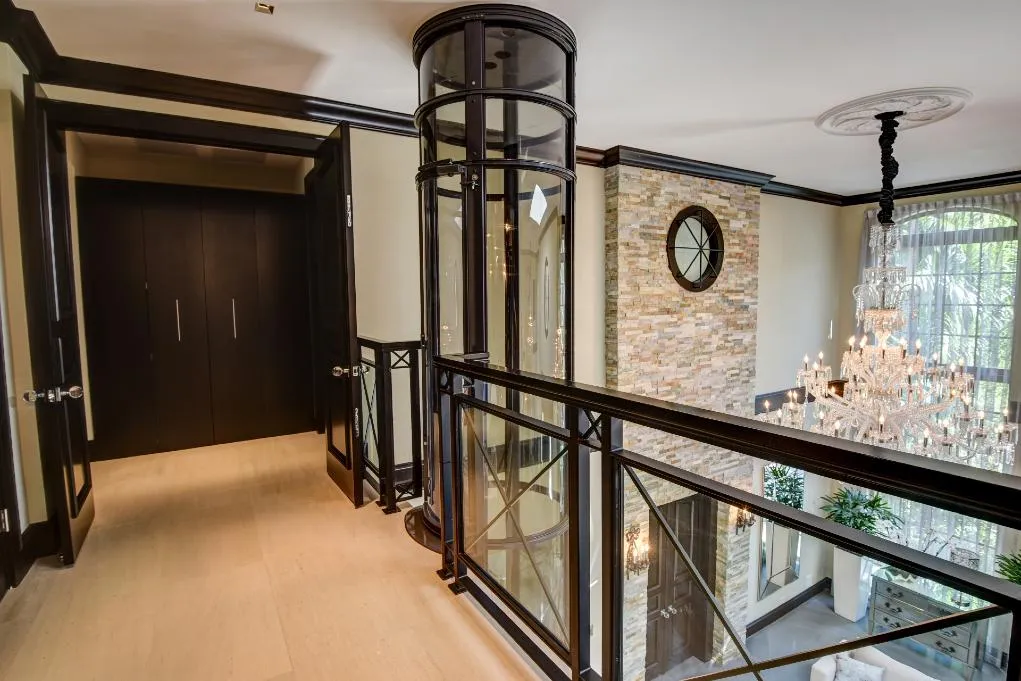
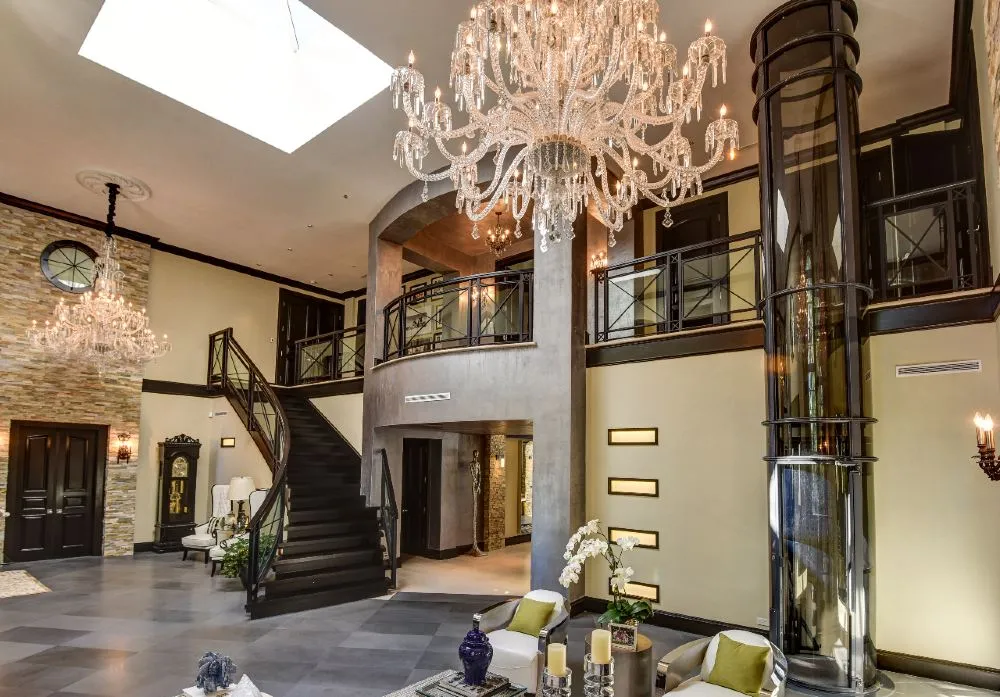
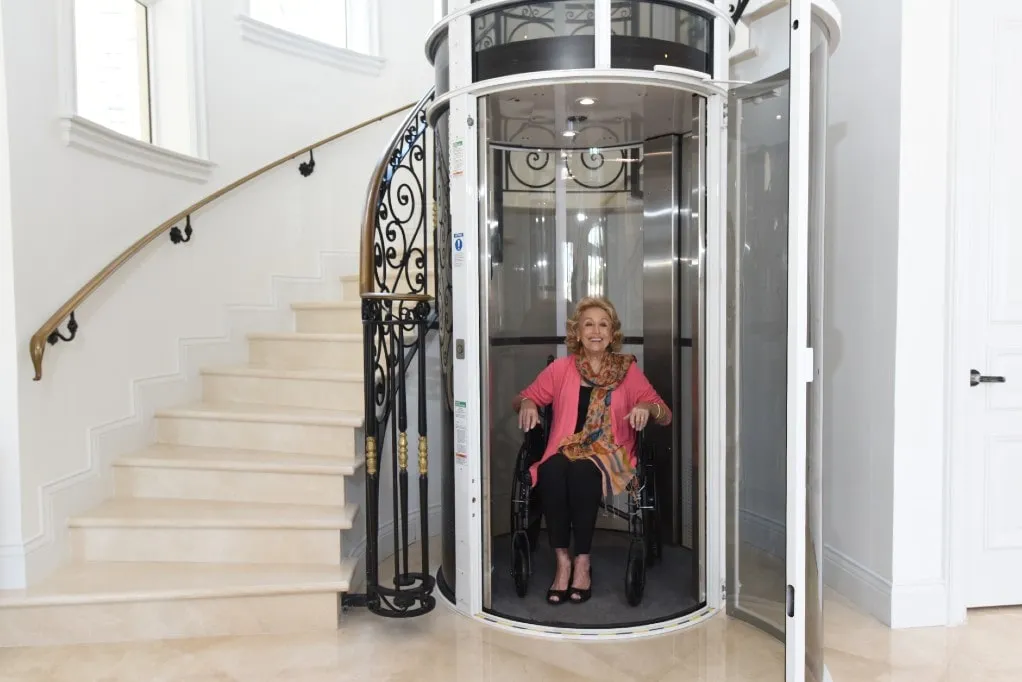
Real PVE installations.

What homeowners say.
Real words from families who added a PVE elevator to the home they love.
We are not age-limited with the elevator. At any age, it's like living on a single floor. We've been here 5 years and it's never needed anything. The elevator has been flawless.
My house was built in 1925 and it was hard to get something to fit in with the décor of my home, but the PVE fit in perfectly. I am thrilled with the design, engineering, and reliability of the elevator by PVE.
It turns a 2-story into a ranch concept! It's for the ease & access but also for the resale. I think the investment is worth it!
What happens during installation?
Your installation plan should cover the work before the elevator arrives as well as assembly and testing.
- Review the home
Confirm the layout, the people using the elevator and the levels it needs to serve.
- Confirm the model and location
Check dimensions, landing access and the requirements for the selected configuration.
- Prepare the site
Complete the agreed structural and electrical work and arrange the required permits and inspections.
- Install and hand over
Assemble and test the elevator, complete required approvals, and explain operation and ongoing care.
Timing depends on site preparation, the selected model and local requirements.
Let's talk numbersHome elevator cost in Australia.
The price of your project depends on the model, how many floors it serves and the preparation your home needs, such as a level floor, a ceiling opening and the right power supply. Building permits, engineering certificates and any heritage or strata approvals also play a part, and a free quote gives you the price for your home.
For what shapes the price before you talk to us, read our guide to home elevator cost.
What affects your price
- ModelPVE30, PVE37, PVE52 or The Cube
- FloorsHow many levels the elevator serves
- Site workElectrical and structural prep, permits
- FinishThe colors and options you choose
Questions Australian homeowners ask before ordering
Can I fit a lift in my two-story house on a smaller block?
In many cases, yes. Our elevators stand on your existing floor and take up a small round or square footprint, so they suit the compact two-story homes now common on smaller Australian blocks. There is no pit to dig and no machine room to find space for. Every home is different, though, so a dealer looks at your floors, ceiling height and the spot you have in mind before you commit. Request a free consultation to start.
Do I need council approval before a lift goes in?
Yes, almost always. In virtually every Australian state, a home lift needs a building permit and approval from your local council before it is installed, plus engineering certificates and a final inspection afterwards. Queensland, Western Australia and South Australia tend to have simpler systems, while New South Wales and Victoria are usually more demanding. Your dealer can walk you through what your council asks for, so the paperwork is ready before the install date is set.
My house is in a heritage area. Can I still add one?
Often you can, but you will need approval first. Heritage overlays are most common in New South Wales and Victoria, and councils there look closely at changes to a home. Because our elevators need no pit and no shaft built around them, the building work inside your house is usually small, which helps when you explain the project. Approval is never certain, so speak with your council and your dealer early, before you choose a spot.
We get blackouts in summer. Could I get stuck in the lift?
No. If the power fails while you are riding, the elevator brings you down slowly to the lowest floor and the door unlocks so you can step out. That matters here, where lightning, heatwaves, bushfires, floods and high winds can all cut power to homes. You do not need to press anything or wait for help to arrive. Every cabin also has an alarm and a telephone, so you can always reach someone.
Can my dad ride in it with his wheelchair?
He may, in the PVE52, our only model made for wheelchair access. It has the widest door and the largest cabin in our range, but it is not ADA compliant and not every wheelchair fits. The best test is to ride one with his own chair at a PVE authorized dealer before you order. With more Australians living into their eighties and beyond, it is also worth planning for the chair he may need later.
How long will the work take inside my home?
Once your site is ready, the install itself typically takes 2 to 3 days. Before that, the spot is prepared: a level floor, a neat opening in the ceiling where the elevator passes through, and the right power supply. In Australia, the permit and council approval usually come first, so the whole project takes longer than the install alone. Your dealer gives you a timeline for your own home at the estimate visit.
Who looks after the lift once it is in?
Your local PVE authorized dealer does. Every dealer is trained at our Miami facility, and they set your service schedule, with an inspection at least every 6 months. The elevator is low maintenance and uses no oils or lubricants, but regular checks keep it running well. They also fit Australian guidance, which says home lifts should typically be inspected once or twice a year. Ask your dealer about service when you request your quote.
What decides the price of a lift for my home?
Three things matter most: the model you choose, how many floors it serves and the work your home needs before it goes in. In Australia, the building permit, engineering certificates and any heritage or strata approvals also play a part. A home with a level floor and good ceiling height usually needs less preparation. A free quote gives you the price for your own home, so you can plan with real numbers instead of guesses.
Built for the way Australia lives.
- Typical homes
- Two-story detached houses on smaller blocks
- Approvals
- Building permit and council approval in almost every state
- Power cuts
- The cabin descends to the lowest floor on its own
- Install time
- Typically 2 to 3 days after site prep
Australian blocks have been getting smaller, and that is pushing more families to build up instead of out. Two-story detached homes are a growing share of what gets built. If you live in one, the stairs are part of every day, from the morning trip down to the kitchen to carrying washing back up at night. A home elevator turns that climb into a short ride, without taking a room away from a house that already uses its space carefully.
No pit to dig, no shaft to frame, no machine room to find space for.
Before any lift goes into your home, you will need approvals. In virtually every Australian state, a home lift needs a building permit and approval from your local council. Engineering certificates are part of the file, and a final inspection follows once the lift is in. Plan for this step early. Your dealer can help you gather what your council asks for, so the install date is set once the paperwork is done.
Where you live changes how that goes. Queensland, Western Australia and South Australia run their own permit systems, which are typically more straightforward. New South Wales and Victoria generally have the most demanding approvals and the most heritage overlays. If you own an apartment or townhouse, strata rules can add their own steps. Because our elevators need no pit and no shaft built around them, the building work in your home is usually small, which helps when you explain your plans. Approval is never certain, so ask before you settle on a spot.
The national rules also look at how a lift ties into your house: the structure, the electrical work and the fire and access provisions. Pit depth and headroom are checked as part of compliance. With a PVE elevator in a standard installation there is no pit at all, so that question is settled. Headroom still matters, which is why your dealer measures your ceiling heights and floors during the visit, before you commit to a model.
Australian weather is hard on the power supply. Lightning, floods, heatwaves, bushfires, high winds and fallen trees can all cut power to homes. Queensland, New South Wales, Victoria and South Australia have each seen storms or heat leave huge numbers of homes without power, and extreme weather is on the rise. If the power fails while you are riding, your elevator comes down slowly to the lowest floor and the door unlocks so you can step out. You are never left waiting between floors.
About one in six Australians is now 65 or over, and the number aged 85 and over is expected to double in the coming decades. Tasmania, South Australia and New South Wales already have the highest shares of older residents. If you plan to stay in your home as you age, or you are helping a parent do the same, adding a lift while you are well and unhurried is easier than rushing after a fall.
After the install, home lifts in Australia should typically be inspected once or twice a year. Your PVE authorized dealer sets a service schedule for your elevator, with an inspection at least every 6 months, so the checks are planned from the first day.
Find the right elevator for your home.
Tell us about your home, your floors and who will ride. A local authorized dealer will help you choose a model, explain the approvals in your state and arrange a visit to look at your home. There is no obligation.
813-548-4339- Head office
- 4151 West 108th Street, Suite #1, Hialeah, FL 33018
- Phone
- 813-548-4339
- [email protected]
- Hours
- Mon – Fri 8am – 4pm EST · Sat – Sun closed
Request a Free Consultation
Share a few details about your home in Australia and we will be in touch.