Skip to content >

- Residential Elevator Cost and Installation Breakdown
- Types of Residential Elevators: Hydraulic Elevator vs Other Options
- Cost by Elevator Type
- What Factors Affect the Cost of a Home Elevator?
- Installing a Lift at Your House: Safety Features and Compliance
- Maintenance Costs and Long-term Considerations
- Choosing the Right System for Your Residence
- Making the Smart Investment
- Financing a Home Elevator
- Does a Home Elevator Increase Property Value?
- Conclusion
- Frequently Asked Questions
A home elevator typically costs between $35,000 and $100,000+ installed, with most homeowners spending approximately $35,000 to $60,000+, depending on elevator type, number of floors, and customization. Pneumatic vacuum elevators often start around $45,000 for a standard two-floor installation and require no pit, shaft, or machine room.
This guide breaks down installation costs, long-term maintenance, and the pricing differences between elevator types so you can budget accurately before requesting a quote.
Residential Elevator Cost and Installation Breakdown
Home elevators come in many forms, including wheelchair lifts, pneumatic elevators, and vertical platforms. When considering the cost of a home elevator, keep in mind that your investment will vary based on several factors, including the elevator company you select and the installation process. Many homeowners look specifically for the cost to install a home elevator to understand the full project scope.
Most homeowners can expect the overall cost of a residential elevator to range from $35,000 to $100,000+, depending on the model, customization, engineering needs, and location. Pneumatic vacuum elevators, known for their minimal site preparation, typically start within this range. At the same time, hydraulic and traction systems may cost more due to the need for shafts, pits, or machine rooms.
The cost of a residential elevator extends well beyond the initial equipment purchase. Home elevator installation costs vary based on your specific requirements and the elevator type you choose. Labor costs can vary significantly depending on installation complexity, location, and site conditions.
To help homeowners compare options more easily, most residential elevator vendors recommend requesting itemized quotes that separate equipment price, installation labor, shaft or pit construction, electrical upgrades, permits, finishing materials, and optional customizations. This not only makes budgeting easier but also reduces unexpected overruns.
Itemized estimates also help clarify which costs relate to your home’s structure versus the elevator equipment itself, an important distinction when comparing bids and understanding the home elevator installation cost. Compared to stair lifts, home elevators typically involve higher upfront costs due to installation and structural requirements.
Types of Residential Elevators: Hydraulic Elevator vs Other Options
Understanding each elevator type helps you make informed decisions about your home elevator investment and accurately assess residential elevator prices.
Vacuum and Pneumatic Systems
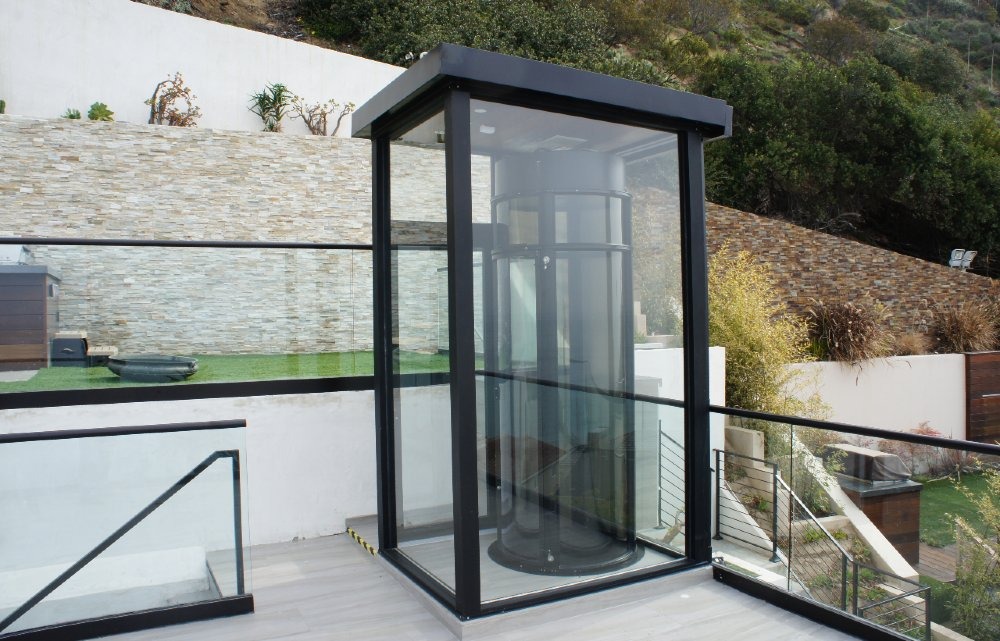
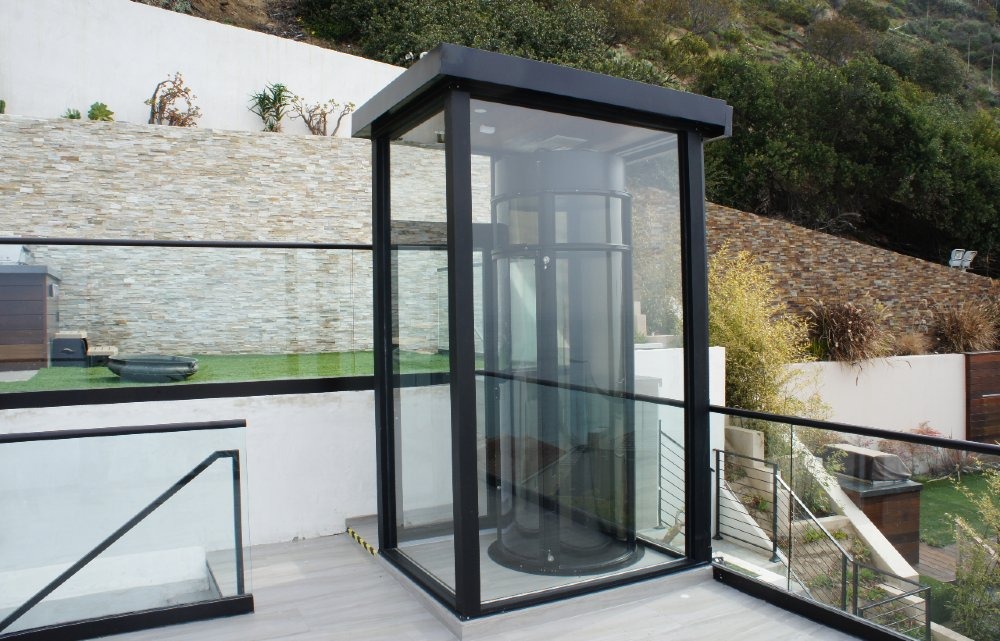
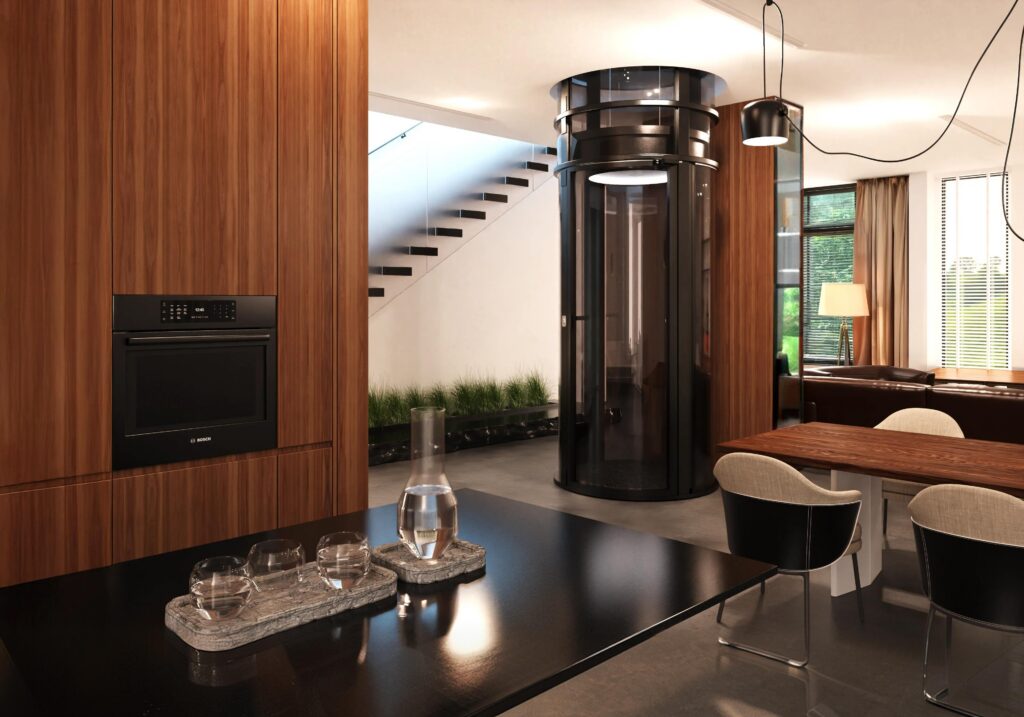
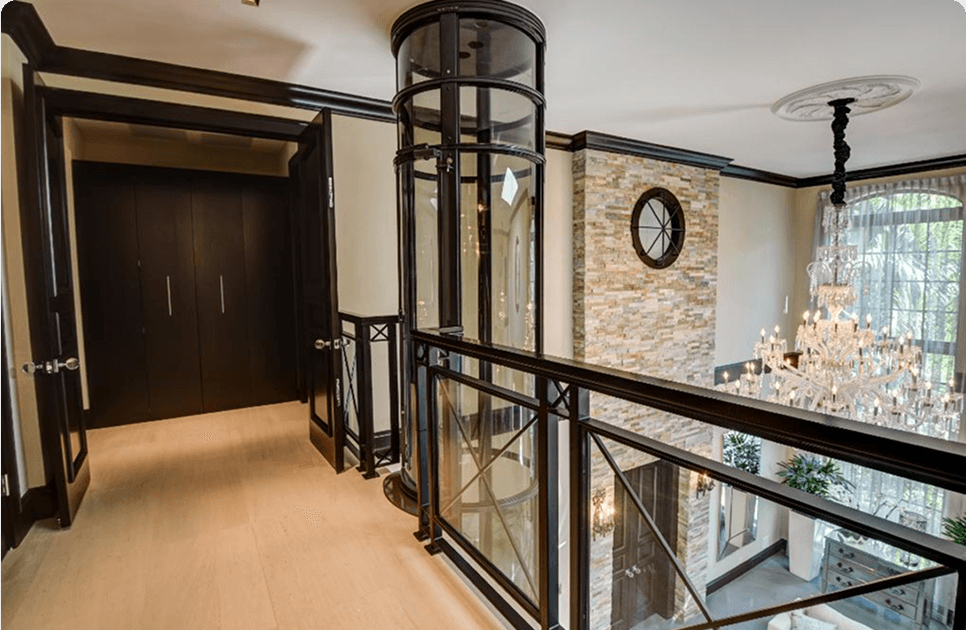
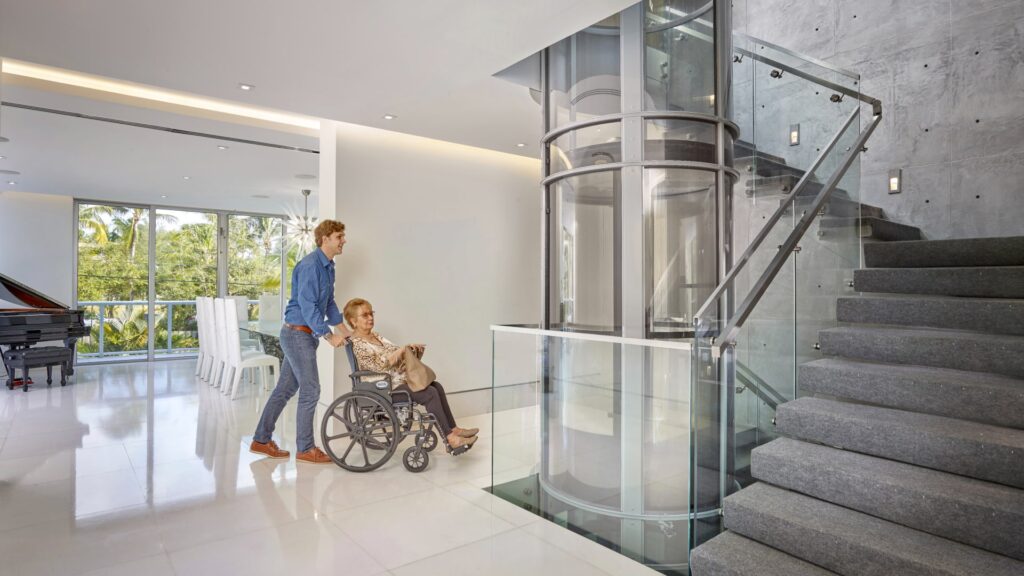
Vacuum elevators are the latest and greatest residential elevator technology, using air pressure differentials for movement. Ideal for homes with limited space, these pneumatic lift systems feature a modern aesthetic with a transparent design that serves as architectural focal points and requires minimal construction modifications. These models are typically pitless and machine-room-less, with a self-supporting cylinder that can simplify retrofits while offering one of the most competitive pneumatic elevator cost ranges.
Hydraulic Elevator Systems
A hydraulic elevator uses a pump system that pressurizes hydraulic fluid in a cylinder, raising and lowering the hydraulic arm that supports your elevator cab. These rugged systems require a separate machine room housing the pump and control equipment, and tend to have a mid-range hydraulic elevator cost.
Traction Elevators
Traction elevators use cables wound around pulleys with counterweights to move the elevator car. These systems may not require hydraulic fluid, making them cleaner and more environmentally friendly. They typically fall into a higher traction elevator cost bracket.
Because each elevator type differs in installation needs and engineering requirements, many local contractors offer cost ranges by category. Installation complexity increases costs, particularly if a new shaft needs to be built or if the installation is retrofitting an existing home.
Selecting the right elevator type typically depends on available space, desired aesthetics, and long-term maintenance preferences, especially for those comparing home lift cost options.
Cost by Elevator Type
Home elevator costs vary based on the system you choose, with each type offering different installation requirements, maintenance needs, and long-term value.
Pneumatic Vacuum Elevators (PVE)
Typically range from $35,000 to $100,000+ installed. Because they do not require a shaft, pit, or machine room, installation is often simpler and less invasive. With fewer moving parts and no hydraulic fluids, they also tend to have lower long-term maintenance costs.
Hydraulic Elevators
Generally range from $40,000 to $100,000+ installed. These systems require a pit and machine room, which increases installation complexity and ongoing maintenance, including fluid changes and pump servicing.
Traction Elevators
Typically range from $50,000 to $120,000+ installed. These systems use cables and counterweights, which can increase mechanical complexity and long-term maintenance needs.
What Factors Affect the Cost of a Home Elevator?
Several factors influence the overall cost of a home elevator. The final investment depends on the elevator system, home layout, installation requirements, customization level, and local project conditions.
1. Elevator Type and Technology
The type of elevator you choose has a major impact on cost. Traditional hydraulic and traction elevators usually require more structural preparation, such as a shaft, pit, and in some cases, a separate machine room. These requirements can increase the overall project scope before installation even begins.
Pneumatic elevators, on the other hand, are designed to reduce many of these structural needs, making them a more space-efficient and less construction-heavy option for many homes.
2. Number of Floors and Stops
The number of floors the elevator needs to serve also affects pricing. A simple two-level installation is usually more straightforward, while additional stops require more materials, landing doors, electrical planning, and safety coordination.
As the travel height increases, the installation becomes more complex, which can raise the overall cost.
3. Cab Size and Weight Capacity
Larger elevator cabins typically cost more because they require additional materials, engineering, and support. Elevators designed for wheelchair access or multiple passengers may need more space, stronger components, and a higher weight capacity.
This makes cab size and load capacity important cost factors during the planning stage.
4. Customization
Customization can also influence the final price. Standard models are usually more cost-effective, while premium finishes and design upgrades can increase the total investment.
Common customization options may include tinted panels, upgraded flooring, custom lighting, seating, and other design-focused enhancements.
5. Smart Home Integration
Some homeowners choose to connect their elevator with smart home systems or automation platforms. This can add convenience, but it may also require additional components, setup, and compatibility work.
The cost depends on the level of integration and the technology being used.
6. Installation Complexity
Every home is different, and installation conditions can affect the total project cost. Homes with unusual ceiling heights, limited access, existing structural obstacles, or difficult installation areas may require extra planning and labor.
Remote project locations can also increase logistical requirements for installation teams.
7. Geographic Location
Costs can vary depending on where the home is located. Local labor rates, permit requirements, building codes, and inspection processes differ by city and state.
Projects in dense urban areas or regions with stricter permitting requirements may involve higher overall costs.
8. Pre-Construction and Retrofitting
Installing an elevator during new construction is usually simpler than adding one to an existing home. Retrofit projects may require modifications to walls, ceilings, floors, or structural elements, depending on the elevator type.
Pneumatic elevators often require less retrofitting compared to traditional systems, making them a practical option for existing homes where minimizing construction disruption is important.
Installing a Lift at Your House: Safety Features and Compliance
When you’re installing a home elevator, safety features and regulatory compliance can’t be ignored. Professional installers ensure systems meet all local building codes and accessibility standards.
Modern home elevators typically include safety elements such as emergency stop controls, overspeed protection, interlocks, LED lighting, automatic leveling, and battery-powered descent in case of outage.
Throughout this process, you’ll navigate local regulations and residential codes that vary from municipality to municipality. These codes often require permits, inspections, and adherence to specific safety standards. Working with contractors familiar with your area simplifies the approval process and ensures compliance. Permits can add high costs to an elevator installation, with fees ranging from $1,000 to $3,000 depending on the state.
Maintenance Costs and Long-term Considerations
When investing in a home elevator, understanding ongoing costs is essential. Regular maintenance plays a key role in safe operation and directly impacts the system’s long-term value. Maintenance costs vary by elevator type, with pneumatic elevators typically requiring less upkeep due to fewer moving parts and no hydraulic fluids, which can help reduce total ownership costs over time.
Hydraulic systems often require periodic fluid changes and pump servicing, while pneumatic systems generally need less frequent intervention. Homeowners should plan for bi-annual service visits as part of a standard maintenance schedule.
On average, homeowners should plan for $200–$500 per annual maintenance visit, with occasional part replacements (such as door sensors, switches, or hydraulic components) ranging from $150 to $1,000 depending on the part. Contact your local dealer to confirm the price of maintenance visits in your area.
Understanding annual maintenance expectations is essential when comparing the overall residential elevator price between different system types.
Choosing the Right System for Your Residence
Choosing the right home elevator starts with an assessment of your home’s characteristics. Home elevators provide convenience by making it easier to transport heavy items between floors.
Before contacting installers, measure available space, note ceiling heights, identify potential shaft locations, and determine whether the home can structurally support the system you prefer. Documenting these details helps contractors provide more accurate quotes. Confirm as well if a wheelchair lift is required.
Before you install elevators, get multiple quotes from certified and trusted professionals. You should be provided a detailed assessment of requirements, timeline, and maintenance expectations.
Making the Smart Investment
Unlike a stair lift, a home elevator is more than luxury; it’s an investment in functionality, accessibility, and long-term value.
Contact us to connect with one of our trusted, licensed dealers. These professionals will provide personalized assessments, discuss different system types, and help you understand what’s possible in your home’s unique layout.
Installing a home elevator isn’t just adding convenience; it’s making your home more livable, accessible, and valuable for your family’s evolving needs for decades. For families planning to age in place, the investment often becomes a central part of making the home safer and more accessible long-term.
Financing a Home Elevator
The upfront investment is significant, but several financing options make it manageable:
PVE Pay-As-You-Go: PVE offers its own flexible payment program that allows homeowners to install now and pay over time without the full upfront burden.
Home improvement loans: Banks and credit unions offer renovation-specific loans covering the full project cost with fixed monthly payments.
HELOC (Home Equity Line of Credit): Borrow against existing home equity at flexible repayment terms. This works well for homeowners with significant equity built up.
Dealer and installer financing: Many certified PVE dealers offer payment plans directly. Always ask before assuming it is not available.
For a detailed walkthrough of all available options, the home elevator financing guide covers each path with practical steps.
Does a Home Elevator Increase Property Value?
In most markets, a residential elevator adds measurable value to a property.
A home elevator expands the pool of qualified buyers, particularly among aging homeowners, buyers with mobility concerns, and families planning for multigenerational living. Homes with elevators tend to sell faster and command a premium in markets where accessibility is a priority.
The return is most pronounced when the elevator is a functional necessity rather than a purely cosmetic upgrade and when it is installed in a home with three or more floors. For a full breakdown of the ROI data, the guide on whether home elevators increase property value covers market evidence and real estate perspectives.
Conclusion
Choosing the right home elevator starts with understanding what works best for your space, layout, and long-term needs. Since pricing varies based on configuration, installation requirements, and customization, the most reliable way to move forward is with a personalized assessment.
Contact a PVE specialist to discuss your requirements, and you’ll be connected with an authorized installer in your area who can evaluate your home and provide an accurate, tailored quote. This ensures you get the right system, the right price, and a solution designed specifically for your home.
Frequently Asked Questions
Can a home elevator be installed in an existing home?
Yes, home elevators can be retrofitted into existing homes, though some structural modifications may be necessary. With homes with less space, review the elevator technology that best accommodates tight spaces while servicing your mobility issues and needs.
Do all residential elevators require a machine room?
No, some elevators, like pneumatic elevators, do not require a separate machine room.
How much space is typically needed for an elevator at your house?
The amount of space needed varies depending on the elevator technology, company and model chosen for your project. For example, the world’s smallest home elevator, provided by PVE, the PVE30, only requires a through-floor opening of 32 inches.
Are home elevators safe to use?
Yes, when installed by a qualified company and regularly maintained, home elevators meet safety standards and include essential safety features.
How long does it take to install a home lift?
Most projects take between two and six weeks, depending on system type, permitting, and structural modifications. Self-supporting passenger elevators like Vacuum Elevators by PVE can be installed in as little as 2 – 3 days due to the lack of any elevator shaft and the minimal pre-construction requirements.
How much does a pneumatic lift cost in 2026?
Most homeowners spend between $35,000 and $100,000+ installed, with an average around $45,000 for a standard 2-floor configuration. Cost varies by model, number of stops, and customization.
What is the most affordable PVE model?
The PVE30 is the most compact and lowest-cost model, designed for single-passenger use in homes with limited space.
Are there financing options for a pneumatic elevator?
Yes. PVE offers a pay-as-you-go program, and homeowners can also use home improvement loans, HELOCs, or dealer financing plans.