

How to Finance a Home Elevator Installation: Budget-Friendly Tips

On this page
Home elevators are no longer just luxury items—they’re practical solutions for homeowners seeking accessibility, future-proofing, or simply more convenience.
As aging-in-place and multi-generational living trends rise, more families are investing in residential elevator systems.
But let’s be honest: installing a home elevator is a major decision, and for many, cost is the first concern.
The good news?
Financing a home elevator is easier and more accessible than you might think.
Options ranging from flexible home improvement loans to government-backed grants, there are a variety of options designed to make home mobility affordable, without draining your savings.
In this article, we’ll break down real-world ways to fund your installation and highlight smart tips to stretch your budget further.
Budgeting Your Home Elevator: Understanding the Cost: What to Expect
Residential elevators can vary widely in cost depending on the model, number of floors, installation needs, and any custom features.
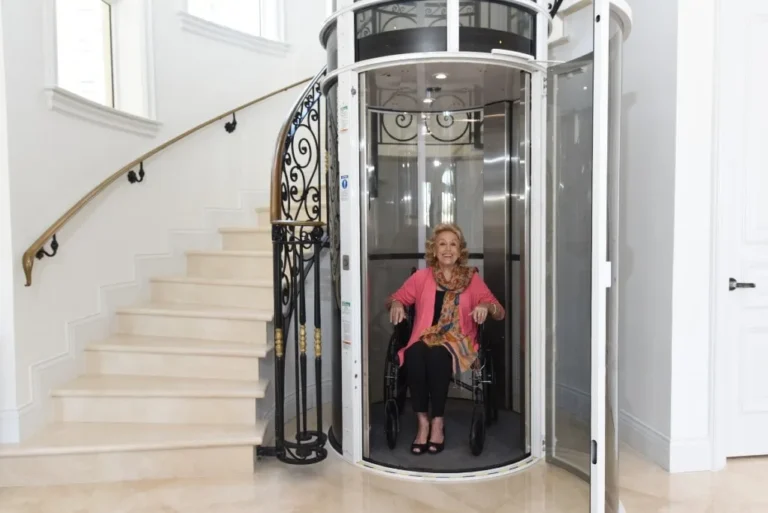
Pneumatic Vacuum Elevators (PVE), known for their sleek design and low-maintenance technology, are especially efficient when it comes to installation and long-term use, with models like PVE30, PVE37, and PVE52 offering tailored solutions for different home spaces and accessibility needs.
While we won’t throw out exact figures (since every home and model is different), elevators can cost up to several tens of thousands of dollars.
That said, many PVE customers are surprised at how competitive the total investment can be—especially when considering long-term value, accessibility benefits, and added property appeal.
Tip: PVE elevators don’t require a machine room or pit, which can reduce structural modifications—and therefore, cost.
[elementor-template id=”34893″]
Home Improvement Loans: Personal and Secured Options
Financing a home elevator through a loan is one of the most common methods. Let’s look at your options:
Personal Loans
- These unsecured loans can be used for any purpose, including home upgrades.
- Approval is often quick, and the repayment terms are fixed—making budgeting easier.
- Banks, credit unions, and online lenders like SoFi, LightStream, and Upgrade offer competitive home improvement loan packages.
Home Equity Loans & HELOCs
Example: A homeowner in Pennsylvania used a HELOC from their local credit union to fund a two-stop elevator installation that allowed their elderly parents to remain in the home safely.
FHA Title I Home Improvement Loan Program
For homeowners without significant equity, the FHA Title I Loan Program can be a game-changer.
Where to start: Visit HUD.gov to find participating lenders in your state.
Energy-Efficiency Incentives and Tax Credits
Did you know that pneumatic vacuum elevators are among the most energy-efficient vertical transportation options on the market? Unlike traditional elevators, they consume power only during ascent—gravity handles the descent.
While elevators don’t always qualify for energy tax credits, some states offer green improvement rebates that could apply depending on your project. Additionally, elevators that contribute to overall home efficiency or accessibility might count toward broader sustainability upgrade packages.
Tip: Check with your utility provider or browse DSIREUSA.org for programs in your area.
Grants and Assistance for Accessibility Improvements
For homeowners with mobility challenges or disabilities—or those caring for someone who does—grants may be available to help offset elevator costs.
Veterans Affairs (VA) Specially Adapted Housing (SAH) Grant
State and Local Programs
Many states offer Home Modification Grants for aging-in-place initiatives or residents with disabilities. For example:
Nonprofits
Financing Through the Elevator Company
In many cases, the simplest path to financing your home elevator installation is directly through the elevator provider or a trusted third-party financing partner.
While Pneumatic Vacuum Elevators (PVE) does not currently offer in-house financing, many of the dealers and installation partners across the country are connected with reputable lenders who specialize in home improvement financing.
Some of the most commonly used third-party platforms include:
- GreenSky – Offers flexible financing for home improvement projects, often with deferred interest promotions or reduced APR plans.
- Synchrony – Known for simple application processes and promotional financing with equal monthly payments.
- Enhancify – Provides instant quotes and allows homeowners to compare multiple offers without impacting their credit score.
These platforms often provide:
- Deferred or no-interest periods – Ideal if you plan to pay off your balance quickly.
- Quick online approvals – Many applications are processed within minutes.
- Flexible payment terms – Choose from short- or long-term plans based on your budget.
- Loan amounts tailored to your project needs – typically ranging from $5,000 to $75,000+.
This type of financing allows you to bundle the total project cost—including installation, site prep, and any required modifications—into one manageable monthly payment. For many homeowners, this removes the upfront financial burden and allows them to begin the project sooner.
Next Step: Speak with your local PVE-certified dealer or installation partner. They can walk you through available financing options in your area and connect you with lenders who understand the home accessibility space.
Budgeting Tips to Reduce Out-of-Pocket Costs
Even with financing or grants, many homeowners are looking for practical ways to reduce the overall cost of installing a residential elevator. Here are several smart, proactive strategies to help you stay within budget while still achieving a safe, stylish, and functional upgrade:
Opt for Fewer Stops
Each additional stop or floor adds complexity to the installation. If your home allows, choosing a two-stop elevator instead of three can significantly reduce both equipment and labor costs. Many PVE customers find that a two-level elevator meets their needs while staying well within budget.
Time It With Renovations
If you’re already planning a home remodel or addition, incorporating elevator installation at the same time can lower your total project cost. You’ll save on permitting, construction labor, and demolition fees—especially since PVE elevators require minimal structural changes thanks to their self-supporting design.
Choose a Compact, Shaftless Model
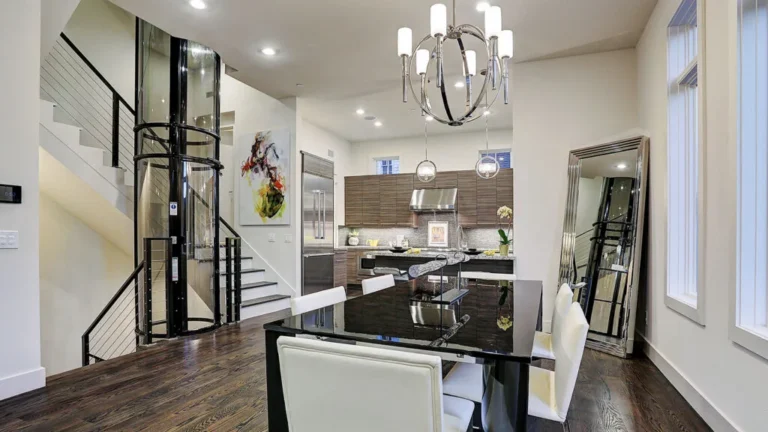
Unlike traditional elevator systems that require pits, hoistways, or machine rooms, PVE models are shaftless and pneumatic, making them ideal for retrofits. Their minimal footprint not only preserves square footage but also reduces the need for costly structural alterations. This can be a major cost-saver for homes with limited space or complex layouts.
Request Quotes During Off-Season
Some elevator dealers offer discounts during the off-season (typically late fall and winter) when demand is lower. Scheduling your installation during a slower period can potentially lead to savings or even free upgrades.
Use Tax-Advantaged Accounts (If Applicable)
For those installing a home elevator as a medical necessity—such as to accommodate a disability—certain tax-advantaged savings accounts like Health Savings Accounts (HSAs) or Flexible Spending Accounts (FSAs) may be used. You’ll need a physician’s note or documentation, and eligibility may vary, so check with your tax advisor.
Prioritize Must-Haves vs. Nice-to-Haves
During the planning phase, separate essential features (like the number of stops or entry directions) from aesthetic upgrades. For example, glass panels and custom finishes can always be added later, once your main installation is complete and financed.
Compare Quotes and Be Upfront About Budget
Always get multiple quotes from certified PVE installers. Let them know your target budget early on—they may be able to recommend creative solutions like phasing in upgrades or using existing openings to reduce construction costs.
Pro Tip: Some homeowners save by opting for a standard color or design first, then upgrading finishes once they’ve had time to settle in with their new elevator system.

Investing in Your Home’s Future
Installing a home elevator is a major step—but it doesn’t have to be a financial burden.
Planning for the future, improving mobility, or adding lasting value to your home doesn’t have to come with financial stress.
With a variety of financing options and creative cost-saving strategies, installing a home elevator is more achievable than you might think.
At Pneumatic Vacuum Elevators, we’re proud to offer energy-efficient, space-saving elevator models that work beautifully in homes of all shapes and sizes.
We’re also here to guide you through every step of the process—including helping you explore financing options that fit your lifestyle.
Ready to take the next step?
Contact us today for a free consultation and personalized quote—your future-friendly home upgrade starts here.
Was this article helpful?

Get in touch to schedule a call back
One of our lift experts will answer all of your questions.
Prefer to talk now? (877) 691-0357