

Home Elevator Inspection: What Happens and What Homeowners Should Expect

On this page
A home elevator inspection checks whether the elevator was installed correctly, meets applicable safety requirements, and operates as intended. For a new elevator, an inspection may be required before it can be placed into service. Existing elevators may also need periodic inspections, depending on state and local rules.
The process sounds more intimidating than it usually is. An inspector reviews the equipment, watches the elevator operate, checks required safety features, and documents anything that needs attention.
Key Takeaways
- A new home elevator may need an acceptance or final inspection before it can be used.
- Inspection requirements vary by state, municipality, elevator type, and type of residence.
- The inspector typically checks doors, controls, electrical components, safety systems, emergency features, and the elevator’s operation at each landing.
- Official inspections must be handled by professionals who meet the qualifications required by the local authority.
- Pneumatic elevators have a different inspection setup because they do not use a traditional hoistway, pit, hydraulic system, or separate machine room.
- If an elevator does not pass, required corrections generally must be completed before final approval is issued.
What Is a Home Elevator Inspection?
A home elevator inspection is a safety and code-compliance review of a residential elevator and its installation.
For new equipment, the inspection confirms that the completed installation meets the requirements adopted by the authority that has jurisdiction over the property. Many jurisdictions base elevator rules on versions of ASME A17.1/CSA B44, although states and municipalities may adopt different editions or add their own requirements.
PVE’s guide to home elevator permits and local approval requirements explains why homeowners should check local rules early rather than assuming the same process applies everywhere.
That local piece matters. There is no single inspection schedule for every home elevator in the United States.
For example, Maryland’s state elevator law generally requires periodic inspections for covered equipment, but elevator units in privately owned single-family residences are exempt from the state law. Maryland’s elevator safety rules spell out that distinction.
Massachusetts handles private residences differently too. Owner-occupied single-family home elevators require inspection following installation, alteration, or modernization that requires a permit, but they are exempt from the routine annual inspection requirement that applies to many other elevators.
The practical answer is simple: check the rules where the elevator is being installed.
When Does a Home Elevator Need an Inspection?
A new residential elevator will commonly require an inspection after installation and before final approval.
The exact process depends on local code. An inspection may also be triggered when an elevator is:
- Relocated
- Significantly altered or modernized
- Repaired in a way that affects regulated equipment
- Installed as part of new construction
- Subject to recurring inspection requirements in that jurisdiction
If you’re adding an elevator to an existing house, permitting and inspection should be part of the conversation before installation begins. PVE’s overview of installing a home elevator with minimal construction shows how the physical work can differ considerably between traditional and shaftless systems, but local approval requirements still apply.
Don’t assume that a fast installation means the regulatory process is equally fast. They are two separate timelines.
Who Performs a Residential Elevator Inspection?
An official elevator inspection is not the same thing as a normal home inspection. The person performing the code inspection must meet the qualifications required by the state or local authority. Some jurisdictions require a certified elevator inspector with recognized elevator-specific credentials or state approval.
ASME’s QEI-1 Standard for the Qualification of Elevator Inspectors establishes criteria used to qualify and train elevator inspection personnel. QEI certification is recognized by the National Elevator Industry, Inc., and local authorities decide how those qualifications are incorporated into their own rules.
A licensed elevator mechanic may also be present during the inspection. The mechanic can operate the equipment and perform required testing while the inspector witnesses the test and evaluates compliance.
That distinction is important:
- The mechanic services, adjusts, and tests the equipment.
- The inspector evaluates whether the installation and required tests satisfy the applicable rules.
Your elevator installer or authorized dealer should be able to tell you who schedules the inspection, who needs to attend, and what paperwork needs to be ready.
What Happens During a Home Elevator Inspection?
For a newly installed elevator, the inspector generally conducts an initial inspection before it is placed into service, reviewing the installation from top to bottom and watching the unit operate.
The exact checklist depends on local code requirements and the elevator type, but common areas include:
Doors and Landing Entrances
The inspector may check that doors open, close, and latch correctly, that required interlocks prevent unsafe operation, and that the cab interior and posted information meet applicable requirements.
Landing entrances should align properly with the elevator and remain clear of conditions that could create a hazard. Missing capacity postings inside the cab can lead to an inspection failure.
Controls and Operation
The elevator is operated between floors so the inspector can evaluate basic functions such as:
- Call buttons
- In-car controls
- Stopping and leveling
- Door operation
- Normal travel between landings
Depending on local rules, the inspector may conduct an annual test of operating and protective functions.
The goal isn’t to judge whether the ride feels luxurious. It’s to confirm that the elevator performs the way the approved system is supposed to perform. Many manufacturers recommend a professional inspection at least once a year even where a government inspection is not required.
Safety Systems
Residential elevators can use different safety systems depending on the drive technology. An inspector may review braking or speed-control features, door interlocks, emergency controls, alarms, communication equipment, safety devices, and other devices required for that installation. emergency lighting is also commonly checked, and inoperative emergency lighting is a frequent inspection failure. Household members should also know the elevator’s emergency procedures between inspections.
PVE’s overview of home elevator safety features explains several of the safety systems homeowners are likely to encounter when researching residential elevators.
Electrical Components and Machine Room
Electrical requirements can include items such as proper disconnects, grounding, overcurrent protection, labeling, safe access to electrical equipment, and dangerous wiring conditions. The inspector is looking at the installed system, not simply whether the elevator turns on. In hydraulic systems, inspectors may also note signs of oil leakage around valves. Expired lubrication on guide rails can also be cited as a deficiency.
Required Documentation
Permits, approved plans, equipment information, test records, maintenance records, and other documentation may need to be available.
This is one reason good communication between the homeowner, installer, contractor, electrician, and inspection authority matters. Missing paperwork can delay approval even when the elevator itself is ready. Inspection reports may need to be submitted to obtain or renew a certificate. Depending on local rules, that certificate may need to be kept on site or displayed in the elevator car.

What Does an Inspector Check on a Pneumatic Elevator?
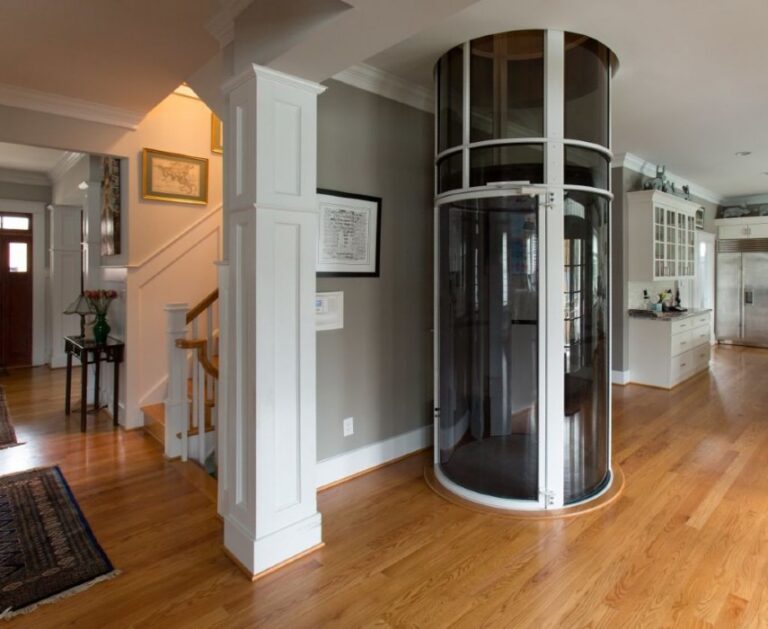
A pneumatic vacuum elevator is inspected differently from a conventional hydraulic system or traction elevators because the equipment itself is different.
A pneumatic elevator uses air pressure and gravity to move between floors. PVE models are self-supporting and do not require a traditional elevator shaft, pit, or separate machine room.
That changes what the inspector has in front of them. Instead of inspecting a hydraulic cylinder, oil reservoir, traditional machine room, or cable-and-counterweight system, the review focuses on the components used by the pneumatic system.
That can include:
- Landing doors and interlocks
- Elevator controls
- Electrical protections
- The self-supporting structure
- Machinery and air-pressure components
- Emergency and controlled-descent functions
- Required labels and operating information
The absence of a traditional pit or machine room does not eliminate the inspection requirement. It simply means the physical inspection looks different.
What Happens If the Elevator Doesn’t Pass?
A failed inspection doesn’t automatically mean there is something seriously wrong with the elevator. An inspector may identify a missing document, adjustment, labeling issue, electrical correction, or component that needs attention before approval.
The inspection report should identify the deficiencies that need to be corrected. From there, the elevator contractor or appropriate licensed professional makes the required repairs. Timely repairs help protect occupants from injury and prevent costly breakdowns. A follow-up inspection or verification may then be required.
Whether the elevator can be used in the meantime depends on the nature of the deficiency and the local authority’s rules. A serious safety concern can keep an elevator out of service until the problem is resolved.
For a brand-new installation, it is safest to assume the elevator should not be put into normal use until the required final approval has been issued.
How Often Does a Home Elevator Need an Annual Inspection?
There is no nationwide answer. Some jurisdictions require recurring inspections. Others treat elevators in owner-occupied single-family homes differently from elevators in apartment buildings, commercial properties, or other settings. In maryland, for example, rules can differ from nearby jurisdictions depending on how a private-residence elevator is classified.
That makes online statements such as “every home elevator needs an annual inspection” misleading. In DC, elevators are generally subject to a Category 1 inspection every 12 months. In Pennsylvania, certain elevators must be inspected every six months. In Virginia, annual inspections are required, and they are performed by local certified elevator inspectors.
Your inspection schedule can depend on:
- Where you live
- How your state classifies private-residence elevators
- The elevator type
- Whether the equipment has been altered or relocated
- Local amendments to adopted codes
Maintenance is a separate issue. Even when a jurisdiction does not require an annual government inspection, the elevator still needs appropriate service. PVE’s guide to residential elevator maintenance and service schedules explains what ongoing maintenance typically involves and when professional service may be appropriate.
How Can Homeowners Prepare for an Inspection?
You shouldn’t try to inspect or repair elevator equipment yourself, but you can make the appointment easier.
Before the inspector arrives:
- Keep the elevator and landing areas clear.
- Make sure access to equipment is not blocked by storage or furniture.
- Gather permits, installation records, manuals, service documents, and any current inspection certificate if one exists.
- Let the elevator contractor know about any unusual noises, door problems, warning lights, nonworking emergency lighting, visible oil leaks, or other operating issues.
- Confirm that all equipment is functioning properly before the appointment, without attempting any DIY adjustments.
- Confirm who needs to be present for required testing.
Avoid making last-minute mechanical or electrical adjustments on your own. Elevator systems contain regulated safety equipment, and DIY fixes can create bigger problems than the one you were trying to solve.
Home Elevator Inspection Checklist
For homeowners, the useful checklist is pretty short:
Before installation
- Confirm local permit and inspection specific requirements set by the local authority.
- Ask who will arrange the final inspection.
- Find out whether a licensed mechanic must attend.
Before the appointment
- Clear the elevator and landing areas.
- Organize required documents, including maintenance records.
- Confirm access to the elevator equipment.
- Report known operating issues to the installer.
After the inspection
- Keep a copy of the inspection report.
- Complete any required corrections.
- Confirm whether a reinspection is needed.
- Keep the final approval, certificate, and related documentation with your elevator records.
Those records can matter later if you sell the home, modify the elevator, change service companies, or need to document previous work.

Frequently Asked Questions About Home Elevator Inspections
Does every home elevator require an inspection?
Requirements depend on the jurisdiction. New installations commonly require an acceptance or final inspection, but recurring inspection rules vary. Some states exempt elevators in owner-occupied single-family homes from periodic inspections while still requiring inspection after installation or major alterations.
Can my regular home inspector inspect the elevator?
A general home inspector may note visible concerns, but an official elevator code inspection usually requires an inspector who meets specific elevator-industry or jurisdictional qualifications. Buyers purchasing a home with an elevator may want a separate elevator specialist to evaluate the equipment, since a general home inspector typically does not assess elevator-specific code requirements.
How long does a home elevator inspection take?
There is no reliable national time estimate. Inspection length depends on the elevator design, number of stops, required testing, documentation, and whether the inspector finds issues that need additional review.
What does a home elevator inspection cost?
Fees vary widely by state, municipality, inspection provider, elevator type, and required testing. In some cases there may also be costs associated with having a mechanic present. Ask the local authority and your elevator contractor for the applicable fees before scheduling.
Does an elevator need another inspection after being moved?
Often, yes. Relocating an elevator can be treated as a new installation or alteration under local rules. That can trigger permits, testing, and another inspection before the elevator returns to service. Pneumatic elevators can offer more placement flexibility than many traditional systems because of their self-supporting design, but any relocation should be planned with the installer and local authority before work begins.
What should I do if I’m unsure about the inspection rules in my area?
Start with your local building department, elevator inspection authority, or, depending on the jurisdiction, a state inspector. Your installer or elevator company can often help coordinate inspection, testing, paperwork, and scheduling. Your PVE dealer or installer can also help identify the agencies involved in your project and the documents needed for approval.
Local rules win here. A requirement that applies to a residential elevator in one state may not apply to the same installation across the state line.
Planning a Home Elevator Installation?
Inspection requirements can vary by location, elevator type, and project scope, so it helps to plan ahead to maintain compliance through installation, inspection, and ongoing service. A PVE dealer can help you understand the installation process, local requirements, and which home elevator model may fit your space.
Talk to a PVE Home Elevator Consultant
Some manufacturers or service providers, such as TK Elevator, may also offer pre-inspection guidance and maintenance support depending on the equipment involved.
Was this article helpful?


Get in touch to schedule a call back
One of our lift experts will answer all of your questions.
Prefer to talk now? (877) 691-0357