

Home Elevator Myths: 7 Common Misconceptions Debunked

On this page
Key Takeaways
- Modern home elevators don’t rely on a single rope. Traction systems use multiple independent steel cables, and pneumatic systems use air pressure, both with layered safety brakes that prevent free fall.
- Elevator doors cannot open to an empty shaft under normal conditions. Interlocks keep landing doors locked unless the cab is aligned at the floor.
- A home elevator can add to resale appeal, not reduce it, and shaftless systems like PVE’s install without a pit or machine room, usually in days.
- Pneumatic home elevators are energy-efficient, especially on descent, and are engineered to descend safely during a power outage rather than trap riders.
- Home elevators are no longer only for seniors or luxury buyers. Modern designs serve accessibility, convenience, and architectural goals at a range of price points.
Why These Myths Still Stick Around
Most people picture the same thing when they hear “elevator”: a steel box dangling from one fraying cable in an action movie. The scene makes for good cinema. It has almost nothing to do with the reality of a modern home elevator.
At Pneumatic Vacuum Elevators (PVE), we design and manufacture air-driven, panoramic residential elevators. In customer consultations we hear the same concerns repeatedly. Will the rope snap? Will it get stuck in a storm? Will installation tear the house apart? Will it ruin our resale value?
A modern home elevator is a compact, code-compliant system, not the noisy, cable-only equipment from decades past. Shaftless and vacuum-powered designs now look and operate nothing like a freight lift from the 1980s. This article tackles seven specific myths covering safety, resale value, installation, energy use, cost, and who home elevators are actually for.
TL;DR: Properly installed, code-compliant home elevators are safe, energy-efficient, and often add to a home’s usability and value.
Myth 1: “Elevators Are Held Up by One Rope That Could Snap”
This is one of the most persistent misconceptions in the industry, and it comes straight from movies. The image of a fully loaded car hanging by a single frayed cable makes for great cinema. It has no basis in how modern elevators actually work.
Conventional traction elevators use multiple steel cables, typically four to eight, each independently rated to support more than the weight of a fully loaded cab. Simultaneous failure of all of them, under proper maintenance, is extraordinarily rare.
Pneumatic home elevators like PVE models don’t depend on cables at all. Air pressure inside a sealed tube moves the cab upward. Mechanical safety brakes lock the cab if it ever moves outside its designed speed. Modern residential elevators meet strict safety codes including ASME A17.1, with overspeed governors and automatic brakes mandated as standard.
Routine inspections, typically annual, and professional servicing at manufacturer-specified intervals further reduce an already small risk of mechanical failure. If you want a closer look at the mechanics, our breakdown of how a vacuum elevator works covers every layer of the system.
Myth 2: “Elevator Doors Can Open to an Empty Shaft or Between Floors”
The fear is vivid: the doors open and you’re staring into a dark, empty shaft. In reality, elevator doors cannot open between floors without a serious malfunction, and multiple safety systems exist specifically to prevent that scenario.
Modern elevator doors are interlocked. The landing doors on each floor and the doors on the cab itself require a secure electrical and mechanical circuit before they’ll release. If the cab is not aligned at a landing, there is no signal allowing those doors to unlock.
If an elevator stops between floors during a rare fault, the doors stay locked. Riders should press the alarm button or use the in-cab phone rather than attempt to force the doors open.
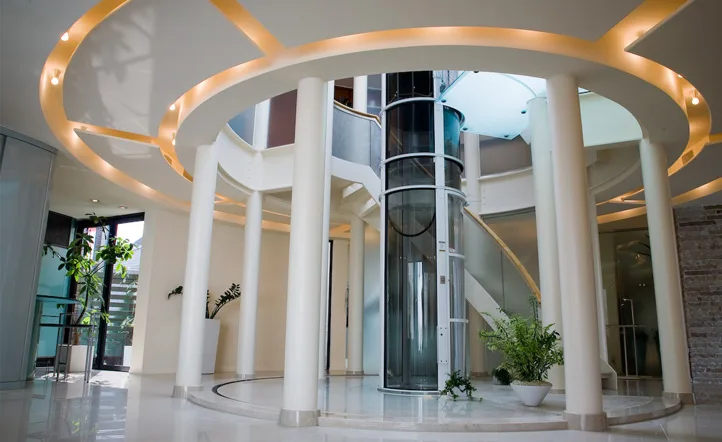
Pneumatic home elevators remove the concept of a hidden shaft entirely. The transparent polycarbonate tube means riders can see their surroundings at all times, which also tends to reassure anyone with elevator-related anxiety.
Myth 3: “A Home Elevator Will Devalue My Home”
Some homeowners worry a residential elevator will make their property feel too specialized. The opposite is usually true. Home elevators are generally treated as a premium home improvement, similar to how buyers view a renovated kitchen or a primary-suite expansion.
Appraisal and resale impact depends heavily on local market, home type, and how well the elevator is integrated into the home’s design. In multi-story homes, particularly in luxury and aging-in-place markets, a well-installed elevator is increasingly viewed as a desirable feature rather than a liability.
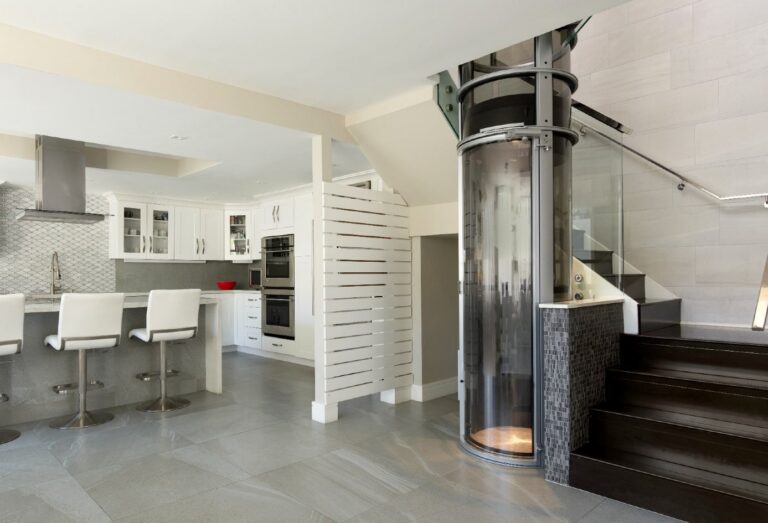
The key is integration. If the cab’s finishes, lighting, and placement feel like an afterthought, the elevator reads as a medical device. If they’re integrated with the home’s interior design, the elevator reads as architecture. PVE’s panoramic, shaftless design makes integration easier because the transparent cylinder already functions as a visual feature rather than a hidden utility.
Our deeper discussion of how a home elevator affects property value covers the appraisal and resale picture in more detail.
Myth 4: “I Need a Deep Shaft, Pit, and Machine Room for a Home Elevator”
Traditional elevators often need extensive building modifications: a concrete shaft, a pit below the lowest landing, headroom above the top floor, and a separate machine room. For most existing homes, that’s enough construction to kill the project.
But not every home elevator requires those modifications. Shaftless systems, including PVE’s vacuum elevators, eliminate the pit, machine room, and large overhead clearance. In most cases you need a flat floor, a standard ceiling height of at least 96 inches, and an opening cut between floors.
Shaftless and pneumatic designs fit into compact footprints, which makes retrofits in older homes realistically achievable. If you’re weighing a conventional shaft-based system against a shaftless alternative, a PVE dealer can review your floor plans and suggest optimal placement.
For a fuller picture, our guide to shaftless home elevators walks through how they work and when they fit.
Myth 5: “Home Elevators Will Triple My Electric Bill”
The concern comes from imagining an elevator as always-on equipment, like a water heater or an HVAC system. Residential elevators don’t work that way.
The motor only runs while the cab is moving. Between trips, the system draws essentially nothing. Pneumatic, air-driven systems are especially efficient. They use electrical power mainly during ascent, while descent relies on gravity and controlled air release rather than motor power.
In a typical household use pattern, operating cost is a rounding error in a monthly electric bill, not a line item you’d notice. For specific energy consumption figures on a particular model, ask your dealer for the manufacturer’s published data.
Myth 6: “I’ll Get Stuck Inside During a Power Outage”
This is the question we hear most often from buyers who live in storm-prone regions. It’s a fair concern, and the honest answer is that modern residential elevators are engineered specifically for this scenario.
PVE pneumatic systems descend using gravity, not motor power. If the power fails, the system switches to a slow, controlled descent that lowers the cab to the lowest landing and allows the rider to exit. There’s no battery dependency and no stuck-between-floors scenario under normal conditions.
Cabins are also well-ventilated. There is no oxygen concern during the brief time it takes to descend, even in the rare case of a delayed exit.
For storm-prone homeowners, this is often a decisive feature in favor of pneumatic over conventional electric systems.
Myth 7: “Home Elevators Are Only for Seniors or Wheelchair Users”
Accessibility matters, and it’s a legitimate reason many buyers invest in a home elevator. PVE offers wheelchair-accessible configurations in the PVE52 model specifically for this purpose. But accessibility isn’t the only use case.
Younger families use home elevators to carry groceries, strollers, laundry, luggage, and furniture between floors, reducing both daily strain and the real risk of a fall on stairs. Multigenerational households use them to make a shared home work across three or more generations. Design-forward homeowners install them as architectural features.
Residential elevators are also available at a range of price points and configurations. The right model depends on who’s riding, what they’re carrying, how many floors you’re connecting, and your home’s layout. For a breakdown of what drives price, our home elevator cost guide walks through the full picture.
If you’re building or remodeling now, consider pre-planning for an elevator even if you don’t install one immediately. A stacked-closet layout gives you the option later, when life circumstances or mobility needs change.
Myth 8 (Bonus): “Home Elevators Take Weeks to Install and Destroy My House”
The idea that installation means months of exposed framing and constant construction dust keeps many homeowners from even requesting a quote. The process is far less disruptive than most people imagine.
PVE’s vacuum home elevators are typically installed in two to three days once site preparation is complete. The elevator arrives in modular sections, factory-tested, and is assembled inside the home with far less structural disruption than a full shaft build.
The total timeline from first consultation to first ride is generally four to seven weeks, but most of that time is manufacturing, permitting, and scheduling, not active construction in your home. Traditional shaft-based systems typically run eight to twelve weeks and involve significantly more intrusive work.
Before signing any contract, ask the elevator company for a step-by-step timeline and a clear statement of which areas of the home will be affected. The full picture of home elevator installation timelines is worth reviewing before you commit.
Frequently Asked Questions
How much weight can a typical home elevator safely carry?
Most residential elevators are rated between roughly 350 and 1,000 pounds depending on the model and whether it’s wheelchair-accessible. PVE’s lineup ranges from the single-passenger PVE30 at 350 pounds to the three-passenger PVE52 at 525 pounds. An overloaded elevator doesn’t fall. The system refuses to operate rather than risk the trip.
What kind of maintenance does a modern home elevator need?
Routine maintenance for most residential elevators is limited to annual inspections. Pneumatic vacuum elevators have fewer moving parts, no lubricated cables or pistons, which typically translates to lower long-term service costs than traditional systems. A maintenance plan with an authorized dealer ensures safety systems, doors, and communication devices are checked on schedule.
Can children safely use a home elevator by themselves?
Modern home elevators include interlocks, obstruction sensors, and emergency controls. Adult supervision is still recommended for young children. Basic rules apply as they would with any home appliance: no jumping, no blocking doors, no playing with buttons. Some systems offer keyed operation for added parental control.
Is it realistic to retrofit a home elevator into an older house?
In many cases, yes. The ease depends on the home’s layout, floor structure, and ceiling heights. Compact, shaftless home elevators are often chosen for retrofits because they require minimal structural change, no pit, no machine room. A dealer site visit confirms whether the home can accommodate the installation before you order.
What happens if I’m inside during a power outage?
Pneumatic home elevators are specifically engineered to descend safely during a power loss. The cab lowers to the lowest landing using gravity and controlled air release, and the doors open for the rider to exit. Riders should stay calm, avoid trying to force doors open, and use the in-cab phone or alarm button if anything unexpected occurs.
Still hearing myths that don’t match what you’re reading here? The best way to separate fact from fiction for your specific home is a conversation with an authorized PVE dealer. Find a PVE dealer near you and ask the questions you’ve been sitting on.
Was this article helpful?


Get in touch to schedule a call back
One of our lift experts will answer all of your questions.
Prefer to talk now? (877) 691-0357