
- Key Takeaways
- What Is the Typical Home Elevator Installation Timeline?
- Installation Timeline Comparison Table
- What Actually Happens During a Home Elevator Installation?
- What Affects Home Elevator Installation Time?
- Installation Timelines by Elevator Type
- How Disruptive Is Home Elevator Installation?
- Which Home Elevators Install the Fastest?
- Ways to Speed Up the Home Elevator Installation Process
- Common Delays Homeowners Don’t Expect
- Frequently Asked Questions
- Conclusion: How Long To Install A Home Elevator
Key Takeaways
- Traditional hydraulic elevators often require the longest installation timelines due to shaft construction, pits, machine rooms, and additional inspections.
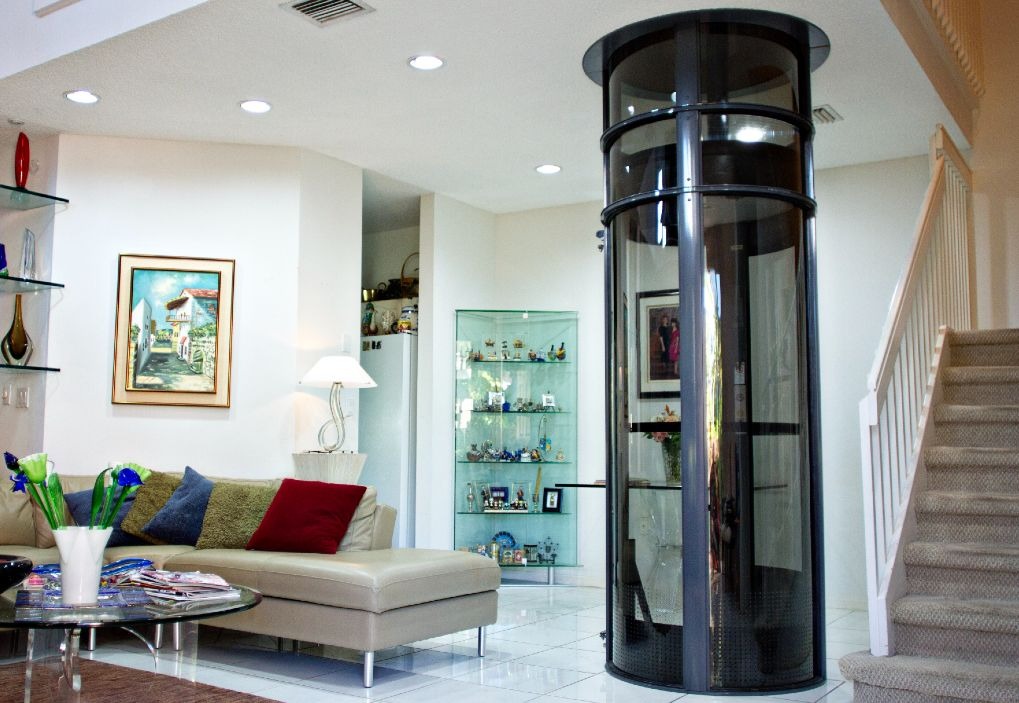
- PVE pneumatic home elevators can often be installed in just 2–3 days once the site is prepared, with less construction and no need for a pit or separate machine room.
- The full project timeline usually includes permitting, manufacturing, site preparation, installation, and final inspections; not just the physical installation itself.
- The overall schedule can vary depending on the elevator type, number of floors, structural modifications, and local permit approvals.
What Is the Typical Home Elevator Installation Timeline?
Installing a home elevator can take anywhere from a few days to several weeks. The timeline depends on the elevator system, the amount of construction required, and whether the elevator is being added during new construction or retrofitted into an existing home. Some home elevator installation projects can be completed in as little as 2 to 3 days, while others may require several weeks of site preparation, construction, inspections, and customization options.
When homeowners search how long does it take to install a home elevator, they’re usually thinking about more than just the timeline. They also want to understand how disruptive the process will be, whether floors or building structures need to be modified, and how quickly the home can return to normal.
The right elevator models can significantly reduce construction time, especially in existing home projects where space, site conditions, and the home’s layout all influence the overall process. Modern elevator systems now offer more flexibility, with some requiring far less construction work than traditional elevator pit and machine room designs.
In this guide, we’ll break down the typical installation timeframe, explain the factors that influence how long the entire process takes, and compare how different elevator systems vary depending on construction requirements, customization, and site preparation needs.
Installation Timeline Comparison Table
Recommended chart:
| Elevator Type | Typical Install Time | Pit Required | Machine Room | Best For |
| Pneumatic | 2–3 days | No | No | Existing homes |
| Shaftless | Several days | No | No | Small homes |
| Traction | 1–3 weeks | Sometimes | Sometimes | Larger homes |
| Hydraulic | 2–4 weeks | Yes | Yes | Maximum capacity |
What Actually Happens During a Home Elevator Installation?
Knowing what to expect before installation begins can help homeowners feel more prepared throughout the entire process. While every project is different, most home elevator projects follow a similar installation process from planning and site preparation to inspection and final operation.
In many cases, preparing the house takes longer than installing the elevator itself. Factors such as site conditions, elevator models, permitting, and customization options can all affect the project timeline.
1. Site Evaluation and Planning
The first step in a typical setup is evaluating the home’s layout, elevator dimensions, and determining the right elevator location. During this phase, the elevator provider or builder will review:
- Available space between floors
- Structural requirements
- Electrical access
- Ceiling height and floor openings
- Accessibility and safety needs
For existing home projects, this step is especially important because installers must determine how to accommodate the elevator system while minimizing construction changes and disruption to daily life.
2. Permits and Approvals
Most elevator systems require permits and inspections based on local building codes.
Depending on the location, this stage may involve:
- Building permits
- Electrical permits
- HOA approvals
- Inspection scheduling
Permit approvals can sometimes add days or weeks to the entire process depending on local requirements and inspection availability.
3. Preparing the Installation Area
Before the elevator can operate safely, the installation area must be prepared based on the type of system selected.
Site preparation may include:
- Floor openings between levels
- Electrical wiring and dedicated power connections
- Structural reinforcement
- Elevator pit preparation for hydraulic systems
- Space preparation for compact or shaftless models
Some modern elevator systems are designed to reduce the amount of pre-construction work required, making them easier to install in an existing home.
4. Residential Elevator Installation and Assembly
Once the area is ready, the actual process begins. This is when the installation team assembles and installs the elevator equipment inside the home.
Depending on the elevator system, this phase may include:
- Elevator assembly
- Cab installation
- Electrical connections
- Safety setup and inspection
- Final testing and adjustments
Some pneumatic elevator models can be installed in just one week, or even just one day for certain straightforward projects, because they require far less structural work than traditional hydraulic systems.
5. Final Inspection and Testing
After installation is complete, the system is tested to ensure safe and reliable operation.
This final stage may include:
- Safety inspections
- Operational testing
- Door and leveling checks
- Homeowner walkthrough and training
Once inspections are approved, the home elevator is ready for regular use. Elevator inspections typically involve checking the electrical components to ensure they meet safety regulations, which is often conducted by local or state inspectors.
What Affects Home Elevator Installation Time?
Several factors can affect how long it takes to install a home elevator. While some projects move quickly, others require additional planning, construction, or approvals that extend the timeline.
Some delays are predictable, while others depend on the home’s condition, local permitting, and the type of elevator being installed.
| Factor | Potential Impact on Timeline |
| Permit approvals | Days to weeks |
| Structural modifications | Several days to weeks |
| Electrical upgrades | Several days |
| Custom finishes | Manufacturing delays |
| Inspection scheduling | Several days |
| Existing home limitations | Additional prep time |
Type of Home Elevator
The type of residential elevator chosen has one of the biggest impacts on elevator installation time.
Traditional hydraulic elevators often require:
- An elevator shaft
- A machine room
- A pit below the elevator
- More home modifications
Because of these requirements, hydraulic elevator timelines are typically longer.
Traction elevators also require additional space and construction planning due to their cable and counterweight systems.
Some modern home elevator systems, including pneumatic elevators, are designed to reduce construction requirements. These systems often have a faster timeline because they may not require a pit, machine room, or full shaft construction.
Existing Home vs. New Construction
Installing a home elevator during new construction is usually simpler because the space can be planned into the layout from the beginning.
Installing an elevator in an existing home can take longer because installers may need to:
- Modify floors or ceilings
- Reinforce structural areas
- Adjust electrical systems
- Work around existing layouts and furniture
However, some compact elevators are specifically designed for existing home elevators and can minimize disruption during the process.
Permits and Inspections
Permit approvals are one of the most common causes of delays in home elevator installation projects.
Depending on local regulations, homeowners may need:
- Building permits
- Electrical permits
- Inspection approvals
- HOA approval in some communities
Inspection scheduling can also affect the overall timeline.
Electrical and Structural Requirements
Some homes may need additional electrical or structural upgrades before the construction begins.
Examples include:
- Dedicated electrical circuits
- Electrical panel upgrades
- Floor reinforcement
- Additional support framing
Older homes may require more preparation, especially during retrofit projects.
Customization and Design Choices
Custom finishes and accessibility features can also affect how long it takes to set up.
Additional features may also affect production and timelines depending on the model selected. These may include:
- Larger cab sizes
- Wheelchair accessibility modifications
- Custom materials or finishes
- Specialty doors or lighting systems

Installation Timelines by Elevator Type
Different types of home elevators have very different installation requirements. In many cases, the amount of construction involved has a bigger impact on the overall timeline than the setup itself.
These differences can significantly affect construction requirements, timelines, and overall disruption inside the home.
Pneumatic Elevators
Pneumatic elevators are often among the fastest home elevator systems to install. Because they use air pressure for operation, they typically require less construction than traditional elevators.
Many pneumatic elevator installation projects:
- Do not require a pit
- Do not require a separate machine room
- Require minimal structural work
- Can be installed in existing homes more easily
Some compact pneumatic home elevators can be installed in as little as 2 to 3 days once the installation area is prepared.
Shaftless Elevators
Shaftless elevators are another option designed to simplify residential elevator setup.
These systems are commonly used in:
- Existing homes
- Smaller homes
- Aging-in-place projects
- Limited-space installations
Because shaftless elevators typically require less construction than traditional systems, timelines are often shorter.
Hydraulic Elevators
Hydraulic elevators usually require the most preparation and construction work.
These systems often need:
- A full elevator shaft
- A machine room
- A pit below the elevator
- Additional structural reinforcement
As a result, hydraulic elevator project timelines can range from several weeks to over a month depending on the complexity of the project.
Traction Elevators
Traction elevators use cables, pulleys, and counterweight systems to move the elevator cab between floors.
While they may require less space than some hydraulic systems, traction elevator installation still typically involves:
- Shaft construction
- Structural planning
- Additional electrical work
- Longer project timelines than compact elevators
For many homeowners, traction elevator installation falls somewhere between pneumatic and hydraulic systems in terms of construction complexity and time.
How Disruptive Is Home Elevator Installation?
For many homeowners, this is the real concern: how long the house will feel like a construction zone. While some elevator projects involve significant construction, others are designed to minimize disruption to the home’s layout, floors, and daily life.
The level of disruption usually depends on:
- The type of home elevator system
- Whether the project is part of new construction or a retrofit
- The amount of structural work required
- The installation location and available space
Traditional hydraulic systems that require a shaft, elevator pit, or separate machine room often involve more construction time, noise, and preparation. These projects may require opening walls, modifying floors, or reinforcing structural areas to safely accommodate the equipment.
In contrast, some modern elevator systems are designed to simplify retrofit projects and reduce disruption inside existing homes. Compact elevators with smaller footprints may require less structural work, shorter project duration, and less invasive construction overall.
During the construction process, homeowners may experience:
- Temporary construction noise
- Contractor or installation team access throughout parts of the home
- Limited access to certain rooms or floors
- Minor dust and debris during site preparation
- Equipment delivery and setup near the installation area
However, most homeowners can remain in the house during installation, especially for projects involving minimal construction. Some compact systems can even operate with less disruption than many common home remodeling projects.
For homeowners researching how long to install a home elevator, understanding how the process may affect daily life is often just as important as the overall installation timeline.
Which Home Elevators Install the Fastest?
For homeowners focused on minimizing construction time and disruption, pneumatic and shaftless elevators are typically the fastest options for existing homes because they require less structural work.
In general, home elevators with the following features tend to have shorter installation timelines:
- Less structural work required
- No separate machine room
- No pit excavation
- Smaller, compact footprints
These systems are often easier to install in existing homes and typically involve less disruption during the project.
Pneumatic elevators are often among the fastest to install because they require less construction than many traditional systems. In many cases, pneumatic elevator installation can be completed in just a few days once the space is prepared.
Shaftless elevators are also popular for existing home elevator projects because they usually require fewer structural modifications than hydraulic or traction systems.
Traditional hydraulic elevators generally take the longest to install because they often require:
- Full shaft construction
- Additional structural reinforcement
- A machine room
- More extensive electrical preparation
Ways to Speed Up the Home Elevator Installation Process
While some parts of the home elevator installation process are outside a homeowner’s control, there are several ways to help reduce delays and keep the project moving smoothly.
Choose the Installation Location Early
Deciding where the elevator will be installed early in the planning process can help avoid layout changes and structural adjustments later.
For existing home installations, selecting a location with easier access between floors may also reduce construction time.
Prepare Electrical Requirements in Advance
Many home elevators require dedicated electrical connections before installation begins.
Working with an electrician ahead of time can help avoid delays related to:
- Wiring updates
- Circuit installation
- Electrical panel upgrades
Finalize Design Choices Early
Custom finishes, larger cab sizes, and specialty features can sometimes extend manufacturing and timelines.
Finalizing details early helps prevent scheduling changes once the process has already started.
Work With Experienced Installers
An experienced elevator installer can help identify potential issues before construction begins and ensure the project stays on schedule.
This is especially important for existing home elevator installation projects where structural limitations or layout challenges may affect installation time.
Complete Permits Before Installation Begins
Permit approvals are one of the most common causes of delays during residential elevator installation.
Submitting permits and scheduling inspections early can help reduce interruptions later in the project timeline.

Common Delays Homeowners Don’t Expect
Even when an installation is carefully planned, unexpected delays can sometimes affect the overall timeline.
Some of the most common issues include:
- Permit approval delays
- Inspection scheduling conflicts
- Electrical upgrades in older homes
- Structural surprises discovered during construction
- Shipping or product lead times
- Last-minute design or layout changes
Retrofit installation projects in existing homes may also take longer if installers encounter hidden plumbing, wiring, or framing challenges behind walls or between floors.
Planning ahead and working with experienced installers can help reduce many of these delays before the installation process begins.
Frequently Asked Questions
How long does it take to install a home elevator?
The average home elevator installation timeline can range from a few days to several weeks depending on the type of elevator, construction requirements, permit approvals, and whether the project is part of a retrofit or new construction.
Can a home elevator really be installed in 2 to 3 days?
Yes. Some pneumatic elevator models can be installed in as little as one day for straightforward projects, while more complex installations may take longer. Systems designed with simpler construction requirements typically install faster than traditional elevators.
Does installing a home elevator require major construction?
Not always. Some home elevators require shaft construction, pits, or machine rooms, while others are specifically designed to reduce structural modifications and simplify installation in existing homes.
Which type of home elevator installs the fastest?
Compact pneumatic and shaftless elevators are often among the fastest residential elevator systems to install because they typically require less construction and preparation work.
Can a home elevator be installed in an existing home?
Yes. Many modern home elevators are designed specifically for retrofit elevator installation projects in existing homes. The construction timeframe depends on the home layout and the amount of structural work required.
Can homeowners stay in the house during installation?
In many cases, yes. Most homeowners can remain in the home during installation, especially when the project involves minimal construction or compact elevator systems.
Will my floors need to be cut open?
Some home elevator systems require floor openings between levels, especially traditional shaft-based elevators. Other compact or shaftless systems may require less structural work depending on the home layout.
What part of home elevator installation takes the longest?
The longest part is often the preparation phase, including permits, electrical work, structural modifications, and inspection scheduling. The actual elevator installation may take less time once the space is ready.
Will installation affect my daily life at home?
In most cases, homeowners can remain in the house during the installation process. Depending on the elevator system and the amount of construction involved, there may be temporary noise, limited access to certain rooms or floors, and equipment delivery near the installation area.
Conclusion: How Long To Install A Home Elevator
How long it takes to install a home elevator depends on several factors, including the type of elevator, the amount of construction required, and whether the project is part of a new build or an existing home retrofit. While some traditional systems may take several weeks to complete, certain modern home elevators can be installed much faster with minimal disruption.
Installing a home elevator is about more than just timing. Homeowners also want to understand home elevator cost, how much construction is involved, how disruptive the process will be, and what to realistically expect before work begins. Working with an experienced elevator provider can also help simplify planning, permitting, and installation coordination throughout the project.
Many modern home elevators are designed to simplify installation, reduce construction requirements, and fit more easily into existing homes.