Skip to content >

Does a home elevator increase property value? The answer depends on the home, local market, installation quality, and buyer priorities. A residential elevator does not guarantee a specific increase in resale price, but it can make a multi-story home more appealing to buyers who value accessibility, convenience, aging in place, and long-term usability.
Buyers’ interest in home elevators is often tied to larger housing trends, including multigenerational living and the desire for homes that can adapt over time. For homeowners, the value is not only about resale. A home elevator can also make daily movement between floors easier, reduce reliance on stairs, and support independence for people with mobility needs.
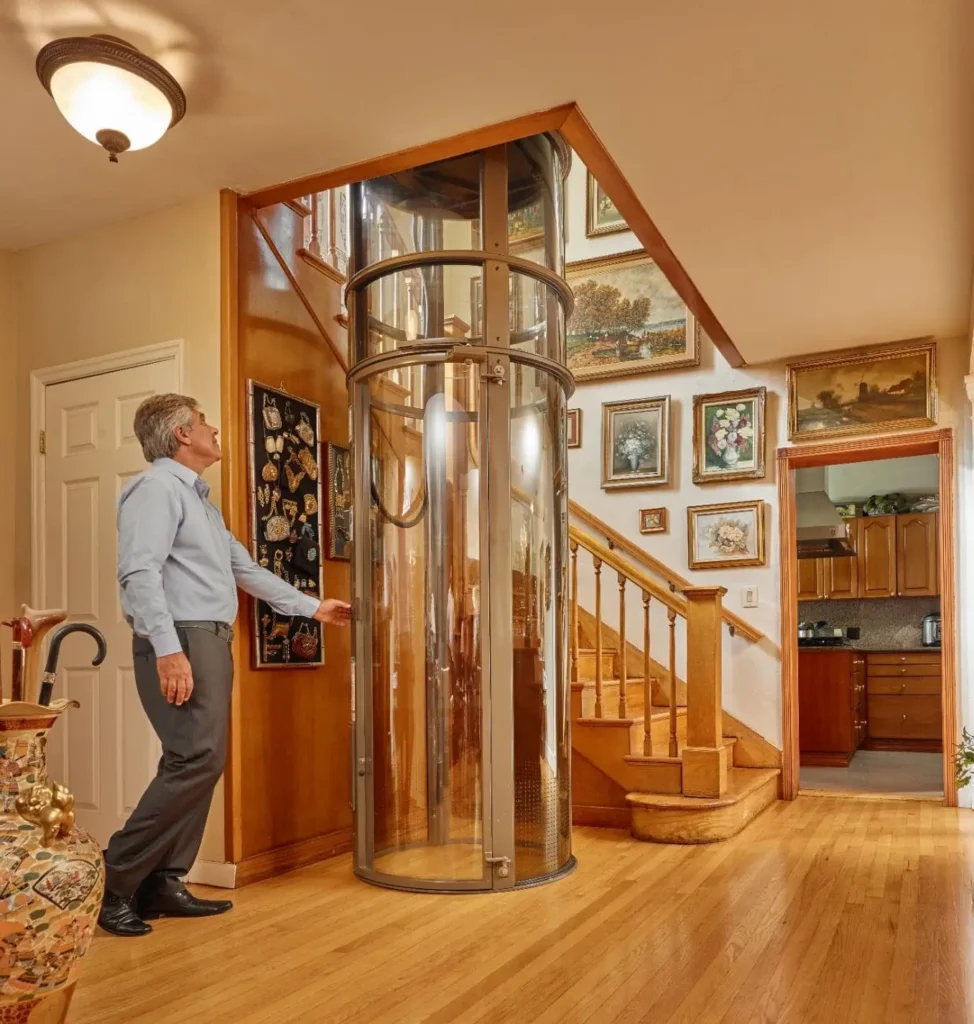
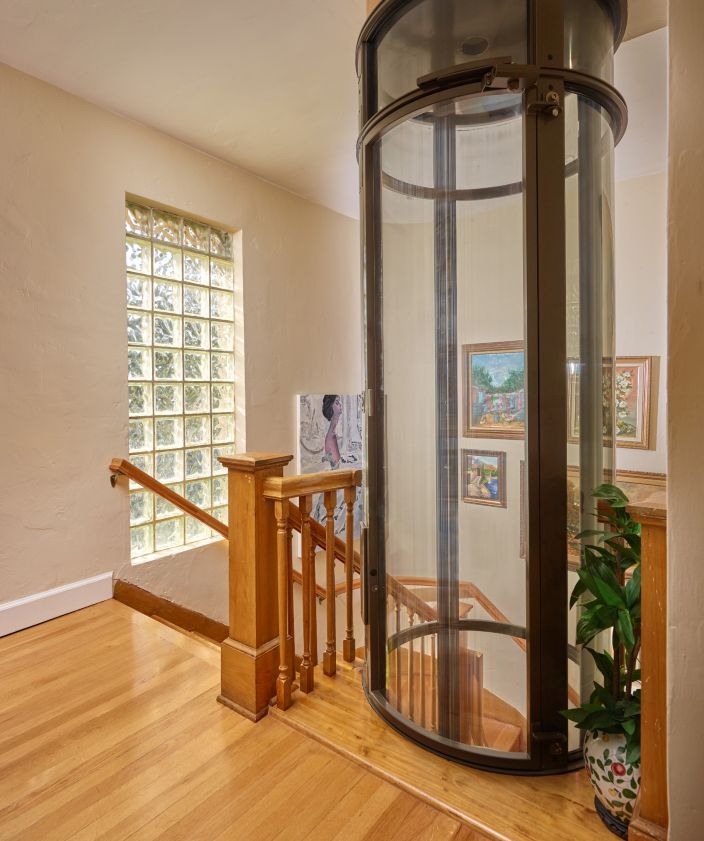
PVE pneumatic vacuum elevators can be especially relevant for existing homes because they are compact, self-supporting, and require no traditional shaft, pit, or machine room. This can make them a practical option for homeowners who want to improve accessibility and comfort without the construction needs of many traditional elevator systems.
In this guide, we’ll look at how a home elevator may influence property value, which factors matter most, and when an elevator can become a meaningful selling point for the right buyer.
Why Home Elevators Appeal to Today’s Buyers
A home elevator may strengthen buyer appeal in a multi-story home, especially when accessibility, convenience, and long-term usability are priorities. While an elevator does not guarantee a specific increase in property value, it can help a home stand out when buyers are looking for features that support mobility planning, or easier movement between floors.
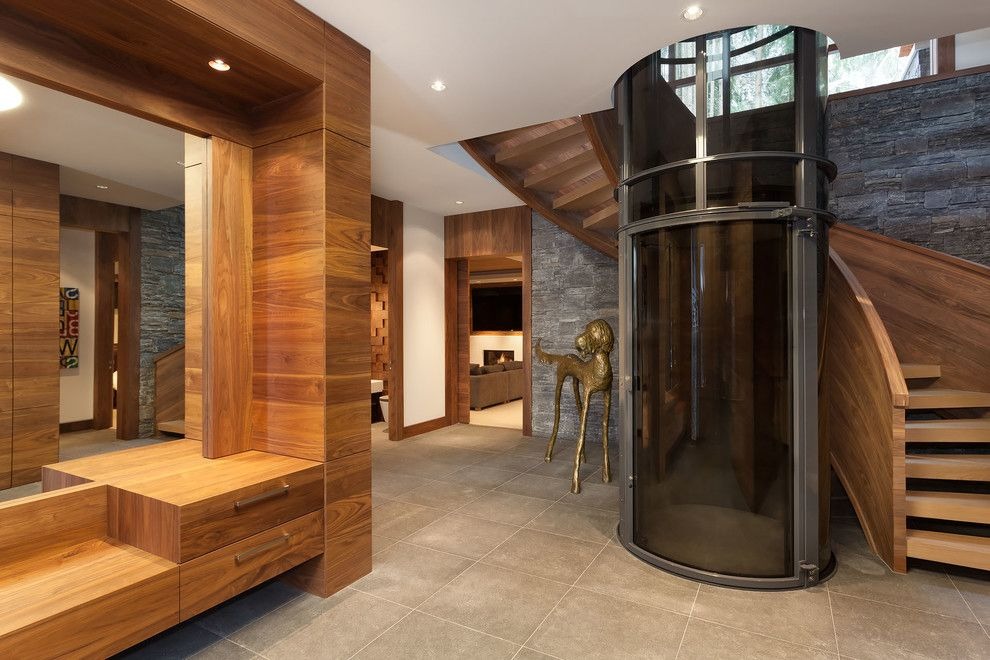
For luxury homes, a well-integrated elevator can support the overall design and function of the property. In standard multi-level homes, it can also be a practical feature that makes daily tasks easier, such as carrying groceries, laundry, luggage, or household items between floors.
The appeal often depends on the local market and buyer priorities. In areas with older homeowners, multigenerational families, or buyers planning for long-term accessibility, a residential elevator may be viewed as a meaningful upgrade. In other markets, its value may depend more on how naturally it fits the home’s layout, design, and overall condition.
A home elevator can improve how the home functions day to day by reducing reliance on stairs and making more of the house accessible over time.
Factors That Influence the Value Addition of Home Elevators
The value of a home elevator depends on more than the installation itself. Elevator type, home layout, local market demand, installation quality, and buyer priorities can all influence how the feature is perceived.
Type of Elevator:
Not every home elevator contributes to buyer appeal in the same way. The elevator type, footprint, finish, visibility, accessibility, and placement can all influence how buyers perceive the feature.
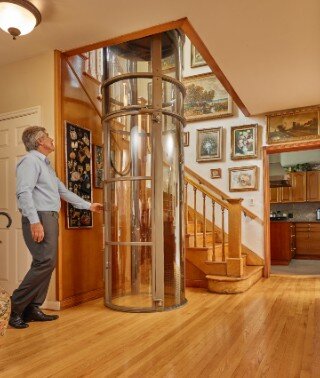
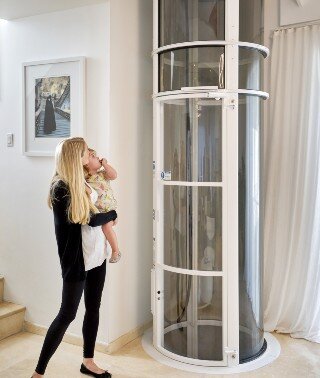
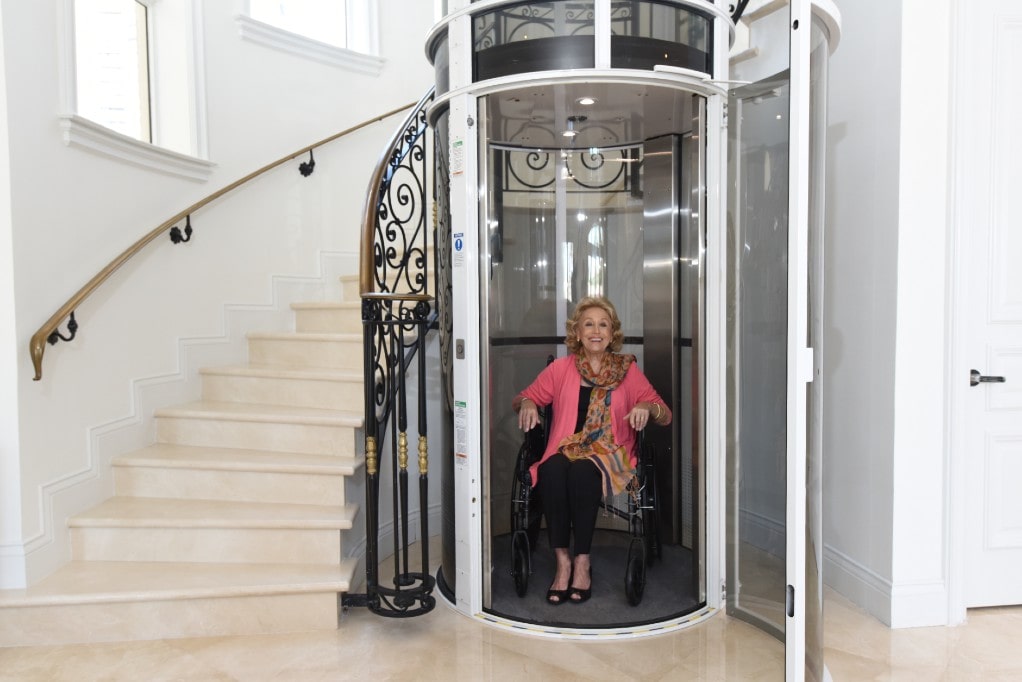
Pneumatic vacuum elevators can be especially appealing in existing homes because they are compact, self-supporting, and do not require a traditional shaft, pit, or machine room. PVE models such as the PVE30, PVE37, and PVE52 offer space-saving options for different passenger and accessibility needs, from single-passenger use to wheelchair-accessible travel.
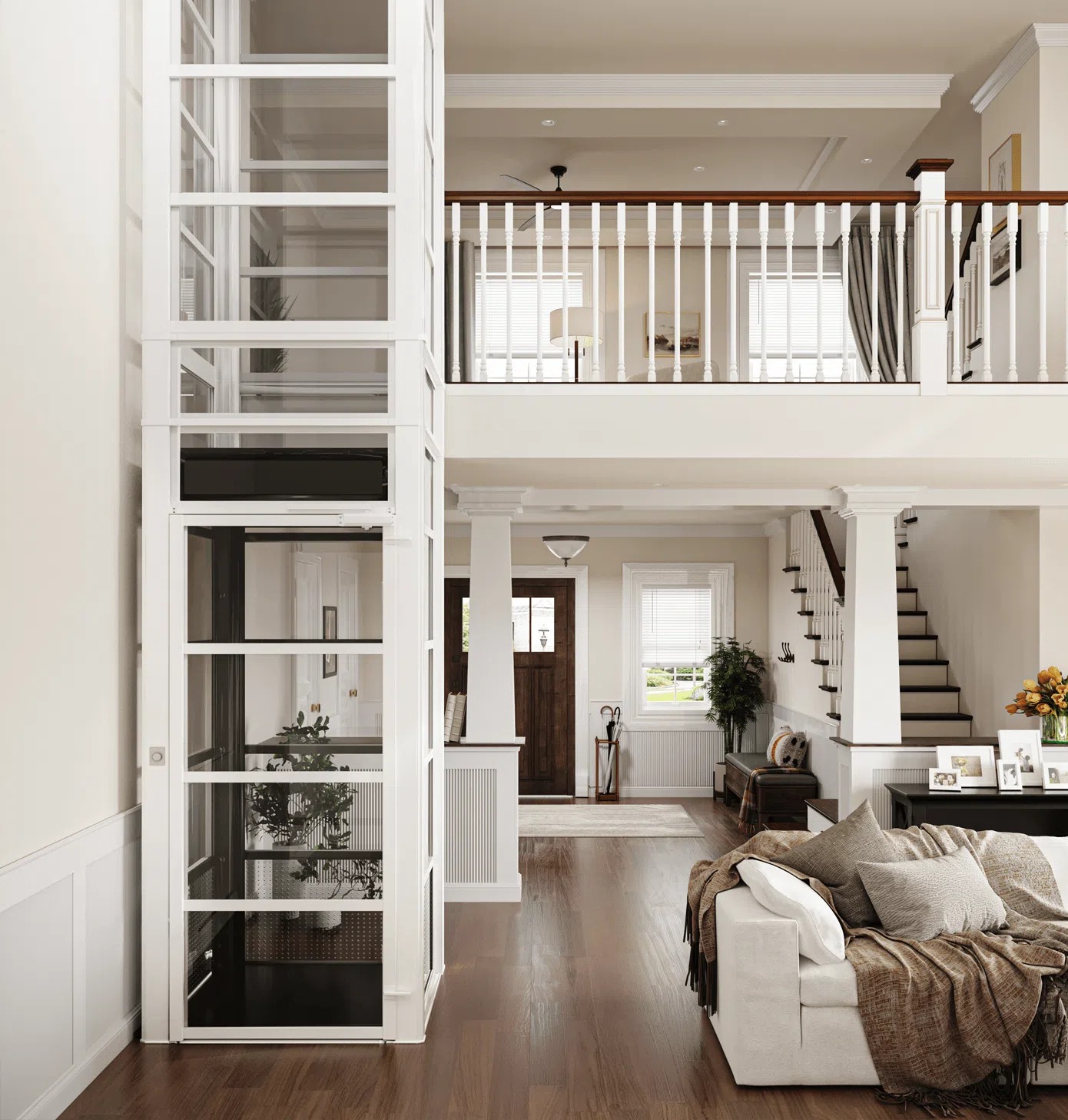
Traditional hydraulic elevators can also be reliable and functional, but they often require more construction planning, including a shaft, pit, and equipment space. The best option depends on the home’s layout, available space, design goals, and long-term accessibility needs.
Location and Market Trends:
A home elevator may have more resale appeal in markets where buyers prioritize accessibility, aging in place, luxury features, or multi-level home convenience. In some high-demand or urban areas, an elevator may help a multi-level home stand out. In other markets, the value may depend more on buyer demographics and whether accessibility features are a priority.
Installation and Maintenance Costs:
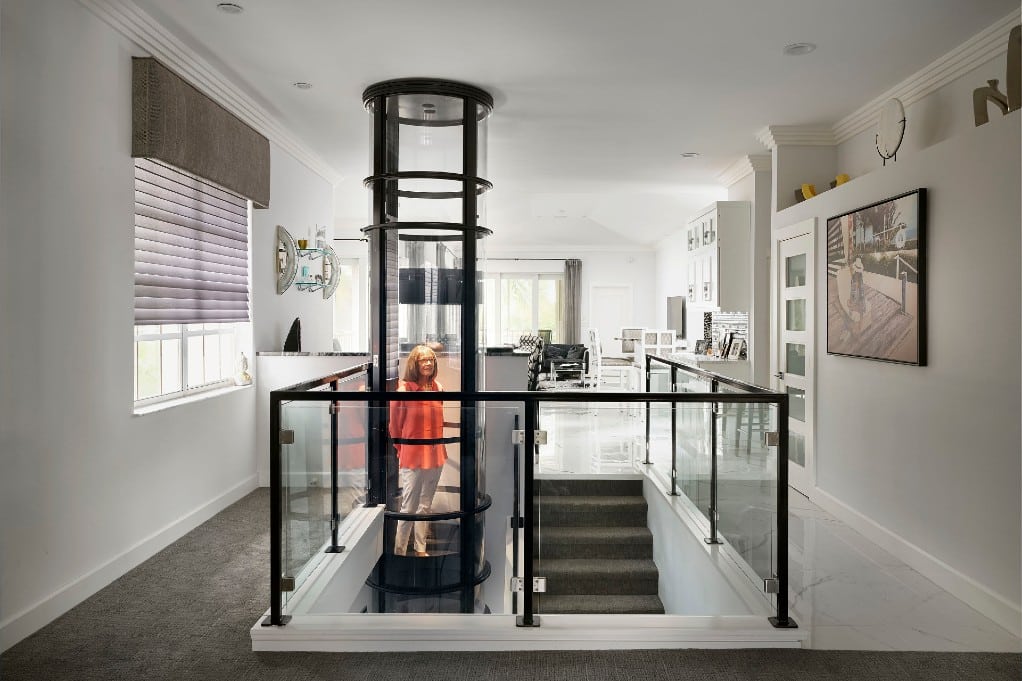
Installation quality and long-term maintenance can also influence value. Buyers may view a well-installed, properly maintained elevator as a useful feature, while a poorly planned installation may feel like an afterthought. Homeowners should consider how naturally the elevator fits the layout, whether it meets local requirements, and what maintenance will be needed over time.
Buyer Demographics and Preferences:
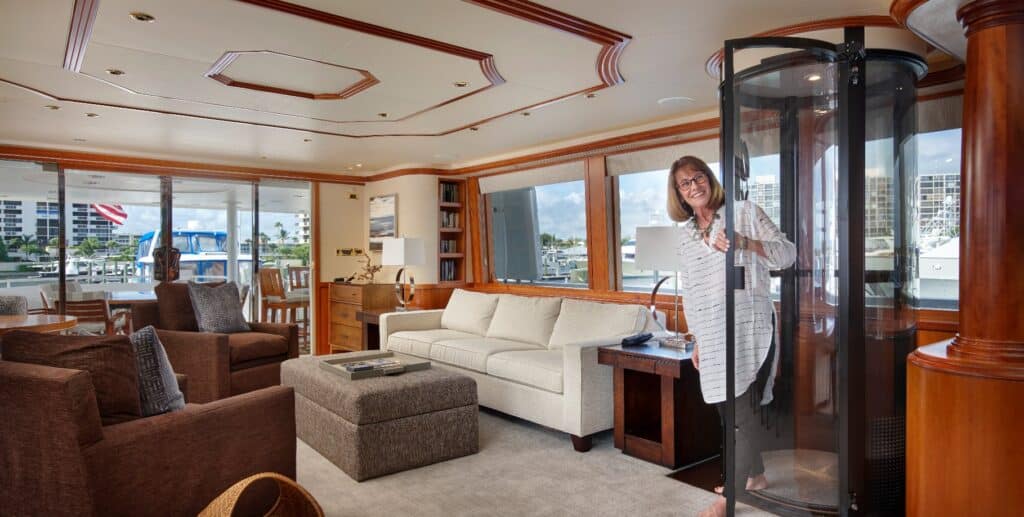
Different buyers value different features. Older adults, families planning for aging relatives, wheelchair users, and multigenerational households may place more value on a home elevator than buyers who do not need accessibility features. A home elevator can also appeal to buyers who want convenience in a multi-story home, especially when it is integrated cleanly into the design.
How Home Elevators Add Practical and Lifestyle Value
A home elevator may improve buyer appeal when it solves a practical need, fits the home’s design, and supports long-term accessibility. The impact on property value depends on the market, the home’s layout, and how well the elevator is integrated into the space.
Appealing to Buyers Who Value Convenience:
Upscale buyers often look for homes with thoughtful, modern features that improve daily living. A well-designed home elevator can support that expectation by making it easier to access every level of a multi-story home. Beyond function, the elevator’s design, finish, and placement can also contribute to the overall look and feel of the property.
Supporting Renovation Value:
For homeowners planning a major renovation, adding an elevator may strengthen the home’s long-term usability. It can support older adults, family members with mobility needs, and younger families planning for future accessibility. Rather than treating an elevator only as a resale feature, homeowners should consider how it improves the way the home works over time.
Improving Daily Function and Design Fit
A residential elevator can make a property more functional and easier to use. Customization options such as glass doors, modern controls, clean finishes, or compact pneumatic designs can help the elevator fit naturally into the home’s style. This can make the feature feel intentional rather than added as an afterthought.
Property Differentiation Through Accessible Technology:
A home elevator can help distinguish a multi-level property from others on the market by offering improved accessibility and convenience. For buyers with mobility concerns, aging-in-place goals, or multigenerational households, this kind of accessible technology may be an important selling point.
What Real Estate Professionals May Consider
Real estate agents and appraisers may look at a home elevator as part of the property’s overall layout, accessibility, and long-term usability. A well-integrated elevator can help a multi-story home stand out in listings, especially in markets where buyers value future accessibility features, luxury upgrades, or multigenerational living.
They may also consider whether the elevator was professionally installed, permitted where required, maintained properly, and documented for future buyers.
However, a home elevator does not add value in the same way for every property. Its impact depends on the local market, the quality of the installation, how naturally the elevator fits the home, and whether buyers see it as a practical feature rather than an afterthought.
Final Thoughts: Is a Home Elevator Worth It for Property Value?
A home elevator may increase property appeal, but its value depends on the home, local market, installation quality, and buyer priorities. For many homeowners, the benefit goes beyond resale. A residential elevator can improve accessibility, support aging in place, and make a multi-story home easier to use every day.
PVE pneumatic vacuum elevators can be a practical option for homeowners who want these benefits with a compact, self-supporting design that requires no traditional shaft, pit, or machine room.
When evaluating a home elevator, consider how it will improve daily use now, support accessibility over time, and fit the expectations of buyers in your local market.
FAQs:
Do home elevators increase property value?
A home elevator may increase property appeal, but the impact depends on the local market, home layout, elevator type, installation quality, and buyer priorities. In many cases, the strongest value comes from improved accessibility, aging-in-place support, and long-term usability.
What affectshow much value a home elevator add?
The value impact depends on the home’s layout, local real estate market, elevator type, installation quality, maintenance history, and buyer priorities. A well-integrated elevator is more likely to support buyer appeal than one that feels poorly planned or disconnected from the home’s design.
How does a home elevator add convenience?
A home elevator makes it easier to move between floors without relying on stairs. It can also help with everyday tasks like carrying groceries, laundry, luggage, or household items in a multi-story home.
Does a home elevator help with mobility?
Yes. A home elevator can improve access between floors for people with limited mobility, wheelchair users, older adults, and family members planning to age in place.
Can a home elevator reduce physical strain?
Yes. A home elevator can reduce the need to climb stairs or carry heavy items between floors. This may help limit strain on joints and muscles, especially for older adults or people with mobility challenges.
What are the benefits of a home elevator for older adults?
A home elevator can help older adults move more safely and comfortably between floors. It can support independence, reduce reliance on stairs, and make it easier to remain in a multi-story home longer.
What type of home elevator may appeal to buyers?
Buyers may respond well to an elevator that fits naturally into the home’s layout and design. Compact pneumatic vacuum elevators can be especially appealing in existing homes because they are self-supporting and require no traditional shaft, pit, or machine room.