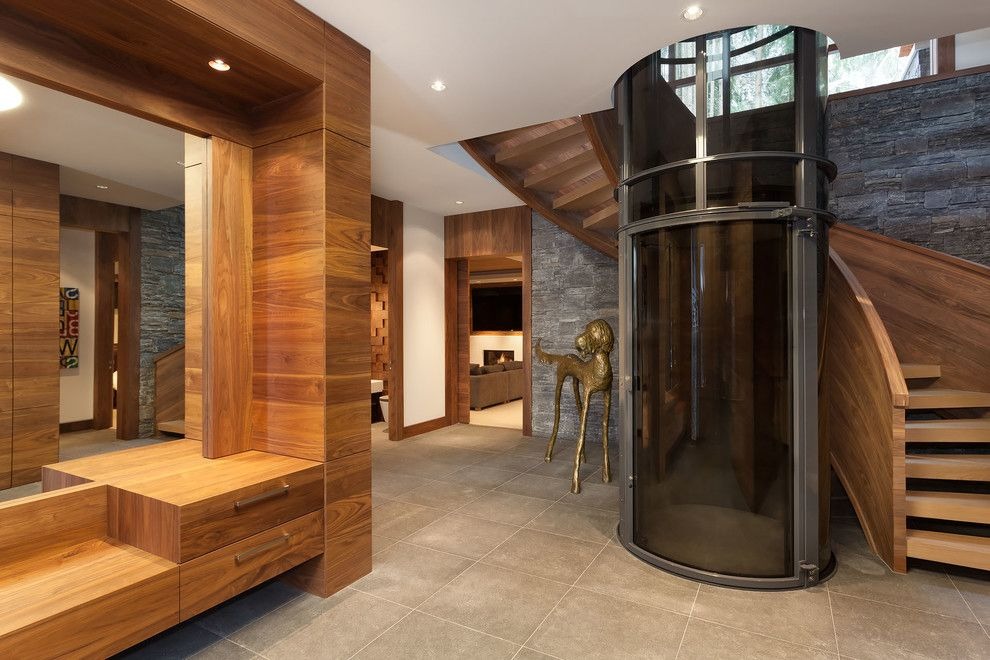
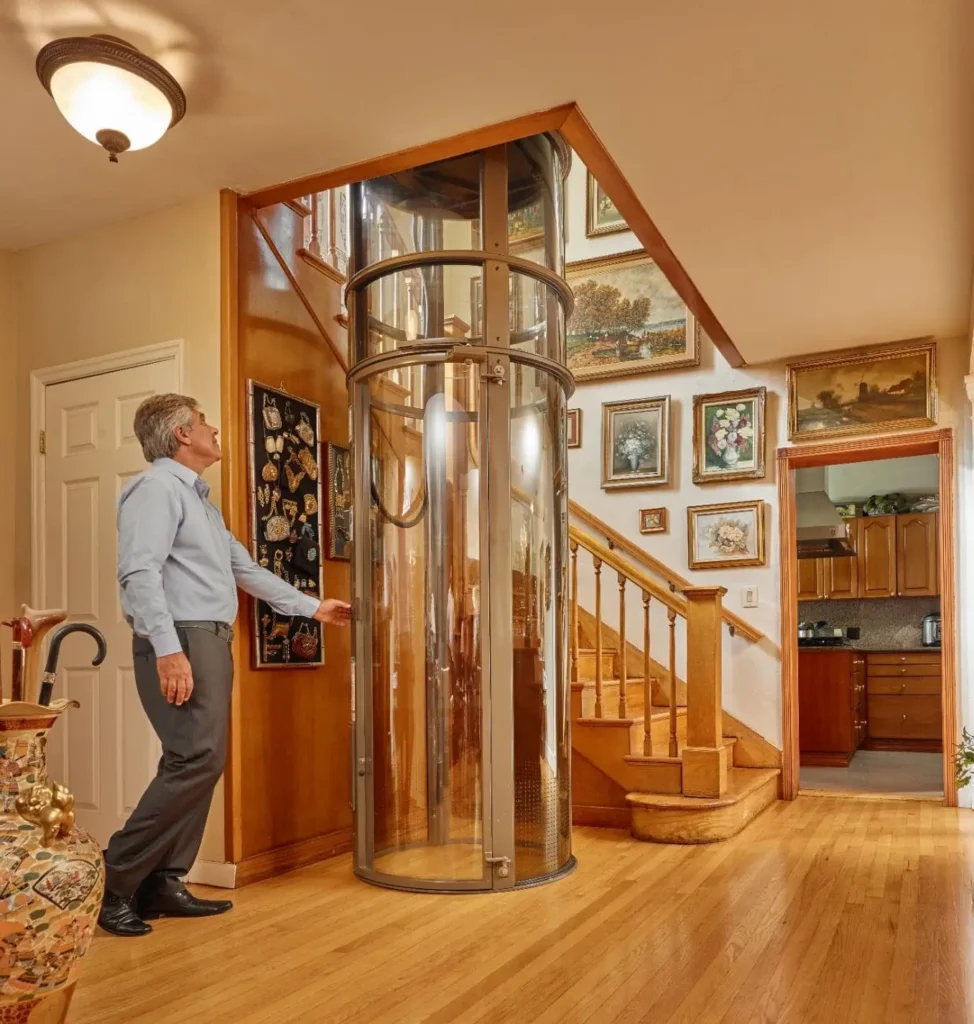
Skip to content >

- Why Seniors Choose Home Elevators
- How Much Space Do Home Elevators Take Up?
- Home Elevators vs Stair Lifts
- Home Elevator Drive Systems for Seniors
- Best Elevator Types for Seniors
- Benefits for Family Members and Caregivers
- What Seniors Should Look for in a Home Elevator
- Installation and Costs: What Seniors Need to Know
- Financial Considerations for Seniors
- Home Elevator Maintenance and Long-Term Reliability
- Basic Troubleshooting Tips
- Long Term Planning for Aging in Place
- Choosing the Right Home Lift for Seniors
- Conclusion: Supporting Safe and Independent Living
- Frequently Asked Questions About Home Elevators for Seniors
Home elevators for seniors are becoming an increasingly important part of aging in place safely and comfortably. For older adults with mobility limitations, stairs can create daily challenges and increase the risk of falls, especially in multi-story homes.
Modern residential elevators provide a safer, more convenient way to move between floors while supporting long-term independence, accessibility, and quality of life. Many systems are now designed specifically for residential use, offering compact footprints, smooth operation, and easier installation in both new and existing homes.
In this guide, we’ll explain how home elevators help seniors age in place, compare elevator types, review important safety features, and outline what homeowners should consider before installation.
Why Seniors Choose Home Elevators
Nearly 77% of adults age 50 and older want to remain in their homes as they age. For many seniors, home elevators provide a safer and more convenient way to maintain independence and continue using every level of the home comfortably.
A home elevator for seniors is a residential mobility solution designed to safely move individuals between floors while accommodating mobility aids such as walkers, wheelchairs, or scooters. Unlike stair lifts, home elevators provide full-cabin access, greater stability, and long-term usability as mobility needs change over time.
Modern residential elevators are designed with safety, accessibility, and comfort in mind. Depending on the model, features may include non-slip flooring, handrails, emergency communication systems, automatic leveling, and backup safety features that help improve reliability during everyday use.
When properly installed and maintained, home elevators provide safe and reliable operation for seniors and their families. Many residential elevator models can also accommodate wheelchairs, walkers, mobility scooters, and caregivers, making movement throughout the home easier and more comfortable.
For seniors with arthritis, balance concerns, chronic pain, or vision impairment, stairs can become one of the most difficult and dangerous parts of the home. According to the Centers for Disease Control and Prevention (CDC), falls are a leading cause of injury-related hospitalizations among adults age 65 and older. Installing a home elevator can help reduce fall risks while improving confidence, accessibility, and daily mobility.
Key Benefits for Seniors
- Reduce fall risks – Eliminate the need to navigate stairs daily
- Improve accessibility – Safely access every level of the home
- Support aging in place – Remain in the home longer without relocating
- Transport heavy items more easily – Move groceries, laundry, and mobility equipment between floors
- Conserve energy – Reduce physical strain and fatigue from stair climbing
- Increase confidence and independence – Improve comfort and mobility throughout the home
- Support wheelchair accessibility – Some elevator models accommodate wheelchairs and caregivers
For many seniors, repeatedly climbing stairs can place additional strain on joints, increase fatigue, and make everyday movement more physically demanding. Home elevators help reduce this strain while allowing seniors to move throughout the home with greater confidence, comfort, and peace of mind.
How Much Space Do Home Elevators Take Up?
Space requirements can vary significantly depending on the type of home elevator and the accessibility needs of the homeowner. Some systems are designed for compact spaces and retrofit installations, while others require more extensive construction and dedicated equipment areas.
Understanding space requirements early helps homeowners choose a system that fits both their home layout and long-term mobility needs.
Common Space Considerations
- Wheelchair accessibility – Larger elevator models may require additional interior space to accommodate wheelchairs or caregivers
- Shaft and machine room requirements – Traditional hydraulic elevators often require a shaft and dedicated machine room
- Installation footprint – Compact and shaftless elevator systems are designed to fit into smaller homes with minimal structural modifications
- Construction impact – Some systems require more floor openings, reinforcement, or structural work than others
Pneumatic and shaftless elevators are popular choices for existing homes because they typically require less construction and a smaller footprint than traditional elevator systems. Hydraulic elevators, while larger, can provide higher weight capacities and additional interior space for wheelchair accessibility.
The best home elevator for seniors ultimately depends on available space, mobility needs, and the level of construction homeowners are comfortable with during installation.
Home Elevators vs Stair Lifts
For homeowners comparing accessibility solutions, the decision often comes down to short-term affordability versus long-term accessibility and independence.
Stair lifts are designed to transport a single person along an existing staircase and can be a practical option for individuals with mild mobility limitations. However, they may not provide the same flexibility, wheelchair accessibility, or long-term adaptability as a home elevator.
Home elevators offer full-cabin access and can often accommodate mobility equipment, wheelchairs, walkers, groceries, laundry, and even caregivers depending on the model. They also provide easier access between floors without requiring users to transfer in and out of a stair lift chair.
For seniors planning to age in place or anticipating changing mobility needs over time, residential elevators are often viewed as a more long-term accessibility solution. Many modern home elevator systems also include safety features such as emergency communication systems, battery backup options, automatic leveling, and smooth operation designed for everyday residential use.
The right choice ultimately depends on the homeowner’s mobility needs, available space, budget, and long-term plans for aging comfortably and safely at home.
Home Elevator Drive Systems for Seniors
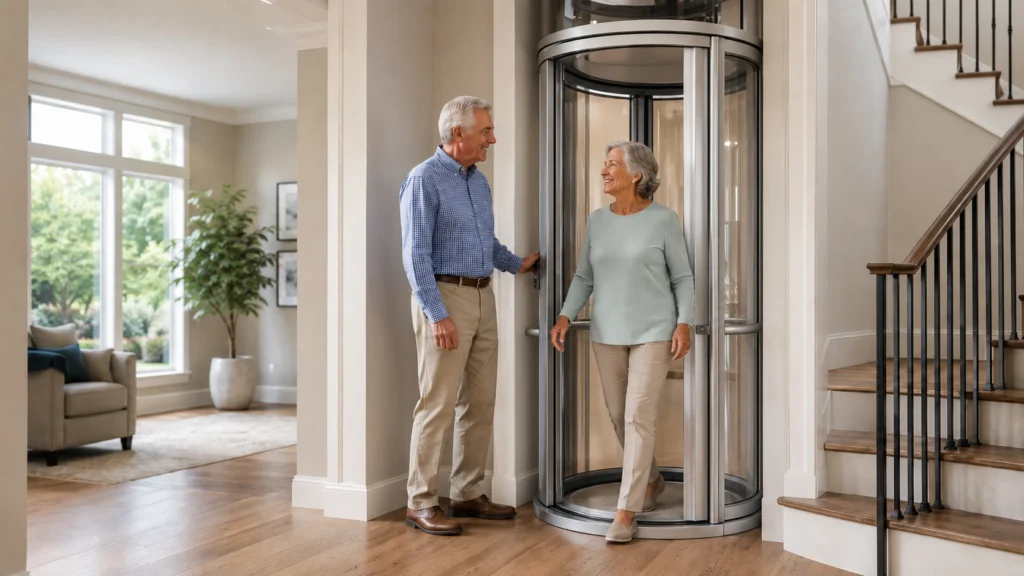
Different home elevator drive systems offer different benefits depending on the homeowner’s mobility needs, available space, and installation goals.
Pneumatic Drive Systems
Pneumatic elevators use air pressure to move the elevator car safely between floors. Because they do not typically require a pit, shaft, or separate machine room, they are often easier to install in existing homes and spaces with limited room for construction.
These systems are known for their compact footprint, energy-efficient operation, and minimal structural requirements, making them a popular option for seniors looking for a simpler retrofit solution.
Hydraulic Drive Systems
Hydraulic elevators use cylinders and pistons to raise and lower the elevator car. They are known for providing a quiet, comfortable ride and are often chosen for larger elevator cabins or higher weight capacities.
While hydraulic systems can be a good fit for wheelchair accessibility and multi-passenger use, they typically require more installation space, including a shaft and machine room. Retrofitting hydraulic elevators into existing homes may also involve additional construction and installation time.
Best Elevator Types for Seniors
Choosing the right home elevator can significantly improve accessibility, safety, and daily comfort for seniors aging in place. Different residential elevator systems offer different advantages depending on mobility needs, available space, and installation requirements.
Some home elevators are designed for compact spaces and retrofit installations, while others prioritize larger cabins, higher weight capacities, or wheelchair accessibility. Modern residential elevators can also include features such as smooth operation, emergency safety systems, and space-saving designs that support long-term independence at home.
The best option ultimately depends on the homeowner’s mobility needs, home layout, and long-term accessibility goals.
Pneumatic Elevators: The Space-Saving Solution For Existing Homes
Pneumatic elevators are a popular option for seniors and homeowners looking for a compact home elevator that can be installed with minimal structural modifications. These residential elevators use air pressure to move the elevator car between floors and typically do not require a pit, shaft, or separate machine room.
Because of their smaller footprint and self-supporting design, pneumatic elevators are often well-suited for retrofit installations in existing homes where space may be limited. Many homeowners also choose pneumatic systems for their faster installation timelines and reduced construction requirements compared to traditional elevator systems.
Some pneumatic elevator models can accommodate wheelchairs, walkers, or caregivers, depending on the cabin size. For homeowners considering wheelchair accessibility, it’s important to confirm dimensions and mobility equipment compatibility before installation.
Pneumatic elevators are also known for their energy-efficient operation, smooth residential use, and lower maintenance requirements due to their simplified mechanical design. Their compact design and flexibility make them a practical accessibility solution for seniors planning to age in place comfortably and safely.
Hydraulic Elevators: Smooth Ride for Senior Comfort
Hydraulic elevators are known for their smooth, quiet operation and are often chosen by homeowners who prioritize ride comfort, larger cabin sizes, and higher weight capacities. These systems use fluid pressure to raise and lower the elevator car, creating a gentle riding experience that can be especially beneficial for seniors with joint pain, balance concerns, or mobility limitations.
Because hydraulic elevators can support heavier loads, they are often used for wheelchair accessibility, multiple passengers, or transporting mobility equipment between floors.
However, hydraulic systems typically require more installation space than compact or shaftless elevator options. Most models require a dedicated shaft, machine room, and additional structural work, which can increase installation time and overall project costs, especially in existing homes.
For homeowners with sufficient space and long-term accessibility needs, hydraulic elevators can provide a durable and comfortable residential mobility solution.
Safety Features Seniors Should Look For
Safety is one of the most important considerations when choosing a home elevator for seniors. Modern residential elevators are designed to comply with strict safety and accessibility standards, helping ensure reliable operation during everyday use and emergencies.
Most residential elevators are built to meet or exceed ASME A17.1/CSA B44 safety standards, which govern residential elevator construction, operation, and emergency performance. Pneumatic elevators fall under ASME A17.7 code compliance due to their unique technology and design.
Important safety features include:
- Emergency communication systems – Allow users to call for assistance if needed
- Door sensors – Help prevent the elevator from operating when doorways are obstructed
- Automatic leveling – Keeps the elevator aligned with the floor to reduce trip hazards
- Emergency stop buttons – Allow immediate stopping during operation
- Backup safety systems – Help improve reliability during power interruptions or emergencies
Professional installation, regular maintenance, and routine inspections are also essential for keeping residential elevators safe, reliable, and operating properly over time.
Benefits for Family Members and Caregivers
Home elevators do more than improve mobility for seniors. They can also reduce physical strain and stress for family members and caregivers.
Helping someone navigate stairs multiple times a day can become physically demanding and increase the risk of falls or injuries for both the senior and caregiver. A home elevator helps create safer movement throughout the home while supporting greater independence.
For many families, this added accessibility provides peace of mind and allows seniors to remain in the homes they love for longer.
What Seniors Should Look for in a Home Elevator
Not all home elevators are designed with the same accessibility features. For seniors planning to age in place, comfort, safety, and ease of use should all be considered before choosing a system.
Important features to look for include:
- Smooth, quiet operation – Reduces discomfort and helps create a more comfortable riding experience
- Low step-in height – Helps minimize trip hazards when entering or exiting the elevator
- Space for mobility aids – Some models can accommodate walkers, wheelchairs, or caregivers when needed
- Emergency communication systems – Two-way communication and emergency controls improve safety during operation
- Accurate floor leveling – Proper alignment between the elevator and floor reduces the risk of tripping
Choosing the right features early can help ensure the elevator remains safe, comfortable, and practical as mobility needs change over time.
Installation and Costs: What Seniors Need to Know
Space Requirements and Home Value Impact
When adding a home elevator to an existing home, space requirements are an important consideration. Some residential elevator systems, such as pneumatic elevators, are designed for compact spaces and minimal structural modifications, while other systems may require an elevator shaft, machine room, or additional construction work.
Home elevators can also increase property value by improving accessibility and long-term usability. In addition to helping seniors age in place more safely, accessibility upgrades can make homes more appealing to multigenerational families and future aging-in-place buyers.
Installation Process
Pre-Installation Assessment
- Professional evaluation of structural requirements
- Space measurements and design consultation
- Local building code review
Permits and Planning
- Obtain required building permits
- Finalize design specifications
- Schedule the installation timeline
Installation Timeline
- Hydraulic systems: Typically 2–4 weeks
- Pneumatic systems: Often 2–3 days
- Final inspection and certification before operation begins
Financial Considerations for Seniors
Installing a residential elevator is a long-term investment in safety, accessibility, and independence. While costs can vary depending on the elevator type, installation requirements, and level of customization, many homeowners view home elevators as an important part of aging in place comfortably and safely.
In some cases, financial assistance or tax-related benefits may be available to help offset installation costs.
Potential Funding Options
- Medical expense deductions – Some home accessibility modifications may qualify for tax deductions with proper documentation
- Home equity financing – Home equity loans or lines of credit are commonly used for accessibility upgrades
- Accessibility grants – Certain local or state programs may offer funding assistance for mobility-related home modifications
- Veteran benefits – Eligible veterans may qualify for housing or accessibility assistance programs
Homeowners considering a residential elevator should consult with financial professionals, local agencies, or accessibility specialists to better understand available funding opportunities and eligibility requirements.
Home Elevator Maintenance and Long-Term Reliability
Regular maintenance is key to keeping home elevators safe and reliable for years to come. Professional inspections every 6-12 months will ensure you catch any issues with your residential elevator before they become problems.
Establishing a documented maintenance schedule also supports warranty protection and helps ensure continued compliance with local safety regulations over time.
Basic Troubleshooting Tips
Before contacting a technician, homeowners can check a few common issues that may affect elevator operation:
- Power supply – Confirm the elevator has power and that circuit breakers have not been tripped
- Door alignment – Make sure elevator doors are fully closed and properly latched
- Emergency stop button – Verify the emergency stop button has not been activated
- Weight capacity – Ensure the elevator is operating within the manufacturer’s recommended weight limits
If the issue continues after these checks, contact a qualified elevator technician or authorized service provider for further inspection and support.
Long Term Planning for Aging in Place
Well-maintained home elevators can support seniors for decades with proper care and routine service. For many homeowners, especially those with limited mobility or wheelchair accessibility needs, reliable access between floors becomes increasingly important over time.
Like any residential system, home elevators require regular maintenance to help ensure safe and reliable operation. Major components such as motors, cables, and control systems may eventually need replacement depending on the elevator type, frequency of use, and manufacturer recommendations.
Maintenance schedules and long-term service needs can vary by elevator model and drive system, so homeowners should consult with their authorized distributor or installer to better understand ongoing maintenance requirements and expected long-term costs.
Choosing the Right Home Lift for Seniors
Selecting the right residential elevator early can prevent costly upgrades later and ensure continued independence as mobility needs evolve. The best solution depends on the homeowner’s mobility needs, home layout, accessibility goals, and budget. Among seniors, shaftless, hydraulic, and pneumatic elevator models are popular because of their accessibility features, reliability, and space-saving designs.
Key Factors:
- Healthcare Professional Consultation – Discuss mobility needs with doctors or physical therapists for insight into current and future accessibility requirements
- Home Structure Evaluation – Assess home layout, electrical systems, and structural integrity to ensure safe and effective integration
- Budget Alignment – Consider initial costs, ongoing maintenance, warranties and potential insurance coverage
- Family Input – Involve family members and caregivers in discussions to meet everyone’s needs and concerns
Conclusion: Supporting Safe and Independent Living
For many seniors, a home elevator is more than a convenience. It is a long-term investment in safety, accessibility, and independence. As mobility needs change over time, residential elevators can help older adults continue using every level of the home more comfortably and confidently.
Whether installed for aging in place, recovery after surgery, or long-term mobility support, modern home elevators provide a safer and more convenient alternative to stairs. With a variety of elevator types, sizes, and installation options available, homeowners can choose a system that fits their space, accessibility needs, and long-term goals.
By improving accessibility and reducing fall risks, home elevators can help seniors remain in the homes they love while maintaining comfort, dignity, and quality of life for years to come.
Frequently Asked Questions About Home Elevators for Seniors
Are home elevators safe for seniors?
Yes. Modern home elevators are designed with multiple safety features, including emergency stop buttons, automatic leveling, door sensors, backup safety systems, and emergency communication features to help ensure safe and reliable operation for seniors.
How much space is required to install a home elevator?
Space requirements vary depending on the elevator type and accessibility needs of the homeowner. Compact and pneumatic home elevators typically require less space, while hydraulic elevators often need a shaft and machine room. A professional assessment can help determine the best fit for the home.
Can a home elevator be installed in an existing home?
Yes. Many modern residential elevators are designed specifically for retrofit installations in existing homes. Some systems require minimal structural modifications, making them suitable for homes with limited available space.
Are home elevators better than stair lifts for seniors?
Home elevators generally offer greater flexibility, wheelchair accessibility, and long-term usability compared to stair lifts. They can also accommodate mobility equipment, caregivers, and multiple passengers depending on the model.
How long does it take to install a home elevator?
Installation timelines vary depending on the elevator type and level of construction required. Some pneumatic elevator systems can be installed in just a few days, while traditional hydraulic systems may take several weeks.
Do home elevators increase home value?
Home elevators can increase property value by improving accessibility, long-term usability, and aging-in-place appeal. Accessibility upgrades are also becoming more attractive to multigenerational families and future homebuyers.