Skip to content >

- Quick Answer
- How Pneumatic Elevators Work: Vacuum & Air Pressure Basics
- How Traction Elevators Work: Cables, Counterweights & Motors
- Key Features Compared: Pneumatic vs Traction Elevators
- Space Requirements & Installation Differences
- Maintenance Costs & Long-Term Ownership Considerations
- Safety, Reliability & Everyday Performance
- Cost Factors: Upfront vs Long-Term
- When a Pneumatic Home Elevator Is the Better Choice
- When a Traction Elevator Might Make More Sense
- How Pneumatic Vacuum Elevators (PVE) Stand Apart
- How to Decide: Practical Questions to Ask Before You Choose
- Conclusion: Choosing the Right Elevator Type for Your Home
- Frequently Asked Questions: Pneumatic vs Traction Elevators
Imagine planning to age in place in a two-story home. You want the convenience and accessibility of an elevator, but not months of demolition or major remodeling. That is where the choice between a pneumatic and traction elevator matters.
Pneumatic elevators, also called vacuum elevators, use air pressure differentials to move the elevator cab. Traction elevators are cable-driven systems that are commonly used in larger, higher-traffic buildings. Both differ from hydraulic elevators, which use hydraulic fluid and cylinders to move the cab.
This guide focuses on residential use, not high-rise buildings, and compares space requirements, key features, energy use, maintenance, and long-term ownership considerations.
Quick Answer
For most existing homes, a pneumatic elevator is usually the better fit when less space, installation simplicity, low maintenance costs, and modern elevator design are priorities. Pneumatic elevators use air pressure inside a self-supporting tube and do not require a traditional shaft, pit, or machine room.
A traction elevator may make more sense for new construction, larger homes, taller travel distances, or projects that require higher lifting capacity for heavy loads. These traditional systems use cables or belts, a counterweight, and electric motors, so they typically require more planning, construction, and regular maintenance.
How Pneumatic Elevators Work: Vacuum & Air Pressure Basics
Pneumatic elevators, also known as vacuum elevators, operate using air pressure dynamics to move the cabin between floors. A vacuum pump removes air inside the upper tube to lift the elevator car, while descent uses gravity and controlled air re-entry. Unlike hydraulic systems, pneumatic elevators do not use hydraulic cylinders, cables, pulleys, or hydraulic fluid.
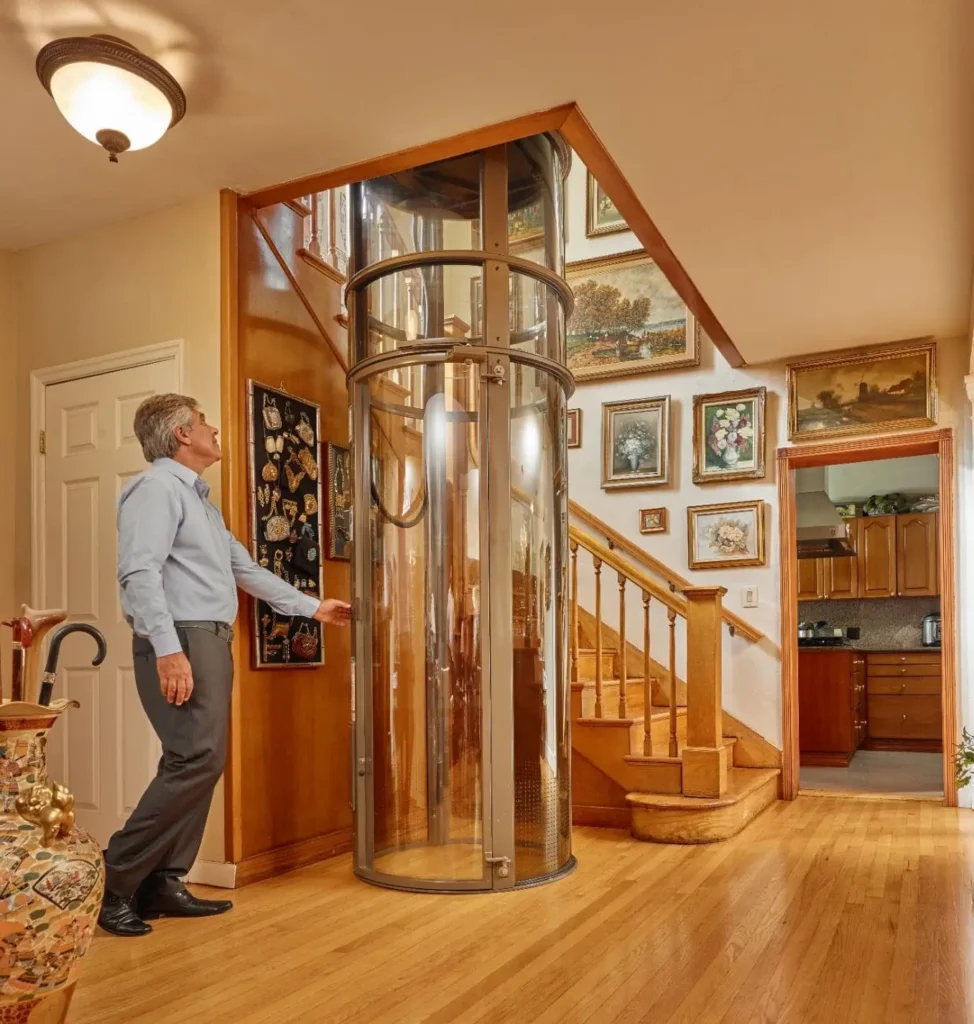
PVE pneumatic systems are self-supporting and sit on the existing floor, usually through a floor opening. They require no shaft, machine room, or extensive structural modifications. Safety features may include mechanical brakes, door interlocks, and controlled descent. Local code requirements should always be verified with an authorized dealer.
How Traction Elevators Work: Cables, Counterweights & Motors
Traction systems use steel ropes or belts, a sheave, guide rails, counterweight, and electric motors to move the elevator car. These traditional elevators are common in commercial buildings and taller residential or mixed-use properties.
Because the counterweight offsets part of the cab’s weight, traction elevators can be efficient for taller buildings and higher-use applications. Geared traction elevators use a motor with a gearbox, while gearless traction elevators are often smoother and more efficient in commercial settings.
Key Features Compared: Pneumatic vs Traction Elevators
| Factor | Pneumatic / PVE | Traction |
| Best fit | Home retrofits, compact spaces, low-rise residential use | New builds, larger homes, commercial buildings |
| Space | Compact footprint; no shaft, pit, or machine room | Requires hoistway/shaft and more construction planning |
| Ride | Panoramic, cylindrical cabin | Traditional enclosed elevator cab |
| Capacity | Varies by model; PVE offers single-passenger, multi-passenger, and wheelchair-accessible options | Typically higher lifting capacity |
| Energy | Uses power mainly during ascent; descent uses gravity | Uses electric power and counterweight system |
| Maintenance | Fewer moving parts and no hydraulic fluid | More components to inspect and maintain |
Pneumatic elevators are designed to use power primarily during ascent, while descent relies on gravity and controlled air pressure. Traction elevators can also be efficient, especially in taller buildings, but they require a more complex system of cables or belts, counterweights, guide rails, and motors.
Space Requirements & Installation Differences
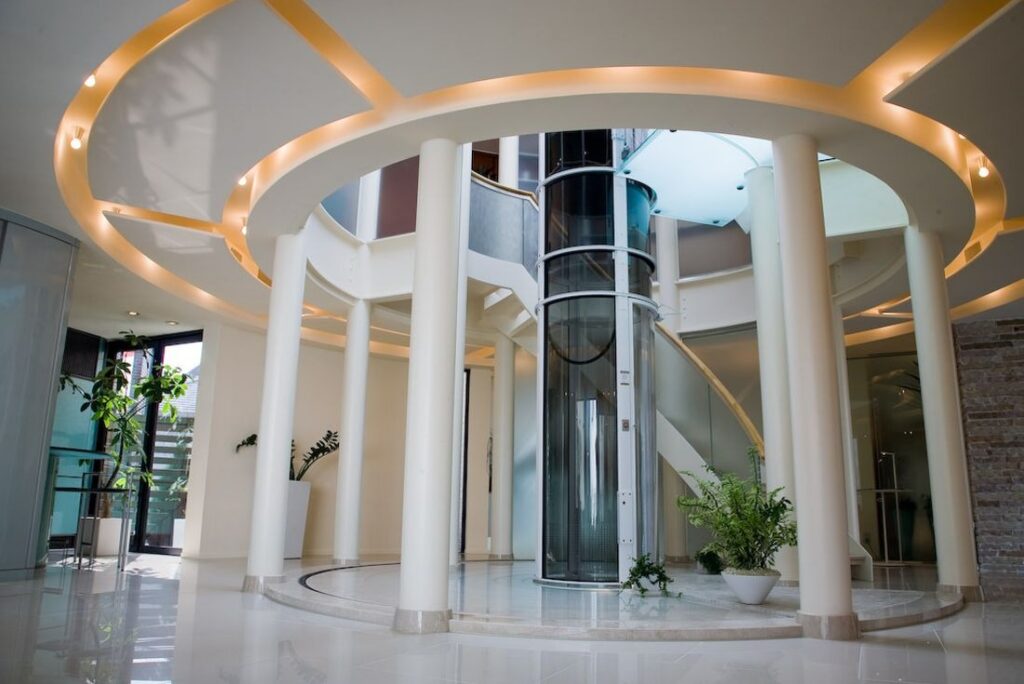
Pneumatic elevators are a strong option when floor space is limited because they require less room than many traditional elevators. PVE models do not require a machine room, pit, or full elevator shaft, helping homeowners avoid extensive structural modifications.
PVE elevators are designed for space-saving residential retrofits and can usually be planned around a floor opening, secure placement, and electrical connection. Homeowners comparing layouts should also consider how much space is needed for a home elevator before choosing between pneumatic and traction systems. Installation timelines and project requirements vary by home, model, number of stops, and local code requirements.
Traditional traction elevators typically require more construction planning, including a dedicated hoistway or shaft, overhead clearance, and space for the mechanical system. For homeowners retrofitting an existing property, those requirements can add complexity to the project.
Maintenance Costs & Long-Term Ownership Considerations
Pneumatic elevators require minimal maintenance due to their fewer moving parts, which can reduce long-term expenses compared to traditional elevators. There are no steel ropes to tension and no hydraulic fluid to replace.
Traction elevators include more mechanical components, such as ropes or belts, guide rails, counterweights, brakes, and motors. These systems are proven and widely used, but regular maintenance and professional servicing should be factored into long-term ownership planning.
Safety, Reliability & Everyday Performance
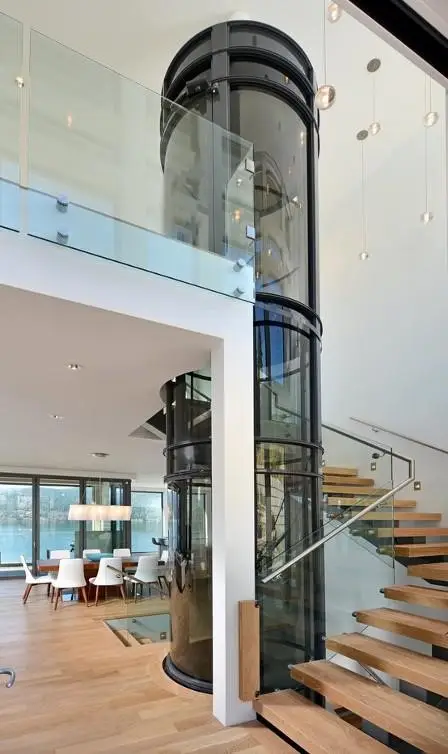
Both elevator types can be safe when properly installed, inspected, and maintained. Pneumatic elevators use features such as mechanical brakes, door locks, and pressure-controlled descent. Traction systems use components such as governors, brakes, interlocks, and emergency communication systems.
The biggest difference is system complexity. Traction elevators are proven and widely used, but they include more moving parts. Pneumatic elevators have fewer wear points, although homeowners should ask about operating sound, placement, and model-specific performance during the planning process.
Cost Factors: Upfront vs Long-Term
Elevator costs vary by home, region, model, number of stops, finish preferences, permitting, and installation requirements. In many retrofit homes, pneumatic elevators may reduce preparation costs because they do not require a full shaft, pit, or machine room.
By contrast, traction, hydraulic, and other traditional elevator systems may require more construction, including a hoistway, pit, machine room, or additional finish work. Homeowners should compare not only the upfront price but also energy use, environmental impact, maintenance, replacement parts, and long-term service needs.
When a Pneumatic Home Elevator Is the Better Choice
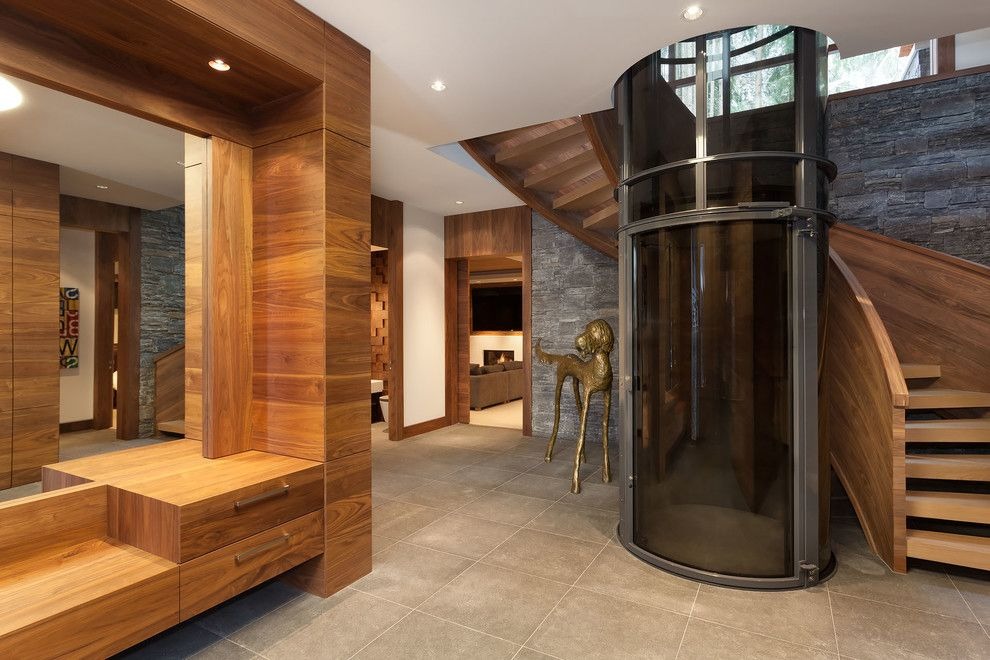
A pneumatic home elevator may be the better choice when you need a compact footprint, minimal disruption, lower energy use, and a modern panoramic design. Pneumatic elevators are especially well suited for low-rise residential spaces where homeowners want accessibility without building a full elevator shaft or choosing larger traditional models.
They work well for many homeowners upgrading for aging in place, multigenerational living, or improved access between floors. PVE offers single-passenger, multi-passenger, and wheelchair-accessible models, so the right fit depends on your space, mobility needs, and local requirements.
When a Traction Elevator Might Make More Sense
A traction elevator may make more sense for new construction, larger buildings, frequent use, or projects that require higher weight capacity and a traditional enclosed cab. Traction elevators are common in commercial buildings and taller structures because they can support greater travel distances and higher speeds.
For residential retrofits, however, traction systems usually require more planning, space, and construction. Homeowners should compare the available footprint, structural requirements, maintenance needs, and intended use before deciding.
How Pneumatic Vacuum Elevators (PVE) Stand Apart
Pneumatic Vacuum Elevators is the designer and manufacturer of the world’s only vacuum elevators. Since 2002, PVE has used patented air-driven technology, simple physics, and innovative materials to create compact, panoramic home elevators for residential spaces.
PVE elevators are self-supporting, require no pit or machine room, use no hydraulic fluid, and are designed for low maintenance. With authorized dealer support across five continents, homeowners can work with trained professionals from planning through installation.
How to Decide: Practical Questions to Ask Before You Choose
Before choosing between a pneumatic and traction elevator, consider the key factors that affect comfort, construction, and long-term ownership:
- How many floors does the elevator need to serve?
- Is there enough space for a shaft, pit, and overhead clearance?
- What weight capacity does your household need?
- Do you prefer a panoramic design or a traditional enclosed cab?
- Are energy use, maintenance, and retrofit complexity priorities?
- Will the elevator support aging in place, accessibility, or multigenerational living?
Conclusion: Choosing the Right Elevator Type for Your Home
For most retrofit homes, the pneumatic vs traction elevator decision comes down to space, construction, maintenance, and lifestyle. Pneumatic elevators are compact, air-driven, and ideal for low-rise homes. Traction elevators remain the most common type for commercial buildings and heavy-duty use.
If you want a shaftless, energy-efficient, design-forward home elevator, PVE is a practical place to start. Review PVE models, compare your floor plan, and request a personalized consultation with an authorized dealer.

Frequently Asked Questions: Pneumatic vs Traction Elevators
Are pneumatic elevators safe compared to traction home elevators?
Yes, when properly installed, inspected, and maintained. Pneumatic elevators use safety features such as mechanical brakes, door interlocks, and controlled descent. Traction elevators use systems such as governors, brakes, interlocks, and emergency communication equipment.
Can a pneumatic elevator be installed in an existing home without major remodeling?
Often, yes. PVE models are self-supporting and usually require a floor opening, secure placement, and electrical connection rather than a full shaft, pit, or separate machine room. Final requirements depend on the home, model, number of stops, and local code.
How many floors can a pneumatic home elevator serve compared to a traction elevator?
Pneumatic elevators are designed for low-rise residential use, typically serving up to 3 to 5 stops depending on the model and configuration. Traction elevators can serve taller travel distances and carry heavy loads, but traditional systems often need more construction, including a shaft, pit, and machine room.
What happens to a pneumatic elevator during a power outage?
Configuration varies, but pneumatic models are generally designed to descend safely using gravity and controlled air pressure. Because they use minimal energy during operation and do not rely on the same elevator design as cable-driven traction systems, homeowners should ask their dealer about model-specific safety features and backup options.
Can pneumatic elevators accommodate wheelchairs like traction elevators can?
Some can. While compact pneumatic models are designed for one or two passengers and may not carry as much weight as larger traction elevators, PVE offers wheelchair-accessible vacuum elevator models. Exact cab size, doorway clearance, weight capacity, and local accessibility rules should be reviewed with an authorized dealer before purchase.