Skip to content >

- What Is a Dumbwaiter?
- How Are Today's Dumbwaiters Different?
- How Much Does a Dumbwaiter Cost?
- What Factors Affect Dumbwaiter Cost?
- Dumbwaiter Installation: What Homeowners Should Plan For
- Possible Additional Costs to Ask About
- Who Needs a Dumbwaiter?
- What Should You Consider Before Choosing a Dumbwaiter?
- Payment Questions to Ask Before Installation
- Benefits of Owning a Dumbwaiter
- Dumbwaiters vs. Other Options
- Maintaining Your Dumbwaiter
- Conclusion
- Dumbwaiter Cost FAQs
Quick Answer: A residential dumbwaiter typically costs between $3,000 and $20,000+ installed, depending on the system type, number of stops, weight capacity, and installation complexity. Manual dumbwaiters sit at the low end of that range, while electric models with custom finishes or multi-stop retrofits reach the higher end. Commercial-grade dumbwaiters run $25,000 to $50,000+.
Thinking about adding a dumbwaiter to your home? A dumbwaiter can reduce repeated trips between floors by moving groceries, laundry, and other household items more efficiently, especially in multi-level homes.
Before choosing a system, it is helpful to understand the costs involved. Dumbwaiter pricing can vary based on lift type, travel distance, installation complexity, and whether the system is added during new construction or retrofitted into an existing home.
This guide explains the main factors that affect dumbwaiter cost, typical price ranges, and what homeowners should consider when budgeting for installation. By the end, you will have a clearer understanding of whether a dumbwaiter is the right fit for your home and project goals.
What Is a Dumbwaiter?
A dumbwaiter is a small motorized or manual lift designed to transport items between floors of a home or building. It operates inside a shaft using either a rope-and-pulley system or an electric motor.
Unlike a home elevator, a dumbwaiter is built for goods only, not passengers. Common uses include moving groceries, laundry, firewood, and meal trays between floors.
A dumbwaiter should never be used to transport people, pets, or mobility devices. If the goal is to move a person safely between floors, a certified residential home elevator is the appropriate solution.
How Are Today’s Dumbwaiters Different?
Older dumbwaiters were often simple manual lifts that used ropes, pulleys, and small shafts to move food, dishes, or household items between floors. Modern residential dumbwaiters are typically more refined, with smoother operation, improved controls, enclosed shafts, and safety features designed for regular home use.
Even with these improvements, a dumbwaiter is still designed for household items only. It can help move groceries, laundry, dishes, beverages, or small household supplies between floors, but it should never be used to transport people, pets, or mobility devices.
If your goal is to move a person safely between floors, a certified residential home elevator is the appropriate solution.
How Much Does a Dumbwaiter Cost?
Dumbwaiter costs vary based on the type of system, number of stops, weight capacity, installation complexity, and whether the unit is added during new construction or retrofitted into an existing home. Homeowners should request an itemized quote from a qualified installer to understand the full project scope.
The ranges below can be used as general planning estimates, but actual pricing will vary by location, installer, home layout, code requirements, and project details.
| Tier | Type | Installed Cost |
| Low-End | Manual, small capacity, 2 floors | $3,000 – $8,000+ |
| Mid-Range | Electric, standard capacity, 2–3 floors | $8,000 – $12,000+ |
| High-End | Electric, large capacity, custom finish | $13,000 – $20,000+ |
| Commercial | Heavy-duty, multi-stop | $25,000 – $50,000+ |
These estimates are meant to help with early budgeting. Your actual cost will depend on the factors covered in the next section, including equipment type, site preparation, electrical work, permits, and installation requirements.
What Factors Affect Dumbwaiter Cost?
Residential dumbwaiter cost varies depending on several factors. The main elements that influence the final price:
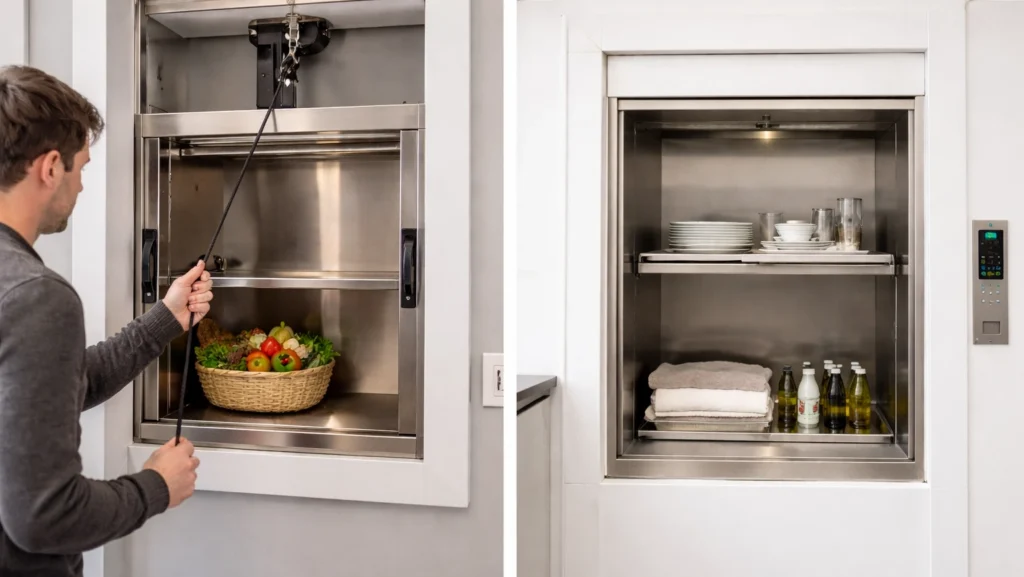
- Type of Dumbwaiter: There are two main types of dumbwaiters: electric and manual. Electric dumbwaiters are more common and operate with a motor, offering a smooth and effortless ride. Manual dumbwaiters are operated by a rope system and are less expensive, but require more effort to use.
- Size and Capacity: The size and weight capacity of the dumbwaiter significantly affect cost. Larger dumbwaiters that carry more weight cost more, and models with larger cab dimensions require more shaft space. Consider the items you plan to transport most often to determine the right size and capacity.
- Number of Floors: The number of floors the dumbwaiter needs to travel between will also affect the cost. More floors typically require a more complex installation and additional materials, leading to a higher price.
- Features and Customization: Some dumbwaiters offer additional features like automatic doors, different finishes, or phone call functionality. These add-ons can increase the overall cost.
- Installation Difficulty: The complexity of installing the dumbwaiter will influence the price. Factors like existing wall space, required electrical work, and any necessary structural modifications can add to the installation cost.
- Location: Labor costs vary by geographic region. Getting quotes from local contractors gives you the clearest picture of installation pricing in your area.
Dumbwaiter Installation: What Homeowners Should Plan For
Typical dumbwaiter installation costs include:
- Dumbwaiter Unit: This is the cost of the dumbwaiter itself, which can range from a few thousand dollars to tens of thousands, depending on the type, size, and features.
- Installation Labor: The labor costs for installing the dumbwaiter can vary depending on the complexity of the project. Expect to pay an hourly rate for skilled technicians.
- Electrical Work: Most electric dumbwaiters require electrical wiring and connections. This cost will depend on the existing electrical infrastructure in your home.
- Permits and Inspections: Depending on your location, you may need to obtain permits and have inspections conducted after installation. Factor in these potential costs when budgeting.
Possible Additional Costs to Ask About
Not every dumbwaiter quote includes the same items. Before approving a project, homeowners should ask what is included and whether any additional work may be needed.
- Shaft framing: If the home does not already have a suitable chase or open space between floors, framing a shaft can add to the project scope.
- Fire-rated doors: Some local codes may require fire-rated access doors at each stop.
- Electrical updates: Older homes may need electrical work to support the dumbwaiter system.
- Structural reinforcement: Larger or heavier-duty dumbwaiters may require additional floor or wall support.
- Warranty coverage: Ask what the standard warranty includes and whether extended coverage is available.
Always request a fully itemized quote before signing. This should outline the dumbwaiter unit, labor, electrical work, permits, inspections, and any site preparation needed.
Who Needs a Dumbwaiter?
A dumbwaiter can be especially helpful in multi-story homes where household items are frequently carried between floors. It is most useful for homeowners who want to reduce repeated stair trips with heavy, awkward, or breakable items.
A dumbwaiter may make sense for:
- Aging-in-place households where carrying groceries, laundry, or supplies up and down stairs has become difficult
- Large multi-story homes where daily tasks require moving items between levels
- Kitchens, home bars, and wine cellars where bottles, glassware, meal trays, or dishes are frequently transported
- Laundry rooms and bedroom levels where baskets are carried between floors
- Home offices or storage areas that require regular movement of supplies
- Families with young children who want to reduce the need to carry loads while using the stairs
Common uses include moving groceries from a garage or entry level to the kitchen, transporting laundry between bedrooms and laundry rooms, carrying meal trays to an upstairs living area, or moving small household supplies between levels.
If you need to move people between floors rather than goods, a residential home elevator is the right solution.
What Should You Consider Before Choosing a Dumbwaiter?
Before choosing a dumbwaiter, define how you plan to use it. Think about what items you want to move, how often, how many floors it needs to serve, and whether a manual or electric model fits better.
Key factors to weigh:
- Size and capacity: Choose a dumbwaiter that fits the items you move most often, such as groceries, laundry, dishes, or meal trays.
- Number of stops: More stops usually require additional planning, materials, and controls.
- Installation requirements: Confirm whether the project needs shaft framing, electrical work, permits, inspections, or structural preparation.
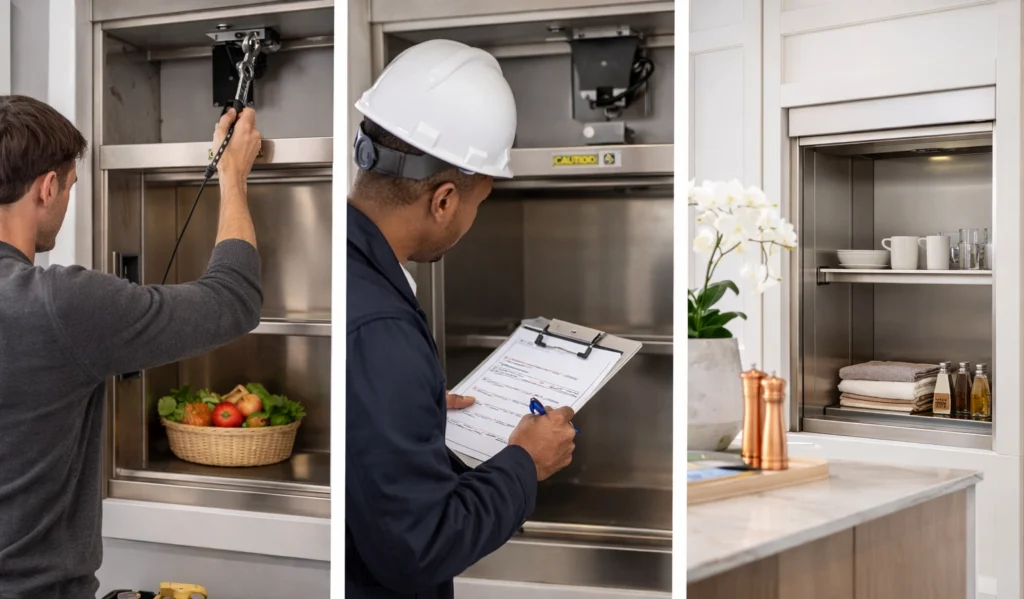
- Professional installation: Dumbwaiters should be installed by a qualified professional so the system is secured, tested, and installed to manufacturer guidelines.
- Code compliance: Local building codes, permits, and inspection requirements may apply. Confirm with your installer or local building authority before installation begins.
- Design and finish: Consider location, access doors, finishes, and surrounding materials so the system fits naturally with the home.
- Maintenance: Dumbwaiters are generally low maintenance, but routine service supports safe, reliable operation.
- Future use: If you may eventually need to move people or mobility devices between floors, a residential home elevator is the better long-term solution.
- Quotes and scope: Request itemized quotes from qualified installers so you can compare what is included.
If you need to move people, wheelchair users, pets, or mobility devices between floors, a dumbwaiter is not the right solution. A certified residential home elevator is the appropriate choice.
Payment Questions to Ask Before Installation
Some homeowners explore financing when adding a dumbwaiter as part of a larger renovation or accessibility project. Available options vary by lender, installer, and project scope.
Common options may include:
- Home improvement loans for renovation or accessibility upgrades
- Home equity lines of credit for homeowners using available home equity
- Installer payment plans, if offered by the dumbwaiter company or contractor
Before choosing a financing option, review the full project estimate, including equipment, installation, electrical work, permits, inspections, and any site preparation. Homeowners should also ask whether the installer offers payment options or can provide documentation needed for a lender.
Benefits of Owning a Dumbwaiter
While cost is an important factor, homeowners should also consider how a dumbwaiter can improve daily convenience in a multi-story home.
- Convenience: A dumbwaiter reduces the need to carry groceries, laundry, firewood, meal trays, or household supplies up and down the stairs.
- Accessibility support: For homeowners with mobility limitations, a dumbwaiter can make it easier to move items between floors without carrying heavy or awkward loads.
- Everyday safety: By reducing repeated stair trips with full hands or heavy items, a dumbwaiter may help lower the risk of slips, trips, or strain.
- Efficient use of space: Dumbwaiters use vertical space to move items between levels, which can make them practical for homes where floor space is limited.
- Long-term home functionality: A well-planned dumbwaiter may appeal to future buyers who value convenience, aging-in-place features, or improved function in a multi-story home.
Dumbwaiters vs. Other Options
If you’re considering solutions for transporting items within your home, here’s a quick comparison of dumbwaiters with other options:
| Option | Best For | Limitation |
|---|---|---|
| Dumbwaiter | Transporting items between floors | Cannot carry passengers |
| Stairlift | People with mobility issues navigating stairs | Not for transporting objects |
| Laundry Chute | Moving laundry specifically | Very limited use case |
| Basket Hoist | Occasional heavy lifting | Not a permanent solution |
| Home Elevator | Transporting people and items | Higher cost, more installation work |
Homeowners tight on floor space can also review our popular choices for small residential elevators for compact-footprint options.
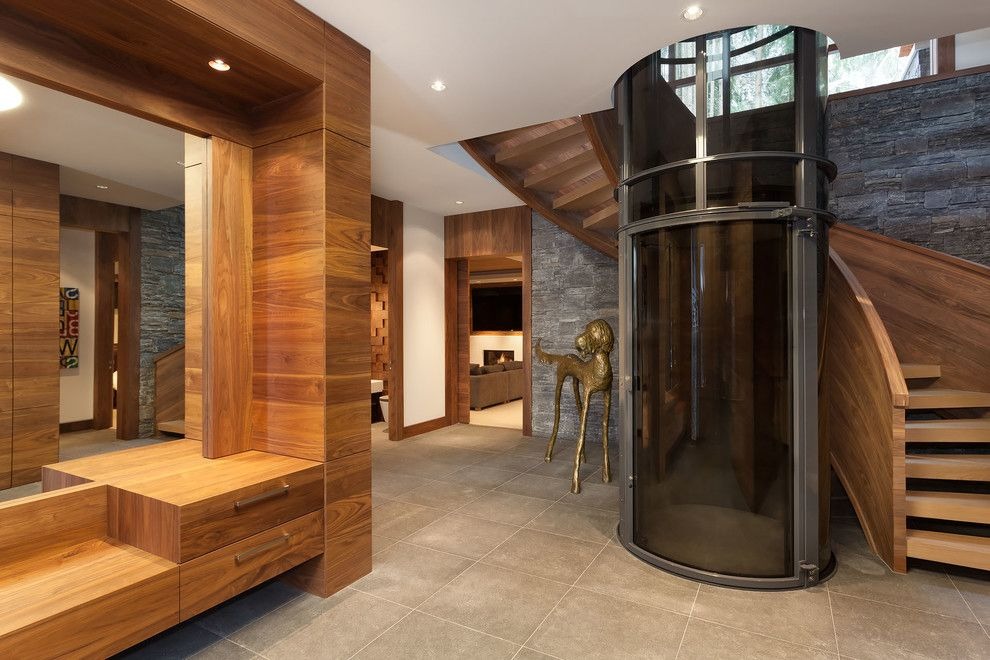
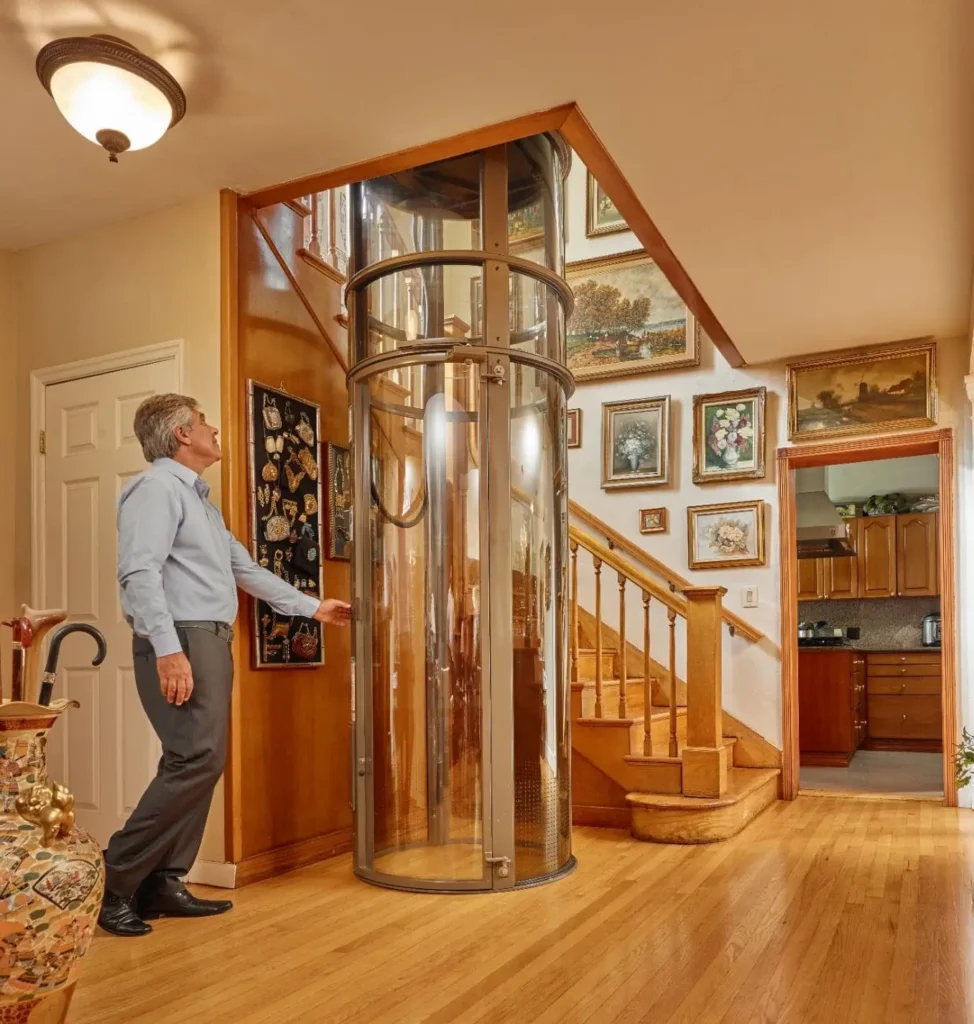
A dumbwaiter is a practical choice when the goal is to move items between floors. If the goal is to move people safely, a certified residential home elevator is the appropriate solution. PVE pneumatic vacuum elevators can be a practical option for homeowners who need passenger access but want a compact, self-supporting elevator that requires no traditional shaft, pit, or machine room.
Maintaining Your Dumbwaiter
Proper maintenance keeps a dumbwaiter running safely and reliably. Key maintenance items:
- Regular Inspections: Schedule regular inspections by a qualified technician to identify and address any potential issues before they escalate.
- Cleaning and Lubrication: Keep the dumbwaiter clean and lubricate moving parts as recommended by the manufacturer’s instructions.
- Overloading Prevention: Avoid overloading the dumbwaiter beyond its weight capacity to prevent damage and ensure safety.
A properly installed and maintained dumbwaiter can provide reliable service for moving household items between floors.
Conclusion
A dumbwaiter can be a practical addition to a multi-story home, especially for homeowners who regularly move groceries, laundry, meal trays, firewood, or household supplies between floors. The right system depends on the home layout, number of stops, capacity needs, installation requirements, and local code considerations.
Before choosing a dumbwaiter, request itemized quotes from qualified installers and confirm what is included, such as equipment, labor, electrical work, permits, inspections, and any site preparation. With proper installation and routine maintenance, a dumbwaiter can support everyday convenience for many years.
If you need to move people, wheelchair users, pets, or mobility devices between floors, a dumbwaiter is not the right solution. In that case, a certified residential home elevator is the appropriate option. PVE pneumatic vacuum elevators are compact, self-supporting, and require no traditional shaft, pit, or machine room, making them a practical choice for many homes where accessibility is the priority.
Dumbwaiter Cost FAQs
How much does a dumbwaiter cost?
Dumbwaiter cost varies based on the type of system, number of stops, weight capacity, installation complexity, and local code requirements. Manual dumbwaiters are generally simpler, while electric dumbwaiters, custom finishes, and retrofit installations may require more planning. Homeowners should request an itemized quote from a qualified installer.
How long does dumbwaiter installation take?
Dumbwaiter installation time depends on the home layout, whether a shaft or chase already exists, and whether electrical or structural work is needed. A qualified installer can provide a more accurate timeline after reviewing the home and project scope.
Do I need a permit to install a dumbwaiter?
In many areas, yes. Dumbwaiter installations may require a building permit and post-installation inspection. Homeowners should confirm local requirements with their installer or local building authority before the project begins.
What is the difference between an electric and a manual dumbwaiter?
Electric dumbwaiters use a motor and controls to move items between floors with minimal physical effort. Manual dumbwaiters use a rope-and-pulley system and require more effort to operate. For frequent daily use, an electric dumbwaiter is often the more practical choice.
How much maintenance does a dumbwaiter need?
Dumbwaiters are generally low maintenance, but routine service is still important for safe and reliable operation. Maintenance may include checking controls, doors, moving parts, weight limits, and overall system performance according to the manufacturer’s recommendations.
Can a dumbwaiter carry passengers?
No. Dumbwaiters are designed to transport items only, not people, pets, wheelchairs, or mobility devices. If you need to move passengers between floors, a certified residential home elevator is the appropriate solution.
Is a dumbwaiter worth it?
A dumbwaiter can be worthwhile for multi-story homes where groceries, laundry, dishes, meal trays, or household supplies are regularly moved between floors. It can improve daily convenience and reduce the need to carry heavy or awkward items up stairs. If you need to move people rather than goods, a residential home elevator is the better option.
How are modern dumbwaiters different from older dumbwaiters?
Modern dumbwaiters are typically more refined than older manual systems. Many include electric operation, improved controls, enclosed shafts, access doors, and safety features designed for regular residential use. However, they are still designed for items only, not people.