Skip to content >

- Key Takeaways
- How Does a Solar Powered Home Elevator Work?
- What Are the Benefits of a Solar Powered Elevator?
- Which PVE Model Works With the Solar Option?
- How Does a Solar Powered Elevator Perform During a Power Outage?
- How Much Does a Solar Powered Home Elevator Cost?
- Frequently Asked Questions
- Next Steps
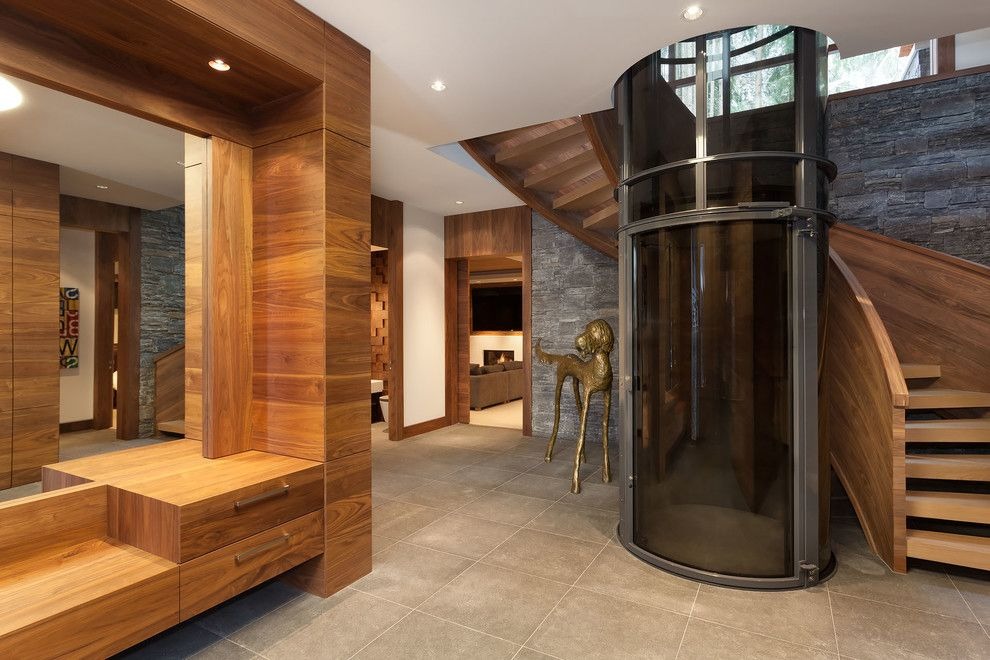
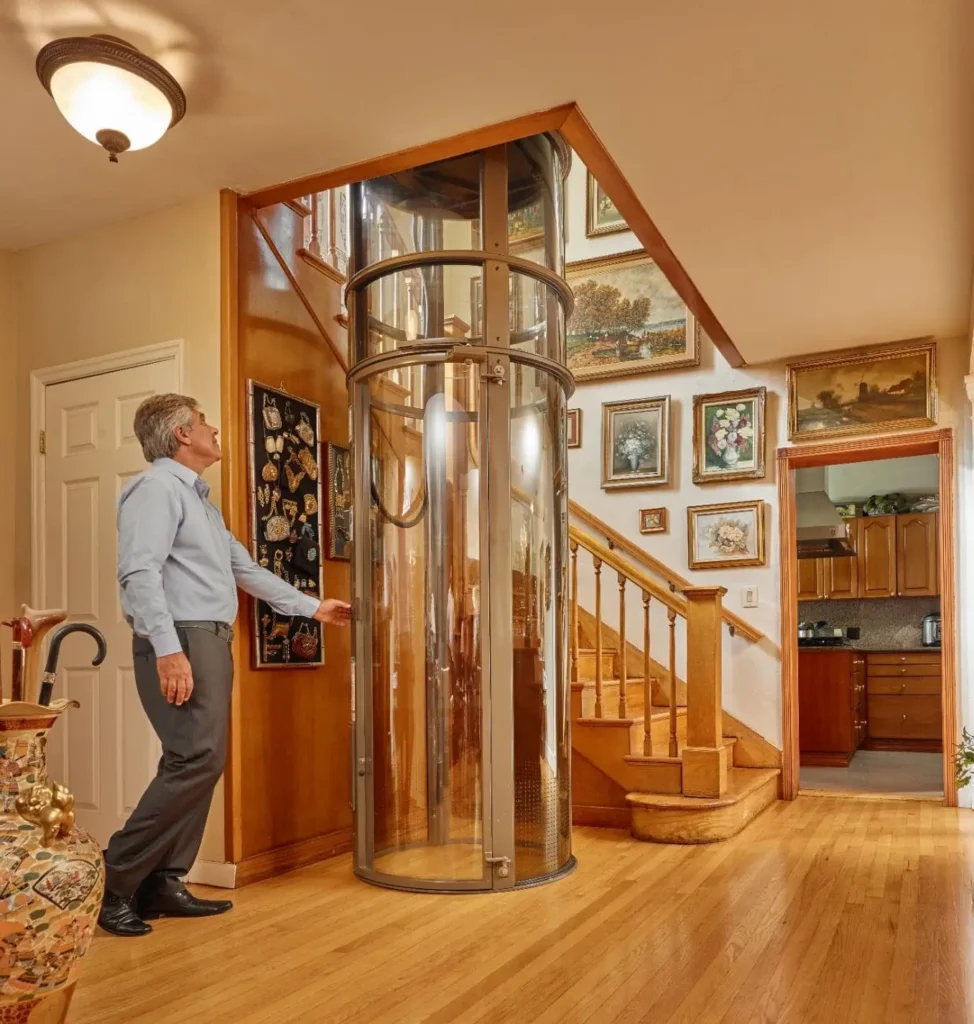
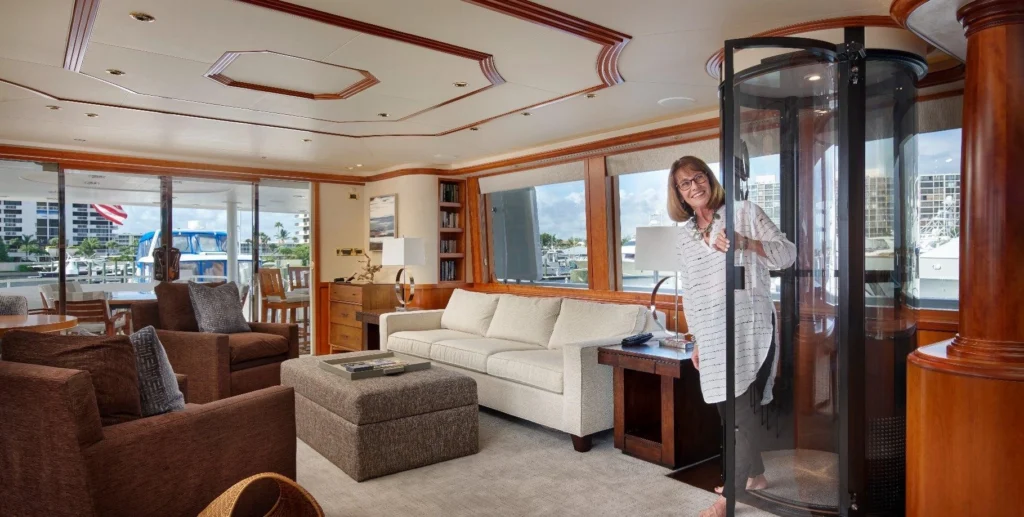
A solar powered home elevator uses electricity generated by rooftop solar panels to run the vacuum pump that lifts the cabin between floors. PVE offers a solar configuration compatible with all four models, whether you want to connect it to an existing home solar setup or use it as a stand-alone off-grid system with zero carbon emissions.
For homeowners looking for an eco-friendly, space-saving residential elevator, including quick-install and wheelchair-accessible options, this setup can lower utility costs while maintaining safe operation during power interruptions, since descent uses gravity and controlled airflow. Below, you’ll see how a solar powered home elevator works, which PVE models support solar integration, what to expect during outages, and the key cost and configuration questions to consider before choosing a system.
Key Takeaways
- The solar option is available across all four PVE models (PVE30, PVE37, PVE52, Cube).
- PVE elevators only draw power during ascent; descent uses gravity, so solar sizing requirements are low.
- The elevator can integrate with an existing home solar system or run as a fully off-grid stand-alone application.
- Zero carbon emissions during operation; no hydraulic oils, gases, or lubricants required.
- Gravity-assisted descent means the cabin continues to lower safely during power outages or blackouts, even off-grid.
How Does a Solar Powered Home Elevator Work?
A solar powered home elevator combines two systems: rooftop or property-mounted solar panels that generate electricity, and a pneumatic vacuum elevator that runs on that electricity. PVE elevators are especially well suited to solar integration because they only draw power during ascent. Descent uses gravity and controlled airflow, so no electricity is required for the ride down. For a full explainer on the vacuum drive system, see how a pneumatic elevator works.
PVE elevators run on a standard 220-volt single-phase supply. That matches the output of most residential solar and battery-storage setups, which makes the integration straightforward for homes already running solar. For new solar installations, the elevator’s low power draw means the panel array typically does not need to be significantly larger than what the rest of the home already requires.
The solar setup has two common configurations:
- Grid-tied with solar — The elevator pulls power from the home’s existing solar system when the sun is producing, and from the grid when it isn’t. This is the most common configuration for homeowners already running solar for other loads.
- Off-grid stand-alone — The elevator runs entirely off a dedicated solar-plus-battery setup, independent of the utility grid. Suits remote homes, cabins, and homeowners who want full energy independence.
What Are the Benefits of a Solar Powered Elevator?
A solar powered home elevator combines the eco-friendly design of a pneumatic vacuum system with renewable energy generation. The result is a home mobility solution with zero operating carbon emissions and near-zero grid electricity draw.
The main benefits:
- Zero operating emissions — Powered by sunlight rather than fossil-fuel-generated grid electricity, the elevator contributes nothing to household carbon emissions during operation.
- Reduced or eliminated utility cost — The elevator either pulls from your own solar generation (no utility cost) or runs off a stand-alone off-grid system (no utility connection required).
- Continued operation during outages — Because descent uses gravity, the cabin lowers safely to the ground floor even during power interruptions. On an off-grid setup with battery storage, ascent also continues to work as long as the batteries are charged.
- Compatible across all four PVE models — The solar option applies to the PVE30, PVE37, PVE52, and the Cube. Model choice depends on rider capacity and space, not on whether solar is used.
- Fits existing solar setups — The 220-volt single-phase supply matches most residential solar and battery-storage installations. No major electrical redesign required.
Which PVE Model Works With the Solar Option?
All four PVE models are compatible with the solar-powered configuration. Model selection depends on the number of passengers, wheelchair accessibility needs, and available floor space, not on solar compatibility.
| Model | Riders | Capacity | Cab Size | Wheelchair | Solar Compatible |
| PVE30 | 1 standing | ~350 lbs | 30 in diameter | No | Yes |
| PVE37 | 2 | ~450 lbs | 37 in diameter | Limited (light mobility aid) | Yes |
| PVE52 | 3 | ~525 lbs | 52 in diameter | Yes | Yes |
| Cube | 2+ | Confirm with dealer | Square cab | Yes | Yes |
The PVE30, PVE37, and PVE52 links go to their product pages on vacuumelevators.com. Full model details on the Cube live on cubelifts.com.

How Does a Solar Powered Elevator Perform During a Power Outage?
Pneumatic vacuum elevators use gravity and controlled airflow to descend. During a power outage, the cabin lowers safely to the ground floor without electricity, allowing passengers to exit. Residential elevators must still meet ASME A17.1 / CSA B44 safety codes regardless of whether they use solar power. This behavior applies whether the elevator is grid-tied or off-grid solar.
For homes with battery storage as part of the solar setup, ascent capability also continues as long as stored energy remains. That means a properly sized solar-plus-battery system can keep the elevator fully operational during extended grid outages, which is one reason solar-powered configurations appeal to homeowners in areas with unreliable utility service.
How Much Does a Solar Powered Home Elevator Cost?
Total cost depends on several factors, including the elevator model, number of stops, existing solar infrastructure, and whether the setup is grid-tied or off-grid, so costs can vary by home. Homeowners with existing solar infrastructure may only need the standard elevator installation plus a small electrical configuration, depending on compatibility. Homeowners installing solar and elevator together are budgeting for both systems in parallel. For a full pricing overview of PVE residential elevator options, see home elevator cost. Get a site-specific quote from an authorized dealer who can review the home’s energy needs and recommend cost-effective solutions.
Frequently Asked Questions
Can a home elevator run on solar power?
Yes. PVE offers a solar-powered configuration for all four models. This setup helps homeowners reduce energy consumption, whether it integrates with an existing home solar system or runs entirely off-grid as a stand-alone solar-plus-battery setup. Pneumatic vacuum elevators are especially well suited to solar because they only draw power during ascent while descent uses gravity.
What size solar system do I need to power a home elevator?
Sizing depends on the model, usage frequency, and whether the elevator ties into an existing solar setup or runs stand-alone. PVE elevators run on 220-volt single-phase power and draw electricity only during ascent, so the added load on a residential solar system is typically modest. A solar installer and an authorized PVE dealer can size the system based on your specific configuration.
Does a solar powered elevator work during a blackout?
Yes. Descent uses gravity and controlled airflow, so the elevator car can lower safely to the ground floor during a blackout. For homes with battery storage in the solar setup, ascent also continues as long as stored energy remains. A properly sized battery system can keep the elevator operational during outages.
Which manufacturers offer solar backups or energy storage for elevators?
PVE offers a solar-powered configuration compatible with all four of its air-driven models. In other lift designs, some solar-powered systems use regenerative drives to capture and reuse energy lost during descent. Because pneumatic vacuum elevators only draw power during ascent and use gravity for descent, they pair well with residential solar and battery-storage systems. Confirm current solar-configuration availability with an authorized PVE dealer.
Is a solar powered elevator available for all PVE models?
Yes. The solar option is available across the PVE30, PVE37, PVE52, and Cube. Model choice is driven by rider capacity, wheelchair accessibility, and available floor space, not by whether the solar option is used.
Can I add solar to an elevator I already own?
In most cases, yes. Because PVE elevators run on standard 220-volt single-phase power, they can typically be tied into a home solar system added later. An authorized dealer can review the existing elevator system, control setup, and available roof space to confirm compatibility before recommending panel and battery specs.
How much energy does a solar powered PVE use?
Ascent uses electricity only during travel, keeping overall energy use relatively low. Descent uses gravity and effectively no electricity. Idle-state consumption is near zero. That low overall draw is what makes solar integration practical without significantly increasing the size of a residential solar array.
Next Steps
A solar powered home elevator is one option within a broader category of eco-friendly home elevators. Contact PVE to schedule a consultation with an authorized dealer who can confirm the right model and solar configuration for your home, your existing electrical setup, and your long-term mobility needs.