Skip to content >

- Key Takeaways
- Can You Move a Pneumatic Elevator From One Home to Another?
- What Factors Decide Whether Your Pneumatic Elevator Can Be Relocated?
- How Does the Process of Moving a Pneumatic Vacuum Elevator Work?
- How Much Does It Cost to Move a Pneumatic Residential Elevator?
- Is It Better to Move the Elevator or Install a New One?
- How Do You Prepare Your New Home for a Moved Pneumatic Elevator?
- Does Moving a Pneumatic Elevator Affect Safety, Warranty, or Performance?
- How Does Moving a Pneumatic Elevator Affect Home Value and Resale?
- What Are the Alternatives if You Decide Not to Move Your Elevator?
- FAQ
If you own a pneumatic elevator and plan to move to a new house, one of the first questions you will ask is whether you can take your elevator with you. The short answer is yes. But the full answer depends on your specific unit, your new home’s layout, local codes, and who handles the job.
Key Takeaways
- Yes, you can move a pneumatic elevator, but it must be disassembled, transported, and reinstalled by authorized technicians.
- Relocation is most practical when the new home has compatible floor-to-ceiling heights and the move is regional rather than cross-country.
- Budget for removal, transport, storage, reinstallation, and inspection — moving a unit costs less than buying new, but it is still a significant project.
- PVE units are self-supporting and shaftless, which makes them more move-friendly than most traditional home elevators.
- Compare the total relocation cost against a new installation before committing. Your dealer can provide itemized quotes for both.
Can You Move a Pneumatic Elevator From One Home to Another?
Yes, a pneumatic vacuum elevator can be removed and reinstalled in another home when the work is handled by trained, authorized technicians. Moving the unit means full deinstallation, transport, and reassembly of the cylindrical shaft, cab, and vacuum components. This is not the same as repositioning a unit a few feet within one room.
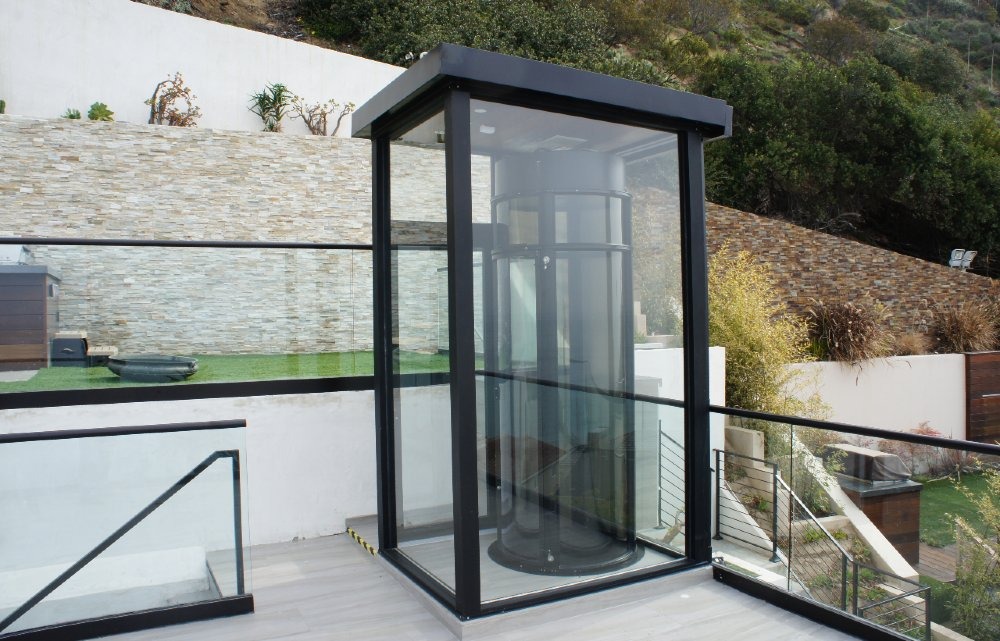
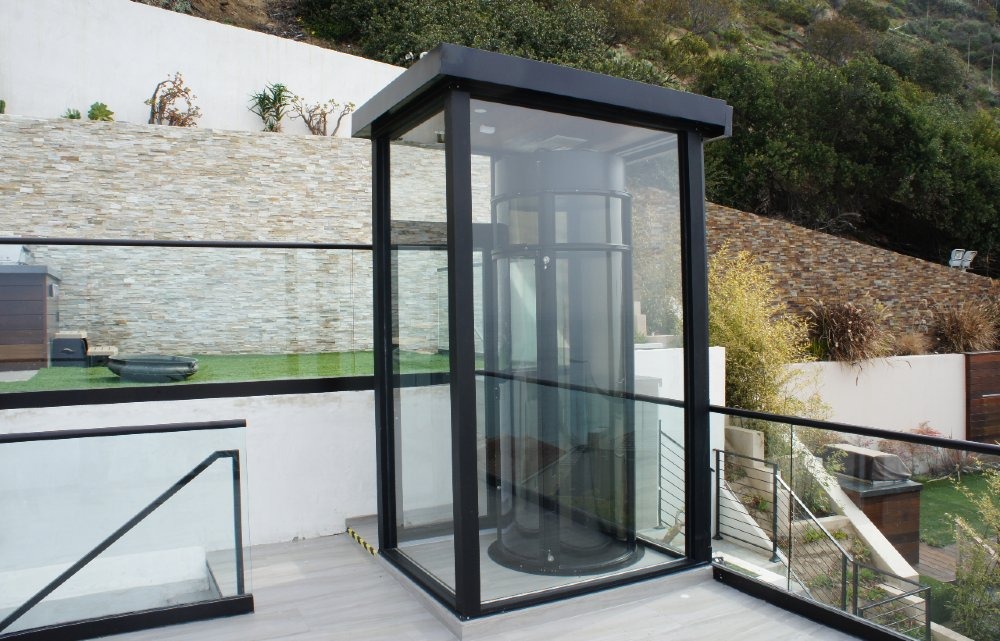
Pneumatic elevators are far more moveable than conventional elevators because they require no shaft, no pit, and no machine room. The cylindrical tube is modular by design, which means it can be disassembled into sections and reassembled on a new site. PVE units are self-supporting and built around a panoramic polycarbonate tube, which simplifies both deinstallation and reinstallation compared to systems built into the structure of a home.
PVE has installed over 20,000 units across more than 100 countries, and many of those units have been relocated between townhomes, condos, and single-family homes. Whether your specific unit can move depends on the technical fit with the new home, local permitting, and approval from an authorized PVE dealer.
What Factors Decide Whether Your Pneumatic Elevator Can Be Relocated?
Not every home is a compatible destination. A site evaluation of both the current and new property is the first step. The main constraints break into three categories.
Physical requirements
- Floor-to-ceiling heights on each level must match or closely align with the original configuration
- Vertical clearance of roughly 8 to 10 feet per stop is required
- Tube sections must fit through corridors and doorways during transport
- Structural support at the base must handle the load; no pit is required
Layout and placement
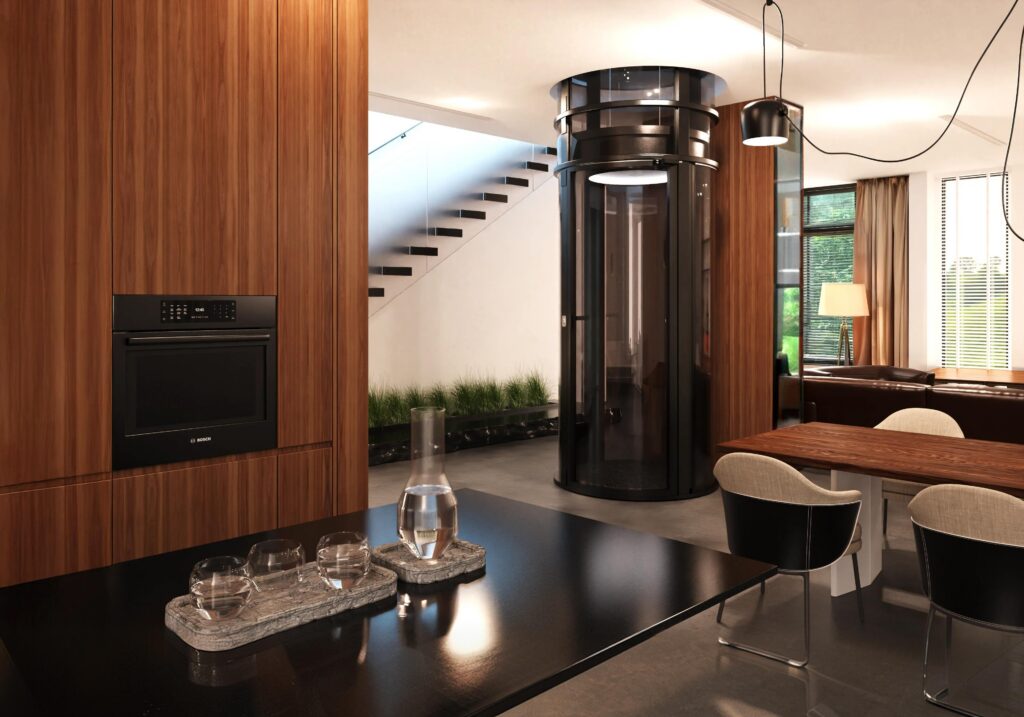
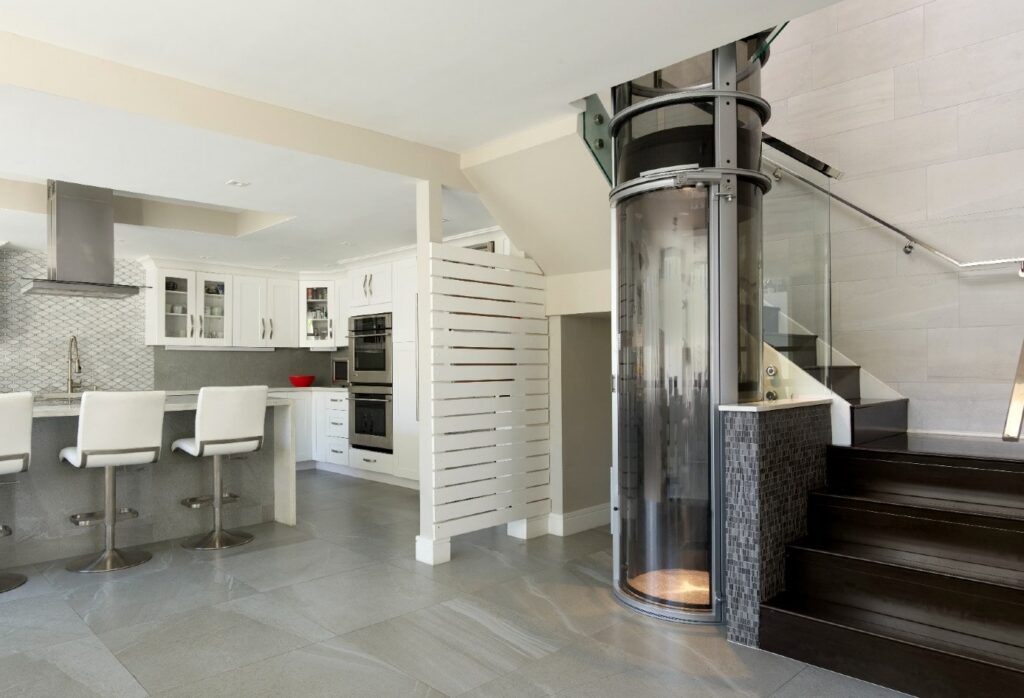
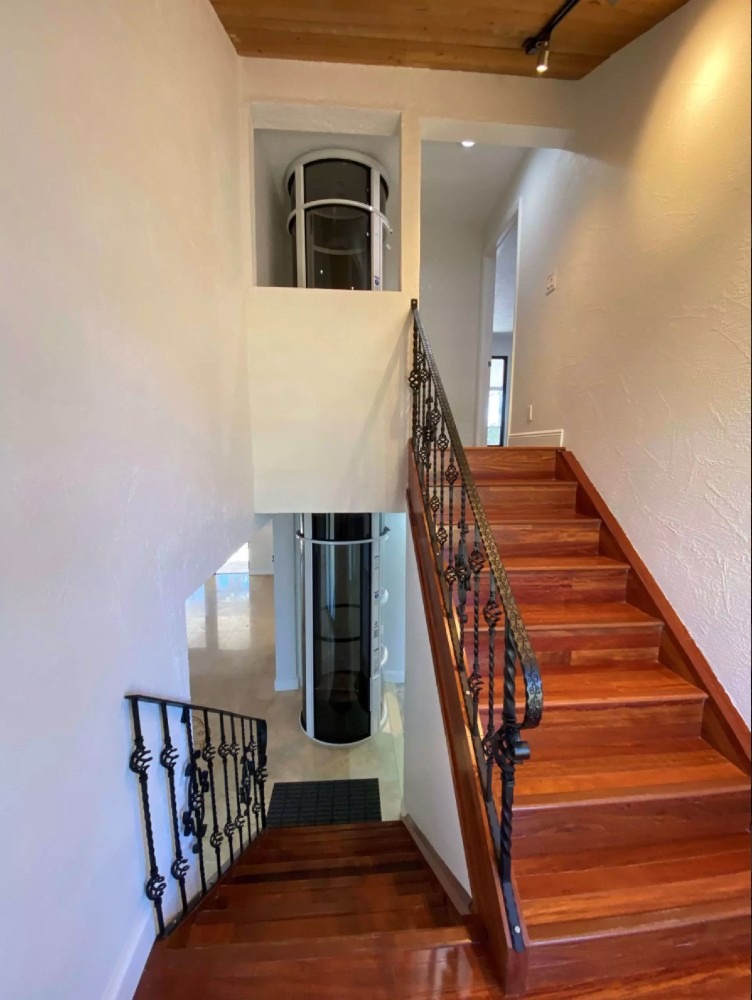
Where the tube sits inside the home matters. Common placements include near a staircase, in a corner, or through a balcony opening. The panoramic tube provides a 360-degree view while traveling, so placement affects both function and interior appearance.
Regulatory requirements
Local building codes typically require permits for removal and reinstallation. Older models may need updated seals, gaskets, or controls to meet current safety standards. In the U.S., pneumatic elevator systems are governed by ASME A17.7, and requirements vary by jurisdiction. Your dealer handles permitting coordination as part of the project scope.
How Does the Process of Moving a Pneumatic Vacuum Elevator Work?
Step 1: Initial consultation
Contact an authorized PVE dealer. Share your model (PVE30, PVE37, or PVE52), installation date, number of stops, and original drawings if available. The dealer assesses both homes for compatibility and provides a written proposal.
Step 2: Deinstallation
The system is powered down and vacuum pressure is safely vented. The cab is removed first, followed by the head unit — turbines, valves, and control panel. Modular tube segments are disassembled, labeled, and packed with electronics protected. Seals are handled carefully because airtight integrity is critical to proper operation.
Step 3: Transport and storage
Tube sections are crated, and sensitive components are packed to stay clean and dry. If there is a gap between removal and reinstallation, climate-controlled storage is recommended.
Step 4: Reinstallation
Floor openings are prepared, the base is anchored, and the shaft and cab are reassembled. Electrical supply is reconnected, and vacuum and safety tests confirm proper operation before the first ride. Reinstallation typically takes 2 to 3 days once permits and site prep are complete. Deinstallation may add another one to two days.
How Much Does It Cost to Move a Pneumatic Residential Elevator?
Moving a pneumatic elevator is generally less expensive than purchasing a new unit, but it is still a significant project.
Key cost drivers:
- Distance between homes
- Number of floors and stops
- Model size: single-passenger, three-passenger, or wheelchair-accessible
- Code upgrades needed for the destination jurisdiction
- Extent of structural and electrical work at the new home
Line items to budget:
- Removal and reinstallation labor
- Crating, transport, and storage
- Floor openings, framing, and headers
- Permits and inspection fees
- Replacement of worn seals, controls, or other components
For older or heavily used systems, relocation costs can approach the price of a new unit once labor and required modifications are factored in. Always request a written quote from your dealer and compare it against the home elevator cost of a new installation before deciding.
Is It Better to Move the Elevator or Install a New One?
This decision comes down to the age and condition of your current unit, how far you are moving, and what you need from the elevator in your next home.
Relocation makes sense when:
- Your PVE model is relatively new and well maintained
- The move is regional rather than cross-country
- Your budget is tight and a new unit is not necessary
- You have a specific attachment to the existing configuration
A new installation makes more sense when:
- You want a larger cab or a wheelchair-accessible model such as the PVE52
- The existing elevator is nearing the end of its service life
- Major design changes at the new home call for a different configuration
- You need updated accessibility features or controls
Homeowners planning to age in place should think long-term about cab capacity, control placement, and accessibility.
How Do You Prepare Your New Home for a Moved Pneumatic Elevator?
Proper site preparation keeps the move efficient and reduces the risk of change orders or delays.
Structural preparation:
- Cut or enlarge floor openings to accommodate the cylindrical shaft
- Reinforce the floor at the base with headers or doubled joists
- Confirm headroom above the top stop for the turbine and valve head unit
Utilities:
- A 220-volt, 30-amp dedicated electrical circuit is typically required; some models call for 25 to 35 amps
- Plan the location for the control panel and any emergency communication system
Placement planning:
Choose a location that keeps the elevator practical and, where appropriate, showcases the panoramic tube as a design feature. Most PVE elevators can be installed in 2 to 3 days once the contractor has completed framing and electrical work to the dealer’s specifications.
Does Moving a Pneumatic Elevator Affect Safety, Warranty, or Performance?
When relocation is handled by an authorized PVE dealer, safety and performance should match an original installation after final testing and inspection.
Unauthorized disassembly can damage seals, valves, and the vacuum pump, and may void your warranty. PVE’s warranty terms state that coverage is void if installation or maintenance is performed by non-authorized dealers or if modifications are made without written authorization.
Post-move testing includes:
- Multiple emergency-stop checks
- Power-failure descent tests — pneumatic elevators descend at a controlled speed when power is lost, using gravity as a failsafe
- Door interlock verification on each landing
- Full pneumatic safety check before the unit is cleared for use
Local inspection by the authority having jurisdiction is typically required after any relocation. A properly reinstalled unit should retain its energy-efficient performance because the air-driven technology does not change with a move. These systems draw power only during operation, keeping ongoing energy costs low.
How Does Moving a Pneumatic Elevator Affect Home Value and Resale?
Leaving a residential elevator in a multi-level home can be a selling advantage, particularly for buyers who value accessibility. Pneumatic elevators are visually distinctive and take up minimal floor space, both of which can support a higher asking price.
Removing the unit makes more sense when the next buyer is likely to prefer open floor space or when local demand for residential elevators is limited. A conversation with your real estate agent and your PVE dealer will help you weigh whether to relocate the elevator or position it as an included feature in the sale.
What Are the Alternatives if You Decide Not to Move Your Elevator?
Some homeowners choose to decommission or remove a pneumatic elevator rather than relocate it, particularly when moving long distances or changing living situations.
- Deactivation: Leave the elevator in place but powered off, with periodic safety checks, for future owners who may want to reactivate it.
- Full removal: Reclaim the floor space, but have it completed by qualified technicians to protect finishes and preserve the possibility of resale or component reuse.
- New installation: Install a model tailored to the next home’s layout. PVE offers multiple configurations to fit different cab sizes, accessibility needs, and floor plans.
Contact Pneumatic Vacuum Elevators to explore trade-in options, upgrades, or a new installation. PVE’s air-driven systems require no cables, pulleys, or hydraulic fluid, and operate without a traditional shaft, relying on air pressure and gravity for safe, reliable vertical travel.
FAQ
Can I move my pneumatic elevator to a different state or country?
Long-distance moves are possible but add cost and complexity. You will need to account for crating, shipping, customs for international moves, and compliance with the destination’s elevator codes. Contact PVE or an authorized dealer at both the origin and destination before committing to a cross-regional relocation.
How long does it take to move a pneumatic vacuum elevator?
Deinstallation typically takes one working day. Reinstallation in the new home generally takes 2 to 3 days once construction prep is complete. Total calendar time depends on permit approvals, transport schedule, and any remodeling needed at the new location.
Can I do any part of the move myself to save money?
Homeowners should not attempt to disassemble or modify a pneumatic elevator on their own. The risks to safety, warranty coverage, and code compliance are too significant. You can help by coordinating site access, preparing the space, and handling cosmetic work around the elevator opening. All technical work must stay with certified technicians.
Will my energy use change after the elevator is moved?
Energy use should remain similar. Pneumatic vacuum elevators draw power only during operation, regardless of location. Minor differences may come from usage frequency and the number of stops in the new home, not from the move itself.
What is the first step if I am considering moving my pneumatic elevator?
Locate your model, serial number, and original installation date, then contact Pneumatic Vacuum Elevators or your original dealer. Request a site visit and a written proposal that compares relocation with a new installation. Having both figures side by side makes the decision straightforward.
Does moving a pneumatic elevator require a permit?
Yes, in most jurisdictions. Both deinstallation and reinstallation typically require permits, and the completed work must pass inspection before the elevator is cleared for use. Your authorized dealer handles permitting as part of the project, but requirements vary by location.
Does reinstalling a pneumatic elevator cause major disruption to the home?
No. The installation process for a pneumatic vacuum elevator involves minimal construction and minimal disruption compared to traditional residential elevators. There is no pit to dig, no shaft to build, and no machine room required. In most cases the work affects only the floor openings at each stop, leaving the rest of the home interior untouched. If you are moving the elevator to a one-floor-to-two-floor configuration, the prep work is similarly contained. Most reinstallations are complete within 2 to 3 days.