Skip to content >

- Quick Answer: How Do Home Elevators Support Multigenerational Living?
- What Is Multigenerational Living Today?
- Why Are More Families Choosing Multigenerational Homes?
- What Challenges Do Multigenerational Families Face at Home?
- How Can Home Design Support Multigenerational Living?
- How Do Home Elevators Help Aging Parents and Grandparents?
- How Do Home Elevators Support Caregivers and Young Families?
- What Makes Pneumatic Vacuum Elevators Different for Multigenerational Homes?
- Best Home Elevator Models for Multigenerational Living
- Can You Add a Home Elevator to an Existing Multigenerational Home?
- How Do Home Elevators Affect Safety, Independence, and Home Value?
- How Should Families Plan a Home Elevator for Multigenerational Use?
- Pneumatic Vacuum Elevators for Multigenerational Housing
- Frequently Asked Questions
More families than ever share a home across generations. Grandparents, parents, and children living under one roof brings warmth and shared resources, but it also creates real challenges around mobility, safety, and daily routines. A residential elevator can solve many of these problems by giving every family member safe, independent access to every floor.
This guide explains why multigenerational living is growing, what obstacles families face in multi-story homes, and how a home elevator fits into the picture as a practical, long-term home upgrade.
Quick Answer: How Do Home Elevators Support Multigenerational Living?
A home elevator lets children, adults, and aging parents move between floors safely without using stairs. It reduces fall risks for older people and eases physical strain on family caregivers. In multigenerational homes, an elevator helps every generation share one roof more comfortably by improving access to bedrooms, bathrooms, and living spaces. It supports independent living for grandparents and makes daily routines easier for busy families with several generations under the same house.
What Is Multigenerational Living Today?
Multigenerational living means two or more adult generations live in the same home. This may include aging parents, adult children, grandparents, young children, or other relatives.
Many families choose this setup to share expenses, support older loved ones, help with childcare, or stay close as a family. But the home must work for everyone. If bedrooms, bathrooms, laundry rooms, or living areas are on different floors, stairs can become a daily barrier.
That is why many families look for home upgrades that improve safety, access, and independence.
Why Are More Families Choosing Multigenerational Homes?
Economic pressures and an aging population are pushing multigenerational housing into the mainstream across North America and around the world. Rising housing costs are a driving factor in this trend. When families pool income for mortgage payments, utilities, and groceries, the financial burden drops significantly. Financial savings occur when households share rent, utilities, and groceries, and multigenerational living can reduce financial burdens on families overall.
Healthcare costs play a major role too. Many families cannot afford assisted living for aging parents. Caring for older people at home becomes more practical when the home is set up for safe access. Longer life expectancy means more adults live into their 80s and 90s with mobility challenges, and their adult children often step in as caregivers.
Young people face their own pressures. By 2022, one-third of Americans aged 25-29 lived in multigenerational households. In 2022, 25% of Gen Z and Millennials lived with their parents, and one in four Gen Zers did so for financial reasons. Student debt and housing costs make it impossible for many young adults to afford living alone.
Cultural values also matter. In many communities, the extended family has always lived together. Daily interactions in multigenerational homes help maintain cultural heritage and family values across different generations and other generations that follow. For immigrants and certain ethnic groups, this intergenerational lifestyle has deep roots in culture and society.
COVID-19 accelerated the trend between 2020 and 2022. Adult children moved back in with parents. Grandparents moved in with younger generations for health monitoring and support. The interest in multigenerational housing among homebuyers reached 17% in 2025, a record.
What Challenges Do Multigenerational Families Face at Home?
Multigenerational homes need to support people of different ages, routines, and mobility levels. What works for young children or healthy adults may not work for aging parents or grandparents.
Common challenges include:
| Challenge | Why It Matters |
| Stairs | Can increase fall risk and limit access to upper floors |
| Shared spaces | May create privacy or routine conflicts |
| Caregiving needs | Can add physical and emotional strain |
| Mobility changes | May make bedrooms, bathrooms, or laundry rooms harder to reach |
| Future planning | Families need homes that can adapt over time |
A home elevator can help solve one of the biggest challenges: safe movement between floors.
How Can Home Design Support Multigenerational Living?
Multigenerational housing works best when the layout supports all ages, from youth to grandparents with limited mobility. Smart design gives each person the ability to move through the home safely and with a sense of independence.
Key strategies include main-floor bedrooms for aging parents, wider doorways (at least 32 to 36 inches), step-free entries, good lighting throughout, and accessible bathrooms with grab bars. Central gathering areas like the kitchen and living room help several generations stay connected, while private suites give each generation their own space.
Vertical circulation matters enormously in a two- or three-story home. Stairs limit who can reach which floor. A residential elevator changes that equation entirely, giving every family member full access to the whole house. Many existing homes can be improved with targeted home modifications rather than full rebuilds, including adding a home elevator to connect floors safely.
How Do Home Elevators Help Aging Parents and Grandparents?
Stair-related falls are a serious concern in any multigenerational home. Over 14 million U.S. adults aged 65 and older fall each year, and stair falls among seniors cause roughly 278,000 emergency room visits annually. A home elevator eliminates the need to climb stairs at all.
With a residential elevator, aging parents can reach bedrooms, laundry rooms, and family spaces on upper floors independently. This supports aging in place, letting older adults stay in a familiar home through their 70s, 80s, and beyond. Living with extended family can combat loneliness and social isolation in older adults, and multigenerational living enhances emotional support and can improve mental wellness for seniors. But these benefits only work when grandparents can actually participate in daily life across the whole house.
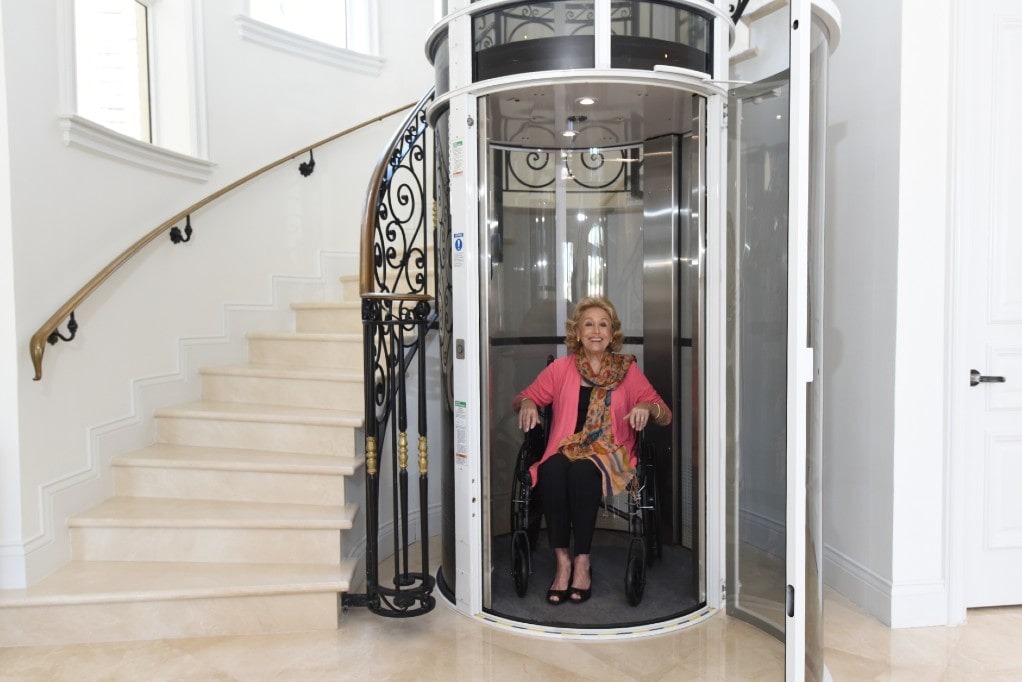
An elevator also reduces reliance on family caregivers for basic movement between floors. Adult children no longer need to physically assist a parent up and down stairs multiple times a day. Wheelchair-accessible elevator models, such as PVE’s larger cabin, allow grandparents with walkers or wheelchairs to move safely between floors with a caregiver riding alongside. For more guidance, read our guide to home elevators for seniors and how they support independence in daily life.
How Do Home Elevators Support Caregivers and Young Families?
Caregiving in a multi-generational home often means carrying children, strollers, laundry baskets, groceries, and medical equipment up and down stairs several times a day. This is exhausting and risky, especially on narrow or steep staircases.
A home elevator makes it easier for parents and grandparents to transport babies, car seats, and supplies between levels without lifting on stairs. It also helps family caregivers assisting relatives with mobility challenges. Safer transfers mean less back strain and fewer injuries for the person giving care.
In multigenerational living, elevators help coordinate daily routines across multiple floors. School runs, meal prep, and bedtime happen more smoothly when everyone can reach the kitchen, bedrooms, and living areas without waiting for help on the stairs. Friends and visiting relatives also benefit from easy access when they contribute to the household’s busy schedule.
What Makes Pneumatic Vacuum Elevators Different for Multigenerational Homes?
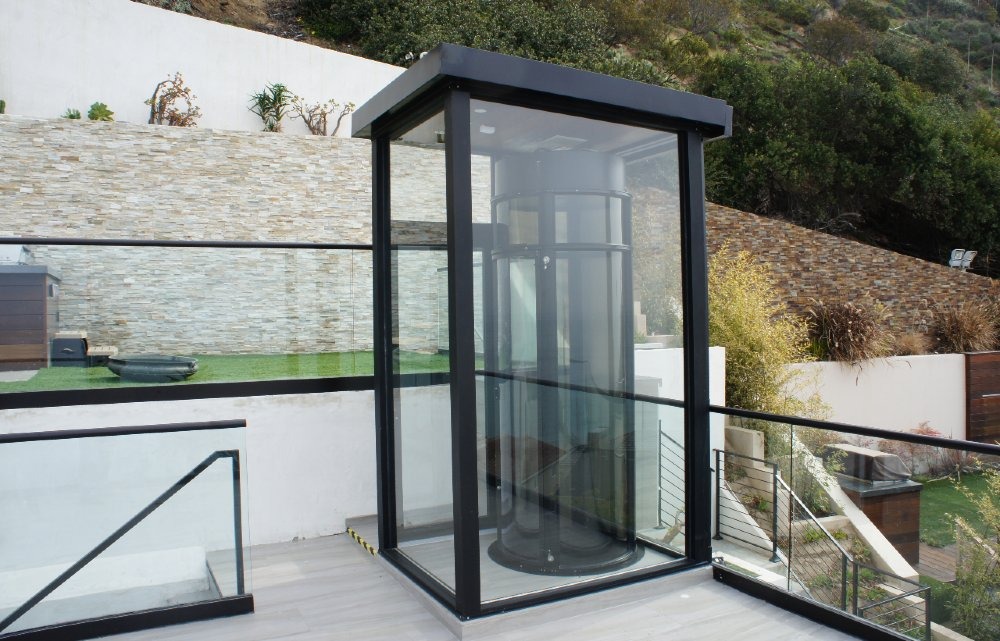
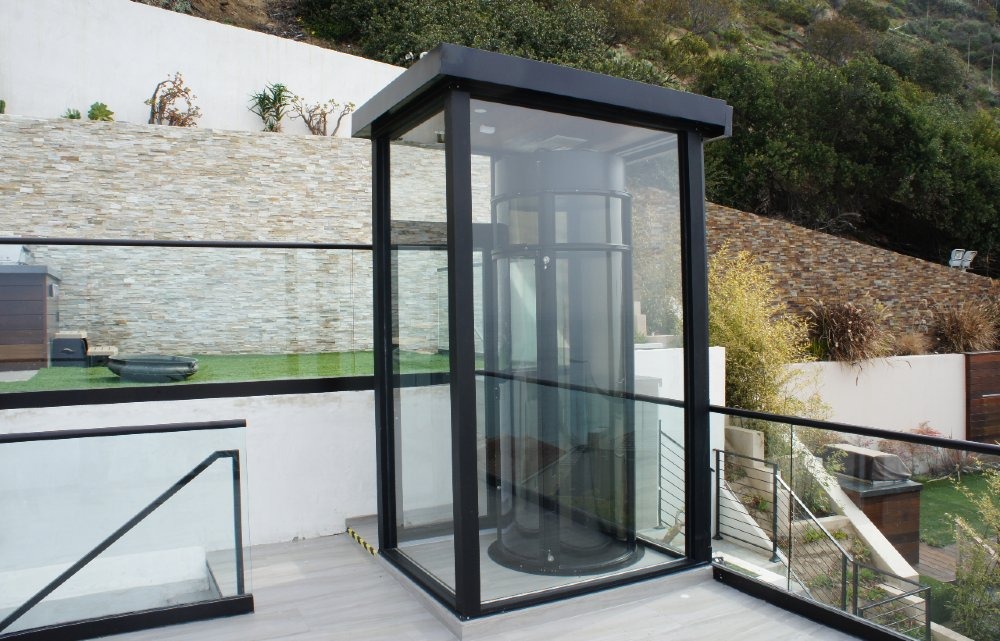
Pneumatic Vacuum Elevators (PVE) manufactures air-driven residential elevators specifically designed for existing homes. Unlike traditional cable or hydraulic systems, PVE elevators use air pressure to move the cabin, creating vacuum above to lift and releasing air for a gentle descent.
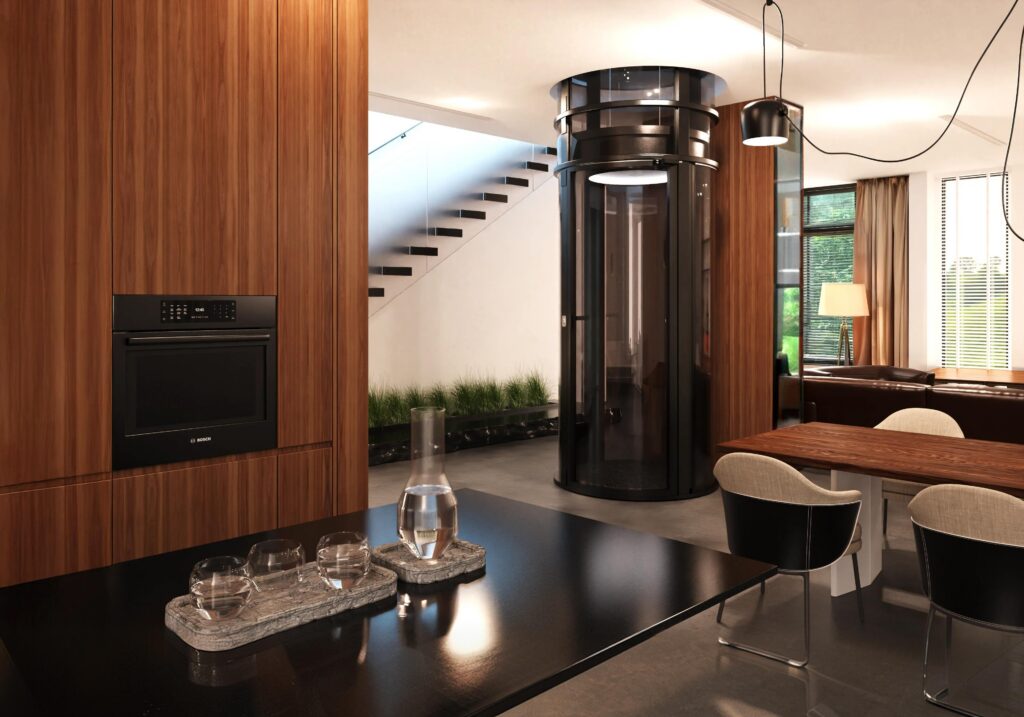
The shaftless design is a major advantage for multigenerational families. There is no deep pit, machine room, or major structural overhaul needed. The elevator sits inside a self-supporting transparent tube that can be installed through floor openings with relatively minor construction. This point matters in homes where several generations are already living during the upgrade.
Installation often takes just two to three days once site preparation is complete, which limits disruption for families already in the home. The panoramic, 360-degree glass cabin allows caregivers to visually monitor riders such as children or older adults from outside the elevator.
PVE elevators are also eco-friendly. Power is mostly used for ascent, while descent relies on gravity and controlled air release. Energy consumption is low, and there is no hydraulic oil to leak or maintain.
Best Home Elevator Models for Multigenerational Living
Different family setups need different cabin sizes. A home with one aging parent has different needs than a household with a wheelchair user, a live-in caregiver, and grandchildren. Choosing the right model at the start saves time and cost later.
PVE offers three main residential elevator models. The PVE30 is a compact, single-passenger elevator built for smaller homes. The PVE37 carries two passengers and handles everyday family use. The PVE52 is designed for wheelchair users and caregivers, with a larger cabin that fits a wheelchair plus one standing rider.
Model Comparison for Multigenerational Homes
| Model | Capacity | Best For |
| PVE30 | 1 passenger | Compact spaces |
| PVE37 | 2 passengers | Everyday family use |
| PVE52 | 3 passengers | Wheelchair users and caregivers |
Families should match elevator size to the needs of aging parents, visiting grandparents, or live-in caregivers. If a household expects increasing mobility challenges over the next decade, a larger model may be the responsible choice from the start. Visit the PVE30, PVE37, and PVE52 product pages for detailed measurements and planning guidance.
Can You Add a Home Elevator to an Existing Multigenerational Home?
Many existing homes, including older houses and townhomes, can accept a shaftless residential elevator. You do not need a brand-new build or a complete renovation to make this happen.
Common placement options include through-the-floor installation alongside a staircase, in a corner of a living room, or inside a closet or bedroom. The small footprint of pneumatic elevators helps in tight floor plans common in urban and suburban homes built in the 1970s through the 2000s.
A typical project follows this timeline: initial home assessment, design and permitting where required, then a two- to three-day physical installation once the unit arrives. Because PVE elevators are shaftless and self-supporting, construction is lighter than with traditional systems. Disruption is usually limited, which matters when the family is already living in the home.
How Do Home Elevators Affect Safety, Independence, and Home Value?
Safety and independence are the top priorities for families caring for aging parents under one roof. A residential elevator directly addresses both.
On the safety side, an elevator removes the leading cause of in-home fall injuries: stairs. PVE elevators include emergency stop features, backup lowering systems for power outages, and meet residential safety certifications. These features give families peace of mind, whether the rider is a grandparent, a child, or an adult recovering from surgery.
Independence improves because older adults and family members with mobility challenges can move freely without waiting for help. This supports aging in place and preserves the relationships that make multigenerational living work. Nobody wants to feel like a burden, and nobody wants to deal with the stress of constant physical assistance.
Home value benefits as well. Research shows multigenerational homes list for about 65% more than standard homes nationally. Accessibility solutions, including a home elevator, can make a property more attractive to future buyers in aging communities. While appraisals vary by market, thoughtful upgrades often lead to stronger resale interest.
How Should Families Plan a Home Elevator for Multigenerational Use?
Planning ahead is the single best thing families can do. Think about both present needs and what the next 10 to 20 years might bring in terms of age, health, and household changes.
Start by listing who will use the elevator: aging parents, young kids, adults recovering from injuries, wheelchair users, and visiting relatives. Consider whether a caregiver may need to ride along, which affects cabin size. A model like the PVE52 accommodates a wheelchair plus a standing rider.
Choose a location that serves the areas used most by several generations. Bedrooms, laundry, kitchen, and the main family room should all be easy to reach from the elevator. Talk to family members about their daily routines and where they spend time.
Consult with an authorized PVE dealer or installer early. They can review your home’s layout, structural details, and local permit requirements. Early planning can save both time and cost as the household ages and caregiving roles expand.
Pneumatic Vacuum Elevators for Multigenerational Housing
Pneumatic Vacuum Elevators has designed and manufactured the world’s only vacuum elevators since 2002.
PVE elevators use patented technology based on simple physics and innovative materials. They are self-supporting, machine-room-less, low maintenance, eco-friendly, and designed for plug-and-play installation.
PVE offers three residential elevator models:
- PVE30: single-passenger elevator
- PVE37: two-passenger elevator
- PVE52: three-passenger, wheelchair-accessible elevator
With over 250 authorized dealers across five continents, PVE supports homeowners through planning, installation, and service.
Frequently Asked Questions
Below are answers to common questions about multigenerational living and home elevators that were not fully covered in the sections above.
How much maintenance does a residential elevator from PVE require?
Pneumatic home elevators generally need less maintenance than traditional cable or hydraulic lifts because they have fewer moving parts and no hydraulic fluid. PVE recommends annual inspections, during which a technician reviews seals, pressure controls, and safety systems. Following the manufacturer’s maintenance schedule helps keep the elevator safe and reliable for all generations using it daily.
What happens to a vacuum home elevator during a power outage?
PVE elevators are designed to descend safely to the lowest level and open in a controlled way during a power loss. The system does not stop between floors with passengers trapped, which is especially important for aging parents and children riding alone. Homeowners can ask their dealer about specific backup and safety features available in their region.
Is a home elevator loud or disruptive for family members?
There is some motor noise when the elevator travels, but it is generally quieter than traditional hydraulic pumps or cable-driven systems. Many multigenerational families install elevators near existing stairs or hallways where normal household noise is already present. Installers can suggest placement options to minimize disruption to bedrooms and quiet areas, keeping the home comfortable for everyone from birth to old age.
How long does it usually take to install a PVE elevator in an occupied home?
The process starts with an initial consultation and measurement, followed by permitting where required. The physical installation typically takes two to three days once the unit arrives. Because PVE elevators are shaftless and self-supporting, construction is often lighter than with traditional home elevators. This shorter timeline helps multigenerational families avoid long periods of disruption while continuing to live in the house.
Can we start with a smaller PVE model and upgrade later if family needs change?
While it may be possible to change models later, planning for future needs up front is usually more efficient. Installing a larger model from the start avoids the cost and disruption of a second installation. Families expecting increasing mobility challenges should speak with a dealer about cabin size and capacity before the project begins. Early planning saves both time and money as the population of the household ages and caregiving roles expand.
How does multigenerational living benefit grandparents, parents, and young adults?
Multigenerational living allows grandparents, parents, young adults, and children to share resources and support one another under one roof. Families often choose this lifestyle to help with medical care, reduce economic stress, and strengthen relationships between different generations. Living together can also help older people maintain a sense of connection while allowing younger family members to benefit from the experience and support of parents and grandparents. A home designed for several generations can improve comfort, independence, and quality of life for everyone.