Skip to content >

- Quick Answer
- Key Takeaways
- How Long Do Home Elevators Last?
- Elevator Upgrade vs. Full Replacement
- Should You Upgrade or Replace Your Home Elevator?
- 7 Signs It's Time to Replace Your Home Elevator
- How Replacing an Old Elevator Can Benefit Your Home
- Why Many Homeowners Choose Pneumatic Vacuum Elevators (PVE) as a Replacement
- Can You Replace a Hydraulic Home Elevator with a Vacuum Elevator?
- Next Steps: Evaluating Whether to Upgrade or Replace Your Home Elevator
- Frequently Asked Questions About Replacing a Home Elevator
Most home elevators serve reliably for years, but every mechanical system has a finite life. Knowing when to replace a home elevator can save you money, reduce stress, and keep your household safe. This guide walks through the typical lifespan of a residential elevator, explains the difference between elevator upgrades and full replacement, and details seven warning signs that it may be time for a new system.
Quick Answer
Most home elevators last about 20–30 years with proper maintenance. If your elevator has frequent breakdowns, outdated safety features, expensive repairs, or no longer meets your accessibility needs, replacing it is often more cost-effective than continued repairs.
Key Takeaways
- A well-maintained residential elevator generally lasts between 20 and 30 years, but aging components, outdated technology, and rising repair costs can make replacement the smarter long-term choice.
- Warning signs include frequent breakdowns, difficulty finding replacement parts, safety concerns, costly repairs, and declining ride quality.
- Modern elevators offer better performance, energy efficiency, the latest safety features, and can greatly improve home value.
- Elevator upgrades or elevator modernization can help mid-life systems, but older elevators with multiple issues are better suited for complete replacement.
- Pneumatic Vacuum Elevators (PVE) offer a low-maintenance, eco-friendly replacement option with fast, minimally invasive installation.
How Long Do Home Elevators Last?
Home elevators often last 20 to 30 years with proper care, though some systems may need major updates sooner depending on the elevator type, usage, maintenance history, installation quality, and home environment. Factors like frequent daily use, missed service appointments, humidity, or aging components can shorten the life of the system.
For many homeowners, the first signs of aging appear around the 15-to-20-year mark. You may notice more frequent repairs, outdated controls, slower performance, or parts that are harder to source. By 20 to 30 years, many elevator systems may require either significant modernization or full replacement.
Routine service can help an existing elevator operate safely, but there comes a point when replacement may be the more practical and cost-effective decision. Modern options, including shaftless and vacuum-powered home elevators, often use fewer traditional wear components, which can simplify long-term maintenance expectations.
Elevator Upgrade vs. Full Replacement
Elevator modernization focuses on targeted upgrades rather than full replacement. This can mean updating the control system, door operators, elevator cab interior, or safety features while keeping the existing elevator structure and hoistway intact. Elevator modernization costs are typically lower than full replacement, and modernization can extend an elevator’s life by several years.
When elevator upgrades make sense:
- Elevator under roughly 20 years old
- Structure and hoistway in good condition
- No major safety defects
- Replacement parts still available
- Owner wants better performance or a refreshed look
When full replacement is preferable:
- The elevator has frequent breakdowns across multiple systems
- Repair costs are becoming difficult to justify compared with the value of a newer elevator
- Replacement parts are obsolete, difficult to source, or no longer supported by the manufacturer
- The system has serious safety concerns or code compliance issues
Common upgrades include control systems, motors, and safety features. Modernization is often more cost-effective than full elevator replacement, but modernization projects have limits. Ask a qualified elevator modernization company to compare the 5–10-year cost of continued upgrades versus installing a new home elevator.
Should You Upgrade or Replace Your Home Elevator?
If you’re unsure whether your elevator needs a few updates or a complete replacement, this comparison can help you decide which option best fits your situation.
Consider an Elevator Upgrade When… | Consider Full Elevator Replacement When… |
The elevator is still reliable overall | The elevator breaks down frequently |
Repairs are occasional and manageable | Repair costs keep increasing |
Replacement parts are still available | Parts are obsolete or difficult to source |
The system meets current safety expectations | Safety features are outdated or code issues are present |
The cab, controls, or finishes simply need updating | Multiple major components are aging or failing |
Your mobility needs have not changed significantly | The elevator no longer supports your accessibility needs |
The existing hoistway and structure are in good condition | Renovations or layout changes make a new system more practical |
7 Signs It’s Time to Replace Your Home Elevator
These warning signs often appear after 15–25 years of service but can emerge earlier in heavily used or poorly maintained systems. One sign alone may not be definitive, but when several appear together-frequent repairs plus obsolete parts plus safety concerns-a full replacement usually makes practical and financial sense. Keep a simple log of service calls and repair invoices over 12–24 months to see trends clearly.
1. Frequent Breakdowns and Unreliable Operation
Elevators over 20 years old often require frequent repairs. If your elevator gets stuck between floors, doors failing to open or close suggest sensor malfunctions, or error messages appear repeatedly on the control system, reliability has likely declined beyond what minor upgrades can fix. Malfunctioning control panels require immediate attention. Frequent breakdowns indicate a need for elevator replacement.
Industry guidelines suggest that more than four to six service calls per year beyond routine service points to systemic wear. Signs for replacing a home elevator include a system age of 20 to 30 years combined with recurring faults. If the same fault codes and leveling errors keep returning, multiple key components are failing simultaneously. Reliable performance is a top priority for anyone with mobility challenges.
2. Rising Repair Costs and Difficult-to-Find Parts
As older systems age out, manufacturers discontinue specific motors, control boards, and door operators. Replacement parts may be difficult to find for older elevator models, with lead times stretching six to twelve weeks or longer. Labor costs climb when certified technicians must troubleshoot around outdated components rather than installing straightforward replacements.
A full elevator replacement is necessary when maintenance costs are high and climbing year over year. Condition, safety, and maintenance history are critical for evaluating elevator replacement decisions. Modernized elevators often require fewer repairs and less maintenance. Switching to a modern system with widely supported parts-or to a design with fewer moving parts-greatly reduces the risk of future difficulty finding replacement parts.
3. Outdated Safety Features or Code Compliance Concerns
Many older elevators can still be operated safely, but they may lack modern safety features required by current codes like ASME A17.1. Older elevators may not meet current safety standards, and older elevators may lack modern safety updates such as emergency communication systems.
Modern home elevators commonly include safety features like battery-powered lowering systems, enhanced door interlocks, updated emergency brakes, and refined control system diagnostics. New elevators include the latest safety features for passenger protection. If a recent inspection flags non-compliant clearances, outdated safety locks, or recommends significant upgrades, evaluate whether those investments belong in an aging system or a new one that meets current safety regulations from day one.
4. Poor Ride Quality, Noise, and Inefficient Performance
Everyday signs of declining performance include jerky starts or stops, unusual noises, and slower travel between the first floor and top floor. Jerky movement often signals issues with the motor or hydraulic system. Unusual noises indicate potential mechanical wear. Uneven leveling with the floor may indicate a calibration problem.
Aging hydraulics, worn out components, and dated control logic lead to rougher rides and higher energy consumption. Older systems may lack energy efficiency features found in modern elevators. If you have already tried performance upgrades without major improvement, this points toward a complete replacement. Newer air-driven residential elevators provide smoother acceleration, quieter operation, and better performance noticeable to daily users.
5. Changing Mobility, Accessibility, or Lifestyle Needs
Homeowner needs change over time-aging in place, accommodating a wheelchair, or welcoming an aging parent. Older home elevators may have narrow doors, a small elevator cab, or lack features like low-mounted controls and panoramic visibility.
When the elevator no longer comfortably fits current mobility devices, it may be more practical to install a modern model designed for accessibility. A well-chosen replacement allows safe, independent access between floors. Some modern systems, including wheelchair-accessible vacuum home elevators, are designed with spacious cabins and minimal structural requirements, making them suitable for retrofit projects in existing houses with limited space.
6. Outdated Appearance That Hurts Enjoyment or Home Value
An older, worn-looking elevator cab with faded panels, scratched doors, and yellowed lighting can impact perceived home value-especially in renovated or luxury homes. Elevator modernization improves safety, reliability, and appearance, but there is a point where many homeowners prefer a new, modern design over refreshing outdated parts.
A sleek, panoramic, or glass-style elevator can become a design focal point, increasing enjoyment for current owners while supporting resale value. Modernized systems look and feel current, but a full modernization on an outdated structure may still fall short of what a new elevator delivers in both function and appearance.
7. Major Home Renovations or Structural Changes
Large renovations-adding new floors, reconfiguring layouts, or undertaking a whole-home remodel-are ideal moments to reassess the existing system. Relocating an elevator structure, expanding a cabin, or improving clearances is far easier when construction is already underway.
Modern, shaftless, self-supporting home elevators simplify residential modernization projects by avoiding deep pits, separate machine rooms, or bulky hoistways. Coordinating elevator replacement with a major renovation creates a cleaner, more integrated design and minimizes overall disruption.
How Replacing an Old Elevator Can Benefit Your Home
Elevator replacement is an investment that delivers concrete improvements. Modernized elevators can improve safety and performance significantly, with a new control system, drive technology, and door equipment providing smoother, quieter rides and fewer repairs.
Updated, code-compliant systems simplify future inspection and maintenance. Annual professional maintenance is highly recommended for home elevators, and annual professional inspection and servicing are essential for elevator safety and efficiency-both become more predictable and affordable with new components. The lifestyle benefits are tangible: easier aging in place, confidence hosting guests with mobility needs, and a home that operates smoothly for the next stage of life.
Why Many Homeowners Choose Pneumatic Vacuum Elevators (PVE) as a Replacement
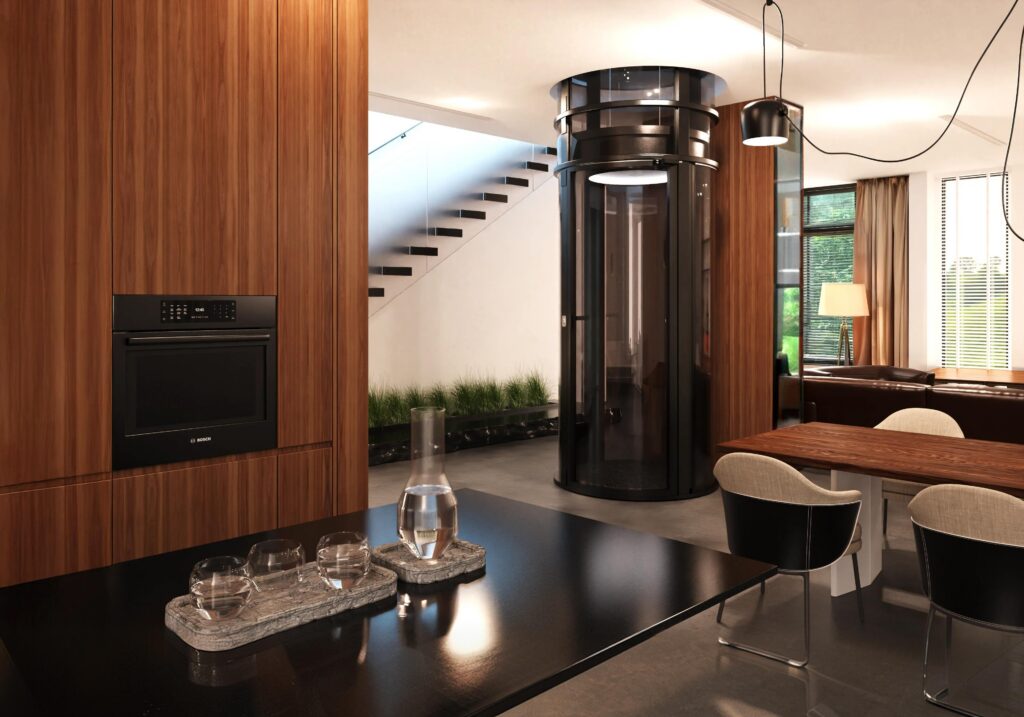
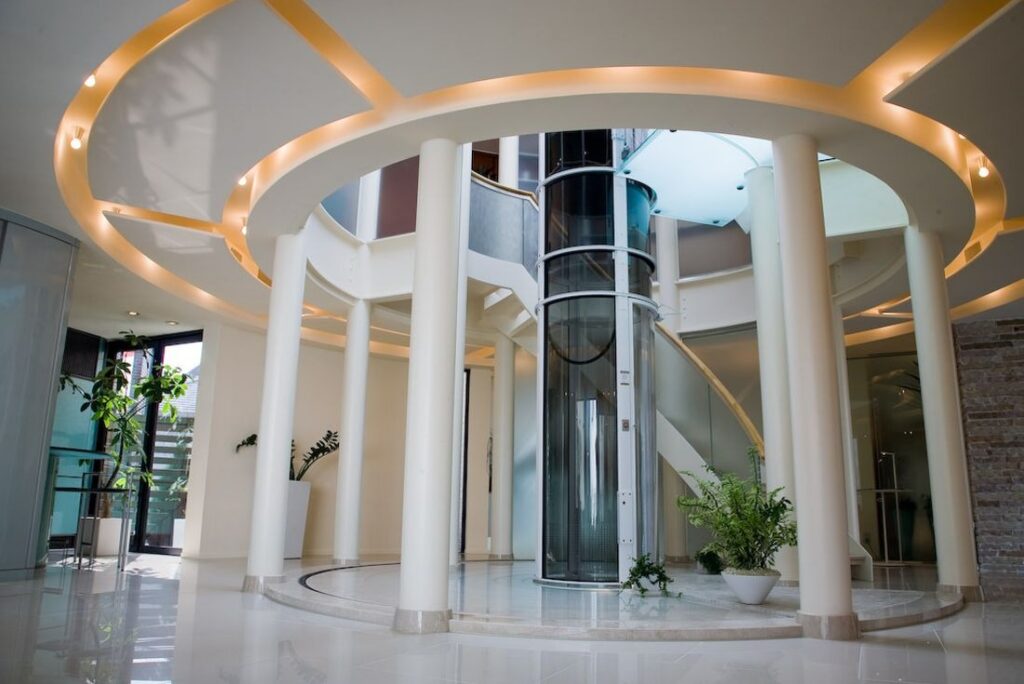
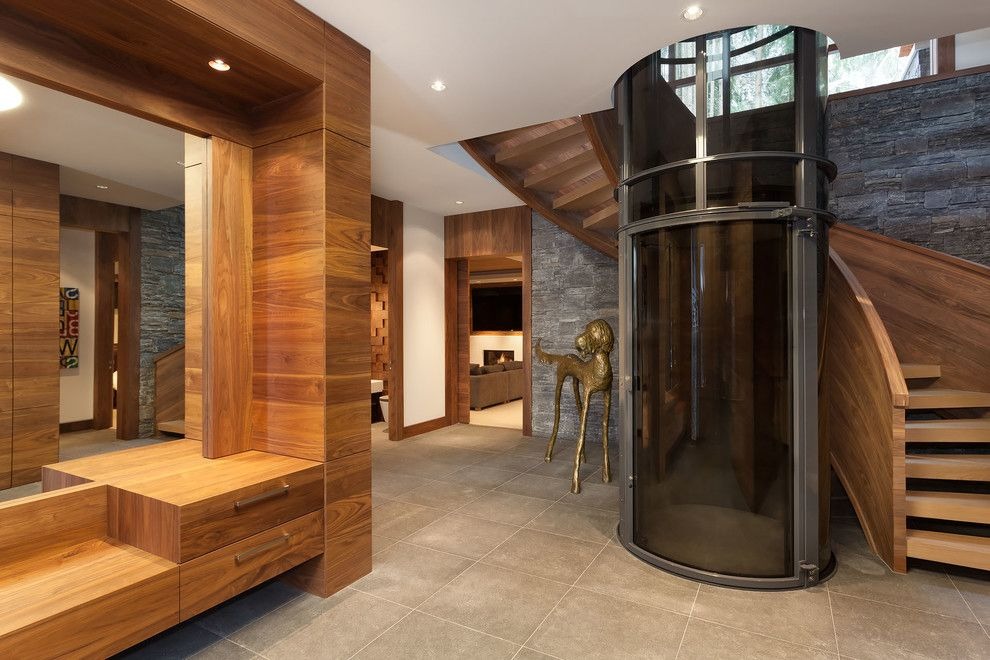
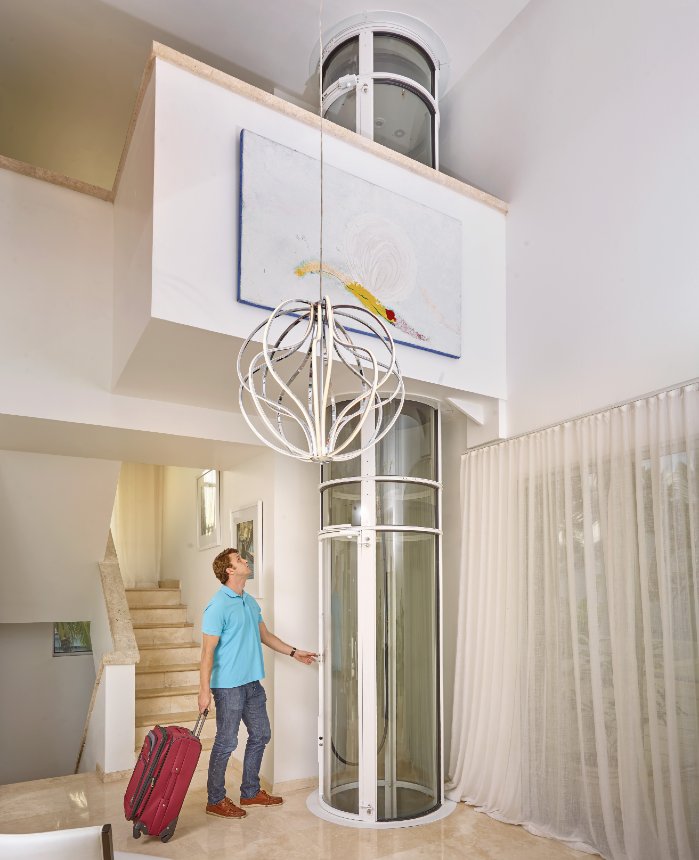
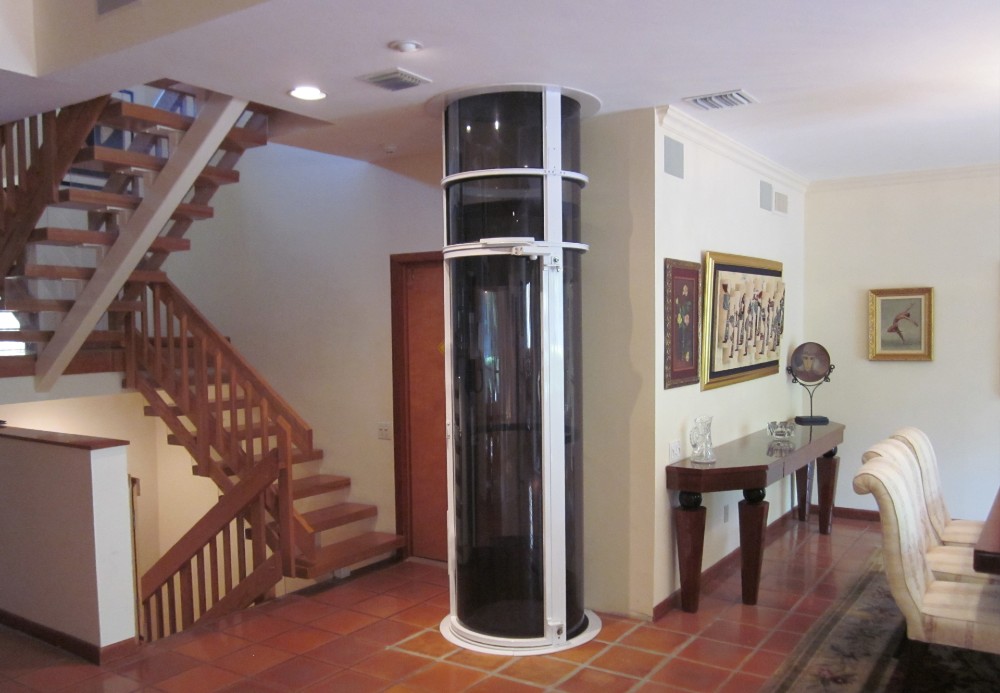
Pneumatic Vacuum Elevators (PVE) manufactures modern, air-driven home elevators designed for residential use and retrofit projects. The elevator cab moves inside a transparent tube using air pressure differences-no cables, counterweights, pits, or machine room needed.
For replacement scenarios, PVE offers distinct advantages:
- Self-supporting shaftless design that fits into tight spaces near a stairwell or in a corner
- Installation in 2–3 days once site prep is complete
- Fewer moving parts than traditional systems, with no hydraulic oil
- Eco-friendly operation using energy primarily during ascent, with gravity assisting descent
- Multiple models including single-passenger (PVE30), multi-passenger (PVE37), and wheelchair-accessible options.
How a PVE Replacement Compares to Traditional Systems
Homeowners considering elevator replacement often compare vacuum elevators to familiar hydraulic or traction mechanical systems. PVE units require no deep pit or overhead machine room, feature panoramic design versus an enclosed shaft, and install faster with less structural disruption.
PVE’s modular, plug-and-play installation reduces disruption compared to tearing out and rebuilding a traditional hoistway. These elevators are safety-certified and used worldwide. Consider vacuum elevators especially when existing hoistways are undersized, damaged, or inconveniently located-PVE units can often be placed in new, more practical locations within the home.
Can You Replace a Hydraulic Home Elevator with a Vacuum Elevator?
Yes, many homeowners can replace an older hydraulic home elevator with a vacuum elevator, depending on the home’s layout, available space, and existing structural conditions. A professional evaluation is needed to determine whether the current hoistway can be reused, modified, or bypassed with a new elevator location.
For homeowners replacing a hydraulic system, Pneumatic Vacuum Elevators offer several retrofit advantages. PVE elevators are self-supporting and do not require a deep pit, machine room, or hydraulic equipment. Because they operate using air pressure rather than cables, counterweights, or hydraulic fluid, they can often be installed with less construction than many traditional replacement options.
This makes a vacuum elevator especially appealing when an existing hydraulic elevator is outdated, difficult to repair, or no longer fits the homeowner’s accessibility needs. A PVE dealer can inspect the home, review the existing elevator setup, and recommend the best replacement approach.
Next Steps: Evaluating Whether to Upgrade or Replace Your Home Elevator
The decision between elevator modernization and full replacement should rest on objective information, not guesswork. Schedule a professional evaluation that reviews elevator age, repair history, ride quality, part availability, and current safety features. Request a side-by-side estimate comparing continued modernization over the next 5–10 years versus a new elevator, including installation, maintenance, and likely repair costs.
Think about long-term plans-aging in place, caregiving needs, or potential resale-so your choice supports future requirements.
Ready to explore your options? Contact Pneumatic Vacuum Elevators or an authorized local dealer for a complimentary consultation to discuss replacement options, site conditions, and model selection.
Frequently Asked Questions About Replacing a Home Elevator
These FAQs address practical questions that come up once homeowners begin seriously considering elevator replacement.
How long does it usually take to replace a home elevator?
Timelines range from several days to a few weeks depending on the project scope. PVE installations are often completed in two to three working days after framing and electrical preparation. More extensive construction-such as removing an old shaft or reconfiguring walls-extends the timeline. A site visit provides an accurate schedule tailored to your home.
Can I live in my home while the elevator is being replaced?
In most residential projects, homeowners remain in the house during replacement. There will be periods of noise and limited access around the work area, so plan temporary adjustments like alternate entrances. Those who rely on the elevator for daily mobility should discuss interim access solutions with their installer. Vacuum elevators require less invasive structural work, which often means shorter, more contained disruption.
What happens to my old home elevator when I replace it?
The elevator company typically removes major elevator components-the cab, rails, drive equipment, and doors-for proper disposal or recycling. Some existing structures like hoistway walls may be reused if compatible with the new system. Confirm in writing whether removal and disposal are included in the proposal. When switching to a shaftless system, the old hoistway space can sometimes be repurposed for storage or closets.
Is replacing my home elevator covered by insurance or warranties?
Standard homeowners insurance usually does not cover replacement due to normal wear, but may help if damage results from a covered event like a storm. Existing manufacturer warranties on very old elevators are typically expired by the time replacement is considered. New components from manufacturers like PVE generally come with warranties on major components, plus optional extended coverage through dealers.
How do I know which replacement elevator is right for my house?
Start with a professional site evaluation reviewing available space, number of floors, electrical capacity, and structural considerations. List your priorities-wheelchair accessibility, minimal construction, panoramic design, energy efficiency, or quick installation. PVE and its authorized dealers can propose specific models tailored to your home’s layout and your family’s needs. Request product literature, project photos, and references through the PVE video gallery and dealer network to choose confidently.