Skip to content >

Key Takeaways
- A dumbwaiter is a small lift that carries items between floors. Groceries, laundry, meals, firewood.
- Dumbwaiters are not rated to carry people, pets, or children. This is not a design preference, it is what the equipment is certified for.
- If the problem you are solving is carrying things up stairs, a dumbwaiter may be the right answer.
- If the problem is a person struggling with stairs, you need a home elevator instead.
- PVE does not manufacture dumbwaiters. PVE builds residential passenger elevators: the PVE30, PVE37, PVE52, and The Cube.
Quick Answer: What Is A Residential Dumbwaiter?
A residential dumbwaiter is a small lift that moves items between floors of a home. The cab is typically about the size of a kitchen cabinet and loads at counter height, so you can slide in a laundry basket or a bag of groceries without bending down. Dumbwaiters carry objects only. They are not rated to carry people, children, or pets, and no one should ever ride in one.
Dumbwaiters have been in commercial buildings for well over a century, moving plates in restaurants and linens in hotels. In homes they solve one specific and genuinely annoying problem: the trip up the stairs with your arms full.
This guide covers what a dumbwaiter does, where it helps in a house, and the one distinction that matters most when people start shopping. That distinction trips up a lot of homeowners, so it is worth getting straight before you call anyone for a quote.
Do Dumbwaiters Carry People?
No. This is the single most important thing to understand before you start researching, because the language around these products gets loose and some sources blur it.
A dumbwaiter is freight equipment. It is not designed, built, tested, or certified to carry passengers, and that includes children and pets. The cab is small, the safety systems are built around protecting cargo rather than occupants, and the loading height assumes you are reaching in, not stepping in.
If someone in your household is struggling with stairs, a dumbwaiter does not solve that problem. A home elevator does. The two look superficially similar in a search result and are completely different pieces of equipment.
Dumbwaiter Or Home Elevator: Which One Do You Need?
The question is not which product is better. They do different jobs. Start with what is actually creating the difficulty in your house.
| Dumbwaiter | Home Elevator | |
|---|---|---|
| What it carries | Items only. Groceries, laundry, meals, firewood | People, and whatever they bring with them |
| Passenger rated | No. Never rated to carry people or pets | Yes. Built and certified for passengers |
| Typical cab size | Small, roughly the size of a kitchen cabinet | Sized for one or more standing passengers |
| Loading height | Usually counter height, so you do not bend down | Floor level, so you walk in |
| Who uses it | Anyone tired of carrying things up stairs | Anyone who finds stairs difficult or unsafe |
| Does PVE make one | No | Yes. PVE30, PVE37, PVE52, and The Cube |
A useful test: if the thing going up the stairs is a basket, a box, or a tray, look at a dumbwaiter. If the thing going up the stairs is a person, look at a home elevator.
Plenty of households eventually want both, and there is no conflict in that. They are not competing solutions.
Where A Dumbwaiter Helps In A Home
Groceries
Unloading a car into a kitchen on a different level is the most common reason homeowners look into this. Bags go in at the garage or entry level and come out in the kitchen, without a single trip up the stairs carrying something awkward in each hand.
Laundry
If your washer is in a basement and the bedrooms are two floors up, laundry day involves the same climb several times over. A dumbwaiter turns that into loading a basket and walking up empty-handed.
Meals And Entertaining
Homes with a kitchen on one level and dining or entertaining space on another run into this constantly. Plates and drinks go up, dishes come back down, and nobody is navigating stairs with a full tray.
Everything Else
Firewood to an upper-level fireplace. Luggage to a bedroom floor. Tools to a workshop. Anything heavy or awkward that currently gets carried.
What Does Installing A Dumbwaiter Involve?
A dumbwaiter needs a vertical pathway between the floors it serves, and the cab runs inside it. Planning usually starts with where the lift needs to open on each level, because that determines what has to be opened up in the structure between them.
This is work for a professional installer familiar with the specific equipment, both for the construction and for the electrical and control connections. It is not a DIY project.
Does PVE Make A Dumbwaiter?
No. PVE manufactures residential passenger elevators, not dumbwaiters.
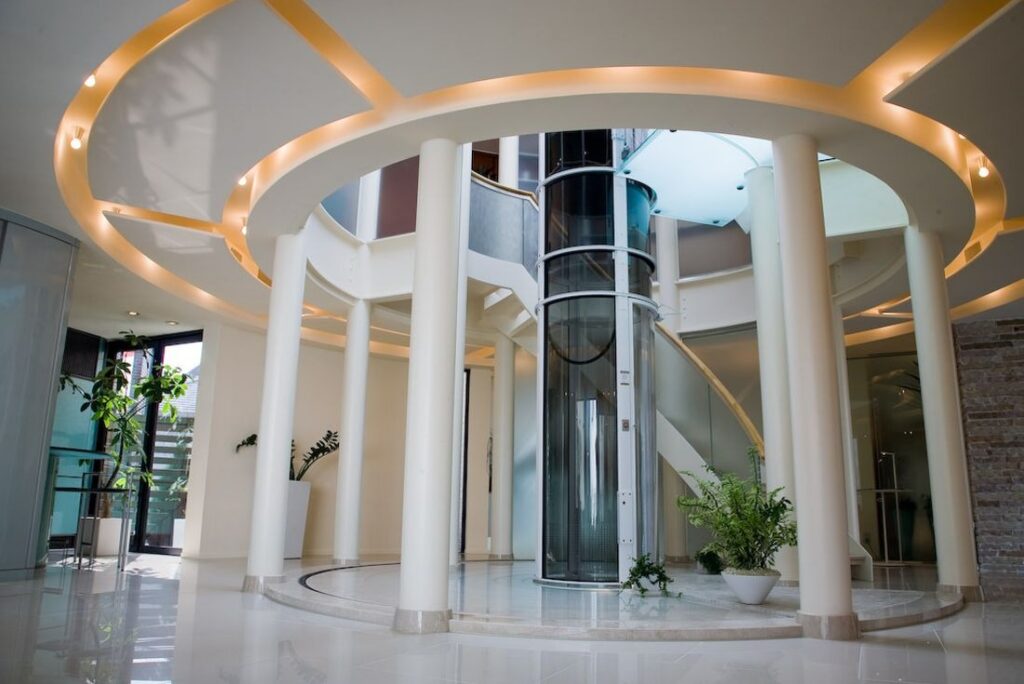
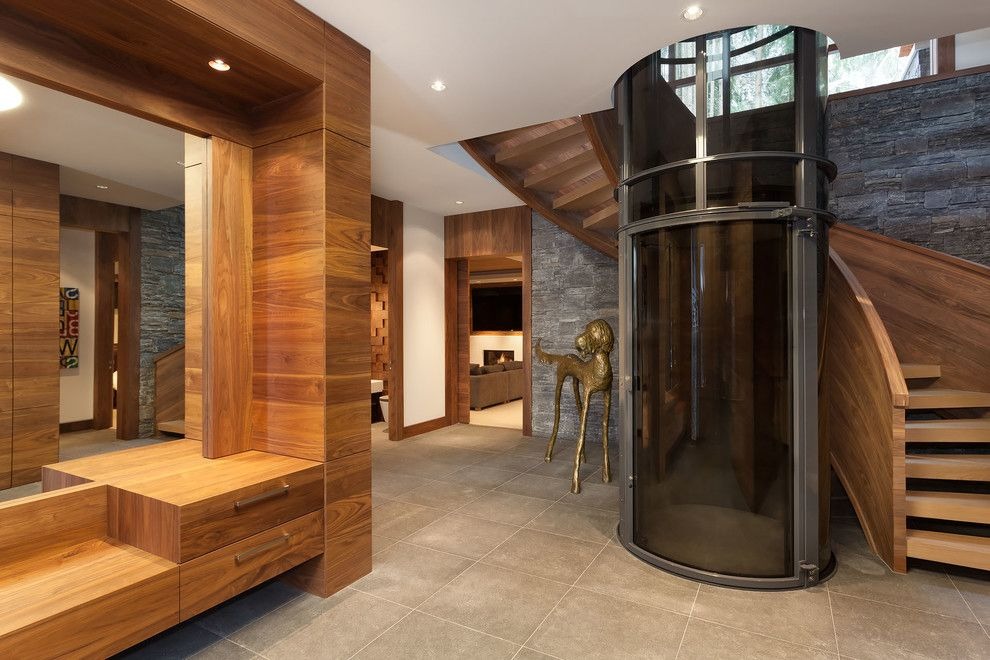
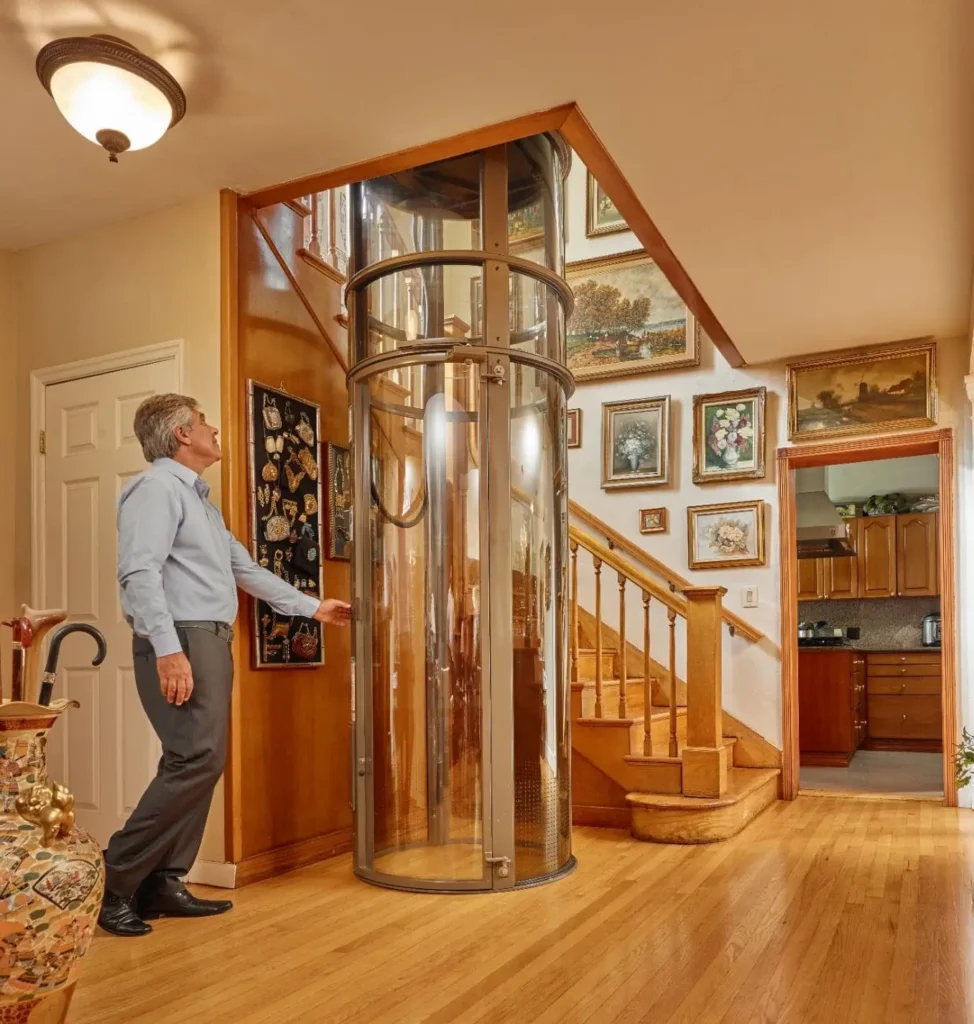
PVE builds four models for homes: the PVE30, PVE37, PVE52, and The Cube. All four are pneumatic vacuum elevators that carry people between floors, and they install without a shaft, pit, or machine room. Home elevator projects generally range from $35,000 to $100,000+ depending on model, floors served, and site conditions.
If your reason for looking at a dumbwaiter is that stairs have become difficult for someone in the house, that is a home elevator question rather than a dumbwaiter one, and a PVE dealer can tell you quickly whether one fits your floor plan.
Next Steps
If you need to move items between floors, a dumbwaiter specialist is the right call. PVE is not that supplier.
If you need to move people between floors, that is what PVE builds. A local dealer can assess your home, confirm which model fits, and give you a real number for the project.
Frequently Asked Questions
Can a person ride in a dumbwaiter?
No. Dumbwaiters are rated for items only and are not built or certified to carry passengers. Children and pets should never be placed in one. If someone in the household needs help getting between floors, that requires a home elevator.
What is the difference between a dumbwaiter and a home elevator?
A dumbwaiter carries items. A home elevator carries people. The cab sizes, safety systems, and certifications are entirely different, and one cannot substitute for the other.
What do people use residential dumbwaiters for?
Most commonly groceries between a garage or entry level and the kitchen, laundry between a basement and bedroom floors, and meals between a kitchen and an upper-level dining or entertaining space.
Does PVE sell dumbwaiters?
No. PVE manufactures residential passenger elevators: the PVE30, PVE37, PVE52, and The Cube.
Is a home elevator an option if stairs have become difficult?
Yes, and it is usually the right one. PVE’s pneumatic vacuum elevators install without a shaft, pit, or machine room, which makes them practical in existing homes where a conventional elevator would require major construction.