Skip to content >

When this Dallas family bought their home, the elevator came first. Parents were moving in, a wheelchair-accessible path to the second floor was essential, and the PVE52 Dallas Home Elevators made it possible.
A Home That Had to Work for Everyone
When the buyer toured the house, the upstairs made all the difference. A multigenerational household needs every floor to be usable by everyone, every day. Without a safe and reliable way to reach the second level, the home simply would not work.
So a wheelchair-accessible elevator moved to the top of the list. Not a luxury. A requirement. It was the difference between a house that fit the family and one that did not.
Why the PVE52 Was the Right Choice
PVE makes three pneumatic vacuum elevators. The PVE52 is the largest, and it is the only one designed for wheelchair access. That made the decision an easy one.
The cabin holds three passengers, or two when one is using a wheelchair, with a capacity of 525 pounds. For a family planning around a parent’s mobility, that was exactly the space they needed.
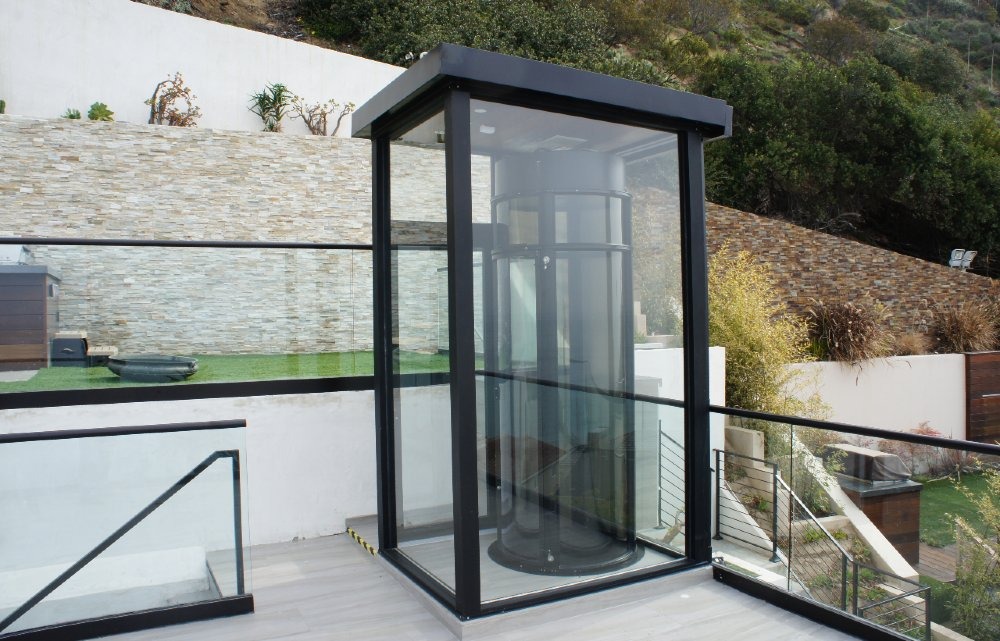
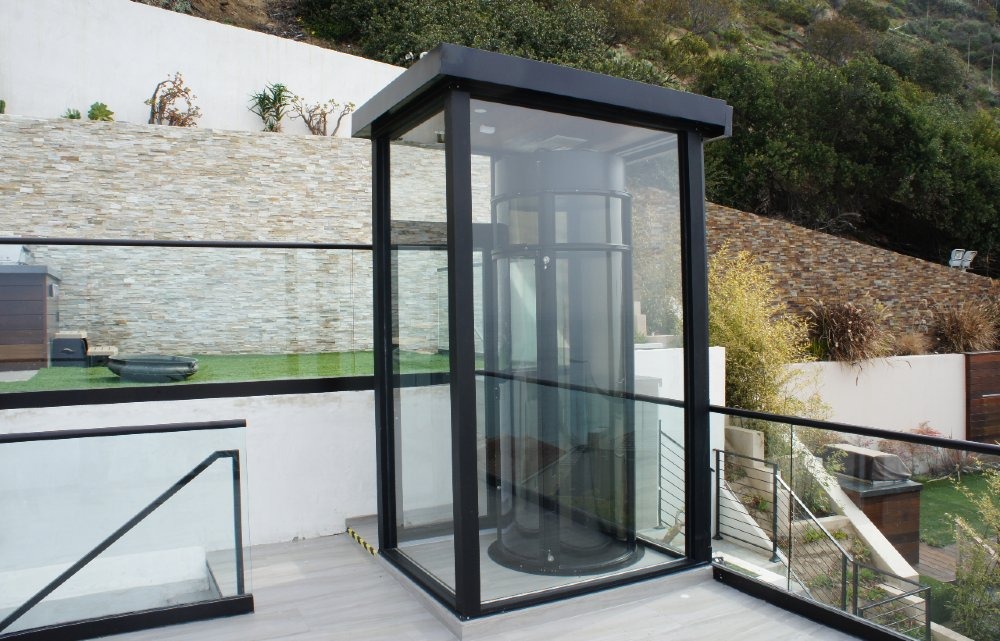
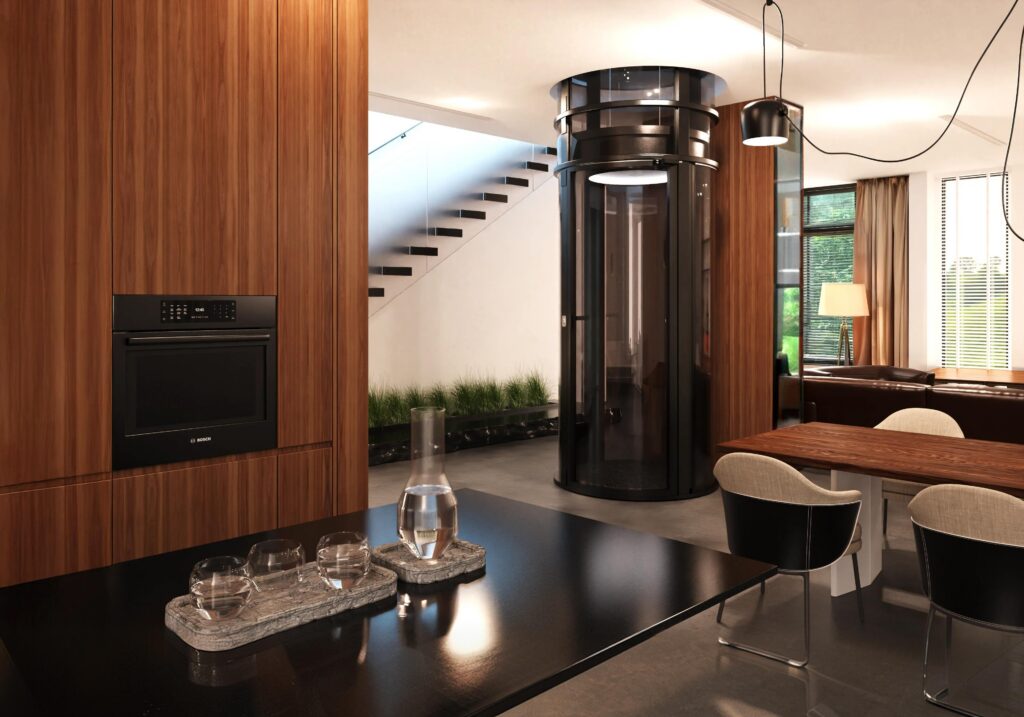
It is also beautiful. The PVE52’s panoramic cabin is wrapped in clear polycarbonate, giving riders an open, 360-degree view as they travel. In a finished home, it looks less like equipment and more like a centerpiece.
Reliable, and Surprisingly Simple to Install
Here is what makes these elevators remarkable. The PVE52 rises and lowers on air pressure alone. No cables. No pistons. Fewer moving parts mean less maintenance for years to come.
It also needs no pit, no hoistway, and no separate machine room. The unit supports its own weight and rests on the existing floor. For this family, that meant adding an elevator without tearing the house apart to do it.
It is made in the United States and runs efficiently, two more reasons it made sense for the long term.
A Clean Through-the-Floor Installation
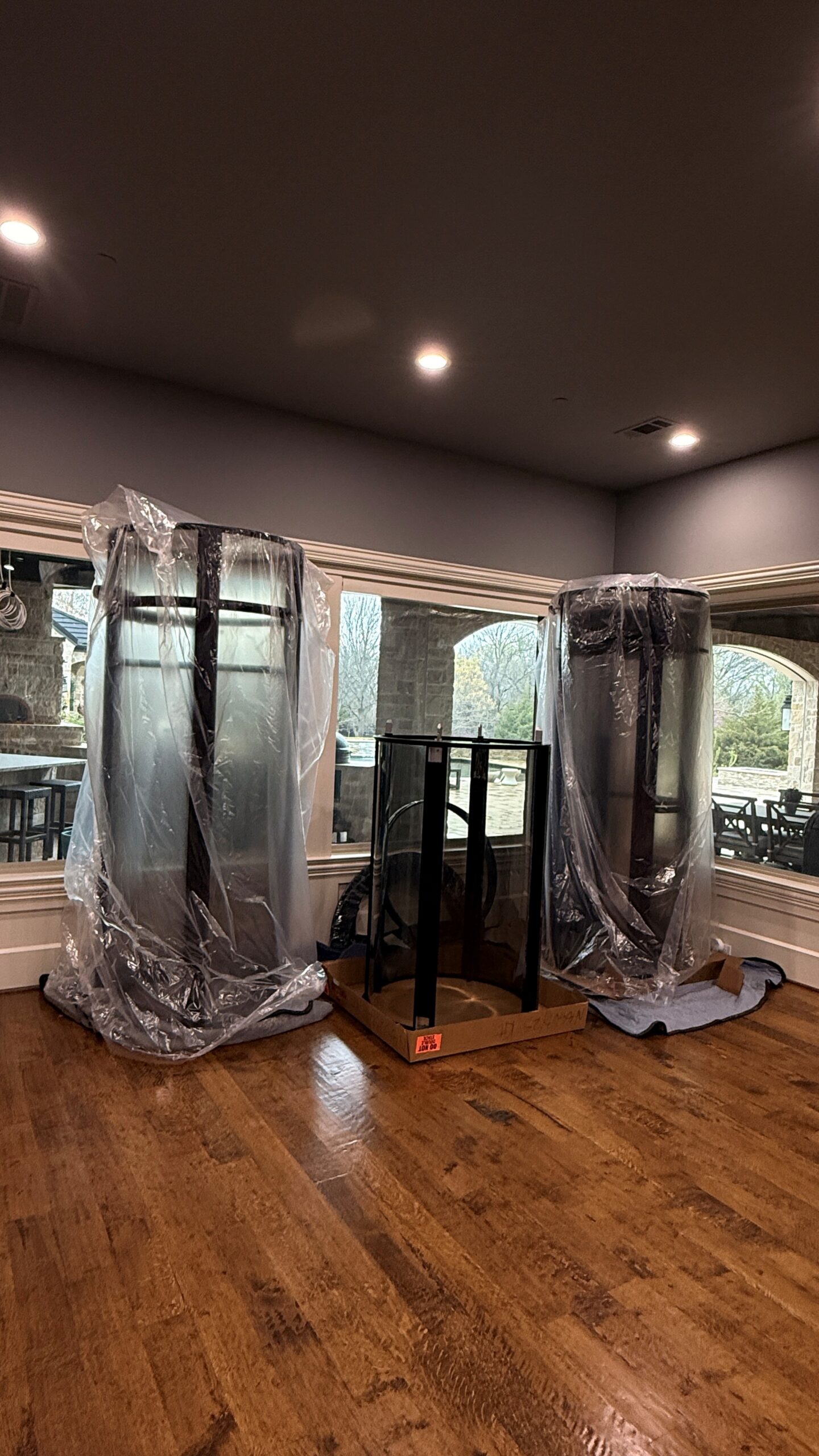
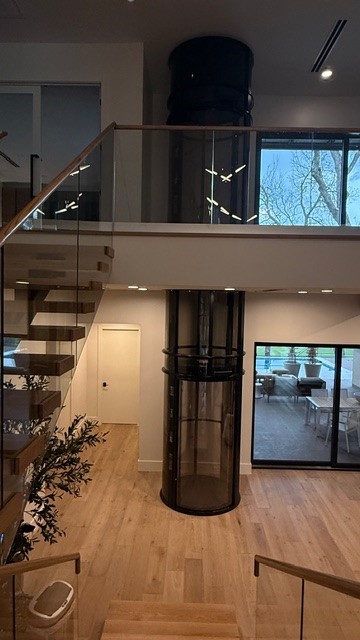
The PVE52 was installed through the floor, rising through a tidy opening between the first and second levels.
The before photos show an ordinary two-story interior. The finished photos tell a different story: the panoramic cabin in place, carrying the family smoothly from the first floor to the landing above. Because the elevator is self-contained, the footprint stayed small and the home stayed largely undisturbed.
Finished in Just Seven Weeks
Timing mattered on this new build, and Ascend treated it that way.
The team worked closely with the builder from the start, coordinating the floor opening, the electrical work, and the installation schedule. The entire PVE52 project was complete in seven weeks. For a custom, wheelchair-accessible elevator tied to a home purchase, that is a remarkable pace.
The Moment It All Came Together
The best part came at the end.
Watching the parents travel comfortably between floors, settled into a home built around the whole family, was the reward. Smiles all around. The elevator gave everyone safe, independent access to both levels, and it brought three generations together under one roof.
That is what thoughtful accessibility makes possible: a home where everyone belongs, on every floor.
Installed by Ascend Residential Elevators
This PVE52 was installed by Ascend Residential Elevators, an authorized PVE dealer serving the Dallas–Fort Worth area. Led by Jay Lambert, a Certified Aging In Place Specialist, the Ascend team helps families find the right accessibility solution and installs it with genuine care. On this project, their close partnership with the builder kept everything on schedule.

Frequently Asked Questions
Below are answers to common questions about multigenerational living and home elevators that were not fully covered in the sections above.
What is a pneumatic vacuum elevator?
It is a home elevator that moves using air pressure. An air pump creates a difference in atmospheric pressure inside the cylinder, and that difference gently raises and lowers the cabin. It has fewer moving parts and uses less energy than a traditional cable or hydraulic elevator.
Is the PVE52 wheelchair accessible?
Yes. The PVE52 is the largest PVE model and the only one designed for wheelchair access. It holds a passenger in a wheelchair along with an attendant, with a capacity of 525 pounds.
Does a PVE elevator need a pit or machine room?
No. It needs no pit, no hoistway, and no separate machine room. The self-supporting unit rests on the existing floor, which is why it installs with so little construction.
What happens during a power outage?
If power is lost, the cabin lowers gently to the bottom landing and lets passengers step out. This automatic descent is built right into the design.
How long does a PVE52 installation take?
It depends on the home and whether it is new construction or a retrofit. On this Dallas project, close coordination with the builder brought the full installation in at seven weeks.