
- Home Elevator Installation Checklist
- Confirm Your Installation Location
- Evaluate Structural Requirements
- Prepare Electrical and Power Requirements
- Secure Permits and Approvals
- Safety Certifications and Inspection Requirements
- Prepare Your Home for Installation Day
- Types of Home Elevators and Installation Differences
- Common Mistakes to Avoid Before Installation
- Planning Your Home Elevator Installation?
- Final Thoughts: Preparing for a Smooth Installation
- Frequently Asked Questions About Home Elevator Installation
Preparing for a residential elevator installation starts with proper pre-installation planning. The right preparation helps avoid delays, reduces installation issues, and ensures your system runs smoothly from day one.
Whether you’re adding an elevator to a new build or retrofitting an existing home, there are a few key steps every homeowner should complete before elevator installation begins.
In this guide, you’ll find a simple, step-by-step installation checklist to help you prepare your home, understand installation requirements, and avoid common mistakes before installation day.
Home Elevator Installation Checklist
Before installation day, make sure your home is fully prepared to avoid delays and ensure a smooth process. Understanding the overall installation process can help homeowners feel more prepared and confident as work begins. Key steps include:
- Confirm the installation location – Identify where the residential elevator will be placed and ensure the layout is accessible
- Verify structural readiness – Check floor support, ceiling height, elevator shaft requirements, and overall space requirements
- Prepare electrical connections – Ensure power supply, floor indicators, and other electrical requirements are ready before installation
- Secure permits and approvals – Confirm local codes, regulations, and required documentation before work begins
- Clear access paths – Make sure installers, equipment, and components can move safely throughout the home
- Plan for installation timing – Understand how long installation will take and prepare for possible delays or scheduling adjustments
Confirm Your Installation Location
Choosing the right location is one of the most important steps in preparing for a home elevator installation.
The placement of your affects elevator cost, installation complexity, long-term accessibility, and overall usability. In many cases, the goal is to find a location that provides smooth access between floors while minimizing structural changes.
For new construction, this can be planned into the layout early. In existing homes, installers typically look for areas that allow for the least disruption while confirming the space can support the system safely.
Key things to consider:
- Access between floors – The elevator should connect the most frequently used areas of the home
- Available space – Ensure there is enough room for the system, whether it requires an elevator shaft or a compact footprint
- Ceiling height and floor openings – Adequate vertical clearance is essential for proper installation
- Landing door clearance – Verify there is enough room for doors to operate smoothly on each floor
- Traffic flow – The elevator should not interfere with hallways, doorways, or daily movement throughout the home
Planning the location early helps avoid design changes, delays, and additional construction costs later in the installation process.
Evaluate Structural Requirements
Before installation, your home must meet certain structural requirements to safely support an elevator system.
These requirements vary depending on the type of elevator you choose, but they typically involve floor support, vertical clearance, building layout, and overall construction factors. In some cases, especially in existing homes, minor modifications may be needed to prepare the space properly.
Key structural considerations include:
- Floor support – The structure must be able to handle the weight of the elevator, passengers, and major components
- Vertical clearance – Sufficient space between floors is needed for safe and smooth operation
- Floor openings – Some systems require cutouts between levels to allow the elevator to pass through
- Shaft requirements (if applicable) – Traditional elevators may require a dedicated elevator shaft, elevator pit, or machine room
- Structural reinforcement – In some homes, additional framing or support may be needed to help the structure withstand long-term use
Before construction begins, installers may inspect the home and review measurements, layout details, and documentation to confirm the space is suitable for installation.
Not all elevator systems require the same level of construction. Some modern options are designed to reduce structural impact, making them easier to install in existing homes.
Addressing these requirements early helps prevent delays and ensures the installation process stays on schedule.
Prepare Electrical and Power Requirements
Home elevators require a reliable power source, so it’s important to prepare electrical connections before installation begins.
The exact requirements depend on the type of elevator system, but most residential elevator installations will need a dedicated power supply to ensure safe and consistent operation. Working with your installer, contractor, or electrician ahead of time helps prevent delays once installation starts.
Key electrical considerations include:
- Dedicated power line – Many systems require a separate circuit to operate safely
- Voltage requirements – Power needs can vary depending on the elevator type and model
- Control system wiring – Electrical connections are needed for controls, floor indicators, lighting, and other safety features
- Backup power options – Some homeowners consider battery backup or generators for added reliability
- Electrical inspections and local codes – Some areas may require inspections to verify that the installation meets electrical requirements and local codes
Not all elevator systems have the same power demands. Some modern systems are designed to simplify installation by reducing structural and electrical requirements, while traditional systems may require additional machine room space and more complex wiring.
Planning for electrical needs in advance helps ensure a smoother elevator installation and reduces the risk of last-minute adjustments.

Secure Permits and Approvals
Before installing, you may need a permit for a home elevator to ensure the project meets local building codes and safety regulations.
Permit requirements vary depending on your location, but most areas require some level of approval before installation begins. This is especially important for structural modifications, electrical work, and safety compliance.
Working with your installer or contractor can help simplify this process, as they are often familiar with local requirements.
What to check before installation:
- Building permits – Required for structural changes or new installations
- Electrical permits – Needed if new wiring or circuits are being added
- Inspections – Some areas require inspections before and after installation
- Local codes and regulations – Requirements can vary by city, state, or country
In many regions, including across North America, permitting helps ensure the elevator is installed safely and operates according to established standards. Handling permits early helps avoid delays, unexpected costs, or issues during installation.
In addition to permits, many home elevators must meet established safety certifications and standards. These requirements help ensure the system is installed and operated safely, and may vary depending on your location and the type of elevator being installed.
Safety Certifications and Inspection Requirements
Home elevators must meet specific safety standards and inspection requirements before they are approved for operation.
Depending on the location and type of system being installed, local regulations may require inspections, documentation, and compliance with established elevator safety codes.
Common safety considerations include:
- Emergency safety systems – Features such as emergency stop buttons, backup systems, and communication devices help improve passenger safety
- Inspection requirements – Many installations must pass a final inspection before the elevator can operate
- Maintenance documentation – Some regulations require ongoing maintenance records and service documentation
- Code compliance – Elevator systems are typically installed according to established safety standards and local building codes
Working with a qualified installer helps ensure the system is installed safely and meets all required regulations before use.
Prepare Your Home for Installation Day
Once planning and approvals are complete, preparing your home for installation day helps ensure the process runs smoothly and efficiently.
Installers will need clear access to the work area and enough space to safely bring in equipment and complete the setup. A little preparation ahead of time can prevent delays and reduce disruptions.
Before installation day, make sure to:
- Clear access paths – Remove furniture, décor, or obstacles from entryways, hallways, and the installation area
- Protect surrounding areas – Cover floors or nearby surfaces if needed to prevent dust or minor damage
- Ensure easy entry for installers – Confirm parking access and entry points for equipment delivery
- Secure pets and plan for noise – Installation may involve tools and movement throughout the home
- Coordinate schedules – Be available (or have someone available) to answer questions during installation
Most residential elevator installations are completed within a few days, but proper preparation helps avoid interruptions and keeps everything on schedule.
Types of Home Elevators and Installation Differences

Different types of home elevators have different installation requirements, which can affect preparation, cost, timeline, and long-term maintenance.
Common types include:
- Hydraulic elevators – Often used in both residential elevator and commercial elevators applications, these systems typically require an elevator shaft, elevator pit, machine room, and more structural work
- Traction elevators – Use cables, ropes, and counterweights, often requiring dedicated space and additional construction planning
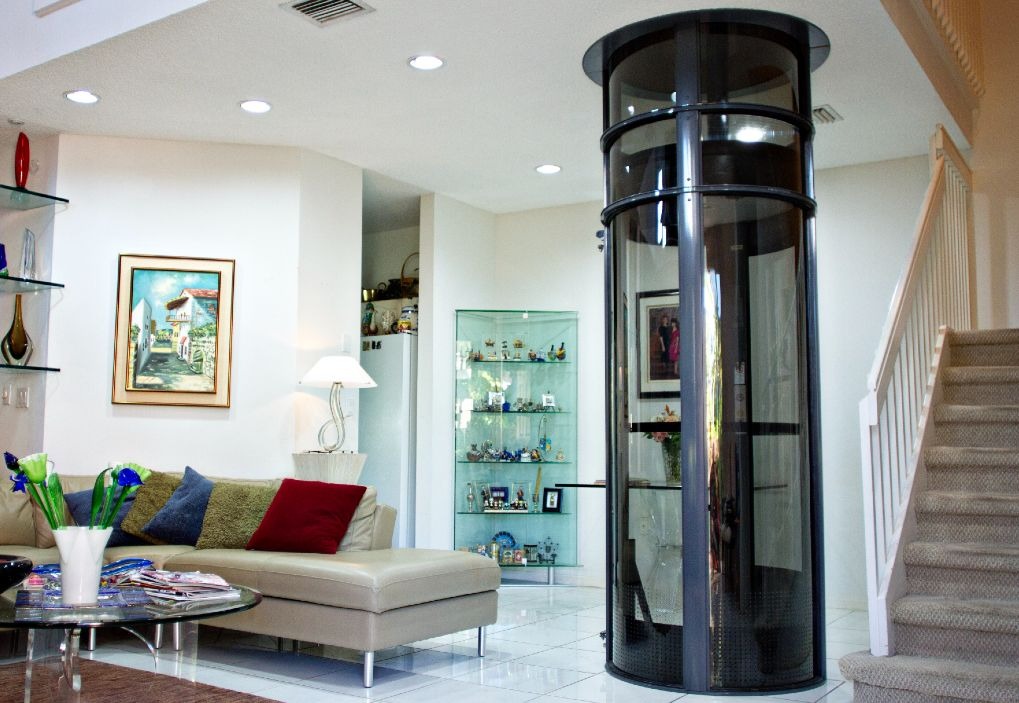
- Pneumatic (vacuum) elevators – Use air pressure and typically require less construction, making them a popular option for existing homes
Understanding these differences helps homeowners choose a system that fits both their space and installation goals.
Key differences that impact installation include:
- Shaft requirements – Traditional systems typically need a built-in elevator shaft and additional machine space, while some newer designs do not
- Construction impact – More complex systems may require cutting through floors, reinforcing structures, or adding wood frame blocking
- Installation time – Systems with fewer structural requirements can often be installed more quickly and with less disruption
- Space flexibility – Compact designs can fit into areas where traditional elevators may not be feasible
- Maintenance needs – Different elevator systems may require different levels of long-term service, inspection, and upkeep
Because of these differences, homeowners often choose elevator systems based not only on performance but also on how smoothly they can be integrated into their homes and daily lives.
Common Mistakes to Avoid Before Installation
Even with careful planning, small oversights before installation can lead to delays, added costs, or unnecessary complications.
Understanding the most common mistakes can help you avoid setbacks and keep your installation on track.
Here are a few issues homeowners often run into:
- Choosing a location too late – Delaying placement decisions can lead to redesigns or structural conflicts
- Underestimating space requirements – Not accounting for clearance, layout, or system type can limit options
- Delaying permits and approvals – Waiting too long to secure permits can push back installation timelines
- Overlooking electrical needs – Missing power requirements can result in last-minute adjustments
- Not preparing the home in advance – Cluttered spaces or limited access can slow down installation
Many of these challenges are avoidable with early planning and clear communication with your installer.
Taking the time to prepare properly helps ensure a smoother installation and reduces the risk of unexpected issues.
Planning Your Home Elevator Installation?
Every home is different, and the right elevator depends on your layout, accessibility needs, and long-term plans. If you’re considering a residential elevator for your home, our team can walk you through the options, evaluate your space, and help you plan the installation from start to finish. Schedule a consultation to get started.
Final Thoughts: Preparing for a Smooth Installation
Preparing your home properly before installation is one of the most important steps in ensuring a successful home elevator project. By confirming your location, addressing structural and electrical requirements, and handling permits early, you can avoid delays and keep the process running smoothly.
Every home is different, but taking a proactive approach helps reduce surprises and makes installation day far more efficient.
With the right preparation and planning, installing a home elevator can be a straightforward process that adds long-term convenience, accessibility, and value to your home.
It’s also important to consider long-term maintenance, as proper upkeep helps ensure your elevator continues to operate safely and efficiently over time.
Frequently Asked Questions About Home Elevator Installation
What should I do before installing a home elevator?
Before installing a home elevator, you should confirm the installation location, verify structural requirements, prepare electrical connections, secure permits, and clear access for installers. Proper preparation helps avoid delays and ensures a smooth installation process.
How long does it take to install a home elevator?
Most home elevator installations take a few days to complete, depending on the system type and level of construction required. Simpler systems with minimal structural modifications can often be installed more quickly.
Do I need a permit to install a home elevator?
In most areas, permits are required for home elevator installation, especially if structural or electrical work is involved. Requirements vary by location, so it’s important to check local building codes and regulations.
Can you install a home elevator in an existing house?
Yes, many home elevators can be installed in existing homes. Some systems are specifically designed for retrofits and require minimal structural changes, making them a practical option for adding accessibility.
What affects the installation time of a home elevator?
Installation time depends on factors such as the type of elevator, structural requirements, permit approvals, and how well the home is prepared in advance. Proper planning can significantly reduce installation time.
Are some home elevators easier to install than others?
Yes, installation complexity varies by system. Traditional elevators often require more construction, while some modern designs are built for faster, more flexible installation with fewer structural requirements.