


Most home elevators travel about 30 to 40 feet per minute, so moving one floor (roughly 10 feet) takes about 15 to 20 seconds of travel time. In the U.S., residential elevators are generally limited to about 40 feet per minute under the ASME A17.1 safety code, though local rules vary.
Most residential elevators in the U.S. travel at roughly 30 to 40 feet per minute, or about 0.15 to 0.5 m/s. Speeds are capped by safety codes, with ASME A17.1 generally limiting residential elevators to about 40 feet per minute. Because local building codes can differ, confirm the permitted speed with your local authority and installer.
In practical terms, 30 to 40 feet per minute feels like a calm, controlled ride. At that pace, you cover a typical floor in about 15 to 20 seconds of motion.
This moderate speed range is intentional. Home elevators are designed to balance comfort, efficiency, and structural constraints, which helps keep the ride smooth and predictable for everyone in the household. A slower elevator can feel more natural than a faster one with abrupt movements.
Home elevators are deliberately slower than commercial elevators because of residential safety codes, shorter travel distances, and a focus on passenger comfort.
Commercial buildings need faster elevators to move many people over large vertical distances. A home elevator typically serves a small household across a few floors, so smooth operation and a comfortable ride take priority.
The drive system shapes a home elevator’s typical speed, but every type has to stay within the residential code limit. The table below compares the most common types.
| Elevator Type | Typical Speed | How It Moves | What It Needs |
| Hydraulic | About 20 to 40 ft/min | A fluid-driven piston pushes the car | Shaft, pit, and usually a machine room; faster residential installations may require a deeper pit |
| Traction or cable | Near the residential code limit | A motor moves the car with cables or belts | Shaft and space for machinery |
| Pneumatic vacuum (PVE) | 30 to 40 ft/min | Air pressure differences move the car in a sealed cylinder | No pit, shaft, or machine room; self-supporting |
Hydraulic home elevators often sit at the lower to middle end of the residential range. Traction elevators can be engineered for higher speeds, but in homes they operate within the same residential limits as other types. Higher-speed setups can also raise noise and vibration levels, and mechanical noise from mechanical components may become more noticeable in a home.
Many domestic lifts top out around 0.15 m/s, even though some U.S. home elevators are commonly described as 30 to 40 feet per minute.
Pneumatic vacuum elevators move the car by changing the air pressure above it, which lets them start and stop smoothly without a traditional shaft. That design is the core of pneumatic elevator technology, and it is why these systems need no pit or machine room.
When comparing options, look beyond speed. Available space, structural changes, overhead clearance, and long-term maintenance usually make a bigger difference.
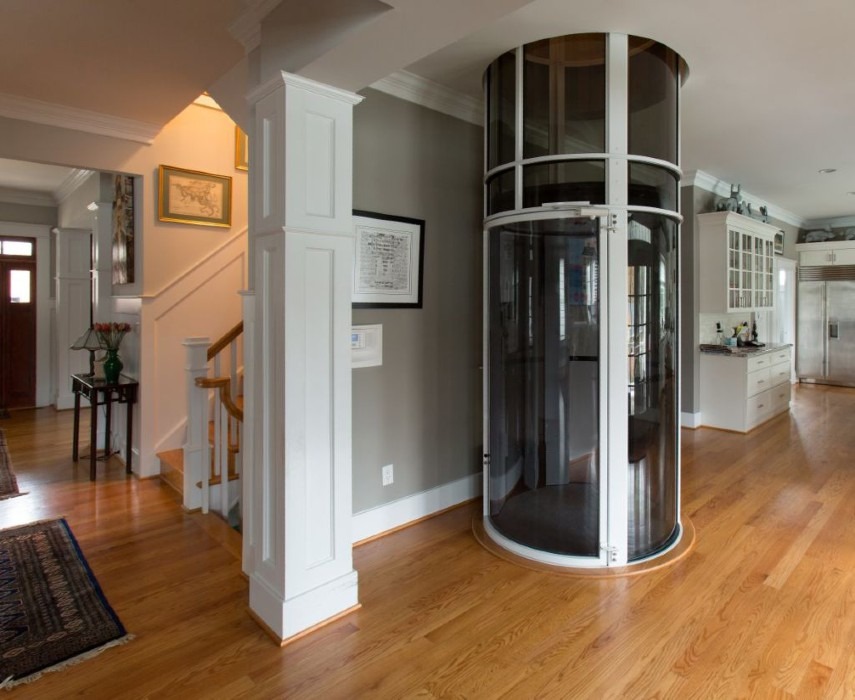
All four PVE models travel at 35 or 40 feet per minute, within the typical residential range.
| Model | Speed | Passengers | Capacity | Max Rise | Stops |
| PVE30 | 40 ft/min | 1 | 350 lbs | 50 ft | 2 to 5 |
| PVE37 | 40 ft/min | 2 | 450 lbs | 50 ft | 2 to 5 |
| PVE52 | 35 ft/min | Wheelchair accessible | 525 lbs | 50 ft | 2 to 5 |
| The Cube | 35 ft/min | 2 | 450 lbs | 35 ft | 2 to 3 |
Every PVE model is self-supporting and needs no pit, shaft, or machine room, and installation typically takes two to three days. Cab sizes, footprints, and clearances for each model are covered in our guide to residential elevator dimensions and space requirements.
At home elevator speeds, a 10-foot rise takes about 15 seconds of travel at 40 feet per minute and about 17 seconds at 35 feet per minute. The full trip takes a few seconds longer once you add the time for doors to open and close and for the car to start.
You can estimate travel time for any home with a simple formula, and you can also use it to calculate elevator speed when you know the rise and elapsed time:
To check an existing elevator’s speed, measure the vertical distance of the rise between two landings in feet, time the ride in seconds, and divide the rise by the time in minutes.
The difference between 35 and 40 feet per minute is a couple of seconds per floor, which most riders will not notice.
For most households, not much. Many domestic lifts and most home elevators are commonly benchmarked around 0.15 m/s, so within the residential range, ride comfort, cab size, accessibility, and fit in the home have a bigger effect on daily use than speed.
High-speed elevators exceed 0.6 m/s, but they are rare in residential settings.
Because all four PVE models fall within 35 to 40 feet per minute, most homeowners choose based on capacity, accessibility, and design rather than speed.
Start with who will ride the elevator, your daily needs, how many floors you need to connect, and whether you need wheelchair access, since intended use, such as accessibility or everyday convenience, affects the right choice. Then compare drive systems, space requirements, and installation complexity, and have an installer assess the home’s structure and building structure before recommending a system.
PVE’s authorized dealer network can review your floor plan, daily use, and accessibility needs, explain local code requirements, and recommend a model that fits your home.

Within the narrow residential speed range, faster speeds can increase installation complexity and energy usage, but elevator type and drive system usually matter more in homes for overall energy efficiency. Energy-efficient designs can also lower long-term energy consumption. An authorized dealer can explain the power requirements for a specific model.
Only a qualified elevator professional should change an elevator’s speed, and any change must stay within ASME A17.1, safety regulations, and local code limits. If your elevator seems slower than its rated speed, contact your service provider, since that can be a sign it needs maintenance and can affect cost over time through added service or system changes.
Safety codes focus on maximum speed rather than a minimum. Most residential elevators are designed to run within a comfortable range so trips do not feel unusually slow.
The PVE30, PVE37, and PVE52 can serve 2 to 5 stops over as much as 50 feet of rise. The Cube serves 2 to 3 stops over up to 35 feet of rise.
PVE elevators are designed to descend safely to the lowest landing using gravity during a power loss, so passengers are not left between floors. Ask an authorized dealer about emergency procedures for the model you are considering.
Some manufacturers offer optional higher speeds where local code allows, and some sources mix in commercial or international figures. In the U.S., about 40 feet per minute is the common residential limit, so confirm the permitted speed with your installer.
Before buying a house with an elevator, hire a qualified elevator technician to inspect it, because a standard home inspection does not cover elevators. Ask the seller for the installation date, model, permits, and service records. Measure the gap between the elevator car door and the landing door, and confirm whether the warranty and any service agreement will transfer to you after closing.
A home elevator can make a multi-story house easier to live in for decades. When you buy a house with an elevator, though, you also inherit a mechanical system with its own age, wear, and paperwork. It deserves the same scrutiny as the roof, the HVAC system, or the foundation.
This guide covers what to look for during showings, what to ask the seller, how to check safety, and what to settle before closing.
No. Most general home inspectors do not evaluate elevators, and the InterNACHI Standards of Practice list elevators among the items an inspector is not required to inspect. Plan for a separate elevator evaluation on top of the general home inspection, and schedule it before your inspection contingency runs out.
A qualified elevator technician can test the safety devices, door interlocks, emergency features, and controls to determine whether the lift will operate only when safety conditions are met. They can also check the drive system for leaks, wear, or corrosion, note whether local guidelines require emergency communication features in the cab, and confirm whether the unit should be inspected and serviced annually. Ask for a written report you can share with your real estate agent.
An elevator adds one more major system to your due diligence list when purchasing a home with an elevator, alongside plumbing, electrical, and HVAC. Its condition can affect your offer, your contingencies, and your insurance.
A well-maintained, modern elevator with clear records supports the asking price. A dated, poorly documented system is a reason to ask for a repair credit or a lower price. Call your insurer before closing to determine whether the elevator will raise premiums because of liability exposure and how it affects your coverage.
Even on a first walkthrough, you can spot warning signs and collect basic information. You don’t need to be an expert. You need to be observant.
Look for:
Ride it. Ride the elevator at every showing. Listen for grinding, squealing, or a loud pump. Feel for jerky starts, abrupt stops, or a car that stops above or below the floor. A quiet ride with smooth, level stops is a good sign, and the cab should appear in good condition during showings.
Notice the fit. Does the elevator fit naturally in the floor plan, and does its location work with the home’s design while serving the floors you will actually use most, or does it look like a cramped retrofit squeezed into leftover space? An awkward installation can point to shortcuts in construction or code compliance.
Photograph the details. Take pictures of the control panel, the manufacturer’s data plate, the model and serial numbers, and any service company stickers. You will need this information to identify the manufacturer and find a qualified technician.
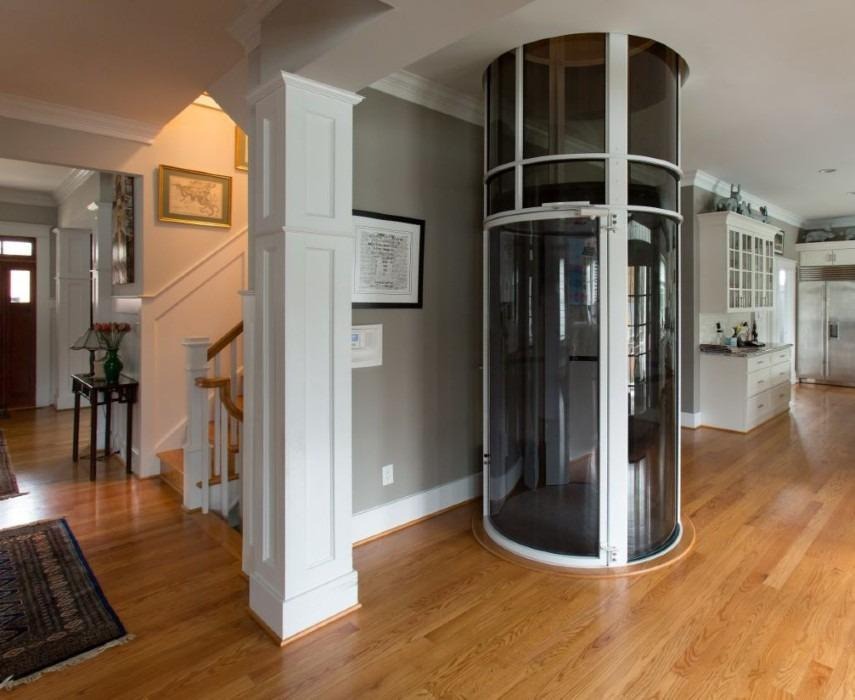
The type of elevator tells you what kind of maintenance, risks, and replacement options come with the house. Most residential systems fall into one of three types.
| Type | How It Works | What It Needs | What to Check |
| Hydraulic | A fluid-driven piston lifts the car | Shaft, pit, and a machine room for the pump and fluid | Fluid leaks, pump noise, and whether the cylinder is installed in the ground |
| Traction or cable | A motor and drum unit operate the car with cables, sometimes with counterweights | Shaft and overhead space for machinery | Cable wear, unusual noise, and the condition of the machinery |
| Pneumatic vacuum | Air pressure differences move the car inside a sealed cylinder | No pit, shaft, or machine room; the unit is self-supporting | Smooth travel, seal condition, and service history |
The drive system will determine maintenance needs, space requirements, and replacement options. In practice, hydraulic elevators usually need more structural room because their equipment setup must fit the home’s available space.
When you buy the house, you inherit the elevator’s wear, age, and service habits. The seller’s answers and records help show whether it was maintained properly.
Records to request: maintenance history, repair invoices, inspection reports, permits, and any modernization or code upgrade records. Ask whether the unit was inspected on a recurring schedule. A seller who kept up with regular home elevator maintenance should be able to show it on paper.
Reading the records: Repeated repairs to the same component (doors, pump, controller) suggest a systemic problem rather than normal wear. Annual servicing is often expected for residential elevators, and long gaps can point to future maintenance costs.
Weighing the age: Most home elevators last 20 to 30 years with proper maintenance. When buying an elevator in an existing home, past upkeep matters as much as age. A unit nearing the end of that range may need major work soon, so factor its age into your offer and your budget.
Confirm that the safety features work, that permits and inspections are on record, and that the gap between the car door and the landing door is no more than four inches deep.
The U.S. Consumer Product Safety Commission has warned about a dangerous gap in some residential elevators: the space between the inner car door or gate and the outer landing (hoistway) door. A child can step into that space and be crushed when the car moves. CPSC has reported deaths of children as young as 2 and as old as 12.
CPSC says the gap should be no more than four inches deep. If it is deeper, CPSC advises locking the elevator or its access doors so children cannot use it, having a qualified inspector evaluate it to the ASME A17.1 safety code, and installing space guards or an electronic monitoring device. CPSC has also announced recalls of residential elevators from several manufacturers over this hazard, so search the CPSC recalls database for the brand on the data plate.
Local guidelines may require specific emergency features, including an in-cab phone or other communication system, and missing or nonworking items can raise safety concerns during inspection.
Ask for the original installation permit and any inspection certificates or operating permits. Requirements for private residence elevators vary by state and city. Some jurisdictions require periodic inspections, and others inspect only at installation. Your local building department can tell you what applies and whether the elevator’s records are current.
Residential elevators in the U.S. are generally designed and installed to ASME A17.1, the safety code for elevators, which includes a section for private residence elevators. Ask your inspector whether the unit meets the current edition or needs upgrades.
Sometimes. Some home elevator warranties transfer to a new owner and some do not, and transfers usually come with conditions.
When a manufacturer allows a transfer, it usually expects documented maintenance and a written request within a set window after closing. Missed maintenance, work by unauthorized technicians, and unapproved modifications are common reasons coverage is voided, so the seller’s service records matter here too. It helps to know what home elevator warranty coverage typically includes and excludes before you ask.
Before closing:
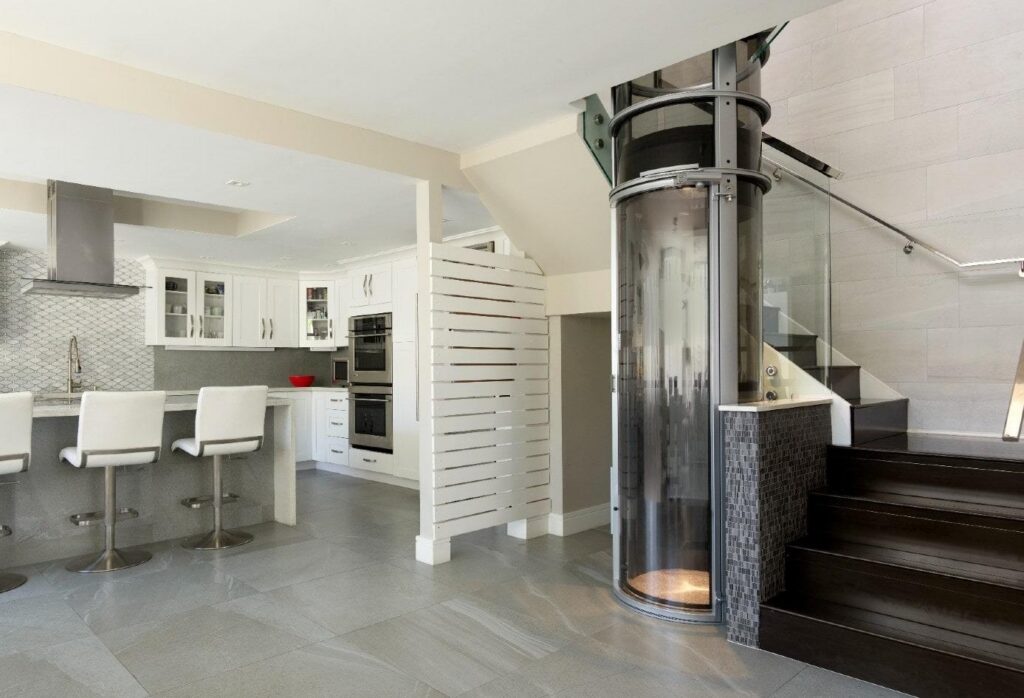
It depends on the elevator’s age, condition, and how well the elevator fits your needs, including available space, accessibility needs, and whether the current unit still fits the household. Use the inspection report to decide before you make your final offer.
| Situation | Likely Path | What It Means for Your Offer |
| Well maintained, clean inspection, parts available | Keep it and set up regular service | Little or no adjustment |
| Minor issues such as sensors, switches, or door operators | Repair | Request repairs or a credit based on written quotes |
| Older unit with outdated controls or safety features | Modernize controls and safety equipment | Negotiate a credit based on a written scope of work |
| Near end of life, parts hard to find, or a poor fit for your needs | Replace; a new home lift may improve access and offer more cab styles | Get a replacement quote before you remove contingencies |
Older or discontinued models can be harder and slower to repair because parts are scarce. If the inspection points toward replacement, the common signs it’s time to replace a home elevator can help you judge whether modernization still makes sense.
If you are already planning a major renovation, that can also be the right time to evaluate replacement or relocation. A newer unit may also provide better accessibility and more customization options through different cab styles.
Get written quotes from a qualified elevator company so any credit or price reduction is based on documented costs. Review them with your real estate agent before final negotiations.
A working, well-documented elevator can make a multi-story home more appealing, especially to buyers planning to age in place or living with someone who has limited mobility. A dated, noisy unit with missing records can read as a repair project instead.
As a buyer, pay for the elevator’s condition, not just its presence. Then keep every record from day one. Complete documentation is what helps the elevator count as an asset when you sell. How much a home elevator adds to property value depends heavily on its type, age, and condition.
Some buyers purchase a house planning to replace an outdated elevator. A pneumatic vacuum elevator can be a practical replacement when the existing system has reached the end of its life, parts are hard to find, or it no longer fits the household.
PVE home elevators are self-supporting and need no pit, shaft, or machine room, so they can often go where a conventional elevator will not fit. Installation typically takes two to three days. PVE offers four models: the single-passenger PVE30, the PVE37, the PVE52, which is designed for wheelchair users, and the two-passenger Cube.
If you are weighing a replacement, talk with someone in PVE’s authorized dealer network before you finalize your offer. A dealer can look at the available space and best location for the unit, and help determine whether a replacement is cost effective based on your layout, needs, and total cost.
Don’t waive the elevator inspection, even in a competitive market. Repair or replacement after closing is your expense, not the seller’s.
Yes. General home inspectors are not required to inspect elevators and usually are not trained to test drive systems or safety devices. A qualified elevator technician can test emergency features, review the controls, and find problems like leaks or worn components.
Most last 20 to 30 years with proper maintenance. Age alone does not decide condition, since usage, climate, maintenance quality, and elevator type all affect how long a unit lasts.
Usually, yes. Buyers can use inspection findings to request seller credits, repairs before closing, or a lower price, depending on local custom and contract terms. Written quotes from an elevator company make the request easier to support.
Not necessarily. An older hydraulic elevator that has been serviced regularly, passes a professional inspection, and still has parts available can keep working. Watch for fluid leaks, outdated safety controls, and long gaps in service.
It can be, if the safety features work and the gap between the car door and landing door is no more than four inches deep, as CPSC advises. If you have young children, measure the gap before move-in and keep the elevator locked out until any problem is fixed.
Factor the cost of replacing or relocating it into your renovation budget before you make your offer if the current setup does not support aging in place or daily accessibility needs. A better-placed replacement can also reduce physical strain from climbing stairs, especially for older adults or those with limited mobility. A shaftless pneumatic elevator can often be installed where a traditional hoistway system will not fit, or in a more convenient spot in the home with an elevator for family members over the long term.
A home elevator is a significant investment, and the warranty that comes with it is one of the most important pieces of fine print you’ll encounter during the purchase. It determines what the manufacturer will fix, for how long, and under what conditions, and it can shift thousands of dollars of repair costs from your budget to theirs, or vice versa.
This guide walks through what a home elevator warranty actually covers, how coverage typically breaks down across the industry, what tends to be excluded, and what to ask before you sign. Warranty terms often correlate with home elevator cost and vary considerably across the PVE home elevator lineup and competitor systems, so it’s worth understanding these details before you compare quotes.
Most home elevator warranties cover defects in mechanical and electrical components for a limited period, typically ranging from one to ten years depending on the component category. Labor coverage is almost always shorter than parts coverage, usually one year. Normal wear items, damage from misuse or natural disasters, and unauthorized modifications are standard exclusions. To keep coverage valid, most manufacturers require documented maintenance performed by an authorized technician.
Home elevator warranties are limited warranties that cover failures caused by defective material or workmanship, not normal wear or damage from how the elevator is used. What that means practically: if a control board fails because a component was manufactured incorrectly, that’s covered. If the same board fails because a lightning surge damaged it, it isn’t.
The components manufacturers typically warrant fall into a few categories. The drive system and motor (turbines for pneumatic elevators, pumps for hydraulic systems, and traction mechanisms for cable-driven elevators) are usually covered against manufacturing defects. So are the control boards and electrical logic that run the elevator, the brake system and safety sensors that prevent freefall, the doors and their locking mechanisms, and the communication systems including alarms, emergency phones, and battery-backed descent.
The specific coverage varies by manufacturer and by component. A single elevator warranty might cover mechanical parts for a longer period than electrical components, and labor for shorter still than either.
The industry standard for home elevator warranties is a tiered coverage structure that separates parts from labor and often mechanical from electrical.
A representative example from one major residential elevator manufacturer breaks down as follows: ten years on mechanical components, three years on electrical components, and one year on labor. Another common structure is a two-year standard warranty across the whole system with an optional extended service agreement bringing that up to five to seven years. Some pneumatic elevator manufacturers offer a shorter standard warranty of one to two years with the option to extend through authorized dealer service plans.
The most important detail buried in these numbers is what “labor” actually covers. If a covered component fails 18 months after installation, the replacement part might still be covered, but the technician’s time to install it typically is not. That’s usually the biggest out-of-pocket cost after year one, and the biggest source of surprise for owners who assumed “warranty” meant the whole repair was free.
The warranty clock generally starts on the verified installation date, not the ship date or the date you signed the purchase agreement. For new construction with long timelines, this distinction can be worth thousands of dollars.
Understanding what your warranty doesn’t cover is often more valuable than knowing what it does. The common exclusions across the residential elevator industry include:
Normal wear items. Light bulbs, fuses, cabin flooring, cosmetic finishes, and trim are considered consumables or aesthetic components, not warranted parts.
Damage from misuse. Overloading the cabin, using the elevator to move items beyond its rated capacity, or forcing doors to close are considered user-caused failures.
Acts of God. Flooding, hurricanes, lightning strikes, and earthquakes are excluded from every home elevator warranty. That damage falls under your homeowner’s insurance, not the manufacturer’s warranty.
Power surges and voltage instability. Damage to control boards from voltage spikes or unstable power is typically excluded. This is one of the strongest arguments for installing surge protection on the elevator’s dedicated circuit.
Unauthorized modifications. Any work performed by someone who isn’t a trained, authorized technician can void coverage on the affected component and sometimes on the entire system. Changes to design or operation without written authorization can also void coverage.
Neglect of required maintenance. Skipping scheduled inspections or delaying recommended service almost always voids the warranty when a covered part later fails.
Most warranties also exclude liability for personal injury and property damage that results from unauthorized modifications, misuse, or neglect. That’s a common source of dispute when a claim gets denied.
The scenarios that most commonly void coverage in the real world are surprisingly practical: a homeowner renovates around the elevator without consulting the dealer, an unlicensed general contractor opens the control panel to reroute wiring, or the elevator is physically moved to a different location without factory authorization. Each of these can invalidate coverage even if the failure itself seems unrelated.
Even the lowest-maintenance residential elevators require periodic inspections to keep warranty coverage active. This isn’t optional fine print. It’s the condition on which every other warranty term depends.
Most manufacturers require regular inspection at least once every 12 months. Some higher-end warranty programs require semi-annual maintenance to remain in force. The inspection must be performed by a qualified, authorized technician, and the documentation of that visit (invoice, inspection report, technician signature) must be retained by the owner as proof for future warranty claims.
A typical residential elevator maintenance visit covers safety tests, inspection of brakes and door interlocks, checks of backup power and battery systems, cleaning of key components, minor adjustments, and diagnostics of the control software. The specifics vary by drive technology: hydraulic systems require fluid checks and cylinder inspections; traction systems need cable and pulley inspections; pneumatic systems focus on turbine performance, seal integrity, and safety valves. Home elevator maintenance requirements are often tied directly to warranty terms, so understanding the schedule matters for coverage.
Best practice is to document every service visit and keep records for the full warranty period plus several years afterward. Report unusual noises, vibration, or performance changes to your dealer as soon as you notice them. Waiting can convert a covered warranty repair into a much larger out-of-warranty problem.
Home elevator coverage usually comes in two overlapping layers, and understanding the difference matters when something breaks.
The manufacturer’s warranty covers the elevator equipment itself: defects in the components that came out of the factory. The authorized dealer or installer typically provides a separate warranty covering the installation work: whether the hoistway is aligned correctly, whether the electrical connections were made properly, whether the elevator meets local code requirements at the point of install.
When something goes wrong, the question of which warranty applies determines who you call and who pays. A misaligned door that’s slowly damaging the interlock mechanism is likely an installation issue. A control board that fails from an internal defect is a manufacturer issue. In practice, reputable manufacturers work only through trained authorized dealers, so both warranties often route through the same local company, but the underlying responsibility is different, and it matters when disputes arise.
Before you sign, get written answers to a few questions. Who do you actually call when the elevator stops working? Who approves warranty claims, and how long does the process typically take? Does the warranty apply only to elevators installed by authorized dealers? Are travel time, emergency visits, and after-hours labor included in warranty repairs, or billed separately? Are warranty parts provided at no charge, and what shipping method is standard? What happens if a critical safety component fails after the labor warranty expires?
Warranty terms also vary considerably across home elevator brands, and comparing warranty language is often more revealing than comparing brochure specs.
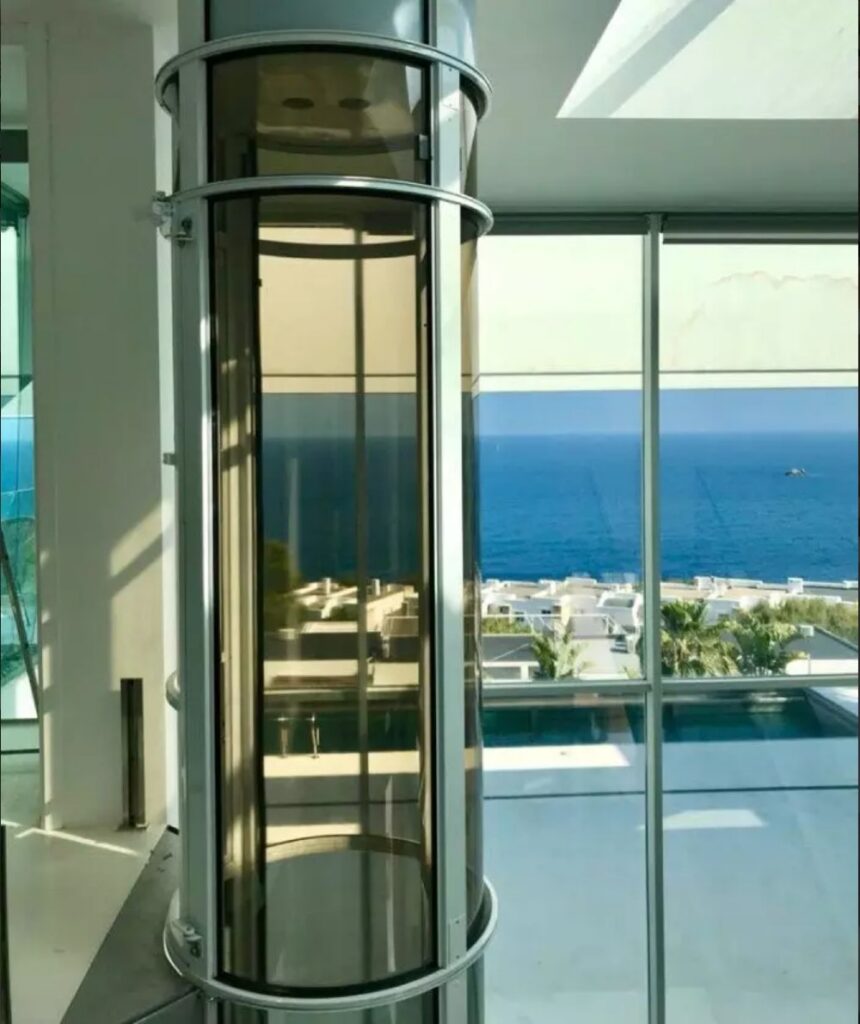
Pneumatic vacuum elevators like PVE work fundamentally differently from hydraulic or cable-driven residential elevator systems, and that difference shows up in warranty economics.
A pneumatic elevator has no cables, no pulleys, no hydraulic piston, no fluid reservoir, no counterweight, and no machine room. The drive mechanism is a set of turbines that create differential air pressure inside a sealed tube. There’s no oil to leak, no cable to fray, no pump to fail, and no separate room full of components to service. That translates to fewer warranty claims for the failure modes that dominate traditional residential elevators.
The tradeoff is a smaller component pool, but each component is critical. The turbines, control logic, safety brakes, and seal system all need to work correctly for the elevator to operate safely, and the warranty terms reflect that focus. PVE’s shaftless design also makes retrofit installations less structurally complex, which reduces the chance of building-related issues, like hoistway misalignment, that sometimes complicate warranty claims in conventional systems. The PVE52, which accommodates wheelchair users at 52 inches diameter, uses the same fundamental drive system as the smaller PVE30 and PVE37 models.
Because PVE elevators have fewer moving parts and no lubrication requirements, the service interval is generally longer than what’s typical for hydraulic or cable systems. That reduces both routine maintenance cost and the warranty risk from missed service.
Most home elevator manufacturers offer some form of extended coverage beyond the standard warranty period. These come in a few forms: extended parts warranties that lengthen the manufacturer’s coverage on specific components, service agreements that bundle maintenance visits with priority repair response, or comprehensive protection plans that combine both.
The value depends on what’s included and how it’s priced. A parts-only extension can be worthwhile if the covered components are expensive and prone to failure. A service agreement that includes annual inspections is often cost-effective simply because those inspections are already required to keep the standard warranty valid, so you’re paying for something you’d need anyway, ideally with a small discount and simplified billing.
Before signing an extended warranty, ask what specifically is covered, whether labor is included, what the total cost is over the extended period, whether there’s an enrollment window that closes shortly after installation, and whether the coverage transfers if you sell the home. Not all extended warranties are transferable, even when the underlying manufacturer warranty is.
Home elevator warranties vary widely enough that a direct comparison matters. When you’re evaluating quotes from multiple manufacturers, the warranty document should sit alongside the pricing and specifications, not as an afterthought.
The questions that matter most:
What’s the exact length of parts coverage, labor coverage, and any component-specific coverage? A one-page summary in a brochure isn’t enough. Get the full warranty document in writing.
Which components have different timelines? Mechanical parts often have longer coverage than electrical components. Knowing this in advance helps you predict where out-of-pocket costs are likely to appear over the elevator’s first decade of ownership.
Does the plan include expedited shipment of critical replacement parts, or is standard ground shipping the default? For a stuck elevator, that difference can mean days versus weeks of downtime.
Are extended warranty options available? At what cost? Is there an enrollment deadline that closes quickly after installation, or can you decide later?
Is the warranty transferable to a subsequent owner? If yes, under what conditions?
For related planning considerations, see our residential elevator dimensions guide. Space and installation choices sometimes affect warranty terms indirectly (a retrofit into a non-standard space can create structural conditions that manufacturers exclude).

Home elevator warranties typically run one to ten years depending on the component category. Mechanical parts often carry the longest coverage, sometimes up to ten years on premium plans. Electrical components typically get three years, and labor is usually covered for one year from the installation date. Extended service agreements can bring total coverage to five to seven years across the whole system.
Most home elevator warranties cover defects in materials and workmanship on the drive system, control boards, brake system, safety sensors, doors, and communication systems. Normal wear items like light bulbs and flooring aren’t covered, and damage from misuse, natural disasters, or unauthorized work is excluded.
The most common causes of voided warranty coverage are unauthorized modifications, work performed by non-authorized technicians, missed required maintenance, damage from misuse or overloading, and moving the elevator without manufacturer authorization. Damage from natural disasters, power surges, and lightning also typically falls outside warranty coverage.
Some home elevator warranties are transferable to a new homeowner, and some aren’t. Where transfer is allowed, it usually requires that the elevator has been properly maintained with documented service records, and that the transfer is requested in writing within a specific window after closing. Confirm the specific transfer rules with your manufacturer or authorized dealer before listing your house.
A warranty is the manufacturer’s promise to fix defective components within a specified period. A service contract is a separately-purchased maintenance agreement that typically includes scheduled inspections and may bundle priority repair response. Warranties are usually included in the purchase; service contracts are optional and paid separately. Some manufacturers require an active service contract to keep the warranty valid.
The manufacturer’s warranty covers the elevator equipment itself. Installation workmanship is typically covered separately by the authorized dealer or installer who did the work. Both warranties matter, but they route to different responsible parties when something goes wrong.
Standard warranty terms usually cover parts and normal labor for covered failures. Emergency callouts, after-hours service, and expedited shipping of urgent replacement parts are often billed separately. Ask specifically which scenarios qualify as billable emergency service before purchase.
Contact your installing dealer or the manufacturer directly. Provide the elevator’s model and serial number, the installation date, and a description of the issue and when it started. An authorized technician will inspect the equipment and determine whether the failure qualifies under warranty. Keep organized service records; they will be requested during the claim process.
Many manufacturers require warranty registration after installation to activate the coverage. Check the warranty document your dealer provides for the specific registration process and deadline. Missing the registration window can reduce your coverage from the extended terms to a shorter standard warranty.
Ask for the full warranty document in writing before signing anything. Confirm the length of parts, labor, and component-specific coverage. Ask whether extended warranty options exist and when the enrollment window closes. Confirm transferability rules if you might sell the home. Ask specifically what’s excluded and what maintenance is required to keep coverage valid.
A home elevator is a permanent structural addition to your house. That single fact changes how your homeowners policy needs to respond, and it means the coverage conversation belongs at the planning stage, not after installation. The questions you ask your insurer now determine whether the elevator is insured at full replacement cost, whether your liability limits still fit, and whether a future claim gets paid or denied.
The sections below walk through the conversation in order, from confirming coverage to notifying your insurer at each stage of the project. Bring your current declarations page to the call, and get every answer in writing.
Save this list before you call. Working through the questions in order keeps the conversation efficient and makes it easier to compare answers if you decide to shop the policy.
Start here because the answer sets up every other question. Standard homeowners policies treat home elevators differently from carrier to carrier. Some include them under dwelling coverage automatically, some exclude them, and some cover the equipment but not the liability.
Ask your agent to point you to the exact policy language that addresses fixed mechanical equipment or built-in accessibility features. If the policy is silent on elevators, that is not the same as covered. Silence usually means the carrier has not decided, and you want the decision documented in writing before installation begins.
Points to confirm on this first call:
Document the date, the agent’s name, and each answer. This record protects you if a dispute arises later.
A home elevator adds real replacement value to your house. If your dwelling limit is not adjusted to reflect it, you could be underinsured on the entire home, not just the elevator. Premium can also change, though the size of the change depends on the elevator type, construction scope, and your carrier’s rating guidelines.
Ask your insurer to reassess the replacement cost value after installation and adjust the dwelling limit accordingly. If you want a sense of what the project will add to that valuation before you make the call, our home elevator cost guide walks through the ranges by system type.
Useful things to request on this call:
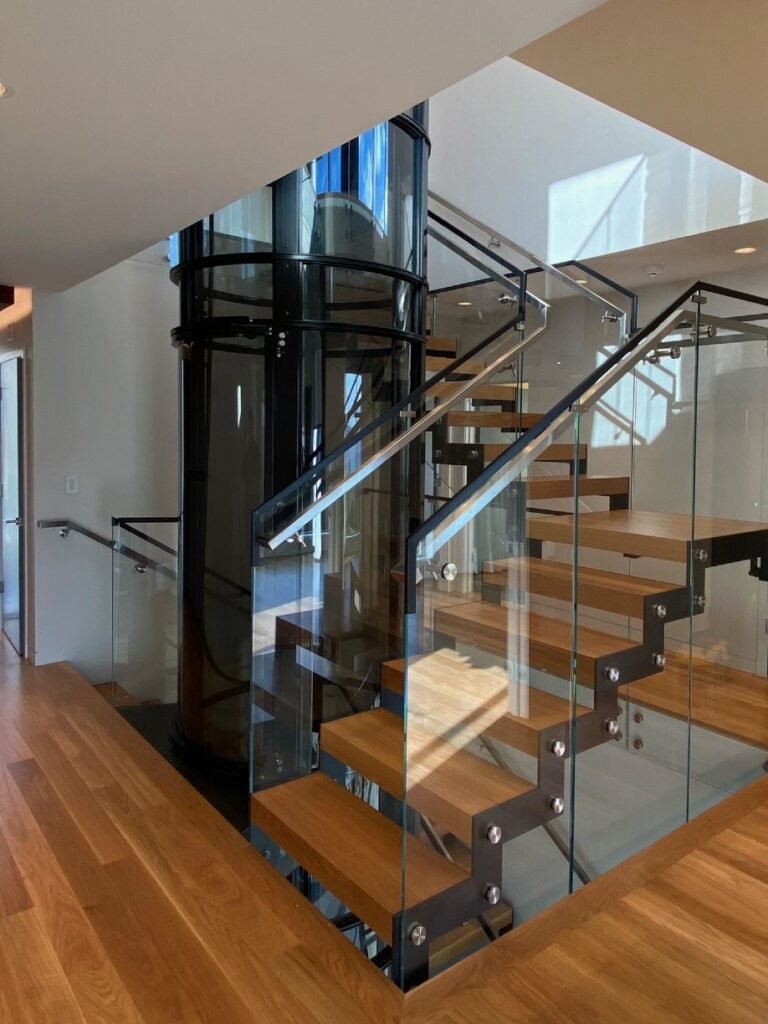
A rider or endorsement is a document that modifies your base homeowners policy. It can add coverage, tighten definitions, or insert exclusions. Standard policies typically cover sudden and accidental damage from named perils such as fire, theft, or vandalism, but they generally do not cover mechanical breakdown or normal wear and tear. That gap is one of the most common sources of confusion after a claim is denied.
Ask your carrier the following:
Liability is where homeowners are most often surprised. An elevator is a mechanical system that people ride, so if a guest, contractor, or service worker is injured, your homeowners liability coverage is what stands between you and the medical bills.
Questions to work through with your agent:
For homeowners planning around aging in place or a mobility need, our guide to home elevators for seniors covers the safety and accessibility factors that also come up in the liability conversation.
Insurers want proof that the elevator meets local building codes and passed final inspection before they extend or update coverage. That same paperwork is what they will ask for if a coverage question ever comes up at claim time. Assemble it once and keep it together.
Confirm with your carrier:
Store permits, inspection sign-offs, installer invoices, warranty paperwork, and the manufacturer specification sheet together in one file. Insurers may ask for them years after installation.
Most of these documents come from the elevator manufacturer or your installer, and the insurer may also want the specific elevator model identified in the document set. Having them ready shortens the call and gets you clearer answers.
| Document | Why the insurer wants it |
|---|---|
| Manufacturer specification sheet | Confirms model, capacity, drive system, safety features, and electrical requirements |
| Installer license and permit paperwork | Shows the work was performed by a qualified professional to code |
| Local inspection sign-off | Verifies the installation passed jurisdictional review |
| Electrical documentation | Confirms any dedicated circuit and electrical panel upgrades performed for the elevator |
| Warranty documentation | Establishes which repairs the manufacturer covers versus the specific policy |
| Service and maintenance log | Demonstrates ongoing upkeep, often required for continued coverage |
| Photos of the completed installation | Establishes the condition of the equipment at the time coverage began |
If the elevator is being installed in an existing home, the available space and any structural assessment done for the retrofit may also be part of the file the insurer or installer uses to confirm feasibility and scope.
Walk through hypothetical scenarios with your agent so you know what to expect before you need to file, and ask them to explain how a claim would move from first notice to inspection and repair approval. The answers will tell you where the coverage lines sit and where the gaps are.
Scenarios worth working through:
Also ask who inspects the equipment after a claim, whether the carrier uses a preferred repair vendor, and whether you can use the original installer or a manufacturer-authorized technician, since that choice can affect warranty validity and post-claim support response. For proprietary systems, using a technician outside the manufacturer’s network can void the warranty and complicate the claim. Finally, ask whether there are sub-limits or waiting periods specific to elevator claims, and how a claim would affect your premium at renewal.
Many carriers expect a documented maintenance history to keep coverage active on built-in mechanical equipment. Even where records are not strictly required, they help resolve claim questions quickly. Skipping service can create a gap the carrier can point to when a claim is filed.
Confirm with your insurer whether they require proof of scheduled service from a licensed elevator technician, and what service interval they expect you to follow. A regular maintenance schedule and records is often what the carrier will ask to see if a coverage question comes up years later.
Other maintenance-related questions:

Communication timing matters. Insurers price policies on the risk profile they know about. If they learn about the elevator at renewal instead of at installation, you have a period during which coverage might not respond the way you assume.
Nail down the notification points on the first call:
Sometimes, yes. Insurance treatment can vary by residential elevator installation type, especially between new construction and an existing home retrofit. Underwriters look at the drive system, capacity, whether the equipment requires a shaft and pit, and the maintenance profile. Pneumatic vacuum elevators are self-supporting, need no pit or machine room, and use air rather than hydraulic fluid or cables. That profile often simplifies the underwriting conversation because it removes several failure modes underwriters typically ask about. Hydraulic and cable-driven systems have their own considerations, including fluid containment and cable inspection intervals.
Bring the specification sheet to the insurance conversation. Underwriters make faster and more accurate decisions when they can see exactly what they are covering, including the elevator equipment itself and any related electrical requirements. If you are still weighing which type of system fits your home, PVE offers four residential models (PVE30, PVE37, PVE52, and The Cube), and the installer or authorized dealer can supply the technical documentation your carrier will want to review. Ask who will install the system and whether the quote covers the full elevator installation. Older homes can often be retrofitted with compact systems, and PVE installations typically take two to three days on-site with minimal disruption.
Rules vary by state and carrier, but most homeowners policies expect you to disclose permanent structural changes like a home elevator. Notifying the insurer as soon as you have a signed installation contract and a target date is the safe practice, especially when installing residential elevators in an existing home, where retrofit details can affect underwriting. A material change that goes undisclosed can create problems at claim time.
In most residential situations, a home elevator is covered under homeowners insurance as part of the dwelling rather than under a standalone elevator policy. Some carriers offer or require an endorsement that functions like specialized coverage for certain risks or higher limits. Confirm with your agent whether an additional endorsement is available or advisable for your policy.
Standard homeowners policies sometimes cover additional living expenses when a covered loss makes the home unfit to live in. If the elevator fails because of a covered peril such as fire or water damage, temporary relocation may be partly covered. A routine mechanical breakdown typically does not qualify. Homeowners with mobility limitations should ask their insurer directly how elevator outages are treated under loss-of-use coverage.
Insurers evaluate risk based on construction type, code compliance, and safety documentation rather than on brand alone. A shaftless, self-supporting design reduces construction complexity because no pit or machine room is required, and some underwriters treat that as a lower structural risk during installation. Share the manufacturer’s technical and safety documentation with your agent if they are unfamiliar with pneumatic vacuum elevators.
Ask the insurer to escalate the question to an underwriting supervisor for a written explanation of how the elevator will be covered. If they seem unsure, also confirm whether the quote and scope include only the elevator cab and components or a fuller turnkey installation managed by a general contractor, since shaft work and electrical scope can be separate line items that affect project valuation and underwriting documentation. Provide floor plans, the elevator specification sheet, and any code compliance documents so they can make an informed decision. Get the final coverage decision and any needed endorsements documented on the policy before or shortly after final inspection.
It can, and often does, though the change is usually modest relative to the project cost. Any premium change depends in part on your specific policy and the scope of the installation. A good installer should be able to give the insurer the technical details, past work examples, and project scope needed for accurate underwriting. Vague answers about scope, timeline, or documentation from the installer are a red flag. The premium adjustment reflects added replacement value, potential liability exposure, and the mechanical equipment itself. Some carriers charge a flat endorsement fee; others adjust the dwelling and liability premium at the next renewal.
Disclaimer
This article is a general planning guide and is not insurance advice. Every homeowners policy, carrier, and jurisdiction is different. Consult your licensed insurance agent for coverage specifics that apply to your policy and your property.
A glass home elevator uses transparent panels (polycarbonate, acrylic, or tempered glass) instead of solid walls, turning vertical travel into a panoramic experience. Installed costs range from $35,000 to $100,000+ depending on the drive system, model size, and structural work required. Pneumatic Vacuum Elevators (PVE) offers shaftless, pitless models with 360-degree views that install in two to three days.
A glass home elevator is a residential elevator in which the cab, the shaft walls, or both are constructed from clear, structural glass or glass-like panels, giving riders panoramic views instead of staring at solid walls. Glass elevators have clear panels for panoramic views, creating a more open and modern feel that traditional elevators – fully enclosed by solid walls – simply cannot match.
There are three main types of glass home elevators available today: fully panoramic cylinders like PVE’s air-driven models, framed glass cabs inside a traditional shaft, and compact shaftless designs for tighter configurations. Modern glass elevators can be shaftless or pneumatic, and glass panels used in residential elevators should be laminated or tempered safety glass to meet safety standards. PVE’s vacuum elevators use clear polycarbonate or glass-like panels that achieve the same transparent look while remaining lighter and easier to retrofit. Glass elevators can also be customized with different wall designs, and they eliminate the bulky visual footprint of standard shafts – a critical advantage for homeowners who want elegance without sacrificing space.
Many homeowners select glass elevators because they blend ease of use with aesthetic appeal in multi-story homes. A residential glass elevator acts as a luxury architectural statement, integrating seamlessly into modern architectural designs while supporting mobility needs.
Glass walls let sunlight pass freely between floors, maintaining an open feel that avoids the claustrophobic sensation of a fully enclosed cab. They provide stunning panoramic views during rides and enhance the aesthetic appeal of homes – especially in open-plan living rooms, double-height foyers, and beside staircases where the elevator becomes an unmistakable design anchor.
For homeowners in their 50s through 70s, glass home elevators offer a way to future-proof a multistory residence for aging in place without compromising on unique style. Property value increases with high-end architectural upgrades like glass elevators, and real estate agents increasingly highlight them as a premium amenity. PVE’s vacuum glass elevator models combine all these benefits with a compact, self-supporting design that delivers convenience and wow factor in both new builds and renovations, enhancing perceived value and design cohesion across the home.
Glass elevators differ primarily by their drive system and the construction they demand. Understanding the distinction helps you choose the right home elevator for your floor plans, budget, and aesthetic goals. Here is a concise comparison:
| Feature | PVE Pneumatic (Vacuum Tube) | Traditional Shaft (Hydraulic/Traction) | Shaftless Rail-Mounted |
| Panoramic View | 360 degrees | Partial (glass cab walls only) | Partial (open sides or panels) |
| Pit Required | No | Yes | Varies (minimal or none) |
| Machine Room | No | Yes (or adjacent space) | No |
| Typical Install Time | 2-3 days | Weeks to months | Days to weeks |
| Installed Cost Range | $35,000-$100,000+ | $70,000-$100,000+ | $30,000-$60,000+ |
| Best For | Retrofits, modern homes, full panoramic look | New construction, high capacity, multi-story | Two-story homes, tight footprints |
Pneumatic Vacuum Elevators feature a fully glass circular shaft that doubles as the hoistway. Turbines at the top of the cylinder create a vacuum above the cab to lift it; controlled reintroduction of air lowers it using gravity, which means the air literally powers your ride. Glass elevator shafts provide unobstructed views of surroundings during operation, and pneumatic vacuum elevators require minimal construction for installation.
The practical benefits are significant: no pit, no machine room, and glass elevators may be installed without dedicated hoistways or machine rooms. Models range from the compact PVE30 single-passenger unit to the PVE52 wheelchair-accessible model with a 525-pound capacity and 32-inch entrance width. Energy use stays low – the cab descends by gravity, the turbines draw only 3–7 kW during ascent, and there are no hydraulic fluids to manage.
Some home elevators pair hydraulic or traction drive systems with glass cab walls or glass hoistways instead of opaque construction. These systems typically require a built-in shaft, a pit in the lowest floor, and a nearby machine room or dedicated equipment space. While they can look impressive, glass elevators often require less construction than traditional models suggest – but traditional shafted versions still involve longer timelines and higher costs than shaftless pneumatic glass elevators. PVE offers a streamlined alternative for customers who want glass aesthetics without the burden of a full hoistway build.
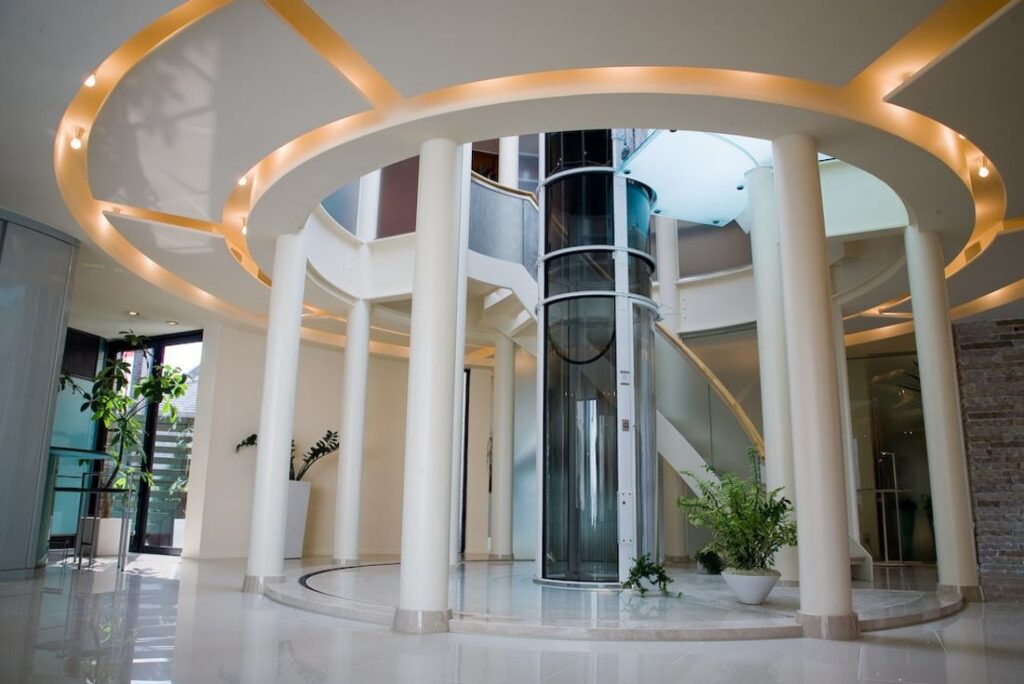
Shaftless home elevators do not require a full hoistway. They run on rails between floors with open sides or partial enclosures, often serving two-story homes. Shaftless elevators do not require a 6-8 inch pit, which simplifies installation. However, they may offer less panoramic visibility and less refined styling than PVE’s fully cylindrical design, which delivers the visual drama of a sculptural centerpiece plus the space-saving footprint homeowners expect.
Many homeowners assume glass elevators belong only in new custom builds, but PVE’s vacuum models are specifically engineered for retrofitting into existing homes. Installation may involve cutting through floors and reinforcing frames, but because PVE units are self-supporting and need no pit or machine room, they avoid major excavation and accommodate tight timelines.
In new construction, architects can design around a central glass home elevator from the start – aligning floor openings, lighting, and circulation so the elevator becomes a functional design anchor. Installation of glass elevators requires structural preparation and safety testing regardless of scenario, and local building codes dictate construction and installation requirements for glass elevators, so early permitting conversations are essential.
A practical example: a three-story retrofit in a 1990s Florida home was completed in under a week of on-site work, including floor penetrations, electrical runs, and the two-day PVE installation itself.
Most elevators need six to seven feet of clear height at the top landing, and elevators require a footprint measuring three to five feet wide – dimensions that PVE’s circular models handle efficiently in smaller existing homes. PVE vacuum elevators support up to five stops with a maximum travel of roughly 50 feet, require no pit and no separate machine room, and their self-supporting frame means the primary structural work is creating floor openings and verifying local code compliance with your home elevator installation checklist.
For décor integration, coordinate trim rings, column color, and flooring transitions to match your home’s interior style – whether modern, coastal, or traditional. Symmetry Glass Home Elevators and other models allow for customizable glass finishes, so discuss options like frosted or tinted panels with your dealer. Exploring space-saving ideas for home elevators can help you identify the ideal placement within your floor plans.
PVE’s drive system is an air-pump turbine assembly mounted at the top of the glass-like hoistway, with most equipment hidden from view. Ride quality is smooth, with moderate travel speeds of approximately 30–35 feet per minute – ideal for residential use where reliable operation and quiet comfort matter more than commercial speed. Compared with hydraulic and traction glass elevators, PVE systems produce less vibration, and while turbine noise is noticeable during ascent, descent is near-silent.
A glass home elevator is an investment that combines accessibility, convenience, and luxury design. Panoramic glass or glass-like home elevators from PVE commonly fall within a mid-to-high five-figure range – typically $35,000 to $100,000+ installed – while traditional shafted glass residential elevator projects can reach $70,000 to over $100,000+.
Primary cost drivers include cab size, total travel height, number of landings, choice of high quality materials, structural work in existing homes, permits, and regional labor rates. Operating costs stay low: PVE uses gravity for descent and efficient electric turbines for ascent, with no hydraulic fluids to replace.
Routine maintenance is needed for glass home elevator safety and operation. Elevator maintenance includes routine inspections, lubrications, and safety-checks on a manufacturer-recommended schedule. Cleaning and maintenance of glass panels is necessary to keep them spotless and presentable. Compared with many hydraulic systems, PVE has fewer moving parts, which can simplify upkeep. Request a detailed lifecycle cost overview from Pneumatic Vacuum Elevators or an authorized dealer before making your decision.
Emergency systems are essential for the safe operation of glass home elevators. PVE units include multiple mechanical safety brakes, electromechanical door interlocks, and automatic emergency descent – if power fails, the cab descends safely to the lowest floor, interior LED lighting remains on via backup battery, and doors unlock per protocol. Glass elevators meet rigorous safety requirements to ensure reliable, worry-free use.
ASME A17.1 / CSA B44 safety standards govern residential elevators in North America, and PVE models hold certifications under the performance-based ASME A17.7 / CSA B44.7 code. Glass and glass-like panels are engineered for strength and impact resistance – they are not ordinary window glass. This makes PVE a reliable home elevator for families who prioritize both elegance and function.
Picture a transparent column rising through a curved staircase, connecting a ground-floor foyer to an upper gallery while sunlight filters through every level. Glass cabs provide safe and independent movement between multiple levels, and glass elevators provide a panoramic view during rides that turns a simple trip between floors into an experience. A glass home elevator can create a sculptural vertical connection in a beachfront home, a penthouse corner, or a suburban family residence.
PVE offers customization in frame colors, trim styles, and coordinating lighting to enhance your home’s design elements. The typical process moves from initial consultation through site review, model selection, drawings and permits, then a two-to-three-day professional installation by an experienced team of authorized dealers.
Collaborate with your architect or interior designer so the glass elevator reads as an intentional focal point rather than an afterthought. To get started, visit Pneumatic Vacuum Elevators to explore available configurations and services, or contact the team directly for a design consultation.
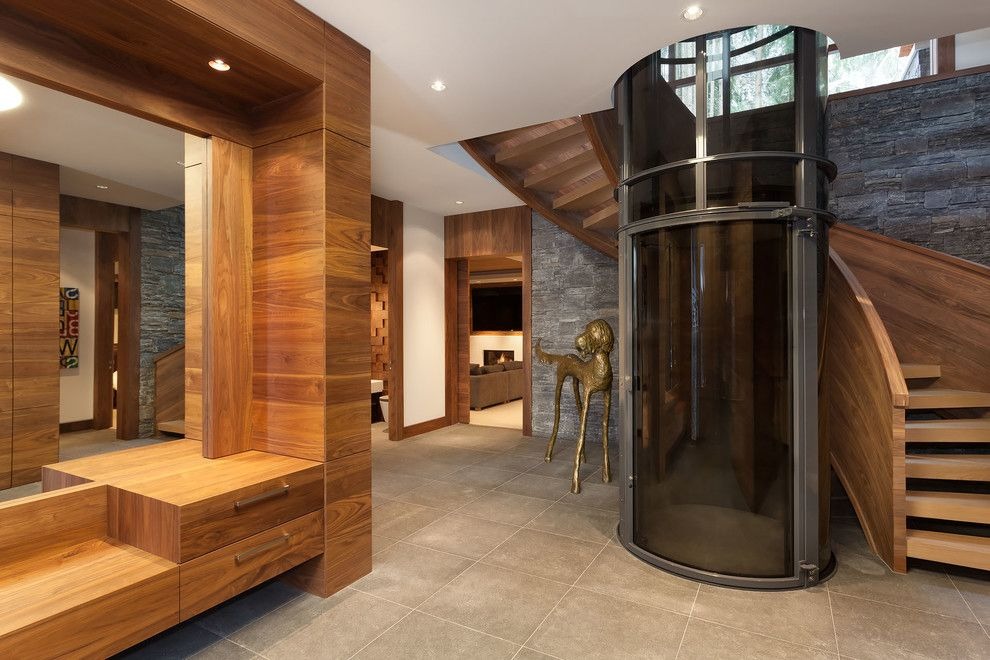
The following questions address common concerns not fully covered above, focused on real-world ownership and planning.
PVE’s pneumatic vacuum elevators are specifically designed to retrofit into existing homes without extensive demolition. They are self-supporting, require no pit, and need no machine room. Most projects require floor openings and electrical work but avoid reshaping the entire floorplan, making installation feasible even in homes built decades ago.
While glass panels are transparent, strategic placement and interior design maintain privacy. Locating the elevator away from bathrooms and bedrooms – or choosing frosted or tinted panels – addresses concerns. Many homeowners embrace the visibility in common areas like foyers and great rooms, where the elevator operates as a design statement.
Certain larger-diameter PVE models, like the PVE52, are engineered to accommodate wheelchairs and mobility devices with appropriate door openings and a 525-pound capacity. Discuss your specific mobility needs, device dimensions, and turning clearances with PVE or an authorized dealer to confirm which model provides safe, comfortable access.
PVE elevators require periodic professional inspections and routine maintenance – checking seals, brakes, and control systems – typically on an annual or manufacturer-recommended schedule. Compared with many hydraulic systems, there are no fluids to manage and fewer components exposed to heavy mechanical wear, which can simplify upkeep over the elevator’s lifetime.
Timelines vary by region and permitting, but many homeowners can expect several weeks to a few months from design approval to installation. The actual on-site installation of PVE units is typically completed in two to three days. Contact Pneumatic Vacuum Elevators early in your renovation or new-build planning so structural openings and electrical runs are ready when the elevator arrives.