Skip to content >

- Key Takeaways
- The Questions To Ask, At A Glance
- 1. Does My Current Policy Cover A Home Elevator, And If So, How?
- 2. Will My Dwelling Coverage Limit And Premium Change After Installation?
- 3. Do I Need A Rider Or Endorsement For The Elevator Itself?
- 4. How Is Liability Handled If Someone Is Injured Using The Elevator?
- 5. What Documentation, Permits, And Inspections Will You Require?
- 6. What To Have In Hand Before You Call
- 7. How Would A Claim Involving The Elevator Actually Be Handled?
- 8. Are There Maintenance Or Inspection Requirements Tied To Keeping Coverage In Force?
- 9. When Do You Want To Be Notified During The Project?
- 10. Does The Type Of Elevator Affect Insurance?
- Frequently Asked Questions
A home elevator is a permanent structural addition to your house. That single fact changes how your homeowners policy needs to respond, and it means the coverage conversation belongs at the planning stage, not after installation. The questions you ask your insurer now determine whether the elevator is insured at full replacement cost, whether your liability limits still fit, and whether a future claim gets paid or denied.
The sections below walk through the conversation in order, from confirming coverage to notifying your insurer at each stage of the project. Bring your current declarations page to the call, and get every answer in writing.
Key Takeaways
- Call your insurance company before you sign an installation contract. Waiting until after the project is finished can create coverage gaps that only surface when you file a claim.
- Homeowners insurance may cover a home elevator as part of dwelling coverage, but coverage varies by carrier and often requires an endorsement or rider added in writing.
- Most insurers want permits, code-compliance documentation, and the final inspection report on file before extending or updating coverage.
- Adding an elevator changes the home’s replacement cost. That can shift dwelling limits, liability limits, and sometimes underwriting category.
- Using a licensed installer and a system with clear technical documentation makes the insurance conversation faster and cleaner.
The Questions To Ask, At A Glance
Save this list before you call. Working through the questions in order keeps the conversation efficient and makes it easier to compare answers if you decide to shop the policy.
- Does my current policy cover a home elevator, and if so, how?
- Will my dwelling coverage limit and premium change after installation?
- Do I need a rider or endorsement for the elevator itself?
- How is liability handled if someone is injured using the elevator?
- What documentation, permits, and inspections will you require?
- How would a claim involving the elevator actually be handled?
- Are there maintenance or inspection requirements tied to keeping coverage in force?
- When do you want to be notified during the project?
1. Does My Current Policy Cover A Home Elevator, And If So, How?
Start here because the answer sets up every other question. Standard homeowners policies treat home elevators differently from carrier to carrier. Some include them under dwelling coverage automatically, some exclude them, and some cover the equipment but not the liability.
Ask your agent to point you to the exact policy language that addresses fixed mechanical equipment or built-in accessibility features. If the policy is silent on elevators, that is not the same as covered. Silence usually means the carrier has not decided, and you want the decision documented in writing before installation begins.
Points to confirm on this first call:
- Whether the classification is a remodel or a major structural addition, since the label changes how underwriters assess risk.
- Whether the elevator is covered under dwelling coverage (Coverage A) or needs its own endorsement or rider.
- Whether the insurer needs to approve plans, the elevator specification sheet, or any other documentation before installation starts.
- Whether the elevator is insured at replacement cost alongside the rest of the house or only at actual cash value.
Document the date, the agent’s name, and each answer. This record protects you if a dispute arises later.
2. Will My Dwelling Coverage Limit And Premium Change After Installation?
A home elevator adds real replacement value to your house. If your dwelling limit is not adjusted to reflect it, you could be underinsured on the entire home, not just the elevator. Premium can also change, though the size of the change depends on the elevator type, construction scope, and your carrier’s rating guidelines.
Ask your insurer to reassess the replacement cost value after installation and adjust the dwelling limit accordingly. If you want a sense of what the project will add to that valuation before you make the call, our home elevator cost guide walks through the ranges by system type.
Useful things to request on this call:
- An estimate of how your annual premium could change once the elevator is added, based on the carrier’s current rating guidelines.
- Whether a modern, low-maintenance system without a shaft or machine room is treated as lower risk than a traditional shaft-based elevator.
- How a higher deductible would affect the premium, and what that tradeoff looks like in dollar terms.
- Sample premium scenarios: current home, home with a hydraulic elevator, home with a shaftless pneumatic elevator.
3. Do I Need A Rider Or Endorsement For The Elevator Itself?
A rider or endorsement is a document that modifies your base homeowners policy. It can add coverage, tighten definitions, or insert exclusions. Standard policies typically cover sudden and accidental damage from named perils such as fire, theft, or vandalism, but they generally do not cover mechanical breakdown or normal wear and tear. That gap is one of the most common sources of confusion after a claim is denied.
Ask your carrier the following:
- Whether a separate elevator endorsement is required for damage, mechanical breakdown, or vandalism to the equipment itself.
- Whether elevator electronics, doors, and cab finishes are covered under the dwelling limit or only under a specific endorsement with its own sub-limits.
- How a mechanical breakdown endorsement, if available, coordinates with the manufacturer’s warranty coverage so you know which responds first.
- Whether a wheelchair-accessible elevator is classified differently from a standard home elevator in the carrier’s endorsement language.
4. How Is Liability Handled If Someone Is Injured Using The Elevator?
Liability is where homeowners are most often surprised. An elevator is a mechanical system that people ride, so if a guest, contractor, or service worker is injured, your homeowners liability coverage is what stands between you and the medical bills.
Questions to work through with your agent:
- Whether your current personal liability limit still makes sense once a residential elevator is on the property.
- Whether the insurer recommends increasing the liability limit or adding a personal umbrella policy before installation is complete.
- How injuries to household members versus visitors are treated, and how medical payments coverage applies to elevator incidents.
- Whether using a licensed, insured installer affects how liability claims are investigated or defended.
For homeowners planning around aging in place or a mobility need, our guide to home elevators for seniors covers the safety and accessibility factors that also come up in the liability conversation.
5. What Documentation, Permits, And Inspections Will You Require?
Insurers want proof that the elevator meets local building codes and passed final inspection before they extend or update coverage. That same paperwork is what they will ask for if a coverage question ever comes up at claim time. Assemble it once and keep it together.
Confirm with your carrier:
- Whether they require permits, electrical approvals, and the final elevator inspection report before adding coverage to your policy.
- Which residential elevator safety standards they expect the installation to meet in your state.
- Whether they want proof that the installer is licensed and insured, and for proprietary systems, whether they want confirmation the installer is an authorized dealer for the brand.
- Whether they want photos of the completed installation, including the equipment location and any control space.
Store permits, inspection sign-offs, installer invoices, warranty paperwork, and the manufacturer specification sheet together in one file. Insurers may ask for them years after installation.
6. What To Have In Hand Before You Call
Most of these documents come from the elevator manufacturer or your installer, and the insurer may also want the specific elevator model identified in the document set. Having them ready shortens the call and gets you clearer answers.
| Document | Why the insurer wants it |
|---|---|
| Manufacturer specification sheet | Confirms model, capacity, drive system, safety features, and electrical requirements |
| Installer license and permit paperwork | Shows the work was performed by a qualified professional to code |
| Local inspection sign-off | Verifies the installation passed jurisdictional review |
| Electrical documentation | Confirms any dedicated circuit and electrical panel upgrades performed for the elevator |
| Warranty documentation | Establishes which repairs the manufacturer covers versus the specific policy |
| Service and maintenance log | Demonstrates ongoing upkeep, often required for continued coverage |
| Photos of the completed installation | Establishes the condition of the equipment at the time coverage began |
If the elevator is being installed in an existing home, the available space and any structural assessment done for the retrofit may also be part of the file the insurer or installer uses to confirm feasibility and scope.
7. How Would A Claim Involving The Elevator Actually Be Handled?
Walk through hypothetical scenarios with your agent so you know what to expect before you need to file, and ask them to explain how a claim would move from first notice to inspection and repair approval. The answers will tell you where the coverage lines sit and where the gaps are.
Scenarios worth working through:
- A guest is injured on the elevator. What gets filed, in what order, and against which coverage?
- The elevator is damaged by a covered peril such as fire or water. How is the claim handled and what documentation is needed?
- The elevator fails mechanically with no covered peril involved. Is that excluded from the policy and handled under the warranty terms or a maintenance contract instead?
- A mobility-dependent homeowner cannot safely stay in the home while the elevator is out of service. Are additional living expenses covered, and under what conditions?
Also ask who inspects the equipment after a claim, whether the carrier uses a preferred repair vendor, and whether you can use the original installer or a manufacturer-authorized technician, since that choice can affect warranty validity and post-claim support response. For proprietary systems, using a technician outside the manufacturer’s network can void the warranty and complicate the claim. Finally, ask whether there are sub-limits or waiting periods specific to elevator claims, and how a claim would affect your premium at renewal.
8. Are There Maintenance Or Inspection Requirements Tied To Keeping Coverage In Force?
Many carriers expect a documented maintenance history to keep coverage active on built-in mechanical equipment. Even where records are not strictly required, they help resolve claim questions quickly. Skipping service can create a gap the carrier can point to when a claim is filed.
Confirm with your insurer whether they require proof of scheduled service from a licensed elevator technician, and what service interval they expect you to follow. A regular maintenance schedule and records is often what the carrier will ask to see if a coverage question comes up years later.
Other maintenance-related questions:
- Whether failure to follow the manufacturer’s recommended maintenance could limit or void certain claims.
- Whether periodic safety inspections beyond local building requirements are encouraged or required, and whether built-in protections for riders and technicians should be documented.
- Whether modernization projects, such as updated controllers, emergency communication, or door safety systems, qualify for any premium credit.
- Whether the carrier offers any credit for documented safety features such as emergency lowering, battery backup, child-resistant controls, and systems that descend gently to the lowest landing during a power outage.
9. When Do You Want To Be Notified During The Project?
Communication timing matters. Insurers price policies on the risk profile they know about. If they learn about the elevator at renewal instead of at installation, you have a period during which coverage might not respond the way you assume.
Nail down the notification points on the first call:
- Exactly when to notify, what a realistic timeline looks like for project updates, and whether the insurer wants updates at the planning stage, when the installation contract is signed, or after final inspection.
- How changes to the home’s insured value will be documented, whether that is a new declarations page, an endorsement, or a new policy number.
- Whether coverage gaps could occur during construction, including site preparation, electrical work, and coordination with other trades, when temporary exposure can change.
- Whether one company is managing the entire job or separate contractors are involved, since notification requirements can differ.
- A post-installation call once the elevator passes final inspection, so every change is reflected on the policy in writing.
10. Does The Type Of Elevator Affect Insurance?
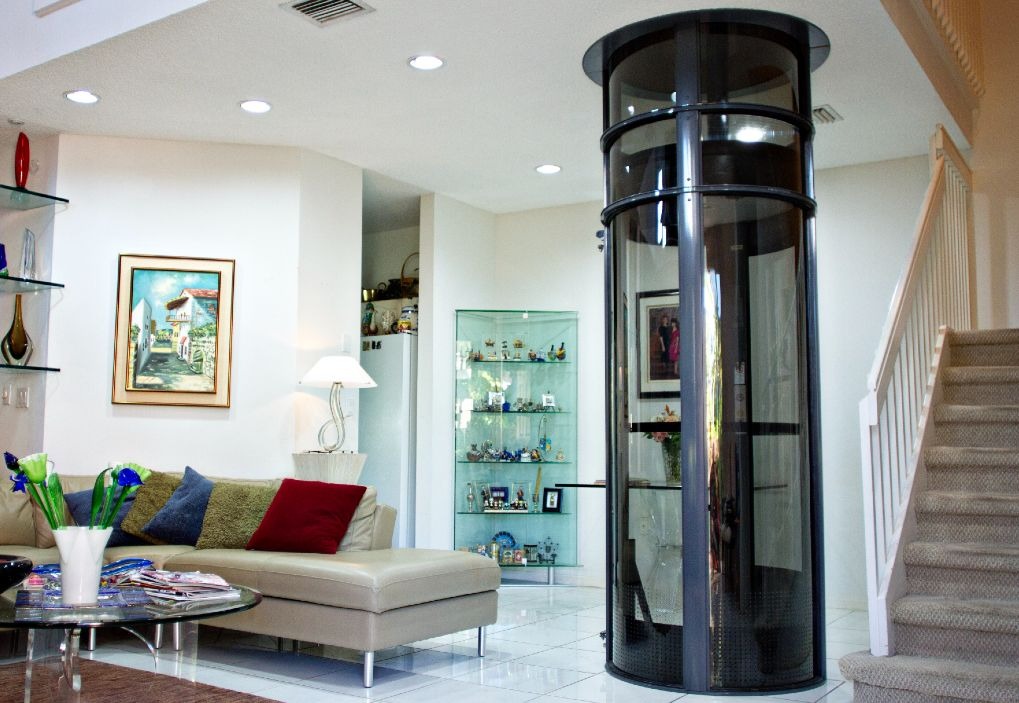
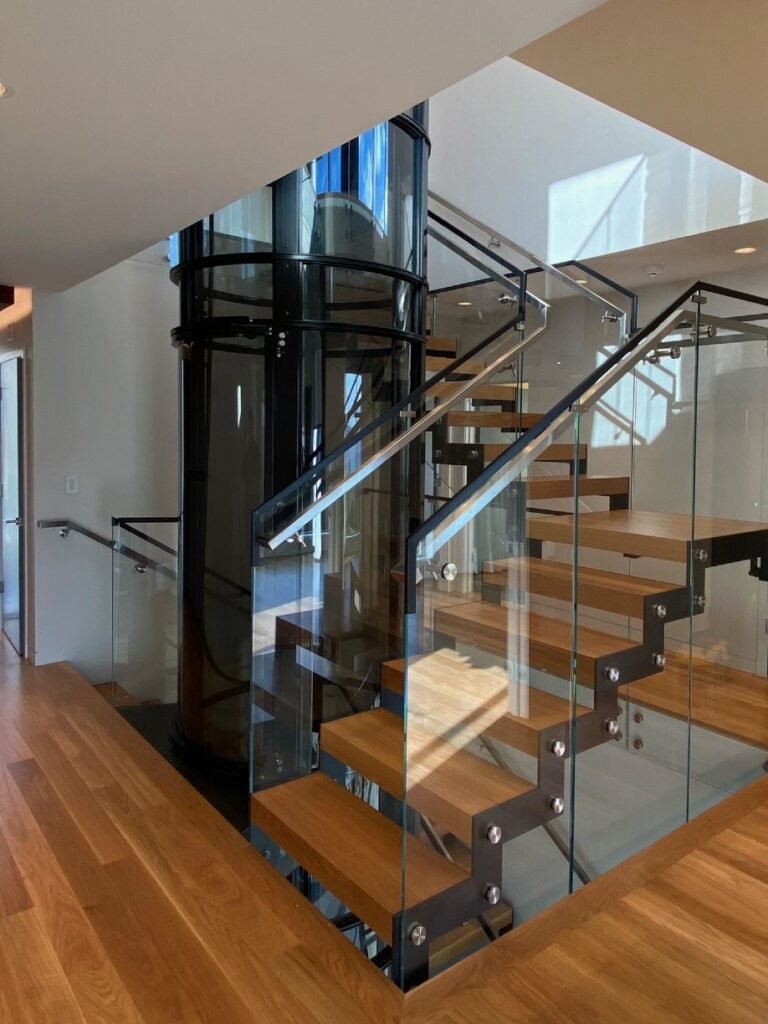
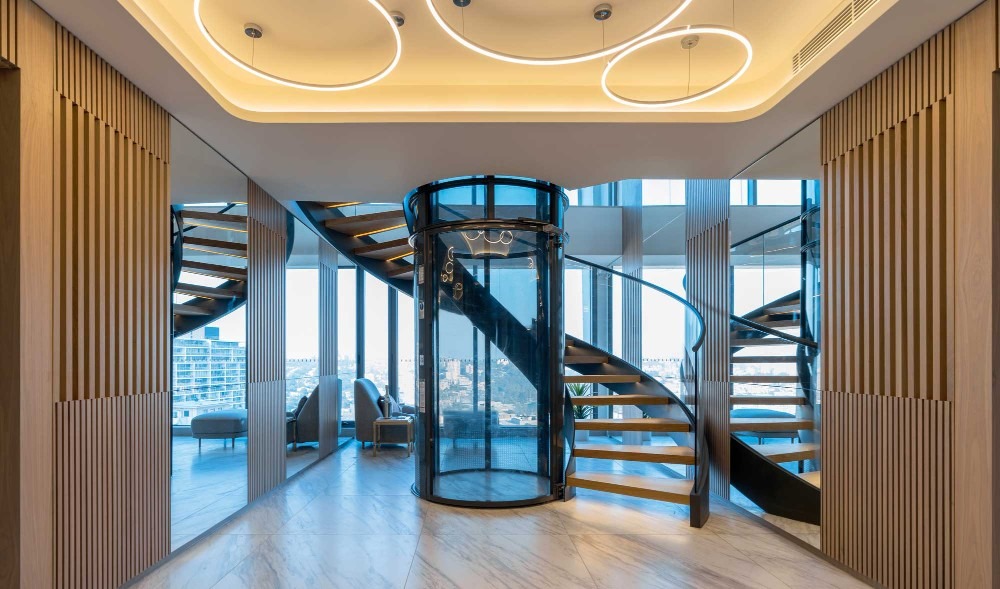
Sometimes, yes. Insurance treatment can vary by residential elevator installation type, especially between new construction and an existing home retrofit. Underwriters look at the drive system, capacity, whether the equipment requires a shaft and pit, and the maintenance profile. Pneumatic vacuum elevators are self-supporting, need no pit or machine room, and use air rather than hydraulic fluid or cables. That profile often simplifies the underwriting conversation because it removes several failure modes underwriters typically ask about. Hydraulic and cable-driven systems have their own considerations, including fluid containment and cable inspection intervals.
Bring the specification sheet to the insurance conversation. Underwriters make faster and more accurate decisions when they can see exactly what they are covering, including the elevator equipment itself and any related electrical requirements. If you are still weighing which type of system fits your home, PVE offers four residential models (PVE30, PVE37, PVE52, and The Cube), and the installer or authorized dealer can supply the technical documentation your carrier will want to review. Ask who will install the system and whether the quote covers the full elevator installation. Older homes can often be retrofitted with compact systems, and PVE installations typically take two to three days on-site with minimal disruption.
Frequently Asked Questions
Do I have to tell my insurance company before installing a home elevator?
Rules vary by state and carrier, but most homeowners policies expect you to disclose permanent structural changes like a home elevator. Notifying the insurer as soon as you have a signed installation contract and a target date is the safe practice, especially when installing residential elevators in an existing home, where retrofit details can affect underwriting. A material change that goes undisclosed can create problems at claim time.
Is a separate elevator insurance policy required for a residential elevator?
In most residential situations, a home elevator is covered under homeowners insurance as part of the dwelling rather than under a standalone elevator policy. Some carriers offer or require an endorsement that functions like specialized coverage for certain risks or higher limits. Confirm with your agent whether an additional endorsement is available or advisable for your policy.
Will my policy cover temporary accommodations if my elevator stops working?
Standard homeowners policies sometimes cover additional living expenses when a covered loss makes the home unfit to live in. If the elevator fails because of a covered peril such as fire or water damage, temporary relocation may be partly covered. A routine mechanical breakdown typically does not qualify. Homeowners with mobility limitations should ask their insurer directly how elevator outages are treated under loss-of-use coverage.
Does using a shaftless vacuum elevator change how insurers look at my risk?
Insurers evaluate risk based on construction type, code compliance, and safety documentation rather than on brand alone. A shaftless, self-supporting design reduces construction complexity because no pit or machine room is required, and some underwriters treat that as a lower structural risk during installation. Share the manufacturer’s technical and safety documentation with your agent if they are unfamiliar with pneumatic vacuum elevators.
What if my insurance company seems unsure how to classify a home elevator?
Ask the insurer to escalate the question to an underwriting supervisor for a written explanation of how the elevator will be covered. If they seem unsure, also confirm whether the quote and scope include only the elevator cab and components or a fuller turnkey installation managed by a general contractor, since shaft work and electrical scope can be separate line items that affect project valuation and underwriting documentation. Provide floor plans, the elevator specification sheet, and any code compliance documents so they can make an informed decision. Get the final coverage decision and any needed endorsements documented on the policy before or shortly after final inspection.
Will installing an elevator raise my premium?
It can, and often does, though the change is usually modest relative to the project cost. Any premium change depends in part on your specific policy and the scope of the installation. A good installer should be able to give the insurer the technical details, past work examples, and project scope needed for accurate underwriting. Vague answers about scope, timeline, or documentation from the installer are a red flag. The premium adjustment reflects added replacement value, potential liability exposure, and the mechanical equipment itself. Some carriers charge a flat endorsement fee; others adjust the dwelling and liability premium at the next renewal.
Disclaimer
This article is a general planning guide and is not insurance advice. Every homeowners policy, carrier, and jurisdiction is different. Consult your licensed insurance agent for coverage specifics that apply to your policy and your property.