Skip to content >

- At a glance
- Why Seniors Choose Home Elevators
- How Much Space Do Home Elevators Take Up?
- Home Elevators vs Stair Lifts
- Home Elevator Drive Systems for Seniors
- Best Elevator Types for Seniors
- Benefits for Family Members and Caregivers
- What Seniors Should Look for in a Home Elevator
- Installation and Costs: What Seniors Need to Know
- Financial Considerations for Seniors
- Home Elevator Maintenance and Long-Term Reliability
- Basic Troubleshooting Tips
- Long-Term Planning for Aging in Place
- Choosing the Right Home Lift for Seniors
- Conclusion: Supporting Safe and Independent Living
- Frequently Asked Questions About Home Elevators for Seniors
The best home elevator for most seniors is a pneumatic vacuum elevator, because it installs in 2 to 3 days without a shaft, pit, or machine room, the fewest trade-offs for an existing home. Seniors who need a larger cabin, more wheelchair room, or higher weight capacity are usually better served by a hydraulic elevator, which rides smoothly but needs a shaft and machine room and takes 2 to 4 weeks to install. Both options meet ASME residential safety codes (A17.1/CSA B44 for hydraulic, A17.7 for pneumatic) and support aging in place by removing stairs, the leading fall risk for adults 65 and older.
At a glance
- Pneumatic (vacuum) elevators — 2–3 day install, no shaft or machine room, compact footprint, ideal for retrofits
- Hydraulic elevators — 2–4 week install, larger cabin and higher capacity, needs shaft and machine room
- Safety must-haves — auto-leveling, two-way emergency communication, door sensors, low step-in height
- Funding help — may qualify for medical expense tax deductions, VA benefits, or state accessibility grants
Why Seniors Choose Home Elevators
Nearly 77% of adults age 50 and older want to stay in their homes as they age. A home elevator makes that easier. It keeps every level of the home within reach.
A home elevator for seniors is a mobility system built for residential use. It moves a person safely between floors. It also has room for a walker, wheelchair, scooter, or a caregiver.
Unlike a stair lift, a home elevator offers full-cabin access. The ride is more stable. And it adapts as mobility needs change over the years.
Modern residential elevators are designed with safety and comfort in mind. Depending on the model, features can include:
- Non-slip flooring
- Handrails
- Two-way emergency communication
- Auto-leveling at each floor
- Backup safety systems
When installed and maintained by a pro, a home elevator runs reliably for years. Many residential elevators can fit a wheelchair, a walker, a mobility scooter, or a caregiver, making daily life easier.
For seniors with arthritis, balance issues, chronic pain, or vision loss, stairs become the hardest part of the home. The CDC reports that falls are a top cause of injury-related hospital stays for adults 65 and older. A home elevator can lower that risk. It also builds confidence and daily mobility.
Key Benefits for Seniors
- Lower fall risk — No more daily trips up and down the stairs.
- Better access — Reach every floor safely.
- Support aging in place — Stay in the home longer, without moving.
- Easier lifting — Move groceries, laundry, and mobility gear between floors.
- Less strain — Save energy. Reduce fatigue from stair climbing.
- More confidence — Move around the home with less worry.
- Wheelchair-friendly — Some models fit a wheelchair and a caregiver.
Climbing stairs many times a day adds strain to the joints, raises fatigue, and makes simple tasks harder. A home elevator takes that strain away. Seniors move through the home with more comfort and peace of mind.
How Much Space Do Home Elevators Take Up?
Space needs vary by elevator type and by the homeowner’s accessibility needs. Some systems are built for tight spaces and retrofits. Others need more construction and a dedicated equipment area.
Knowing the space requirements early helps you pick a system that fits your home and your long-term plans.
Common Space Considerations
- Wheelchair access — Larger cabins may need more interior space for a wheelchair or caregiver.
- Shaft and machine room — Traditional hydraulic elevators often need both.
- Install footprint — Compact and shaftless models fit into smaller homes with less structural work.
- Construction impact — Some systems need bigger floor openings or more reinforcement than others.
Pneumatic and shaftless elevators are popular picks for existing homes. They need less construction and a smaller footprint than traditional systems. Hydraulic elevators are larger but offer higher weight capacity and more cabin space for a wheelchair.
The right home elevator comes down to your available space, your mobility needs, and how much construction you want to take on.
Home Elevators vs Stair Lifts
When you compare accessibility options, the choice often comes down to short-term cost versus long-term independence.
A stair lift carries one person along an existing staircase. It can be a good fit for mild mobility issues. But it does not offer the same flexibility, wheelchair access, or long-term use as a home elevator.
A home elevator gives you a full cabin. Depending on the model, you can bring:
- A wheelchair, walker, or scooter
- Groceries and laundry
- A caregiver
There’s no need to transfer in and out of a chair. You just step in, or roll in, and ride.
For seniors planning to age in place, a home elevator is often the better long-term choice. Most modern systems also include safety features like two-way emergency communication, backup power options, auto-leveling, and a smooth, quiet ride.
The right choice depends on your mobility needs, your space, your budget, and your long-term plans.
Home Elevator Drive Systems for Seniors
Different drive systems offer different benefits. The right one depends on your mobility needs, your space, and your install goals.
Pneumatic Drive Systems
Pneumatic elevators use air pressure to move the cab between floors. Most don’t need a pit, shaft, or separate machine room. That makes them easier to install in existing homes and homes with tight space.
These systems are known for a compact footprint, energy-efficient use, and minimal structural work. Many seniors pick them for a simpler retrofit.
Hydraulic Drive Systems
Hydraulic elevators use cylinders and pistons to raise and lower the cab. The ride is quiet and smooth. They’re often chosen for larger cabins or higher weight capacity.
Hydraulic systems can be a good fit for wheelchair access and multi-passenger use. But they need more install space, usually a shaft and a machine room. Retrofitting one into an existing home can take more construction and more time.
Best Elevator Types for Seniors
The right home elevator makes a real difference in safety, comfort, and daily life. Different residential systems offer different strengths. The best fit depends on your mobility needs, your space, and your install plans.
Some elevators are built for compact spaces and retrofits. Others focus on larger cabins, higher weight capacity, or wheelchair access. Modern models can include a smooth ride, strong safety systems, and space-saving designs.
Pneumatic Elevators: The Space-Saving Pick for Existing Homes
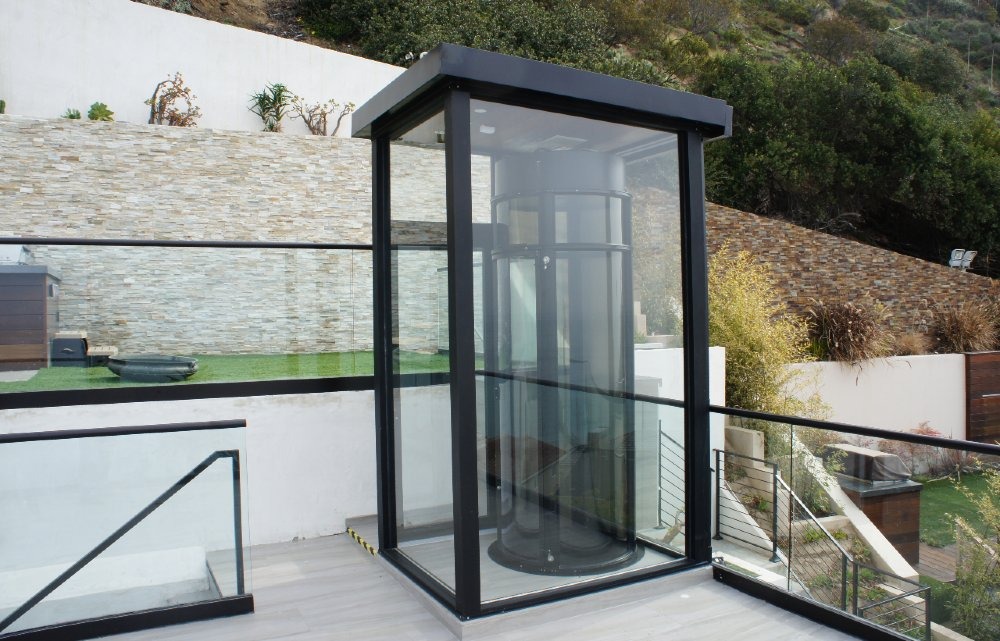
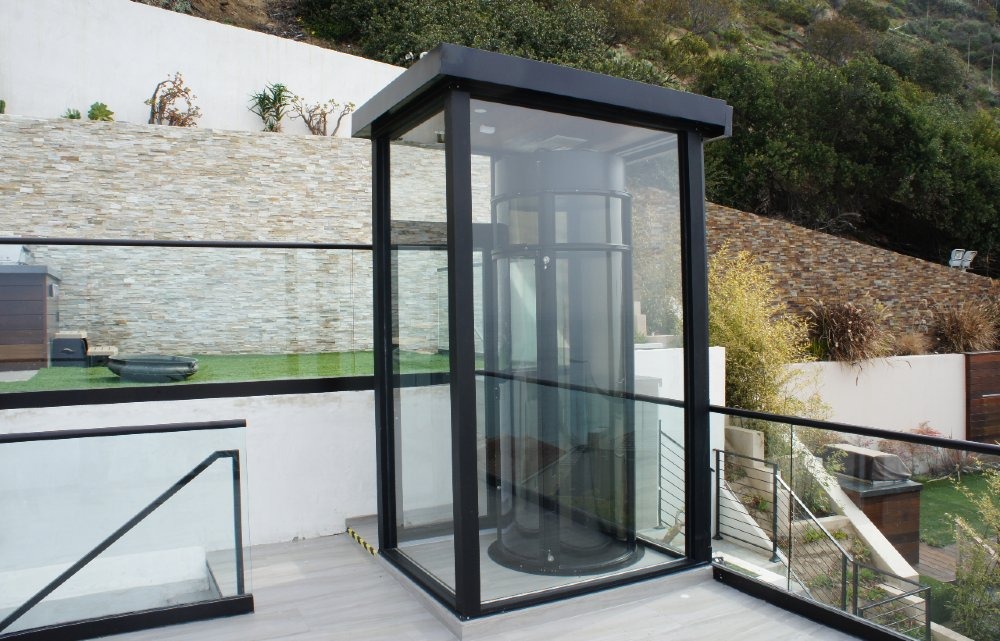
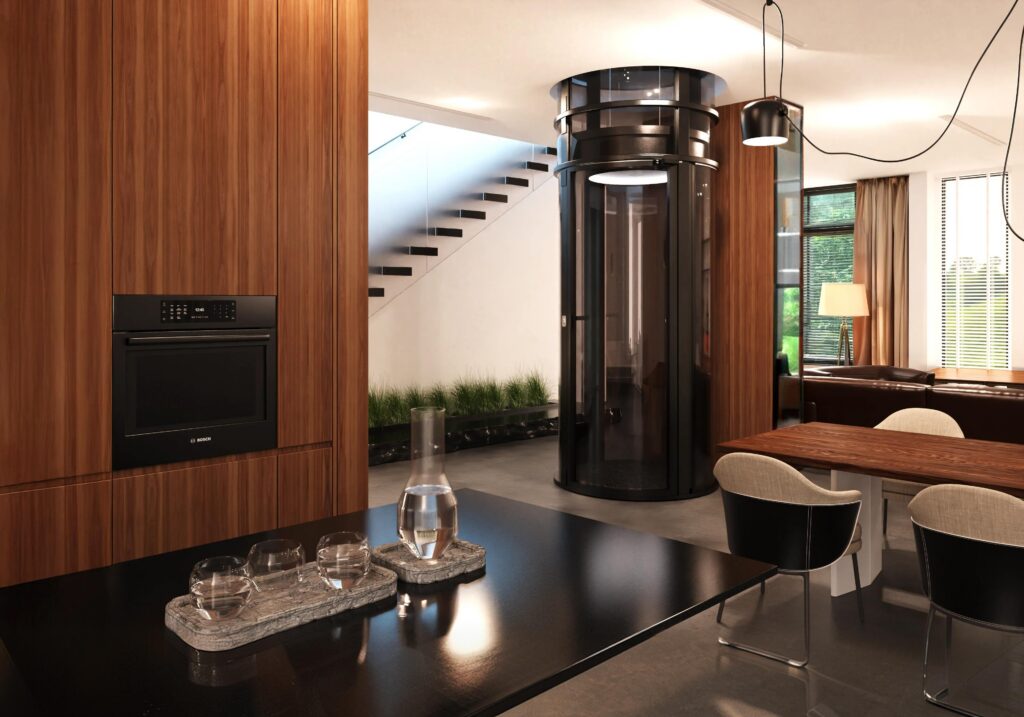
Pneumatic elevators are a popular choice for seniors who want a compact system with minimal construction. They use air pressure to move the cab between floors. Most need no pit, shaft, or separate machine room.
Because of their small footprint and self-supporting design, they fit well into retrofits. Install times are faster too. There’s less construction compared to a traditional system.
Some pneumatic models can fit a wheelchair, walker, or caregiver, depending on cabin size. If wheelchair access matters, confirm the dimensions before you buy.
Pneumatic systems are also energy-efficient, quiet, and lower-maintenance thanks to their simple design. For many seniors planning to age in place, that mix is hard to beat.
Hydraulic Elevators: A Smooth Ride for Senior Comfort
Hydraulic elevators run smoothly and quietly. They’re often chosen for ride comfort, bigger cabins, and higher weight limits. The system uses fluid pressure to raise and lower the cab. The ride is gentle, a real plus for seniors with joint pain, balance issues, or limited mobility.
Because hydraulic elevators carry heavier loads, they work well for wheelchair access, multiple riders, or moving mobility gear.
They do take more space than compact or shaftless options. Most need a dedicated shaft, a machine room, and more structural work. That can raise install time and total cost, especially in an existing home.
If you have the space and want a durable, comfortable ride, a hydraulic elevator can be a strong fit.
Safety Features Seniors Should Look For
Safety is the top concern when picking a home elevator for a senior. Modern residential elevators are built to meet strict safety and accessibility codes. They’re designed to run reliably every day and in an emergency.
Most residential elevators meet or exceed ASME A17.1 / CSA B44 safety standards. These cover construction, operation, and emergency performance. Pneumatic elevators fall under ASME A17.7 due to their unique design.
Important Safety Features Include:
- Two-way emergency communication — Call for help from inside the cab.
- Door sensors — Keep the elevator from moving if a doorway is blocked.
- Auto-leveling — Keep the cab even with the floor to prevent trips.
- Emergency stop button — Stop the elevator at once if needed.
- Backup safety systems — Keep things safe during a power outage.
Professional installation, regular maintenance, and routine inspections also matter. They keep your elevator safe and reliable over time.
Benefits for Family Members and Caregivers
A home elevator does more than help the senior. It also eases the load on family and caregivers.
Helping someone up and down the stairs many times a day gets physically hard. It also raises the risk of falls for both people. A home elevator removes that strain. Everyone moves through the home more safely.
For many families, that peace of mind is a big part of the choice. It lets a senior stay in the home they love — longer.
What Seniors Should Look for in a Home Elevator
Not every home elevator has the same senior-friendly features. If you’re planning to age in place, keep comfort, safety, and ease of use at the top of your list.
Important Features to Look For:
- Smooth, quiet ride — More comfortable, less jarring.
- Low step-in height — Lower trip risk at the entry.
- Room for mobility aids — Some models fit a walker, wheelchair, or caregiver.
- Two-way emergency communication — Call for help from inside the cab.
- Accurate floor leveling — The cab lines up with the floor every time.
Choosing the right features now helps keep your elevator safe and useful as mobility needs change.
Installation and Costs: What Seniors Need to Know
Space Requirements and Home Value Impact
Space matters when adding an elevator to an existing home. Some systems, like pneumatic elevators, are built for tight spaces and need little structural work. Others may need a shaft, a machine room, or extra construction.
A home elevator can also raise property value. It adds accessibility and long-term use. Accessibility upgrades appeal to multigenerational families and future aging-in-place buyers.
Installation Process
Pre-Installation Assessment
- A pro reviews structural needs
- Space is measured and the design is set
- Local building codes are checked
Permits and Planning
- Pull the needed building permits
- Finalize the design
- Schedule the install
Installation Timeline
- Hydraulic systems: Typically 2 to 4 weeks
- Pneumatic systems: Often 2 to 3 days
- Final inspection and certification before use
Financial Considerations for Seniors
A home elevator is a long-term investment in safety, access, and independence. Cost varies by type, install needs, and the options you choose. Many homeowners see it as a key part of aging in place.
In some cases, you may be able to lower the cost with financial help or tax benefits.
Potential Funding Options
- Medical expense deductions — Some accessibility upgrades may qualify, with the right paperwork.
- Home equity financing — A home equity loan or line of credit is a common choice.
- Accessibility grants — Local or state programs may offer help.
- Veteran benefits — Eligible veterans may qualify for housing or accessibility programs.
Talk to a financial pro, a local agency, or an accessibility specialist to see what you qualify for.
Home Elevator Maintenance and Long-Term Reliability
Regular maintenance keeps a home elevator safe and reliable for years. Schedule a pro inspection every 6 to 12 months. That catches small issues before they become big ones.
A written maintenance schedule also supports your warranty and helps you stay compliant with local safety rules.
Basic Troubleshooting Tips
Before you call a technician, check a few common issues:
- Power — Is the elevator getting power? Any tripped breakers?
- Doors — Are all doors fully closed and latched?
- Emergency stop — Has the stop button been pressed by mistake?
- Weight — Is the load within the manufacturer’s limit?
If the problem continues, contact a qualified elevator technician or your authorized service provider.
Long-Term Planning for Aging in Place
A well-maintained home elevator can serve a senior for decades. For anyone with limited mobility, or a wheelchair user, reliable access between floors matters more over time.
Like any home system, an elevator needs regular care. Major parts like motors, cables, and controls may need replacement at some point. The timing depends on the model, how often it’s used, and the manufacturer’s guidance.
Maintenance needs vary by model and drive system. Talk to your authorized dealer or installer about long-term service needs and expected costs.
Choosing the Right Home Lift for Seniors
Picking the right residential elevator early can save costly upgrades later. The best option depends on mobility needs, home layout, accessibility goals, and budget. Shaftless, hydraulic, and pneumatic models are popular with seniors because of their accessibility features, reliability, and space-saving designs.
Key Factors
- Talk to a healthcare pro — A doctor or physical therapist can share insight on current and future needs.
- Review the home — Check layout, electrical, and structure to make sure the install will work.
- Set a budget — Think about install cost, maintenance, warranty, and possible insurance help.
- Include the family — Loop in family members and caregivers so everyone’s needs are heard.
Conclusion: Supporting Safe and Independent Living
For many seniors, a home elevator is more than a convenience. It’s a long-term investment in safety, access, and independence. As mobility needs shift, a residential elevator keeps every level of the home within reach.
Whether you install one for aging in place, recovery after surgery, or long-term support, a modern home elevator is a safer, easier choice than stairs. With many types, sizes, and install options to pick from, you can find a system that fits your home, your needs, and your goals.
By improving access and cutting fall risk, a home elevator helps seniors stay in the homes they love, with comfort, dignity, and quality of life, for years to come.
Frequently Asked Questions About Home Elevators for Seniors
Are home elevators safe for seniors?
Yes. Modern home elevators include several safety features. These include emergency stop buttons, auto-leveling, door sensors, backup safety systems, and two-way emergency communication. Together they help keep daily use safe and reliable.
How much space is required to install a home elevator?
It depends on the type and the user’s needs. Compact and pneumatic elevators usually need less space. Hydraulic elevators often need a shaft and a machine room. A pro assessment can show the best fit for your home.
Can a home elevator be installed in an existing home?
Yes. Many modern residential elevators are made for retrofits. Some need very little structural work, which makes them a good fit for homes with limited space.
Are home elevators better than stair lifts for seniors?
In most cases, yes. A home elevator offers more flexibility, wheelchair access, and long-term use than a stair lift. It can also fit mobility gear, a caregiver, or multiple riders, depending on the model.
How long does it take to install a home elevator?
It depends on the type and the construction needed. Some pneumatic elevators install in just a few days. Traditional hydraulic systems may take several weeks.
Do home elevators increase home value?
They can. A home elevator adds accessibility and long-term use. That appeal is growing with multigenerational families and future buyers who want to age in place.