Skip to content >

- Understanding Elevator Types: A Foundation for Choice
- Top Elevator Brands in the Spotlight: Strengths and Specialties
- Considering Pneumatic Vacuum Elevators (PVEs) for Your Home
- Residential Elevator Trends Shaping Modern Homes
- How to Choose the Right Home Elevator
- Beyond the Big Names: Additional Elevator Brands to Explore
- Beyond Elevators: Exploring Additional Mobility Solutions
- The Final Ride: Choosing the Right Elevator Brand for You
- FAQs: Frequently Asked Questions About Top Elevator Brands and Home Elevators
Choosing the right elevator brand starts with understanding your building type, space constraints, and long-term accessibility needs.
In many regions, including North America and Europe, homeowners are increasingly choosing compact elevator systems that require minimal structural changes.
Whether you’re planning a high-rise project or adding a home elevator, the right system depends on how the elevator will be used and where it will be installed.
This guide covers:
- The most popular elevator brands worldwide
- Key elevator types and how they work
- What to consider before choosing a system
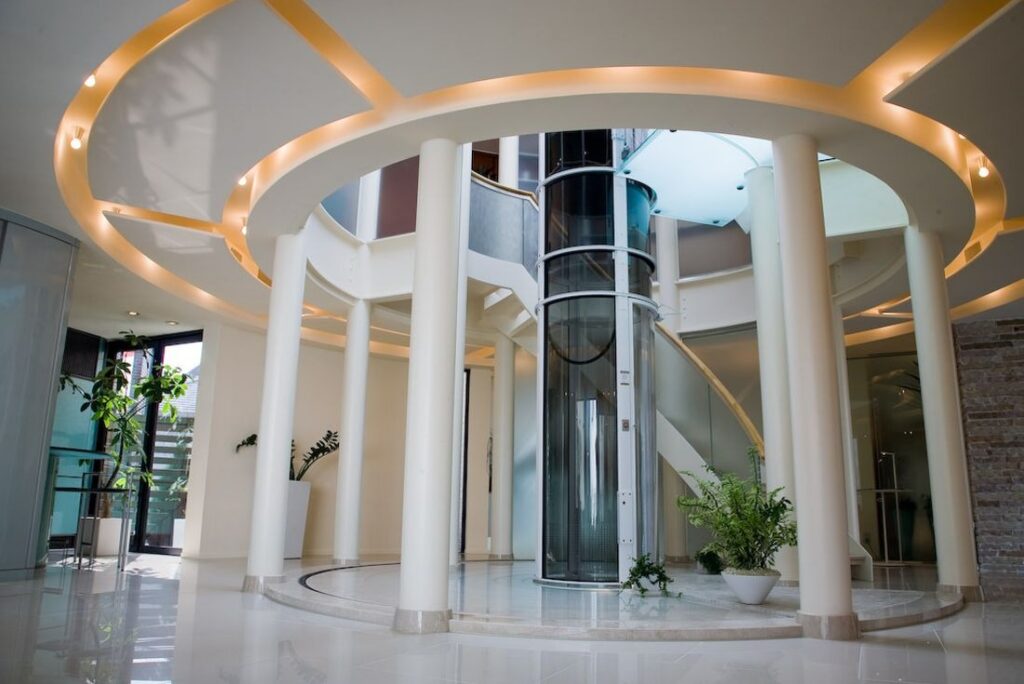
We’ll also introduce Pneumatic Vacuum Elevators (PVEs), a revolutionary home elevator option gaining traction for its sleek design and space-saving benefits. Pneumatic Home Elevators is a leading manufacturer of PVEs, offering a safe and stylish solution for multi-story homes
Understanding Elevator Types: A Foundation for Choice

Before diving into brands, let’s establish the two main elevator categories:
- Traction Elevators: These work using a system of ropes and a counterweight, typically found in high-rise buildings.
- Hydraulic Elevators: These rely on a piston and pressurized oil for movement, often seen in low-rise buildings and homes.
Within these categories, variations exist, including:
- Machine Room Less (MRL) Elevators: These compact elevators eliminate the need for a dedicated machine room, saving space.
- Geared and Gearless Traction Elevators: Geared elevators utilize a gearbox, while gearless ones offer a smoother ride.
Top Elevator Brands in the Spotlight: Strengths and Specialties

Now, let’s meet the industry leaders, each with its unique strengths:
- Schindler: A Swiss powerhouse with a long-standing reputation for reliability and innovation. They offer a vast range of elevators for all purposes, including traction, hydraulic, and MRL options.
- Kone: A Finnish frontrunner known for its focus on eco-efficiency and user experience. Kone’s elevators are designed with sustainability in mind and feature user-friendly interfaces.
- Otis Elevator Company: A U.S. giant with a rich history and global presence. Otis provides a comprehensive selection of elevators, from high-speed units for skyscrapers to accessibility solutions for homes.
- Fujitec: A Japanese innovator specializing in high-speed and energy-saving elevators. Fujitec is at the forefront of technological advancements in the elevator industry.
- Hyundai Elevator: A South Korean leader with a strong domestic market presence and global reach. Hyundai offers a diverse range of elevators, catering to various needs and budgets.
- Mitsubishi Electric: A Japanese brand renowned for its commitment to quality and efficiency. Mitsubishi Electric elevators are known for their smooth operation and durability.
- TK Elevator (formerly Thyssenkrupp Elevator): A German conglomerate offering a broad spectrum of elevator solutions, including the revolutionary maglev technology for high-rise buildings.
- Hitachi: A Japanese conglomerate with a strong elevator division. Hitachi provides reliable and feature-rich elevators for various applications.
- Nationwide Lifts (US) and Savaria (Canada): These North American companies specialize in accessibility solutions, including home elevators, stairlifts, and platform lifts.
While many global brands focus on commercial and large-scale projects, newer technologies are expanding what’s possible for residential applications.
Considering Pneumatic Vacuum Elevators (PVEs) for Your Home

For many homeowners, traditional elevator systems may not be practical, especially in existing homes.
Pneumatic Vacuum Elevators (PVEs) offer a different approach.
Instead of cables or hydraulic systems, PVEs use air pressure and vacuum technology to move a lightweight cabin through a vertical, self-supporting tube.
Key advantages include:
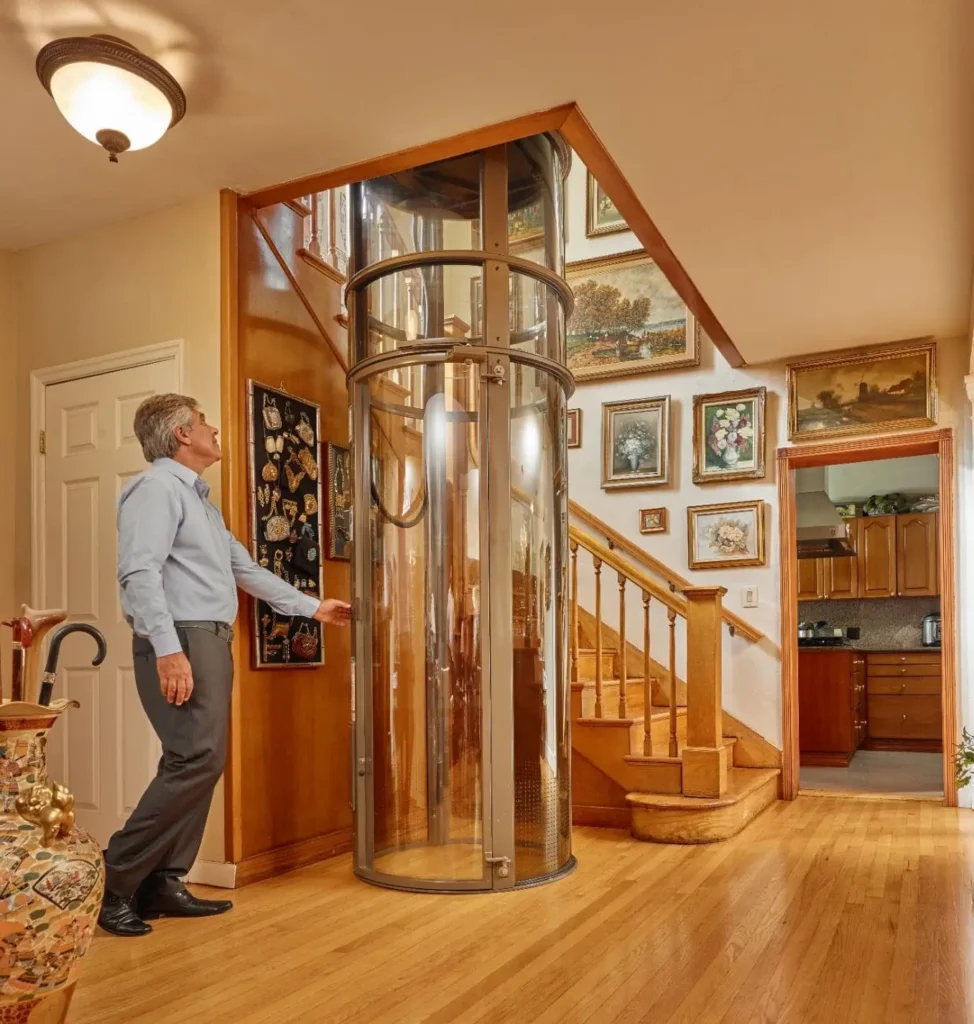
- Space-saving design: PVEs require minimal floor space compared to traditional elevators.
- Quiet operation: PVEs create minimal noise, making them ideal for homes.
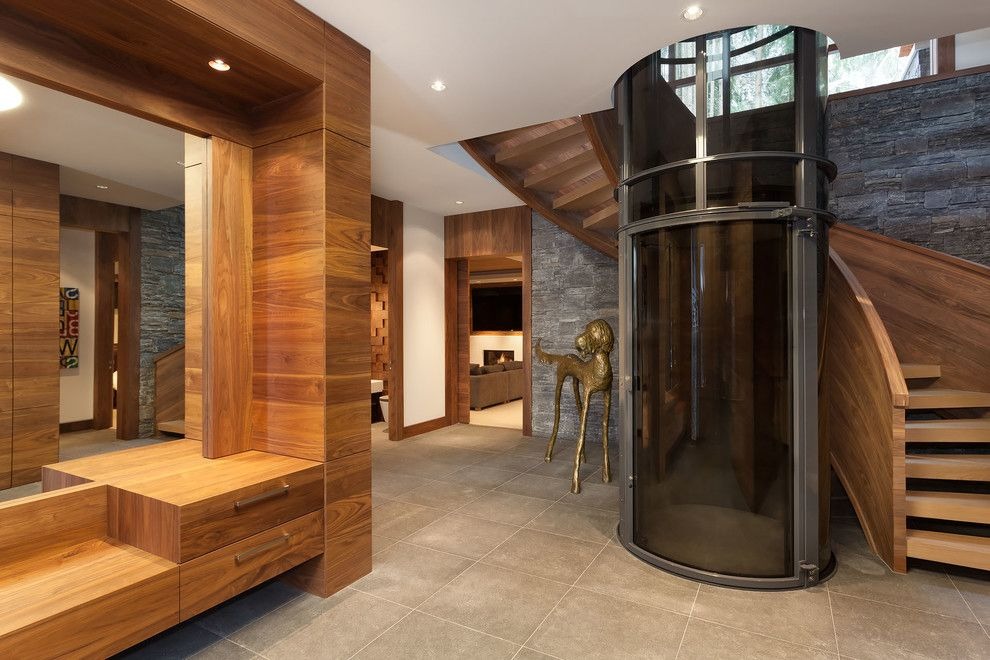
- Sleek aesthetics: The transparent tube adds a modern touch to your home’s interior.
- Accessibility: PVEs can be a valuable addition for those with mobility limitations.
Residential Elevator Trends Shaping Modern Homes
With more owners incorporating elevators within their homes, the industry is finding that the following are the key trends that shape the market today:
Smart Elevators & Automation
AI and IoT technology are integrated for predictive maintenance. Touchless controls and voice activation for added convenience.
Energy Efficiency & Sustainability
Regenerative energy systems to reduce power consumption. Materials that prioritize sustainability and eco-conscious home design.
Space-Saving & Minimalist Designs
Compact elevators like PVE do not require extensive home modifications. Glass and panoramic cabins blend into modern homes.
Accessibility & Aging-in-Place Solutions
Elevators are designed for mobility challenges, with wider doors and wheelchair access.
How to Choose the Right Home Elevator
When selecting a home elevator, consider these factors beyond brand recognition:
- Home Layout and Space: Measure available space and assess if a traditional elevator shaft or a PVE is more suitable.
- Number of Floors: Determine how many floors your elevator needs to service.
- Capacity and Weight Limit: Consider the number of passengers and weight capacity required for your needs.
- Accessibility Features: Look for features like automatic doors, wide doorways, and emergency call buttons.
- Aesthetics and Customization: Choose a style that complements your home’s interior design. Some brands offer customization options.
- Local Regulations and Permits: Ensure the elevator complies with local building codes and regulations.
- Maintenance and Service: Research the brand’s after-sales support and maintenance options.
Beyond the Big Names: Additional Elevator Brands to Explore
The elevator industry extends beyond the giants mentioned above. Here are some additional brands to consider:
- KLEEMANN (Greece): A European manufacturer known for its high-quality custom-designed elevators.
- Stannah Lifts (UK): A leading provider of stairlifts and home elevators, particularly popular in Europe.
- Toshiba Elevator and Building Systems (Japan): A subsidiary of Toshiba with expertise in elevators and escalators.
- AmeriGlide (US): A U.S. brand specializing in accessibility solutions, including home elevators and stairlifts.
- AVT Beckett (Austria): An Austrian manufacturer offering a range of elevator solutions for various applications.
- Delta Elevator (US): A U.S. company providing elevators for both commercial and residential projects.
Beyond Elevators: Exploring Additional Mobility Solutions
Elevators aren’t the only option for enhancing accessibility in your home. Here are some alternatives to consider:
- Stairlifts: These motorized chairs travel along existing staircases, providing a cost-effective solution for single-story accessibility.
- Platform Lifts: These vertical platforms can be used indoors or outdoors to overcome small elevation changes.
- Inclined Platform Lifts: These inclined lifts are ideal for overcoming obstacles like porches or entryways.
The Final Ride: Choosing the Right Elevator Brand for You
With the knowledge you’ve gained about elevator types, top brands, and factors to consider, you’re well-equipped to make an informed decision. Here’s a quick recap:
- Commercial Buildings: For high-rise buildings or large complexes, consider established brands like Schindler, Kone, Otis, or Fujitec. They offer a vast range of solutions to suit diverse needs.
- Residential Elevators: For single-family homes, traditional elevators from brands like Nationwide Lifts or Savaria, or PVEs from Vacuumelevators.com, are viable options. Evaluate space constraints and prioritize accessibility features.
- Additional Considerations: Explore brands like KLEEMANN, Stannah Lifts, AmeriGlide, AVT Beckett, or Delta Elevator for specific needs, customization options, or regional availability.
Remember, choosing the right elevator brand is an investment in your comfort and accessibility. By carefully considering your needs and researching reputable brands, you can ensure a smooth ride for years to come.
FAQs: Frequently Asked Questions About Top Elevator Brands and Home Elevators
What is the best elevator for a home?
The best home elevator depends on your space and needs. Traditional systems require a shaft and machine room, while pneumatic vacuum elevators offer a compact, shaftless alternative that is easier to install in existing homes.
What are the different types of elevators?
There are two main elevator categories:
- Traction elevators: These use a system of ropes and a counterweight for movement, typically found in high-rise buildings.
- Hydraulic elevators: These rely on a piston and pressurized oil for movement, often seen in low-rise buildings and homes.
Within these categories, variations exist, including Machine Room Less (MRL) elevators and geared/gearless traction elevators.
What are the top elevator brands in the world?
Some of the leading elevator brands globally include:
- Schindler (Switzerland)
- Kone (Finland)
- Otis Elevator Company (US)
- Fujitec (Japan)
- Hyundai Elevator (South Korea)
- Mitsubishi Electric (Japan)
- TK Elevator (Germany)
- Hitachi (Japan)
- Nationwide Lifts (US) and Savaria (Canada)
Are there space-saving elevator options for homes?
Yes. Pneumatic vacuum elevators are designed to operate without a shaft, pit, or machine room, making them one of the most space-efficient options for residential use.
What factors should I consider when choosing a home elevator?
Here are some key considerations:
- Home layout and space
- Number of floors
- Capacity and weight limit
- Accessibility features
- Aesthetics and customization
- Local regulations and permits
- Maintenance and service
What are some alternatives to elevators for home accessibility?
Other options include:
- Stairlifts: Motorized chairs that travel along existing staircases.
- Platform lifts: Vertical platforms for overcoming small elevation changes.
- Inclined platform lifts: Ideal for overcoming obstacles like porches or entryways.
Where can I find more information about specific elevator brands?
Most brands mentioned in this article have websites where you can explore their products and services.
How much does a home elevator cost?
The cost of a home elevator varies depending on the type, size, features, and brand. Generally, hydraulic elevators are less expensive than traction elevators, and PVEs can be a cost-effective option for single-story accessibility needs. Always consult with elevator companies for specific quotes based on your requirements.
Are PVEs safe for home use?
Absolutely! PVEs are rigorously tested and meet stringent safety standards. They incorporate features like emergency stop buttons, pressure monitoring systems, and a built-in safety brake for complete peace of mind.
How much space does a PVE require compared to a traditional elevator?
PVEs are incredibly space-saving. They utilize a narrow tube instead of a bulky elevator shaft, making them ideal for homes with limited floor space.
Is a PVE noisy to operate?
PVEs operate very quietly compared to traditional elevators. The vacuum pressure system creates minimal noise, ensuring a peaceful home environment.
Can a PVE be customized to match my home’s décor?
Yes! Several PVE manufacturers, like Vacuumelevators.com, offer a variety of finishes and lighting options for the capsule and tube to complement your home’s aesthetics.
How much maintenance does a PVE require?
PVEs are generally low-maintenance compared to traditional elevators. Regular inspections are recommended, but the systems are designed for smooth operation with minimal upkeep.pen_sparktunesharemore_vert