
- Focusing the Benefits: Why Choose a Glass Elevator?
- Addressing the Concerns: Safety, Cost, and Maintenance
- Customization Options: Design Your Dream Elevator
- Elevate Your Home with PVE Glass Residential Elevators: A Spotlight on Innovation and Style
- Residential Glass Elevators FAQs
- What Are Glass Elevators Called?
- What Are the Dimensions of a Residential Glass Elevator?
- Is There a Glass Elevator?
- Which Glass Home Elevator Is Best for Home?
- Why Is Glass Used in Lifts?
- What Are Glass Elevators Made Of?
- What Is the Air-Driven Glass Elevator Theory?
- How Much Does a PVE Glass Elevator Cost?
Residential glass elevators are transparent home elevators with clear panoramic walls that bring light, views, and practical floor-to-floor access into one space-saving design. For homeowners planning a luxury build, updating a retrofit, or adding wheelchair-friendly access, this guide covers what glass elevators offer, how safety, cost, and customization affect the right choice, and what sets Pneumatic Vacuum Elevators (PVE) models apart for low-maintenance, design-forward home mobility.
Focusing the Benefits: Why Choose a Glass Elevator?
A glass elevator does more than move you between floors. It changes how your home looks, feels, and works every day. Here are five reasons homeowners choose one.
1. Panoramic Views, Unparalleled Experience
The defining feature of a glass elevator is its transparent walls. This opens up a world of possibilities. Imagine soaring through a multi-story home, enjoying breathtaking vistas of your garden, cityscapes, or even the starry night sky. Each ride becomes a mini-journey, adding a touch of luxury and wonder to daily life.
2. Enhanced Natural Light
Forget the dim, enclosed feeling of traditional elevators. Glass elevators bathe your home in natural light, creating a brighter, more open, and airy feel. This not only improves the aesthetics but also contributes to a more positive mood and well-being for residents.
3. Space Illusion & Design Flexibility
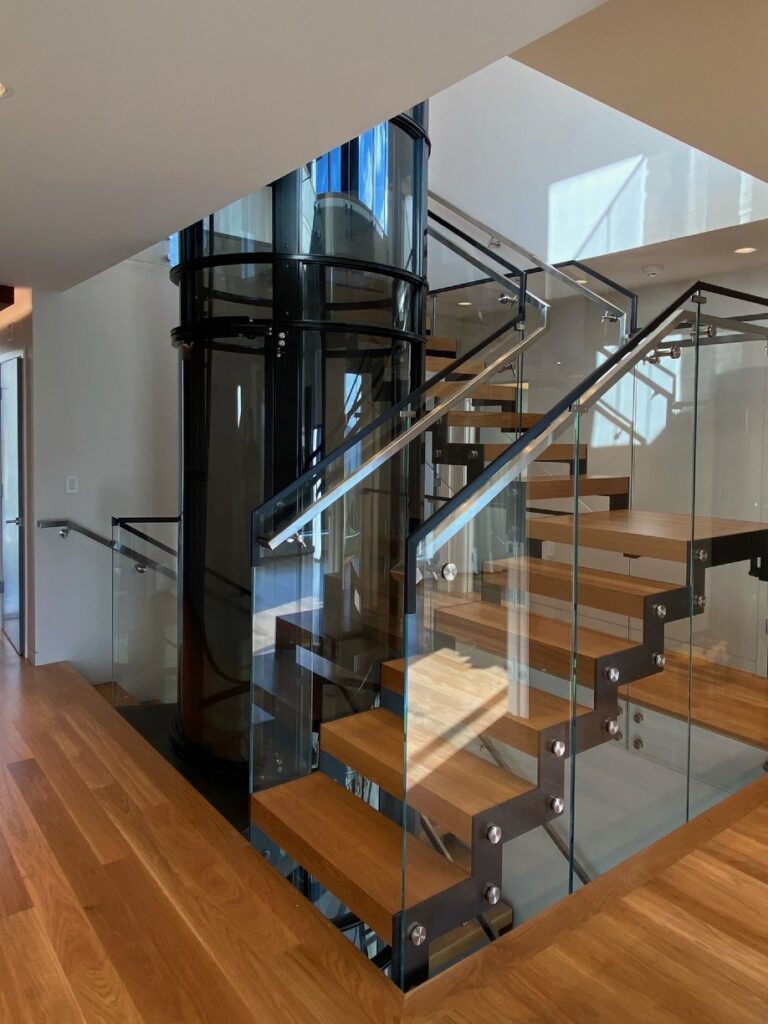
Unlike bulky traditional elevators, which are typically enclosed in solid, opaque hoistways, glass elevators seem to disappear into the background. Their transparency creates an illusion of increased space, making even smaller homes feel more expansive. Additionally, the sleek and modern design seamlessly integrates with any architectural style, adding a touch of sophistication to your interiors. Glass elevators and stairs also work well together: placed beside an open staircase, a see-through cab reads as one vertical feature instead of blocking the view. In some layouts, their visible design may also raise privacy concerns.
In some layouts, their visible design may also raise privacy concerns.
4. Accessibility & Convenience
Glass elevators are not just about aesthetics; they offer practical benefits too. Some models are designed with compact footprints for smaller homes or tighter layouts. They can be a game-changer for individuals with mobility limitations, providing wheelchair access and easy movement between floors while enhancing independence within the home. Additionally, they offer convenient transportation for groceries, luggage, or even pets, adding a touch of ease to everyday living.
5. Increased Home Value
Investing in a residential glass elevator can make your property more attractive to future buyers. They are seen as a luxury feature, which can attract potential buyers.
Addressing the Concerns: Safety, Cost, and Maintenance
Safety First: While the transparent design might raise concerns, glass elevator safety is paramount. Residential glass elevators are built with robust, impact-resistant materials like laminated glass, tempered glass, or high-strength polycarbonate, which is what PVE uses. Additionally, PVE elevators incorporate safety features like mechanical emergency brakes and automatic descent to the lowest landing during a power outage.
Cost Considerations: While undeniably a luxury item, the cost of residential glass elevators has become more competitive in recent years. The final price depends on factors like size, features, and customization. However, the long-term benefits, increased home value, and potential energy savings can offset the initial investment.
Maintenance Matters: Like any complex machinery, glass elevators require regular maintenance. However, the process is relatively simple, often involving cleaning and occasional inspections by qualified technicians.
Customization Options: Design Your Dream Elevator
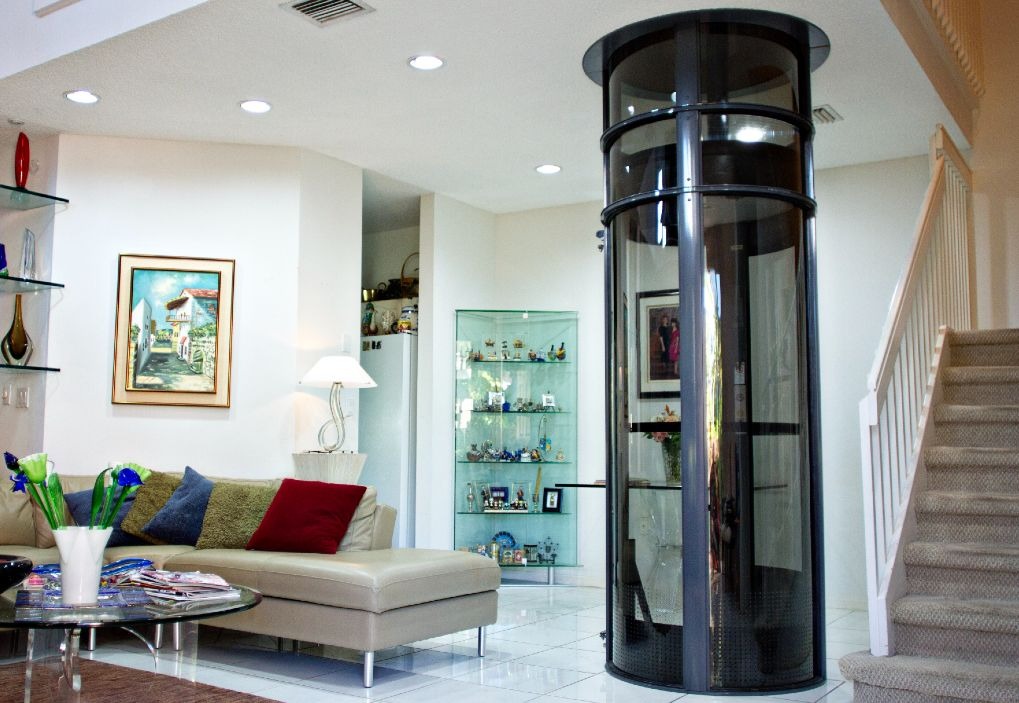
The beauty of residential glass elevators lies in their versatility. Whether you want a modern glass elevator that stands out as a focal point or one that blends into the room, you can customize it to match your style and needs. Choose from a variety of:
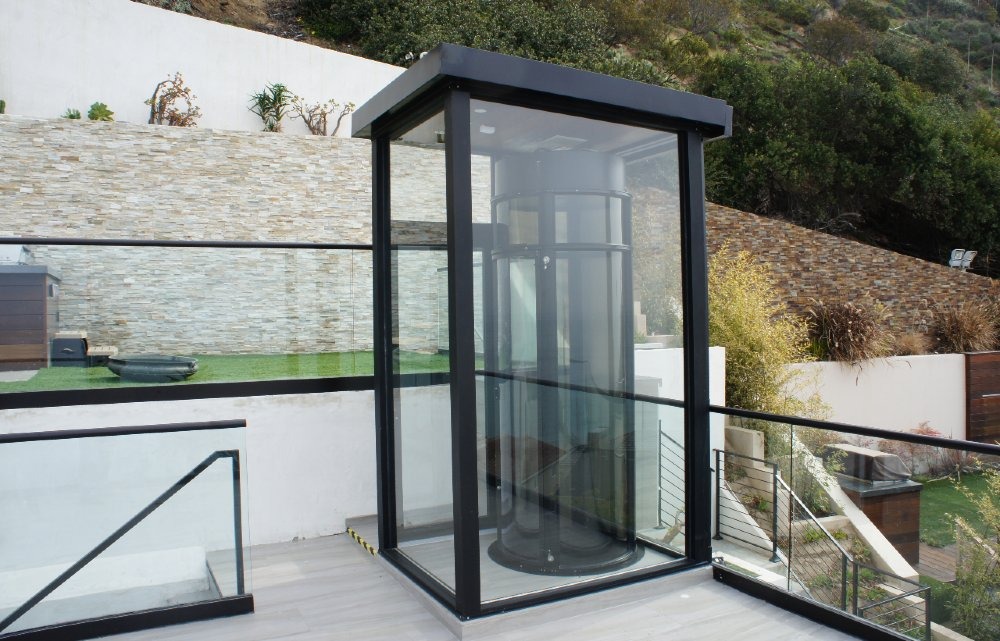
- Shapes: Round cylinders (PVE30, PVE37, and PVE52) or the square Cube, to fit your space and aesthetics.
- Sizes: From single-passenger cabins to the PVE52, which fits a standard wheelchair with an attendant.
- Materials and finishes: Clear polycarbonate panels on an aluminum frame, powder-coated in Standard Black, Anodized Silver, White, Light Gray, Dark Gray, or Taupe.
- Features: Automatic doors, integrated lighting, and custom touches for the cab, ceiling, and frame to personalize your ride.
Beyond the Hype: Is a Residential Glass Elevator Right for You?
Ultimately, the decision to install a residential glass elevator is a personal one. It depends on your budget, lifestyle, home design goals, and whether placement, sun exposure, and your home’s architecture make it the right fit. If you prioritize luxury, convenience, accessibility, and a unique aesthetic experience, then the right glass elevator could be a transformative addition to your home. Some glass configurations may require added structural steel or a freestanding panoramic observation tower, especially depending on placement and the home’s overall structure.
Elevate Your Home with PVE Glass Residential Elevators: A Spotlight on Innovation and Style
While we’ve explored the general benefits of residential glass elevators, let’s delve deeper into the unique offerings of PVE, a leading manufacturer in this niche. Beyond their design versatility, many modern glass elevators use innovative pneumatic air pressure or compact traction systems, depending on the model. PVE takes the concept of air-driven, transparent elevators to a whole new level, offering a blend of innovation, style, and functionality that can transform your home.
PVE’s Vision: Air-Powered Drive System Elegance
Unlike traditional cable-driven elevators, PVE utilizes pneumatic vacuum technology. This means their elevators are powered by air pressure, with pneumatic vacuum technology serving as the elevator’s drive system, resulting in several advantages:
- Space-saving: No bulky hoistway or machine room required, making them ideal for retrofitting existing homes.
- Environmentally friendly: Uses minimal energy and doesn’t rely on hydraulic fluid.
- Quiet operation: Enjoy a smooth, gentle ride with minimal noise pollution.
- Faster installation: Quicker installation compared to traditional models, minimizing disruption.
But PVE doesn’t stop at functionality. Their signature panoramic design, built from clear polycarbonate panels and an aluminum frame, is what truly sets them apart. Imagine gliding between floors, surrounded by breathtaking views of your home, garden, or city skyline. This not only creates a sense of openness and connection but also bathes your home in natural light, enhancing the overall ambiance.
Four Models to Match Your Needs
PVE offers four distinct elevator models to cater to various needs:
- PVE30: The single-passenger model, perfect for smaller spaces and individual mobility needs.
- PVE37: Accommodates two passengers comfortably, ideal for families or co-habitation scenarios.
- PVE52: The largest cylindrical model, wheelchair-accessible, offering unparalleled accessibility and convenience.
- The Cube: A two-passenger model with a square 36″ × 36″ cabin, for homeowners who prefer a squared-off look.
Each model boasts sleek, modern aesthetics and can be customized with various finish colors, clear or tinted panels, and integrated lighting to seamlessly blend with your home’s design.
More Than Just an Elevator: A Statement Piece
Owning a PVE glass elevator is not just about practicality; it’s an investment in your lifestyle. Here are some key benefits:
- Increased accessibility: Makes your home more accessible, regardless of age or mobility limitations.
- Enhanced convenience: Effortlessly transport groceries, luggage, or even pets between floors.
- Boosted home value: Glass elevators are seen as a luxury feature, potentially increasing your property’s value.
- Unique aesthetic experience: Creates a wow factor, and the transparent design can make it a more visible focal point within the home.
Beyond the Hype: Is PVE Right for You?
If you prioritize a sustainable, innovative, and visually stunning elevator solution, PVE is definitely worth considering. However, it’s important to weigh the factors:
- Cost: Pricing depends on the model, number of stops, and options you choose.
- Space requirements: While compact, they still require a floor opening at each level the elevator passes through, though no shaft, pit, or machine room is needed. Overhead and other structural requirements can also vary by elevator type and manufacturer, such as ceiling clearance in some models.
- Maintenance: Regular maintenance is essential, although minimal compared to traditional elevators.
Carefully evaluate your needs, budget, and space constraints before making a decision. Consulting with an authorized PVE dealer can provide valuable insights and ensure a smooth installation process.
Elevate Your Life with PVE
PVE glass residential elevators offer a unique combination of cutting-edge technology, stunning design, and practical benefits. If you’re looking for a way to add luxury, convenience, and accessibility to your home, while making a bold statement, a PVE elevator could be the perfect solution. Remember, it’s an investment that can enhance your living experience for years to come.
Residential Glass Elevators FAQs
What Are Glass Elevators Called?
They are commonly known as glass elevators, panoramic elevators, observation elevators, or glass lifts. The specific term might vary depending on the region and context.
What Are the Dimensions of a Residential Glass Elevator?
Dimensions vary depending on the model and manufacturer. PVE’s four models measure:
- PVE30: 30″ outside diameter, 350 lbs (single passenger)
- PVE37: 37″ outside diameter, 32″ interior width, 450 lbs (two passengers)
- PVE52: 52 11/16″ outside diameter, 43½″ interior diameter, 525 lbs (wheelchair accessible)
- The Cube: 36″ × 36″ square cabin, 450 lbs (two passengers)
For full residential elevator dimensions and technical specifications, always consult the manufacturer’s specifications.
Is There a Glass Elevator?
Yes. Residential glass elevators are readily available from various manufacturers, including PVE. They are becoming increasingly popular due to their aesthetic appeal, functionality, and potential value increase.
Which Glass Home Elevator Is Best for Home?
The “best” home elevator depends entirely on your individual needs, budget, space constraints, home layout, intended use, and the scope of the installation project. Consider factors like:
- Number of passengers: Single, couple, family, or wheelchair accessibility needs.
- Space availability: Available floor space and overall home layout.
- Budget: Costs vary depending on model, features, and customization.
- Style preferences: Design elements and panel finishes.
Research different brands and models, and consult with experienced elevator professionals to find the best fit for your specific situation.
Why Is Glass Used in Lifts?
Glass is used in residential elevators for several reasons:
- Enhanced aesthetics: Offers a modern, open, and light-filled space, blending seamlessly with various architectural styles.
- Panoramic views: Creates a unique experience by showcasing surrounding areas; clear panels are what give that open look and unobstructed view, and laminated glass can stay intact even if cracked, which is one reason it is used.
- Increased natural light: Improves overall ambiance and well-being within the home.
- Space illusion: The transparency makes the elevator seem less bulky, maximizing space perception.
What Are Glass Elevators Made Of?
The primary materials include:
- Transparent panels: Laminated or tempered glass, or high-strength polycarbonate as in PVE elevators, for strength and safety.
- Metal framework: Provides structural support and houses mechanical components.
- Electrical components: Power the motor and safety features.
- Sealing systems: Ensure airtightness and prevent leaks in pneumatic models.
What Is the Air-Driven Glass Elevator Theory?
Air-driven glass elevators, like PVE’s models, utilize a vacuum tube instead of a cable and counterweight system. The cabin works like a piston inside the tube: turbines at the top remove air to lift it, and valves let air back in to lower it gently. This technology offers several advantages:
- Space-saving: No need for a bulky hoistway or machine room.
- Environmentally friendly: Uses minimal energy and no hydraulic fluid.
- Quiet operation: Provides a smooth and gentle ride with minimal noise.
- Faster installation: Quicker installation process compared to traditional models.
How Much Does a PVE Glass Elevator Cost?
The cost depends on several factors, including the model size, chosen features, and customization options, as well as how the elevator will be attached or integrated into the home. Different homes may also need custom work to accommodate layout constraints. Contact an authorized PVE dealer for a personalized quote.
Ready to elevate your home and your lifestyle?