Skip to content >

- Why Regular Residential Elevator Maintenance Matters?
- How Often Should a Residential Elevator Be Serviced?
- What Affects Elevator Service Frequency?
- Professional Home Elevator Maintenance Checklist
- Simple Homeowner Checks Between Service Visits
- Signs Your Home Elevator Needs Service
- Proactive Maintenance Tips for Homeowners
- Maintaining a PVE Pneumatic Vacuum Elevator
- Choosing a Qualified Elevator Service Provider
- Conclusion
- Residential Elevator Frequently Asked Questions (FAQs)
Quick Answer: How Often Should A Residential Elevator Be Serviced?
Most residential elevators need professional service at least once a year, with semi-annual visits recommended for homes where the elevator is used daily or relied on for accessibility. A qualified technician inspects doors, brakes, safety systems, electrical connections, and ride quality, while homeowners handle only basic checks between visits: keeping the cab clean, listening for unusual sounds, and respecting the posted weight limit. PVE pneumatic vacuum elevators follow model-specific schedules and should be serviced through an authorized PVE dealer.

Residential elevator maintenance helps keep a home elevator safe, reliable, and ready for daily use. Whether you own a traditional residential elevator or a pneumatic vacuum elevator, routine inspections and simple homeowner checks can help identify wear, door issues, or performance changes early and keep the system operating properly.
For homeowners who rely on an elevator for aging in place, accessibility, or daily movement between floors, maintenance is especially important. This guide explains how often residential elevators should be serviced, what technicians typically inspect, what homeowners can check between visits, and when to call a qualified service provider.
Why Regular Residential Elevator Maintenance Matters?
Regular maintenance helps protect the safety, reliability, and long-term performance of a residential elevator.
- Safety: Routine inspections help confirm that doors, brakes, controls, communication systems, and other safety features are working properly.
- Reliability: Addressing small issues early can reduce unexpected downtime and help prevent avoidable repairs.
- Performance: Cleaning, adjustment, and approved lubrication can help the elevator operate more smoothly and reduce unusual noise or vibration.Compliance: Some areas have inspection or maintenance requirements for residential elevators. Homeowners should follow local requirements and manufacturer guidance.
How Often Should a Residential Elevator Be Serviced?
Many residential elevators are serviced at least once a year, but the right schedule depends on the elevator type, usage, manufacturer recommendations, and local requirements.
Homes with heavier elevator use, multiple users, or accessibility needs may require more frequent service. In some cases, semi-annual maintenance may be recommended to help identify wear, test safety systems, and keep the elevator operating reliably.
Homeowners should always follow the manufacturer’s maintenance guidelines and work with a qualified elevator service technician to determine the right schedule for their specific model.
Common Residential Elevator Service Schedules
- Annual servicing: Often used as a baseline for residential elevators with typical household use. This may include inspection of mechanical, electrical, and safety components.
- Semi-annual servicing: May be appropriate for elevators with heavier daily use, multiple users, or households that rely on the elevator for accessibility.
- Customized servicing: Some elevator types, models, or local requirements may call for a different schedule. Your service provider should tailor the plan to the equipment and household needs.
What Affects Elevator Service Frequency?
Several factors can influence how often a residential elevator needs maintenance:
- Usage: An elevator used several times a day may need more frequent service than one used occasionally.
- Elevator type and model: Different elevator systems have different maintenance requirements.
- Manufacturer recommendations: The owner’s manual or manufacturer guidance should define the recommended service schedule.
- Local regulations: Some areas have specific inspection or maintenance requirements for residential elevators.
- Accessibility needs: If the elevator is essential for daily mobility, wheelchair access, or aging in place, a more proactive service schedule may be helpful. Homes with wheelchair users may also need extra attention to door operation, landing clearance, controls, and emergency communication during service visits.
Professional Home Elevator Maintenance Checklist
A qualified elevator technician should inspect the main safety, mechanical, and electrical components of the system. A professional maintenance visit may include:
- Door operation and safety sensors: Checking that doors open, close, lock, and reverse properly when needed.
- Emergency communication: Testing the emergency phone or communication system.
- Brakes and safety systems: Reviewing braking systems, door interlocks, emergency controls, and other safety features.
- Electrical connections: Inspecting wiring, controls, buttons, and connections for wear or loose components.
- Mechanical components: Checking rollers, tracks, cables, belts, gears, or other moving parts, depending on the elevator type.
- Cleaning and lubrication: Cleaning key areas and lubricating approved components according to manufacturer guidelines.
- Ride quality: Looking for unusual noise, vibration, slow movement, or erratic operation.
Simple Homeowner Checks Between Service Visits
Between professional service visits, homeowners can help keep the elevator area clean and report potential issues early. Simple checks may include:
- Keeping the cab and landing areas free of dust, dirt, and debris
- Checking that doors are not blocked
- Replacing burned-out lights if allowed by the owner’s manual
- Listening for unusual sounds during operation
- Watching for changes in door movement, ride smoothness, or stopping accuracy
- Reviewing the owner’s manual for basic use and safety guidance
- Avoiding overloads and following the posted weight limit
Homeowners should not attempt to repair mechanical, electrical, or safety components themselves. A qualified elevator technician should handle those tasks.
Signs Your Home Elevator Needs Service
Homeowners should contact a qualified service provider if they notice:
- Unusual noises, scraping, rumbling, or vibration
- Slow or uneven movement
- Doors that do not open or close smoothly
- Buttons or controls that respond inconsistently
- Warning lights, error messages, or communication issues
- Changes in ride comfort or stopping accuracy
- Visible wear, damage, or debris around doors, tracks, or landings
Small issues are easier to address when they are reported early. If something feels different during normal use, it is better to schedule a service visit than wait for a larger problem.
Proactive Maintenance Tips for Homeowners
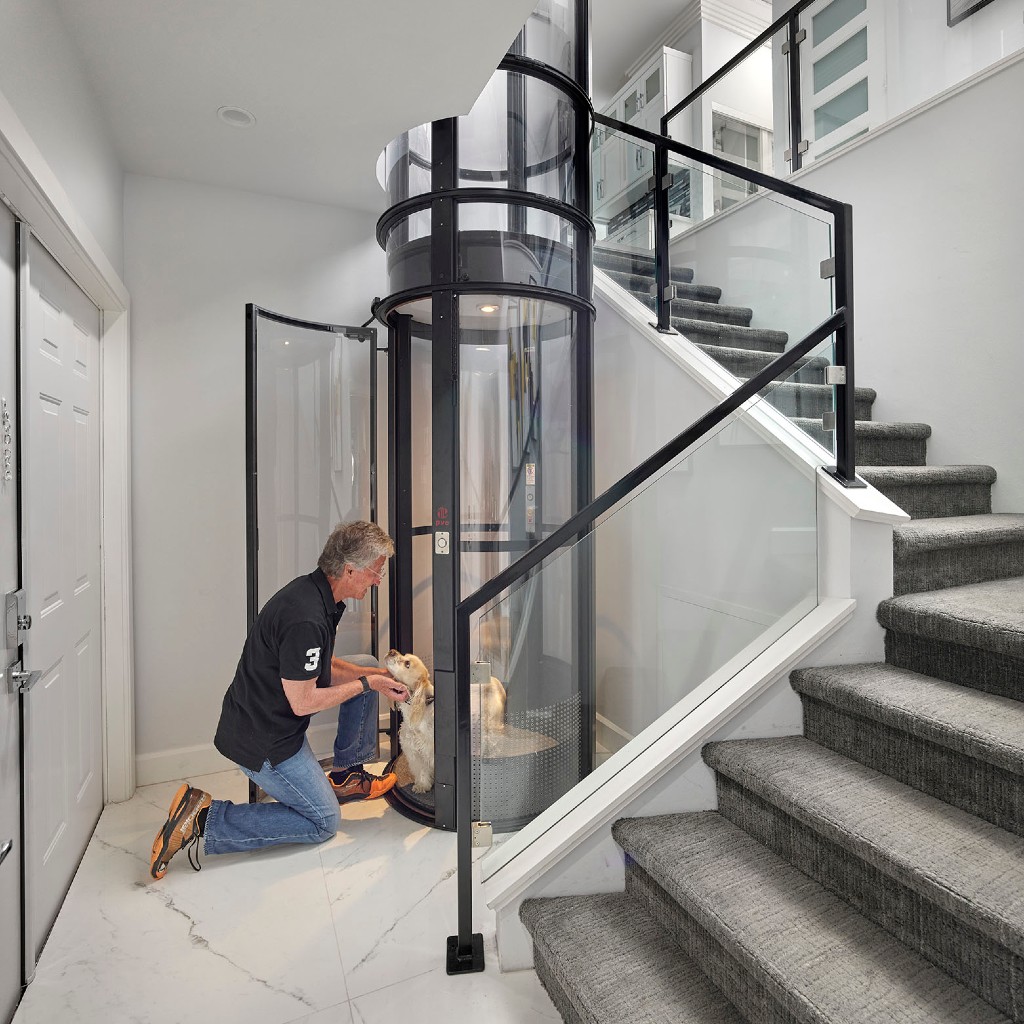
- Maintain a logbook: Record maintenance schedules, inspections, repairs, and any observations for future reference.
- Become familiar with your user manual: Understand basic operation, safety protocols, and troubleshooting tips.
- Report issues promptly: Don’t ignore unusual noises, vibrations, or any malfunctioning components. Contact your service provider immediately.
- Ask about a maintenance agreement: A service agreement can help homeowners stay on schedule with inspections and routine maintenance.
Maintaining a PVE Pneumatic Vacuum Elevator
PVE pneumatic vacuum elevators use air pressure rather than hydraulic oil to move the cab. Because the system is different from traditional hydraulic or traction elevators, maintenance should follow PVE’s model-specific recommendations.
A PVE maintenance visit may include checking door operation, seals, controls, safety systems, electrical components, and overall ride quality. Since PVE elevators are self-supporting and require no traditional shaft, pit, or machine room, their service needs can differ from those of many conventional residential elevators.
Homeowners should work with an authorized PVE dealer or trained technician who understands pneumatic vacuum technology and can use appropriate replacement parts when needed. Following the recommended service schedule helps support safe, reliable operation over time.
Choosing a Qualified Elevator Service Provider
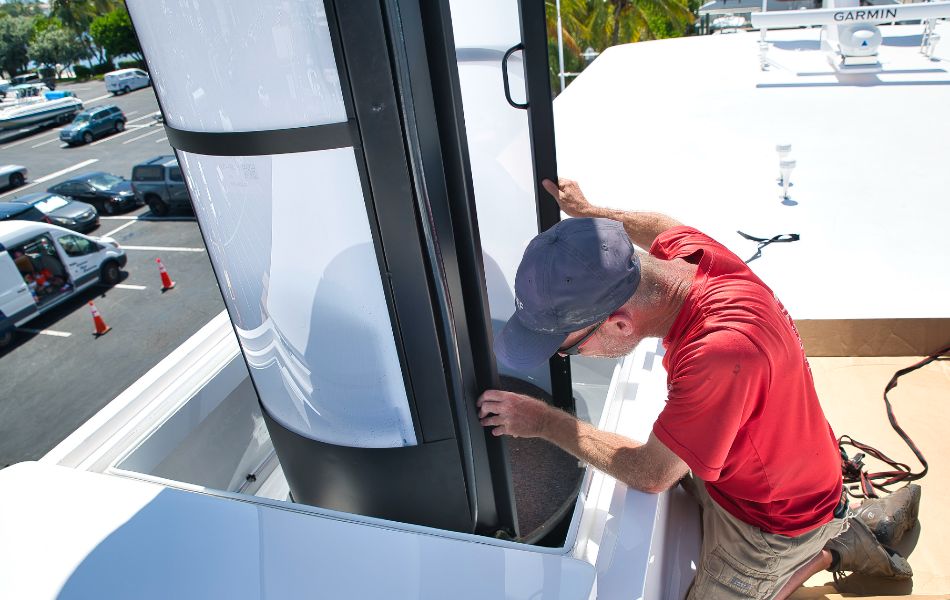
When choosing a residential elevator maintenance provider, homeowners should look for:
- Experience with your specific elevator type and model, whether it is a traditional residential elevator, a wheelchair-accessible model, or a compact single-passenger home elevator such as the PVE30.
- Trained or certified technicians
- Familiarity with local code and inspection requirements
- Clear service agreements that explain what is included
- Prompt response options for urgent issues
- Access to appropriate replacement parts
- Positive reviews, references, or dealer support
For PVE elevators, working with an authorized PVE dealer or trained technician helps ensure the service provider understands the pneumatic vacuum technology and model-specific maintenance requirements.
Conclusion
Residential elevator maintenance helps keep your elevator safe, reliable, and smooth to use. Regular service allows a qualified technician to inspect key components, test safety systems, identify wear, and address small issues before they become larger problems.
Homeowners can also support reliable operation by keeping the elevator area clean, following the owner’s manual, respecting weight limits, and reporting unusual sounds or changes in performance.
For PVE pneumatic vacuum elevators, working with an authorized dealer or trained technician helps ensure the system is serviced according to model-specific requirements. With a consistent maintenance plan, a residential elevator can continue supporting accessibility, independence, and everyday convenience for years to come.
Residential Elevator Frequently Asked Questions (FAQs)
How often should a residential elevator be serviced?
Most residential elevators should be serviced at least once a year, but the right schedule depends on the elevator type, usage, manufacturer recommendations, and local requirements. Homes that rely on the elevator for daily accessibility may benefit from more frequent service.
What maintenance does a home elevator need?
Home elevator maintenance may include checking doors, brakes, controls, emergency communication, electrical connections, mechanical components, safety systems, and ride quality. The exact checklist depends on the elevator type and manufacturer guidance.
What can homeowners check between service visits?
Homeowners can keep the cab and landing areas clean, make sure doors are not blocked, listen for unusual noises, watch for changes in ride quality, and follow the posted weight limit. Mechanical, electrical, and safety repairs should be handled by a qualified service provider .
Are home elevators hard to maintain?
Most homeowners are not responsible for technical maintenance, but they should follow safe-use guidelines and schedule professional service. A qualified technician should handle inspections, adjustments, repairs, and safety-system checks.
Who should service a residential elevator?
A residential elevator should be serviced by a qualified elevator technician with experience in the specific elevator type and model. For PVE elevators, an authorized PVE dealer or trained technician is recommended.
What are signs a home elevator needs service?
Signs include unusual noises, vibration, slow or uneven movement, doors that do not open or close smoothly, inconsistent controls, warning lights, communication issues, or changes in stopping accuracy.
Do pneumatic elevators need less maintenance?
Pneumatic vacuum elevators do not use hydraulic oil and have a different design from traditional hydraulic elevators. Maintenance needs vary by model and usage, so homeowners should follow PVE’s recommended service schedule and work with a trained technician.
What affects residential elevator maintenance needs?
Maintenance needs can vary based on elevator type, model, usage, location, service plan, replacement parts, and whether repairs are needed. Homeowners should follow manufacturer guidance and request a clear service estimate from a qualified provider when planning maintenance.
How long can a residential elevator last with proper maintenance?
A residential elevator’s lifespan depends on the elevator type, installation quality, usage, environment, and maintenance history. Following manufacturer recommendations and addressing issues early can help support long-term reliability.