- Key Takeaways
- Most Valuable Home Improvements That Increase Property Value
- Home Improvement Projects: How to Choose the Right Upgrade
- Exterior Improvements with Highest ROI
- Kitchen Home Improvement Projects That Pay Off
- Bathroom Home Improvement Projects With Strong Returns
- Easy Home Improvement Projects for Beginners
- Home Improvement Projects That Add Functional Living Space
- Energy-Efficient Home Improvements That Buyers Value
- Interior Home Improvement Projects With High Impact
- Home Improvements to Avoid
- Budgeting for Home Improvement Projects
- FAQ: Home Improvement Questions
Home improvement refers to projects that repair, upgrade, or enhance a home’s comfort, functionality, energy efficiency, and overall appearance. From small DIY upgrades to larger remodeling projects, the right home improvement decisions can improve everyday living while also increasing long-term property value.
This guide breaks down the best home improvement projects, including average costs, return on investment (ROI), and which upgrades provide the most value in today’s real estate market. Whether you’re improving your home for personal enjoyment, future resale, or long-term equity, these home improvement ideas focus on projects that consistently deliver results nationwide.
Key Takeaways
- Garage door replacement offers the highest ROI at up to 349% return on investment, costing around $4,317-$4,513 and dramatically improving home’s curb appeal
- Kitchen and bathroom remodels consistently provide strong returns, with a minor kitchen remodel recouping 96-97% of costs recouped, while major upscale renovations only return 38%
- Curb appeal improvements like steel entry doors, landscaping, and exterior paint offer excellent value with relatively low upfront costs and immediate visual impact
- Avoid luxury upgrades, swimming pools, and garage conversions as they typically provide poor ROI and may actually deter potential buyers in many markets
- Focus on improvements that add functional square footage, enhance energy efficiency, or address essential home systems for maximum value increase while following the 30% rule
Most Valuable Home Improvements That Increase Property Value
When planning home improvements, many homeowners assume that bigger budgets automatically translate to better returns. However, the real estate market tells a different story. The most valuable home improvements that increase property value often come from strategic, moderate investments rather than luxury splurges.
Recent market data reveals some surprising insights about renovation costs versus returns. For instance, a garage door replacement averaging $4,317 can deliver up to 349% ROI, while an upscale kitchen remodel costing $150,000 might only recoup 38% of its investment. Understanding these dynamics is crucial for homeowners looking to maximize their property value through smart renovation decisions.
The key to successful home improvement projects lies in understanding what today’s potential buyers value most: functionality, energy efficiency, and move-in-ready condition. Whether you’re preparing to sell or building long-term equity, focusing on improvements that address these buyer priorities will deliver the strongest returns in the current real estate market.
Home Improvement Projects: How to Choose the Right Upgrade
Not all home improvement projects offer the same value. Choosing the right upgrade depends on budget, timeline, skill level, and goals.
When planning a home improvement project, consider:
- Purpose: comfort, resale value, or efficiency
- Budget: avoid exceeding 30% of your home’s value
- Timeline: quick updates vs. long-term renovations
- Skill level: DIY home improvement vs. professional work
- Market standards: neighborhood expectations matter
Strategic home improvement focuses on visible, functional upgrades that appeal to the widest range of homeowners and buyers.
Exterior Improvements with Highest ROI
Exterior home improvement projects consistently deliver strong returns because they directly impact curb appeal and first impressions. First impressions matter tremendously in real estate, and exterior improvements consistently rank among the best roi home improvements. The home’s exterior plays a crucial role in attracting buyers, as it is the first thing they notice and sets the tone for the rest of the property. These projects not only create immediate visual impact but also help your home stand out in the market, making it more appealing to potential buyers. Updating features like house numbers is a simple yet effective way to improve first impressions and enhance curb appeal, drawing attention to the home’s exterior features that boost perceived value.
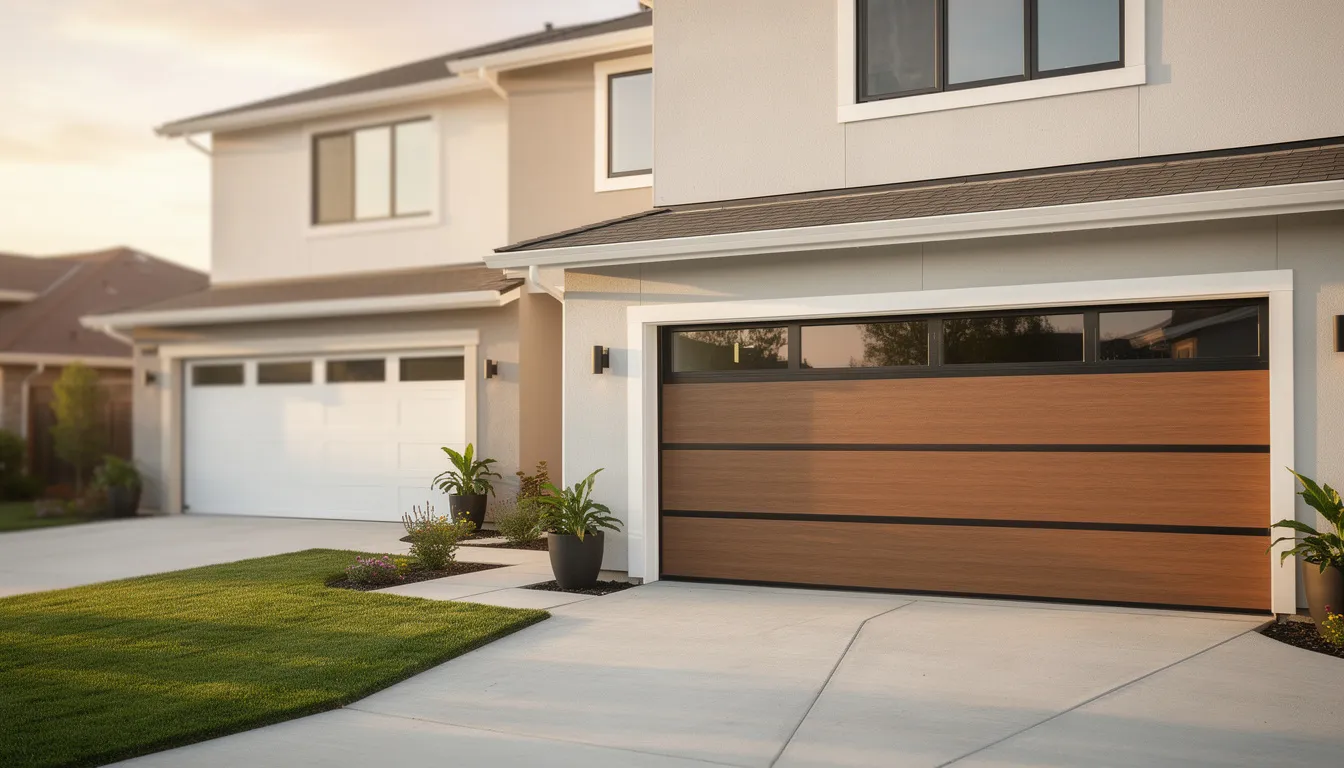
Garage Door Replacement (Top Home Improvement ROI)
Garage door replacement stands out as perhaps the single most valuable home improvement for ROI. Recent data shows returns ranging from 194% to an impressive 349%, with average costs between $4,317 and $4,513. Garage door costs are relatively affordable compared to other renovations, yet they deliver substantial value and a high resale return, making this upgrade a smart investment. This exceptional return occurs because a new garage door dramatically transforms a home’s curb appeal while addressing security, insulation, and functionality concerns.
Popular options like the Clopay Classic Collection offer homeowners attractive designs that complement various architectural styles. The improvement works so well because garage doors often represent a significant portion of a home’s front elevation, making the visual impact immediately apparent to future buyers. Additionally, the project typically requires minimal disruption and can be completed in a single day.
Steel Entry Door Installation
Entry door replacement, particularly with steel doors, consistently delivers strong returns with approximately 188% ROI and average costs around $2,355. Steel doors provide multiple benefits that appeal to potential buyers: enhanced security features, improved energy efficiency, and modern aesthetic appeal.
The front door serves as the focal point for home’s curb appeal and represents the buyer’s first physical interaction with the property. Energy efficient features like insulated cores and quality weatherstripping reduce heating and cooling costs, while security enhancements provide peace of mind. The relatively low cost and quick installation make this one of the most accessible high-ROI improvements available.
Landscaping and Exterior Home Improvements
Professional landscaping delivers property value increases ranging from 5.5% to 12.7%, making it one of the most cost-effective ways to enhance home value. The key lies in focusing on mature plantings and cohesive design rather than elaborate features that require ongoing maintenance.
Effective landscaping projects typically include foundation plantings with evergreen shrubs, seasonal color through perennials, and defined walkways using attractive materials. Many homeowners find that spending between $3,000 and $8,000 on professional landscaping design and installation creates a lasting impression that benefits both immediate enjoyment and eventual resale value.
Exterior Painting and Siding Upgrades
Exterior paint projects average around $3,178 and provide excellent returns by making homes appear well-maintained and current. Applying a fresh coat of paint is a cost-effective way to boost curb appeal and value, especially when using trending colors for 2025 such as jewel tones and earth tones that create sophisticated, timeless appeal without appearing dated quickly.
The impact of fresh exterior paint extends beyond aesthetics. It signals to buyers that the home receives regular maintenance, potentially indicating good care of other systems. Professional painting also provides opportunity to address minor exterior repairs like caulking, trim replacement, and surface preparation that contribute to overall property condition.
New Siding Installation
Siding replacement offers ROI between 75% and 88%, depending on material choices and local market conditions. Fiber cement and vinyl options both provide excellent durability while addressing buyer concerns about maintenance and weather resistance.
Fiber cement siding, popularized by brands like Hardie, offers superior fire resistance and longevity, appealing to buyers in areas with extreme weather conditions. Vinyl siding provides lower upfront costs while still delivering significant curb appeal improvements. Both options help homes appear newer and reduce buyer concerns about immediate maintenance needs.
Kitchen Home Improvement Projects That Pay Off
Kitchen home improvement remains one of the most influential factors in home value, but scope matters. Kitchens remain central to home value calculations, but the scale and scope of kitchen remodel projects dramatically affect ROI. Homeowners often want to know how much value a kitchen renovation can add to their property, as even minor updates can yield a significant return on investment. Understanding the difference between minor updates and major renovations helps homeowners make strategic decisions about their renovation project investments.
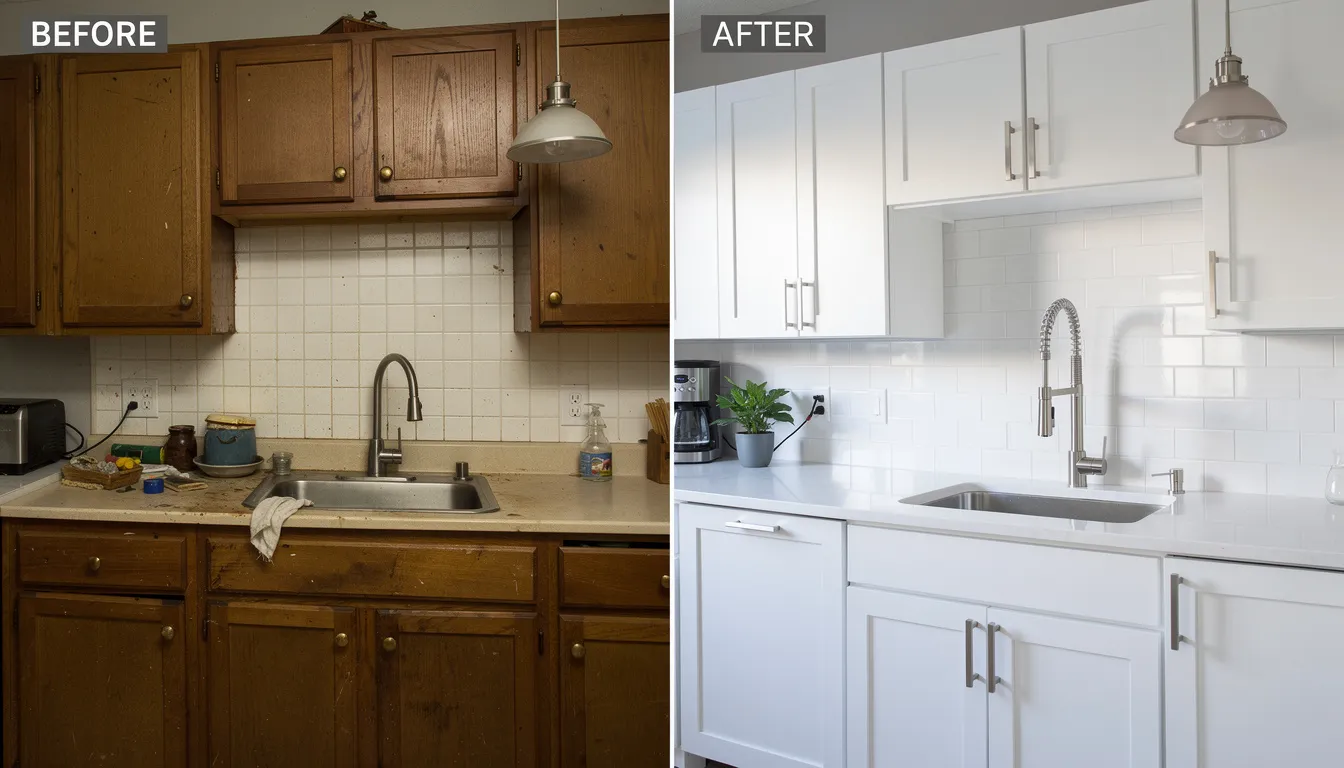
Minor Kitchen Home Improvements vs. Major Remodels
Minor kitchen remodels consistently outperform major renovations, delivering 96-97% cost recovery compared to just 38% for upscale projects. Average costs for minor remodels range from $15,000 to $27,492, focusing on cabinet refacing, fixture updates, and appliance replacement rather than complete gut renovations.
The superior performance of minor remodels occurs because they address the most visible and functional aspects of kitchen spaces without over-improving for neighborhood standards. These projects typically include painting or refacing existing cabinets, installing new hardware, updating countertops to materials like quartz or granite, and replacing older appliances with energy efficient models.
Appliance Upgrades as Smart Home Improvements
Energy efficient appliances provide both immediate buyer appeal and long-term utility savings that justify premium pricing. Matching finishes across all appliances create cohesive, upscale appearance while programs like Seattle City Light offer rebates that reduce net investment costs.
Focus appliance upgrades on the most visible and frequently used items: refrigerator, range, and dishwasher. Stainless steel remains popular, though newer finishes like matte black and integrated panel-ready options appeal to design-conscious buyers. Energy Star certification adds value by reducing energy bills and appealing to environmentally conscious purchasers.
Cabinet and Hardware Home Improvement Ideas
Rather than complete cabinet replacement, strategic updates like painting existing cabinets and installing new hardware deliver exceptional value. Coordinated finishes like brushed nickel or matte black provide modern appearance at fraction of full renovation costs.
Professional cabinet painting costs significantly less than replacement while transforming kitchen aesthetics. New hardware, including drawer pulls and cabinet knobs, offers immediate visual impact for minimal investment. Adding features like soft-close hinges and drawer slides enhances functionality without major expense.
Bathroom Home Improvement Projects With Strong Returns
Bathroom home improvement projects provide excellent value when focused on functionality and broad appeal. Bathroom renovation projects consistently rank among the most valuable home improvements, with returns typically ranging from 74% to 94% depending on scope and local market conditions. According to Remodeling Magazine, recent data highlights bathroom renovations as a top investment, providing reliable cost and ROI benchmarks for homeowners. The key to maximizing bathroom remodel ROI lies in focusing on functionality and broad market appeal rather than luxury features.
Midrange Bathroom Home Improvements
Midrange bathroom remodels average $20,420 in cost while typically returning $13,717 in added home value, representing solid 67% cost recovery that often improves with time as comparable properties age. These projects focus on essential updates that address buyer concerns about cleanliness, functionality, and modern amenities.
Effective midrange renovations typically include vanity replacement with modern storage solutions, updated lighting fixtures, new faucets and shower fixtures, and fresh tile work around tubs and showers. The goal is creating clean, bright spaces that feel updated without over-improving for neighborhood standards.
Simple Bathroom Home Improvement Updates
High-impact, low-cost bathroom upgrades can dramatically improve buyer perception without major renovation costs. Projects like re-caulking, updated lighting, fresh paint in neutral colors, and new fixtures provide immediate visual improvements at modest expense.
Replacing old light fixtures with modern LED options improves both functionality and aesthetic appeal. Re-grouting tile and applying fresh caulk around tubs and showers creates impression of cleanliness and maintenance. New mirrors, towel bars, and cabinet hardware complete the updated look while maintaining reasonable budget parameters.
Walk-In Showers and Water-Efficient Fixtures
Converting traditional tub-shower combinations to walk-in showers appeals to growing buyer preference for accessible, spa-like bathroom experiences. Prefabricated shower kits cost between $700 and $3,000, making this modification relatively affordable while addressing aging-in-place concerns.
Walk-in showers provide easier access for users of all ages while creating more spacious feeling in smaller bathrooms. Modern glass doors and contemporary tile choices enhance the luxury feel without requiring extensive plumbing modifications. This improvement particularly appeals to empty nesters and young professionals who prioritize convenience over bathing facilities.
Low-flow toilets and water-efficient faucets appeal to environmentally conscious buyers while reducing ongoing utility costs. Quality low-flow toilet models range from $99 to $259, providing immediate utility savings and positive environmental impact.
Modern low-flow toilets perform significantly better than early models, eliminating buyer concerns about functionality while providing water conservation benefits. Pairing these with efficient faucets and showerheads creates comprehensive water conservation approach that appeals to eco-minded purchasers and reduces operating costs.
Easy Home Improvement Projects for Beginners
Easy home improvement projects are ideal for beginners who want to improve their home’s appearance, comfort, and value without taking on major renovations. Simple DIY home improvement tasks like interior painting, updating light fixtures, replacing cabinet hardware, and improving landscaping offer immediate visual impact at a low cost. These beginner-friendly home improvement projects require minimal tools, short timelines, and little prior experience, making them accessible for first-time homeowners and budget-conscious renovators. By focusing on cosmetic and functional upgrades that enhance everyday living, homeowners can gain confidence, save money on labor, and create noticeable improvements that contribute to a more polished, well-maintained home.
DIY Home Improvement Ideas Anyone Can Do
- Interior painting
- Light fixture replacement
- Cabinet hardware swaps
- Landscaping cleanup
- Smart thermostat installation
Home Improvement Projects That Add Functional Living Space
Increasing usable living space ranks among the most effective ways to boost property value, with finished basement projects and outdoor living additions consistently delivering strong returns. Homeowners often look to add square footage through options like garage conversions or home additions, but it’s important to consider that not all added space—such as garages not originally designed for living—will necessarily increase overall property value. The key lies in creating livable space that serves multiple functions while maintaining quality appropriate to neighborhood standards.
Accessory dwelling units (ADUs), such as backyard cottages or private units, are another strategic way to create additional living space. ADUs can serve as home offices, guest suites, or rental units, making them a valuable feature that enhances both a property’s appeal and functionality.
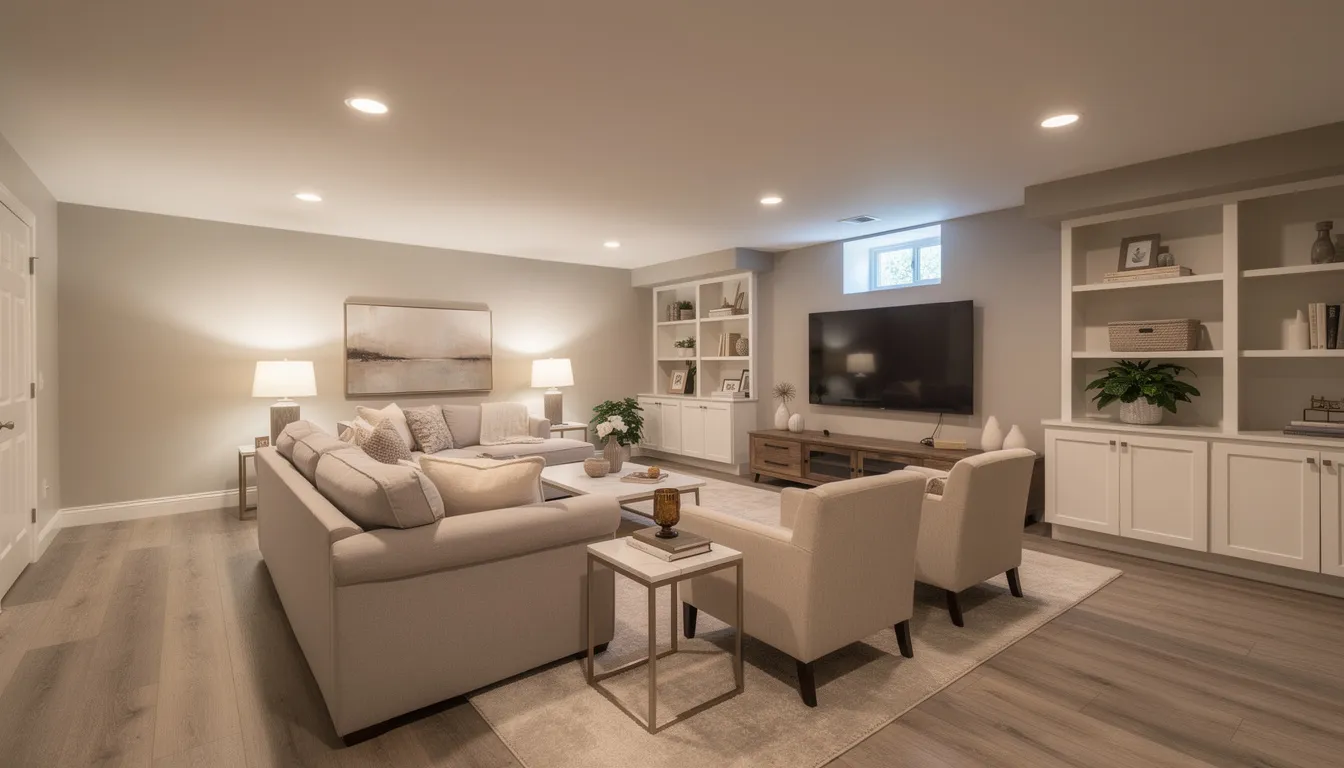
Finished Basements as Home Improvements
Basement remodel projects deliver approximately 70% ROI while adding $40,000 to $50,000 to asking price when properly executed. Average costs range from $32,000 to $75,000, depending on existing conditions and finish level chosen.
Successful finished basement projects focus on creating comfortable, dry living environments suitable for family rooms, home offices, or guest accommodations. Essential elements include proper moisture control, adequate ceiling height, egress windows for safety, and quality flooring appropriate for below-grade installation. Unfinished basement conversions work best when existing mechanicals are properly located and accessible.
Decks, Patios, and Outdoor Home Improvements
Deck addition projects show ROI ranging from 45% to 122%, with wooden deck installations costing between $3,600 and $7,200 for typical sizes. A backyard wooden deck is especially valuable, as it enhances outdoor living space, increases property value, and is highly sought after by homebuyers for its entertainment potential. Composite decking often performs even better due to reduced maintenance requirements and longer lifespan appealing to buyers.
Outdoor space additions work particularly well in markets where climate supports year-round or extended seasonal use. The key is creating functional entertaining areas that extend indoor living space while maintaining proportion appropriate to home size. Simple, well-designed decks typically outperform elaborate outdoor kitchen installations in terms of broad buyer appeal.
Home Office and Attic Conversions
The remote work market, valued at $58.5 billion with projected growth to 2027, drives increasing demand for dedicated office spaces within residential properties. Converting existing space to home office functionality often provides excellent returns without requiring additions.
Effective home office conversions focus on creating quiet, well-lit spaces with adequate electrical service for modern technology needs. Built-in storage, quality lighting, and sound control enhance functionality while maintaining flexibility for future use as bedroom or study space. The growing importance of work-from-home capabilities makes this improvement increasingly valuable to potential buyers.
Attic conversions offer more cost-effective approaches to adding valuable square footage compared to ground-level additions. These projects work well for creating bedrooms, workout areas, or flexible spaces while avoiding foundation and structural complications.
Successful attic renovations require adequate headroom, proper insulation and ventilation, and safe egress options. Dormers or skylights can provide natural light and additional headroom when needed. The key is creating genuinely usable space rather than cramped areas that feel like compromises.
Energy-Efficient Home Improvements That Buyers Value
Energy-efficient home improvement projects reduce utility costs while increasing appeal to modern buyers. Energy efficiency improvements appeal strongly to modern buyers, with market research showing willingness to pay $5,000 or more in premium pricing to achieve $1,000 annual utility savings. Incorporating energy efficiency upgrades into a home renovation not only enhances property value but also aligns with current trends in remodeling projects focused on sustainability and cost savings. These upgrades provide both immediate buyer appeal and long-term operational benefits that justify investment costs.
Window Replacements
Window replacement projects typically deliver 65-75% ROI while providing Energy Star certification benefits and potential tax credits up to $600. Quality replacement windows improve home comfort, reduce energy bills, and enhance curb appeal simultaneously.
Modern replacement windows offer superior insulation properties, noise reduction, and low-maintenance features that appeal to buyers. Double or triple-pane construction with low-E coatings provides excellent thermal performance while vinyl or fiberglass frames reduce ongoing maintenance requirements. The visual improvement from new windows often exceeds their measured ROI due to enhanced curb appeal.
Retrofitting a Home Elevator as a Smart Home Improvement Upgrade
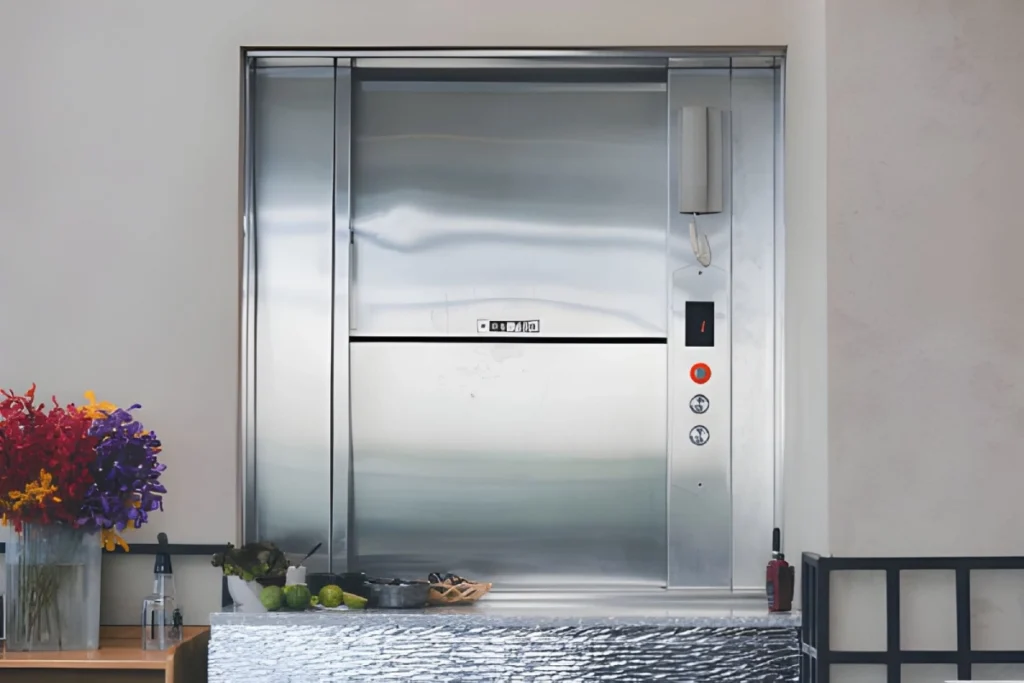
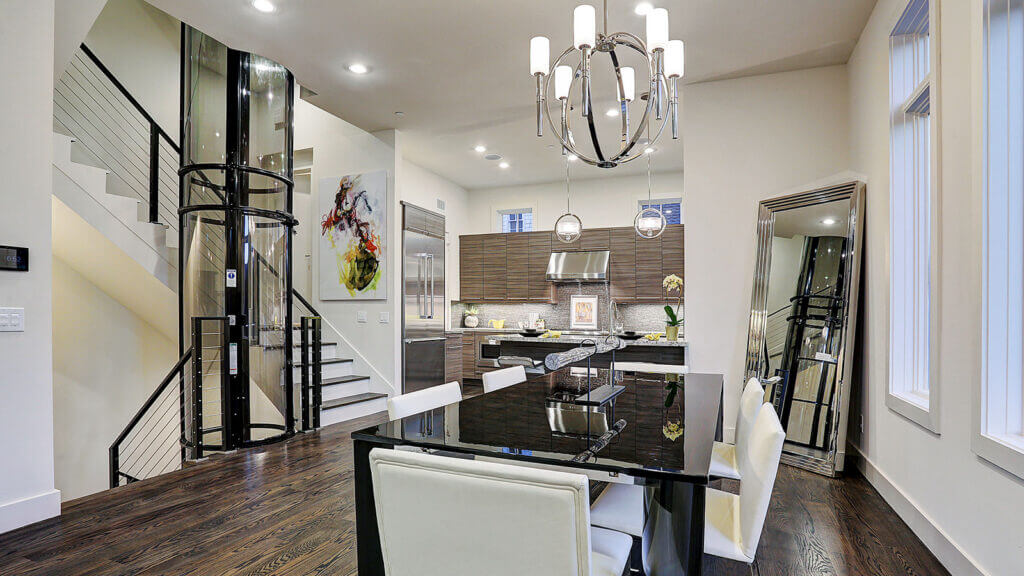
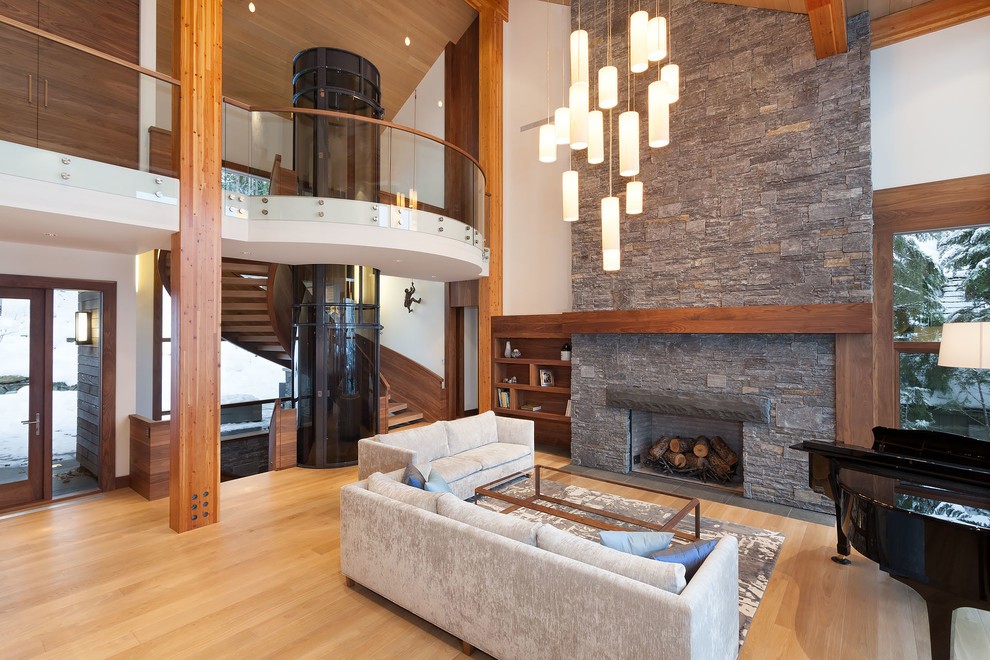
Retrofitting a home elevator is an increasingly popular home improvement project for homeowners looking to improve accessibility, safety, and long-term livability without sacrificing valuable square footage. Unlike traditional hydraulic or cable-driven residential elevators that often require significant construction and dedicated machine rooms, newer retrofit-friendly home elevator systems are designed to integrate into existing homes with minimal structural disruption. Modern residential elevator solutions, such as Vacuum Elevators, are designed for easy installation and can often be added to existing homes without major structural modifications, pits, or machine rooms. These energy-efficient elevators support aging-in-place, enhance mobility between floors, and appeal to multigenerational households, making them a functional upgrade that can increase a home’s usability and market appeal. As more buyers prioritize accessibility and future-proofing, installing a compact home elevator has become a forward-thinking improvement that blends convenience, innovation, and long-term value.
HVAC System Upgrades
HVAC system replacement averages $7,500 and consistently ranks as high buyer inquiry item during home shopping process. Multi-zone systems prove particularly attractive to buyers seeking customized comfort control and energy efficiency.
Modern HVAC systems provide superior energy efficiency, quieter operation, and enhanced air filtration compared to older units. Smart thermostat compatibility and zoned control options appeal to tech-savvy buyers while programmable features reduce operating costs. Regular HVAC maintenance and recent system installation eliminate buyer concerns about immediate major expenses.
Smart Home Technology as a Home Improvement Upgrade
Approximately 36% of buyers value smart home features, making modest investments in automation technology worthwhile for seller appeal. Smart thermostat installation costs between $150 and $400 while providing both utility savings and modern convenience features.
Effective smart home integration focuses on practical applications like programmable thermostats, smart lighting controls, and automated door locks rather than elaborate whole-home systems. These features appeal particularly to younger buyers while providing ongoing utility benefits. The key is selecting widely compatible systems that don’t require proprietary maintenance or replacement.
Insulation and Weatherization Improvements
Upgrading insulation provides cost-effective energy efficiency improvements while enhancing home comfort year-round. Attic insulation upgrades often deliver excellent returns due to relatively low costs and significant heating and cooling impact.
Professional energy audits identify the most effective insulation and weatherization opportunities for each property. Common improvements include attic insulation upgrades, seal air leaks around windows and doors, and basement or crawl space insulation. These improvements often qualify for utility rebates or tax incentives that improve overall project economics.
Interior Home Improvement Projects With High Impact
Interior updates, particularly flooring improvements, provide excellent opportunities for value enhancement through relatively modest investments. These projects offer immediate visual impact while addressing buyer preferences for move-in-ready condition. By making thoughtful interior updates, you can attract more buyers and increase your home’s appeal to a wider audience.
Flooring Home Improvement Options
Hardwood floor refinishing averages $1,888 and appeals to the vast majority of buyer preferences for natural materials and easy maintenance. This improvement often provides outsized value compared to replacement costs while preserving home’s original character.
Professional refinishing restores existing hardwood floors to like-new condition while allowing customization of stain colors to match current design trends. The process typically requires 3-5 days but avoids disposal and replacement costs associated with new flooring installation. Quality hardwood floors continue to appreciate in value over time as materials costs increase.
Luxury Vinyl Plank Installation
Luxury vinyl plank (LVP) flooring costs $3-$10 per square foot while offering durability advantages over traditional hardwood for active families or areas prone to moisture exposure. Modern LVP options provide realistic wood appearance while maintaining practical benefits.
LVP installation often appeals to buyers with pets, children, or preferences for low-maintenance solutions. The material provides excellent moisture resistance, scratch resistance, and ease of cleaning while maintaining attractive appearance. Quality LVP options include realistic textures and varied plank sizes that closely mimic natural hardwood appearance.
Interior Painting as a Home Improvement Staple
Interior painting represents the most common seller improvement, undertaken by 32% of sellers in 2024, adding average value of $10,184 when executed professionally. Neutral color palettes provide broad buyer appeal while allowing personalization after purchase.
Professional interior painting creates fresh, clean appearance while allowing correction of minor wall imperfections and outdated color choices. Light, neutral colors like warm grays, soft whites, and subtle beiges appeal to the widest range of buyer preferences while making spaces appear larger and brighter. Quality paint and proper surface preparation ensure lasting results that maintain value.
Specialty Flooring Features
Heated flooring systems generate 2% more saves and 3% more shares on real estate listing platforms, indicating strong buyer interest in luxury comfort features. These systems work particularly well in bathrooms, kitchens, and primary bedroom areas.
Radiant floor heating provides even, comfortable warmth while eliminating cold floor surfaces that many buyers find objectionable. Electric systems offer relatively simple installation under tile or stone flooring, while hydronic systems provide whole-home heating solutions. The luxury appeal often exceeds measurable ROI due to enhanced perceived value.
Cleaning, Repairs, and Pre-Sale Home Improvements
Twenty percent of sellers address flooring issues before listing, but comprehensive deep cleaning and minor repairs often provide excellent returns for minimal investment. Professional cleaning services and minor touch-up work prepare homes for optimal showing condition.
Professional cleaning addresses accumulated wear that homeowners often overlook, including carpet cleaning, grout cleaning, and detailed surface cleaning throughout the home. Minor repairs like nail holes, scuff marks, and hardware tightening complete the preparation process. These improvements help homes show at their best while requiring minimal financial investment.
Home Improvements to Avoid
Not all projects add significant value, and some improvements may actually deter potential buyers or provide poor returns on investment. Understanding which renovations to avoid helps homeowners allocate budgets toward improvements that maximize property value.
Swimming Pools
Swimming pools often prove polarizing among buyers due to safety concerns, maintenance requirements, and insurance implications. While pools may appeal to families with children, many buyers view them as ongoing expenses and liability risks rather than valuable amenities.
Pool installation costs range from $35,000 to $100,000 or more, but value recovery varies dramatically by location and buyer demographics. In warm climates with year-round swimming seasons, pools may add some value, but in most markets, the ongoing maintenance costs and safety concerns outweigh buyer appeal. The relatively small percentage of buyers actively seeking pools makes this improvement risky for resale purposes.
Luxury Home Improvements Beyond Neighborhood Standards
High-end finishes and luxury features often provide lower resale value than mid-range quality options, particularly when they exceed neighborhood standards. Over-improving relative to comparable properties rarely produces proportional value returns.
Examples of potentially problematic luxury upgrades include marble floors throughout the home, extremely high-end appliance packages, elaborate built-in entertainment systems, and custom millwork that reflects highly personal taste. While these features may enhance personal enjoyment, they often fail to attract premium prices from buyers who may prefer to customize according to their own preferences.
Garage Conversions
Converting garages to living space typically provides poor ROI because most buyers prefer intact garage functionality for vehicle storage and practical needs. The loss of covered parking and storage space often outweighs the value of additional square footage.
Garage conversions work better as non-permanent modifications that can be easily reversed, such as using the space for home gyms or workshops while maintaining the ability to restore vehicle accommodation. Permanent conversions that eliminate garage doors and modify electrical or plumbing systems create complications for buyers who value traditional garage functions.
Overly-Personalized Home Improvements
Home improvements that reflect highly specific personal interests or hobbies often fail to appeal to broader buyer populations. Examples include elaborate home theaters, wine cellars in moderate-priced homes, or specialized hobby rooms that serve narrow functions.
While these features may enhance personal enjoyment during ownership, they typically provide poor resale value because they limit how future owners can utilize the space. The key is maintaining flexibility in home modifications that allows various uses rather than highly specialized applications.
Over-Improvement for Neighborhood Context
Perhaps the most important principle in home improvement planning involves avoiding over-improvement relative to neighborhood standards. Spending more than 30% of current home value on renovations often produces diminishing returns as improvements exceed what local market conditions support.
Research comparable properties within the immediate neighborhood to understand appropriate improvement levels. A $150,000 kitchen renovation may be justified in a luxury neighborhood but could represent poor investment in an area where most homes sell for $300,000 or less. Understanding local market dynamics helps ensure renovation investments align with realistic value expectations.
Budgeting for Home Improvement Projects
Strategic budget planning ensures home improvement projects deliver maximum value while maintaining financial flexibility. Before starting a remodeling project, it’s important to consider both the scope of work and how you will finance it to avoid unexpected expenses. Understanding financing options and budget allocation principles helps homeowners make informed decisions about renovation costs and expected returns. Some loans, such as renovation loans or second mortgages, provide funds as a lump sum, allowing you to access the full amount upfront for your home improvements.
The 30% Rule for Renovation Spending
Financial experts recommend avoiding renovation expenditures exceeding 30% of current home value to maintain reasonable expectations for value recovery. This guideline helps ensure improvements align with neighborhood standards while preserving adequate financial reserves.
For example, a home valued at $400,000 should limit total renovation spending to approximately $120,000 to maintain reasonable proportionality. This constraint encourages focus on the most impactful improvements rather than comprehensive overhauls that may exceed market support in the local area.
All-Cash vs. Financed Improvements
Paying cash for renovations avoids interest costs and debt obligations but ties up funds until property sale occurs. This approach works well for homeowners with adequate liquid reserves who plan to sell within 2-3 years after improvement completion.
Cash payments often provide better contractor negotiations due to guaranteed payment terms and faster project completion timelines. However, homeowners should maintain adequate emergency reserves and avoid depleting all available liquid assets for renovation projects.
Home Equity and Personal Loan Options
Home equity line financing allows homeowners to access accumulated property value for improvement projects while typically providing favorable interest rates compared to personal loans. Most lenders require total debt obligations remain under 90% of home value for approval.
Personal loans offer another financing option for smaller projects, typically ranging from $5,000 to $50,000 with fixed payment terms. These loans provide faster approval processes but usually carry higher interest rates than home equity products. The choice depends on project scope, available equity, and individual financial circumstances.
How Much Should You Spend on Home Improvement?
A $50,000 renovation budget might optimally allocate funds across multiple high-ROI projects: $8,000 for professional landscaping, $15,000 for minor kitchen updates, $12,000 for bathroom renovation, $5,000 for new entry and garage doors, and $10,000 for interior painting and flooring touch-ups.
This diversified approach addresses multiple value categories while avoiding over-investment in any single area. The strategy maximizes buyer appeal across various priorities while maintaining budget discipline and reasonable return expectations.
DIY vs. Professional Home Improvement Work
Simple updates like interior painting, hardware replacement, and basic landscaping provide good DIY opportunities for homeowners with appropriate skills and time availability. These projects offer labor cost savings while allowing personal control over quality and timeline.
Complex work involving electrical systems, plumbing modifications, structural changes, or major installations typically requires professional expertise to ensure code compliance and quality results. Poor DIY execution can reduce rather than enhance property value while creating safety and legal complications. Understanding personal capability limits helps determine appropriate project scope for self-completion versus professional hiring.
FAQ: Home Improvement Questions
1. What is considered home improvement?
Home improvement includes any project that repairs, upgrades, or enhances a home’s functionality, comfort, efficiency, or appearance.
2. What are the most common home improvement projects?
Painting, flooring updates, kitchen upgrades, bathroom improvements, landscaping, and energy efficiency upgrades.
3. How much should I budget for home improvement?
Most homeowners spend 5–15% of their home’s value on improvements, depending on goals and market conditions.
4. Is DIY home improvement worth it?
DIY home improvement works best for cosmetic updates. Structural, electrical, and plumbing projects should be handled by professionals.
5. What home improvement adds the most value to my property?
Garage door replacement consistently offers the highest return on investment, with ROI reaching up to 349% and average costs around $4,317-$4,513. This improvement dramatically enhances curb appeal while addressing functionality, security, and energy efficiency concerns that appeal to potential buyers. Steel entry door replacement follows closely with approximately 188% ROI at around $2,355 average cost.
6. How do I determine if a renovation will pay off in my local market?
Research comparable home sales in your immediate area over the past 4-5 years, focusing on properties that completed similar improvements. Look for patterns in sale prices relative to renovation scope and consult with local real estate agents who understand current buyer preferences in your neighborhood. Market conditions, neighborhood price ranges, and regional climate factors all influence which improvements provide the best returns in specific locations.
7. Should I renovate extensively if I’m planning to sell within the next year?
Focus on low-cost, high-impact improvements like fresh interior paint, professional landscaping, minor fixture updates, and deep cleaning rather than major renovations if selling soon. Projects requiring less than $10,000 investment with completion times under two weeks typically provide better returns for quick sales. Major renovations often require 2-3 years of market appreciation to fully recover investment costs.
8. Are energy efficiency upgrades worth the investment cost?
Yes, particularly in regions with extreme climates where utility costs significantly impact homeowner budgets. Recent studies show buyers willingly pay $5,000 or more in purchase price premiums to achieve $1,000 annual utility savings. Energy efficient windows, HVAC systems, and insulation improvements also qualify for tax credits up to $600, further improving investment economics while appealing to environmentally conscious buyers.
9. What’s the difference between renovating for personal enjoyment versus resale value?
If you plan to remain in the home for 5+ years, renovate according to your family’s needs and preferences since market appreciation typically builds value over time regardless of specific improvement choices. However, if selling within 2-3 years, focus strictly on improvements with proven ROI data and broad market appeal rather than highly personalized features. For a new homeowner, it’s important to consider renovations that maintain balance and structural integrity, as these choices not only suit your needs but also help appeal to future buyers. The timeline for enjoying improvements versus recovering costs determines the appropriate renovation strategy.