- Residential Elevator Cost and Installation Costs
- Types of Residential Elevators: Hydraulic Elevator vs Other Options
- What Drives Home Elevator Cost
- Installing a Lift at Your House: Safety Features and Compliance
- Maintenance Costs and Long-term Considerations
- Type of Lifts and Property Value
- Choosing the Right System for Your Residence
- Making the Smart Investment
- Frequently Asked Questions
Sarah never thought she’d be researching “home elevator cost” until her mom moved in after hip surgery. Watching her mom struggle with stairs every day turned what seemed like a luxury into a necessity. Now, months after their residential elevator installation, Sarah calls it their best home improvement decision ever.
If you’re reading this, you’re probably wondering about residential elevator cost factors, installation complexity, and whether it’s worth it. This guide explains the characteristics and considerations involved in bringing this life-changing addition to your home.
This comprehensive overview also helps you compare pricing, installation considerations, and system types so you can confidently estimate your home’s elevator and understand the average cost for you home elevator.
Residential Elevator Cost and Installation Costs
Home elevators come in many forms, including wheelchair lifts, pneumatic elevators, and vertical platforms. When considering the cost of a home elevator, keep in mind that your investment will vary based on several factors including home elevator company selected and installation process. Many homeowners look specifically for the cost to install a home elevator to understand the full project scope. Many homeowners begin by researching the residential elevator cost and comparing it with other accessibility solutions.
Most homeowners can expect the overall cost of a residential elevator to range from $20,000 to $60,000+, depending on the model, customization, engineering needs, and location. Pneumatic vacuum elevators—known for their minimal site preparation – typically start within this range. At the same time, hydraulic and traction systems may cost more due to the need for shafts, pits, or machine rooms.
Recent industry data suggests that many U.S. installations fall between $25,000 and $50,000 for standard two-floor systems, while premium or multi-floor additions frequently reach $70,000+ due to added engineering, finishes, and structural requirements. Including this wider range helps set realistic expectations for homeowners comparing different lift styles and configurations and evaluating home elevator prices.
The cost of a residential elevator extends well beyond the initial equipment purchase. Home elevator installation costs vary based on your specific requirements and the elevator type you choose. Labor costs can vary significantly. The size and capacity of the elevator cab directly impact the cost, as larger sizes require more materials and more powerful operating systems.
To help homeowners compare options more easily, most residential elevator vendors recommend requesting itemized quotes that separate equipment price, installation labor, shaft or pit construction, electrical upgrades, permits, finishing materials, and optional customizations. This not only makes budgeting easier but also reduces unexpected overruns.
Itemized estimates also help clarify which costs relate to your home’s structure versus the elevator equipment itself an important distinction when comparing bids and understanding the home elevator installation cost. When compared to a stair lift, please note elevators do incur additional costs.
Types of Residential Elevators: Hydraulic Elevator vs Other Options
Understanding each elevator type helps you make informed decisions about your home elevator investment and accurately assess residential elevator prices.
Vacuum and Pneumatic Systems
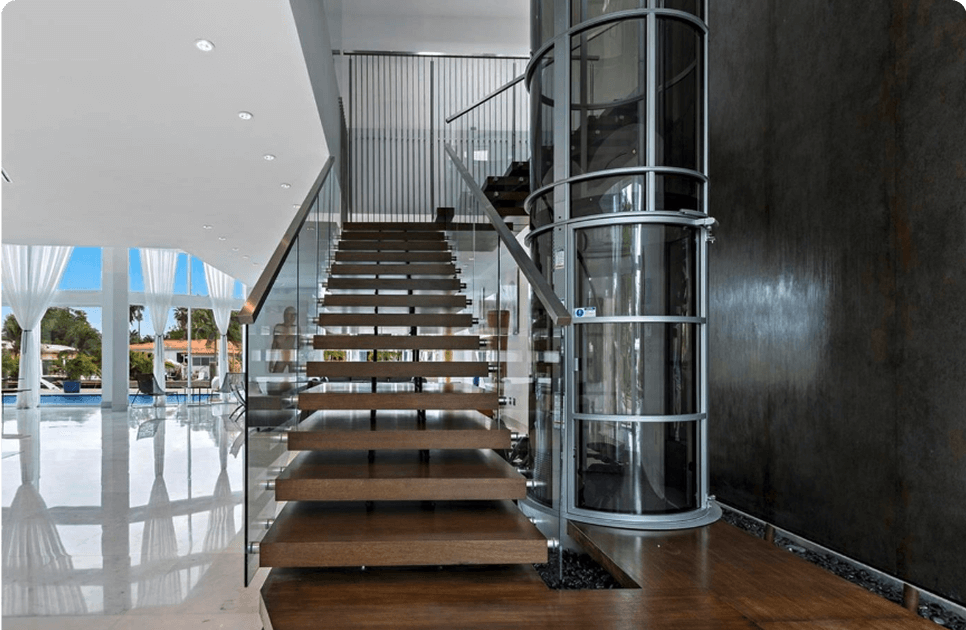
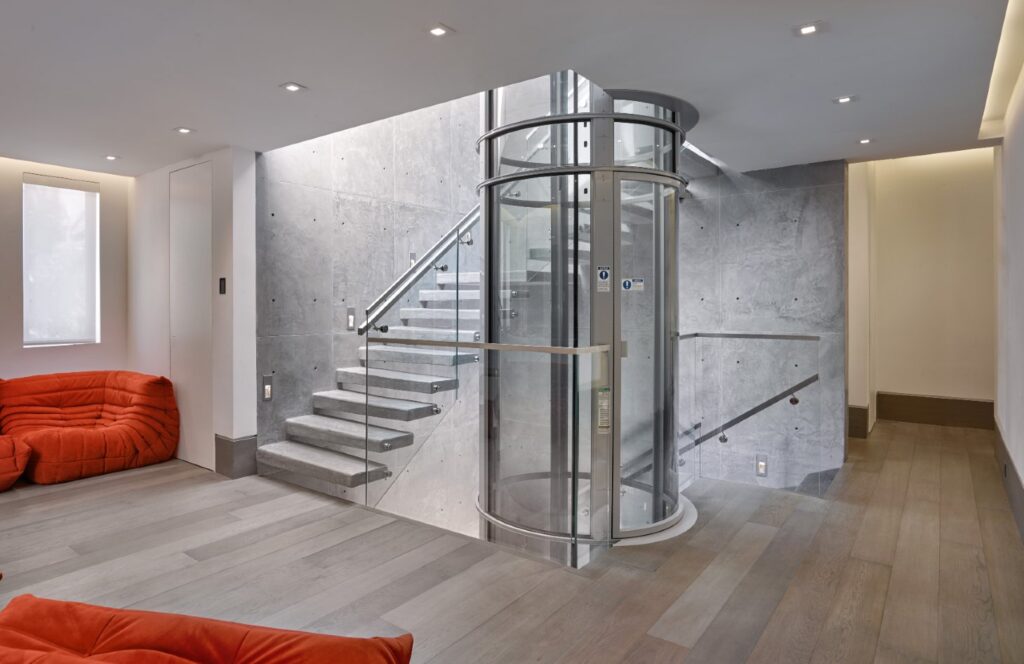
Vacuum elevators are the latest and greatest residential elevator technology, using air pressure differentials for movement. Ideal for homes with limited space, these pneumatic lift systems feature a modern aesthetic with a transparent design that serve as architectural focal points and require minimal construction modifications. These models are typically pitless and machine-room-less, with a self-supporting cylinder that can simplify retrofits while offering one of the most competitive pneumatic elevator cost ranges.
Hydraulic Elevator Systems
A hydraulic elevator uses a pump system that pressurizes hydraulic fluid in a cylinder, raising and lowering the hydraulic arm that supports your elevator cab. These rugged systems require a separate machine room housing the pump and control equipment and tend to have a mid-range hydraulic elevator cost.
Traction Elevators
Traction elevators use cables wound around pulleys with counterweights to move the elevator car. These systems may not require hydraulic fluid, making them cleaner and more environmentally friendly. They typically fall into a higher traction elevator cost bracket.
Because each elevator type differs in installation needs and engineering requirements, many local contractors offer cost ranges by category. Installation complexity increases costs, particularly if a new shaft needs to be built or if the installation is retrofitting an existing home.
Selecting the right elevator type typically depends on available space, desired aesthetics, and long-term maintenance preferences, especially for those comparing home lift cost options.
What Drives Home Elevator Cost
Labor Costs and Key Factors Affecting Pricing
Your elevator type and drive system requirements significantly affect the overall cost of the home elevator. Hydraulic, traction, pneumatic, and shaftless elevators each have different investment levels. The number of floors your system serves affects engineering complexity—multi-story installations require more complex solutions and can increase home elevator cost per floor.
Installation complexity and modifications to the home matter and can vary depending on the elevator technology. Retrofitting may require structural changes that new construction projects can avoid. Machine room requirements versus machine room-less options affect both space and budget. Building codes compliance and permit requirements add to overall expenses, and labor costs for specialized technicians must be factored in. If you are looking to travel more than two stories, this can also increase the installation costs.
Working with a reputable company ensures that all factors are adequately assessed.
As a general guideline, every extra floor typically adds $10,000–$15,000 to equipment and installation costs, due to taller shafts, stronger cabling, and more complex safety systems. It is recommended to contact a reliable company that is licensed to install elevators in your area to provide you with a more accurate range in your respective market.
Installation Complexity and Number of Floors
Installing a home elevator involves varying levels of complexity that depend on many factors. The construction process depends on your home’s existing structures, available space, and the number of floors being connected.
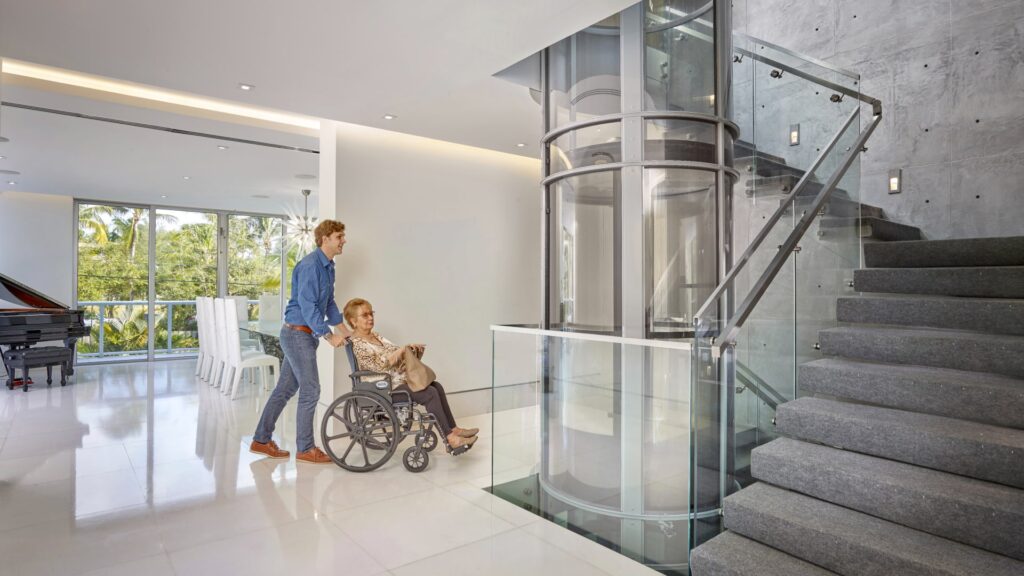
The number of floors affects the project scope, as each additional level increases engineering requirements. For wheelchair users, they must confirm if the elevator size is large enough to accommodate their mobility needs.
For retrofits in older homes, structural surprises—such as load-bearing wall adjustments or relocating HVAC, plumbing, or electrical lines—can add $5,000–$20,000+ depending on the home’s layout. Depending on how many floors looking to access, these unexpected adjustments are one of the biggest variables affecting total home lift cost and should be budgeted for early in the planning process.
New Construction vs Retrofit Projects
New construction allows integration during construction, typically reducing costs and installation complexity. You can plan for optimal elevator placement without having to work around existing structures. These are items to look out for when reviewing an affordable home elevator.
Installing a Lift at Your House: Safety Features and Compliance
When you’re installing a home elevator, safety features and regulatory compliance can’t be ignored. Professional installers ensure systems meet all local building codes and accessibility standards.
Modern home elevators typically include safety elements such as emergency stop controls, overspeed protection, interlocks, LED lighting, automatic leveling, and battery-powered descent in case of outage.
Throughout this process, you’ll navigate local regulations and residential codes that vary from municipality to municipality. These codes often require permits, inspections, and adherence to specific safety standards. Working with contractors familiar with your area simplifies the approval process and ensures compliance. Permits can add significant costs to an elevator installation, with fees ranging from $1,000 to $3,000 depending on the state.
Maintenance Costs and Long-term Considerations
When investing in a home elevator, understanding ongoing commitments is key. Regular maintenance is the backbone of safe operation and directly impacts your investment’s longevity. Home elevator maintenance costs vary by elevator type.
Hydraulic systems require periodic fluid changes and pump servicing. Pneumatic elevators, with fewer moving parts, generally need less frequent intervention. Budget for bi-annual service visits as part of regular maintenance scheduling.
On average, homeowners should plan for $200–$500 per annual maintenance visit, with occasional part replacements (such as door sensors, switches, or hydraulic components) ranging from $150 to $1,000 depending on the part. Contact your local dealer to confirm the price of maintenance visits in your area.
Understanding annual maintenance expectations is essential when comparing overall residential elevator price between different system types.
Type of Lifts and Property Value
Installing a residential elevator could potentially be a wise investment that delivers immediate lifestyle benefits and even long-term financial returns. While value increases vary by market, elevators often enhance buyer interest by improving accessibility, convenience, and future-proofing. Many homeowners interpret this as an increase in home elevator value.
Customization Options for Modern Homes
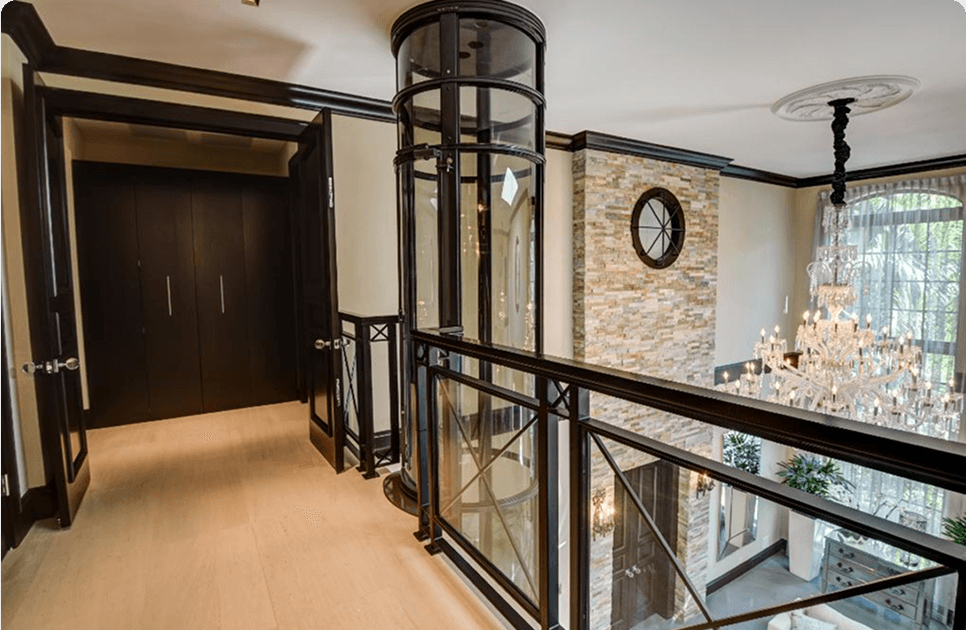
Modern home elevators offer many customization options to fit any architectural style. These custom features allow homeowners to create seamless additions that complement existing décor.
Choosing the Right System for Your Residence
Choosing the right home elevator starts with an assessment of your home’s characteristics. Home elevators provide convenience by making it easier to transport heavy items between floors.
Before contacting installers, measure available space, note ceiling heights, identify potential shaft locations, and determine whether the home can structurally support the system you prefer. Documenting these details helps contractors provide more accurate quotes. Confirm as well is a wheelchair lift is required.
Before you install elevators, get multiple quotes from certified and trusted professionals. You should be provided a detailed assessment of requirements, timeline, and maintenance expectations.
Making the Smart Investment
Unlike a stair lift, a home elevator is more than luxury; it’s an investment in functionality, accessibility, and long-term value.
Contact us to connect with one of our trusted, licensed dealers. These professionals will provide personalized assessments, discuss different system types, and help you understand what’s possible in your home’s unique layout.
Installing a home elevator isn’t just adding convenience; it’s making your home more livable, accessible, and valuable for your family’s evolving needs for decades. For families planning to age in place, the investment often becomes a central part of making the home safer and more accessible long-term.
Frequently Asked Questions
Can a home elevator be installed in an existing home?
Yes, home elevators can be retrofitted into existing homes, though some structural modifications may be necessary. With homes with less space, review the elevator technology that best accommodates tight spaces while servicing your mobility issues and needs.
Do all residential elevators require a machine room?
No, some elevators, like pneumatic elevators, do not require a separate machine room.
How much space is typically needed for an elevator at your house?
The amount of space needed varies depending on the elevator technology, company and model chosen for your project. For example, the worlds smallest home elevator provided by PVE, the PVE30, only requires a through floor whole of 32 inches required.
Are home elevators safe to use?
Yes, when installed by a qualified company and regularly maintained, home elevators meet safety standards and include essential safety features.
How long does it take to install a home lift?
Most projects take between two and six weeks depending on system type, permitting, and structural modifications. Self-supporting passenger elevators like Vacuum Elevators by PVE can be installed in as little as 2 – 3 days due to the lack of any elevator shaft and the minimal pre-construction requirements.