- Factors Affecting Dumbwaiter Cost
- Dumbwaiter Cost Range
- Dumbwaiter Cost Breakdown
- Considerations for Budgeting Your Dumbwaiter
- Additional Considerations
- Financing Options for Your Dumbwaiter
- Benefits of Owning a Dumbwaiter
- Dumbwaiters vs. Other Options
- Maintaining Your Dumbwaiter
- Conclusion
- Dumbwaiter Cost FAQs
Thinking about adding a dumbwaiter to your home? This handy little elevators, like a home elevator, can save you countless trips up and down the stairs, especially if you have multiple floors. But before you get too excited, it’s important to understand the cost involved.
This comprehensive guide will delve into everything you need to know about dumbwaiter costs, from factors affecting the price to considerations for budgeting. We’ll also explore the range of costs for different types of dumbwaiters and installation processes.
By the end of this article, you’ll be a dumbwaiter cost expert, ready to make an informed decision about adding this convenient feature to your home.
Factors Affecting Dumbwaiter Cost
The cost of a dumbwaiter can vary significantly depending on several factors. Here are the key elements that will influence the final price:
- Type of Dumbwaiter: There are two main types of dumbwaiters : electric and manual. Electric dumbwaiters are more common and operate with a motor, offering a smooth and effortless ride. Manual dumbwaiters are operated by a rope system and are less expensive, but require more effort to use.
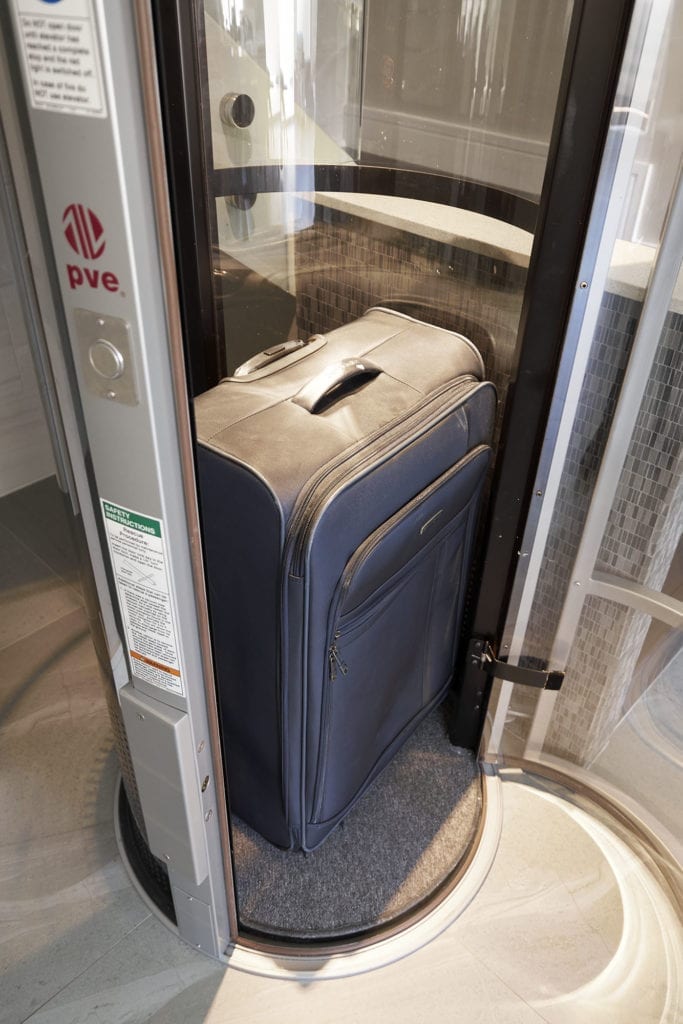
- Size and Capacity: The size and weight capacity of the dumbwaiter will significantly impact the cost. Larger dumbwaiters, or a two-passenger model like the PVE37, that can carry more weight will be more expensive. Consider the items you plan to transport most often to determine the necessary size and capacity.
- Number of Floors: The number of floors the dumbwaiter needs to travel between will also affect the cost. More floors typically require a more complex installation and additional materials, leading to a higher price.
- Features and Customization: Some dumbwaiters offer additional features like automatic doors, different finishes, or phone call functionality. These add-ons can increase the overall cost.
- Installation Difficulty: The complexity of installing the dumbwaiter will influence the price. Factors like existing wall space, required electrical work, and any necessary structural modifications can add to the installation cost.
- Location: Labor costs can vary depending on your geographic location. Getting quotes from local contractors will give you a clearer picture of installation pricing in your area. For example, if you are in California, you can reach out to local dumbwaiter vendors in California for getting estimates and quotes.
Dumbwaiter Cost Range

Now that you understand the factors affecting dumbwaiter cost, let’s explore the typical price range.
- Low-End: For a basic, small, manual dumbwaiter with a limited weight capacity serving just a few floors, you can expect to pay around $2,000 to $4,000, including installation.
- Mid-Range: The most common price range for residential dumbwaiters falls between $8,000 and $12,000. This range typically covers electric dumbwaiters with a moderate weight capacity serving two to three floors.
- High-End: High-end, custom-built dumbwaiters with larger capacities, advanced features, and luxurious finishes can cost upwards of $20,000.
Remember: These are just ballpark figures. The actual cost for your specific dumbwaiter will depend on the factors mentioned earlier.
Dumbwaiter Cost Breakdown
Here’s a breakdown of the typical costs associated with a dumbwaiter installation:
- Dumbwaiter Unit: This is the cost of the dumbwaiter itself, which can range from a few thousand dollars to tens of thousands, depending on the type, size, and features.
- Installation Labor: The labor costs for installing the dumbwaiter can vary depending on the complexity of the project. Expect to pay an hourly rate for skilled technicians.
- Electrical Work: Most electric dumbwaiters require electrical wiring and connections. This cost will depend on the existing electrical infrastructure in your home.
- Permits and Inspections: Depending on your location, you may need to obtain permits and have inspections conducted after installation. Factor in these potential costs when budgeting.
Considerations for Budgeting Your Dumbwaiter

- Define Your Needs: Clearly define what you need from your dumbwaiter. Consider the size, capacity, number of floors, and desired features. This will help you narrow down your options and budget accordingly.
- Get Multiple Quotes: Contact several reputable dumbwaiter companies in your area to get quotes. This will give you a good sense of the prevailing market rates and allow you to compare options.
- Factor in Maintenance Costs: While dumbwaiters are generally low-maintenance, there may be occasional service needs. Consider budgeting for potential future maintenance costs.
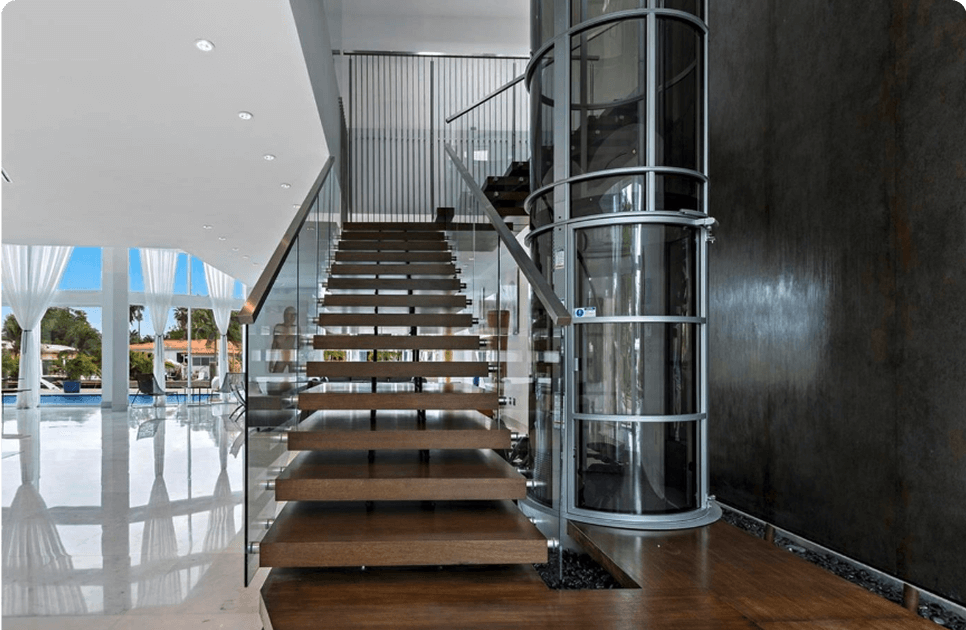
- Long-Term Value: Think about how a dumbwaiter or a PVE52 – Three Passenger Residential Elevator can improve your home’s functionality and value, especially if wheelchair access is needed.
Additional Considerations
- DIY Installation: Consider the expertise and tools needed for safe and proper installation. Hiring a qualified professional is generally recommended to ensure safety and avoid any potential issues.
- Code Compliance: Ensure the chosen dumbwaiter and installation process comply with all local building codes and safety regulations.
- Aesthetics: Dumbwaiters can be both functional and aesthetically pleasing. Consider the overall design of your home and choose a finish that complements your space.
Financing Options for Your Dumbwaiter
If the upfront cost of a dumbwaiter seems daunting, several financing options might be available:
- Home Improvement Loans: Some lenders offer home improvement loans specifically for renovations and upgrades. These loans can be used to finance the cost of your dumbwaiter.
- HELOC (Home Equity Line of Credit): If you have equity in your home, you might consider a HELOC to access funds for your dumbwaiter project.
- Payment Plans: Some dumbwaiter companies offer financing plans with manageable monthly payments.
Benefits of Owning a Dumbwaiter
While the cost is a significant factor, consider the numerous benefits a dumbwaiter can offer your home:
- Convenience: A dumbwaiter eliminates the need for carrying groceries, laundry, firewood, or other items up and down the stairs, saving you time and effort.
- Accessibility: For individuals with mobility limitations, a dumbwaiter can improve accessibility within the home, making it easier to transport items to different floors.
- Increased Value: A well-designed dumbwaiter can be a valuable addition to your home, potentially increasing its resale value.
- Space Optimization: Dumbwaiters utilize vertical space efficiently, making them ideal for homes with limited floor space.
Dumbwaiters vs. Other Options
If you’re considering solutions for transporting items within your home, here’s a quick comparison of dumbwaiters with other options:
- Stairlifts: Stairlifts are ideal for individuals with mobility limitations who need assistance navigating stairs. However, they are not suitable for transporting objects.
- Laundry Chutes: Laundry chutes are a cost-effective option for transporting laundry between floors. However, their use is limited to specific items.
- Basket Hoists: Basket hoists provide a temporary solution for lifting heavy items occasionally. However, they are not as convenient or permanent as a dumbwaiter.
Maintaining Your Dumbwaiter
Once you’ve invested in a dumbwaiter, proper maintenance is crucial to ensure its longevity and functionality. Here are some key maintenance tips:
- Regular Inspections: Schedule regular inspections by a qualified technician to identify and address any potential issues before they escalate.
- Cleaning and Lubrication: Keep the dumbwaiter clean and lubricate moving parts as recommended by the manufacturer’s instructions.
- Overloading Prevention: Avoid overloading the dumbwaiter beyond its weight capacity to prevent damage and ensure safety.
Conclusion
By understanding the factors affecting cost, exploring the budgeting considerations, and weighing the various benefits,you can make an informed decision about adding a dumbwaiter or home elevator to your home, such as the PVE30, PVE37, or PVE52, depending on your space and needs.
Do your research, compare quotes from qualified professionals, and choose a dumbwaiter that fits your needs and budget. With proper planning and maintenance, your dumbwaiter can become a valuable asset in your home for years to come.
Dumbwaiter Cost FAQs
What factors affect home elevator cost?
The cost of a home elevator depends on the type of lift, number of stops, installation complexity, customization, and the materials used. Additional features like energy-efficient systems or advanced safety features can increase the price.
How much does it cost to install an elevator in a home?
The cost of installing an elevator in a home can range between $20,000 and $50,000, depending on the type of elevator and the specific needs of your home.
Is a pneumatic elevator more affordable than a traditional elevator?
Yes, pneumatic elevators are generally more affordable than traditional hydraulic or cable-driven elevators, with costs typically falling between $20,000 and $50,000 for installation.
What is the average elevator cost for a home?
The average elevator for home cost varies by model, but you can expect to pay between $20,000 and $60,000, depending on the type and features of the elevator.
Are there long-term savings with a home elevator?
Yes, while the initial home elevator cost can be significant, pneumatic lifts typically have lower maintenance and energy costs over time, making them a cost-effective option in the long run.