


As more families choose to live under one roof, the demand for smart, space-saving home upgrades has never been higher.
Whether it’s aging parents to young children to busy professionals, multi-generational households need solutions that support mobility, safety, and comfort across every stage of life.
Enter the pneumatic home elevator a sleek, compact solution designed to meet the needs of every generation.
In a multi-generational home, mobility is often a top concern. Whether it’s aging parents facing limited mobility or young children navigating stairs, accessibility can become a daily challenge.
Pneumatic Vacuum Elevators (PVEs), including the wheelchair-accessible PVE52 , offer a safe, user-friendly alternative to traditional stairs—making every floor accessible without sacrificing design or space.
Unlike traditional elevator systems that require pits, machine rooms, or major construction, PVEs are self-supporting and air-powered.
This means families can enjoy an elegant, fully functional elevator that requires minimal renovation—ideal for households looking to age in place or support family members with changing mobility needs.
Space is often at a premium in multi-generational homes. That’s where the compact design of PVEs shines.
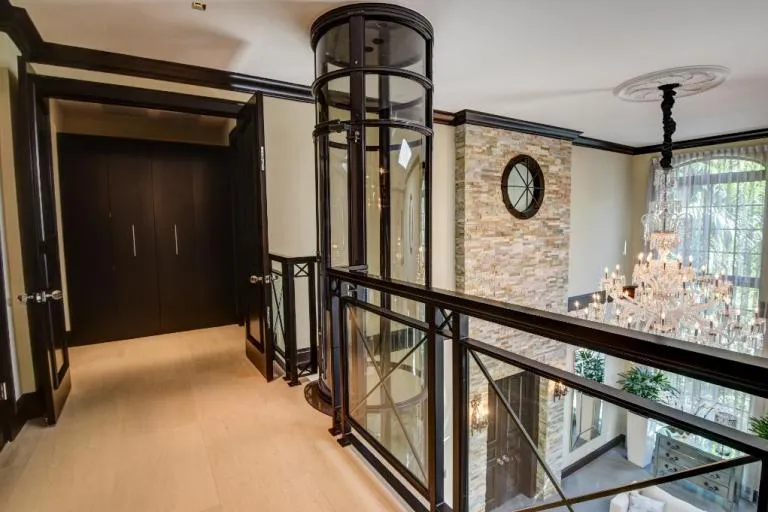
Models like the PVE30 take up less than 4 square feet and can be installed almost anywhere inside the home—including tight corners, closets, or near stairwells—without compromising style or flow.
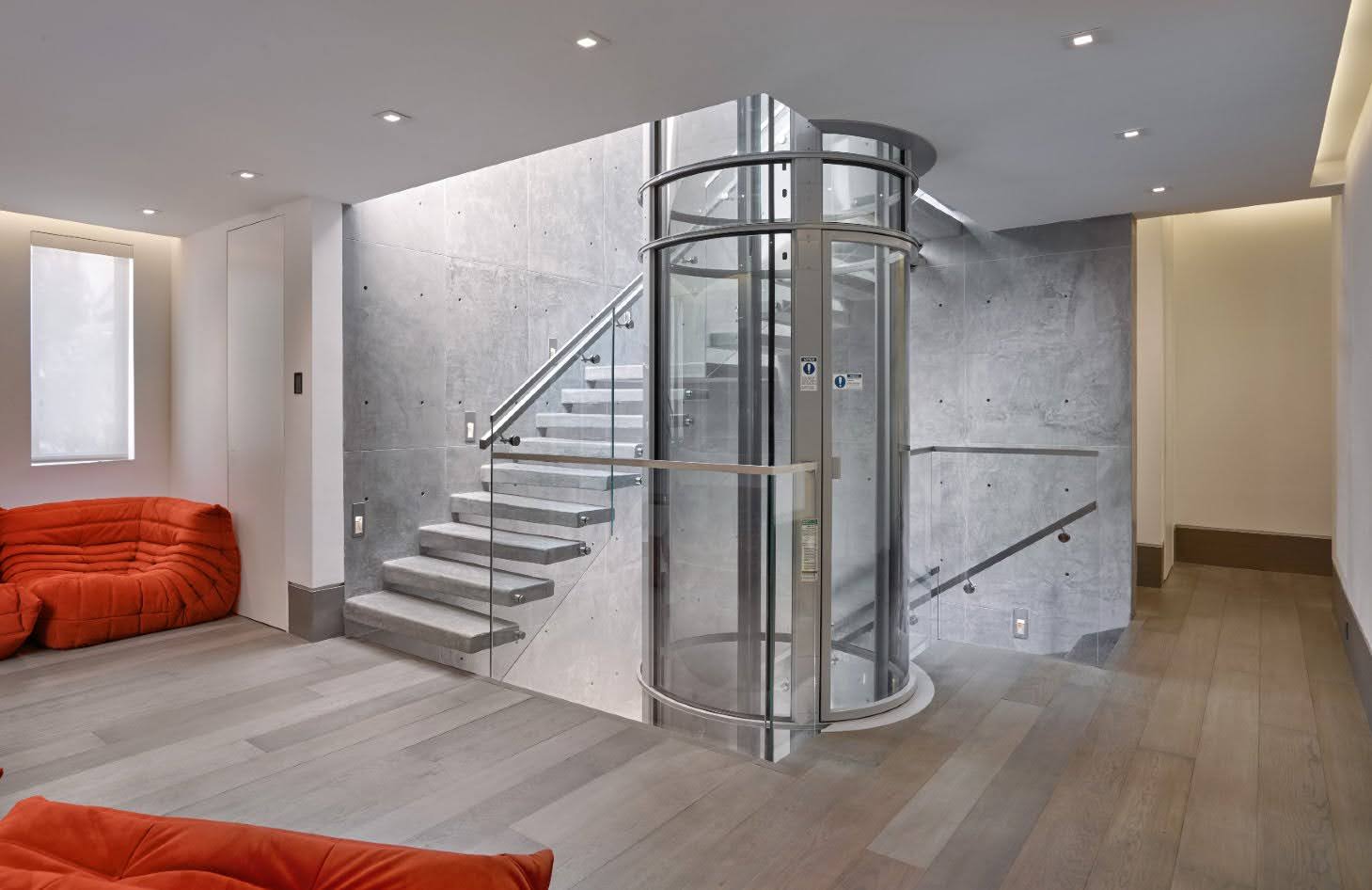
Their panoramic, cylindrical design not only blends with modern interiors but also enhances natural light, creating an open, airy feel that other residential elevators simply can’t match.
When multiple generations are living together, convenience is key. Long, disruptive renovations can put stress on the entire household.
Fortunately, PVEs can be installed in as little as 2–3 days—no heavy machinery, no extensive remodeling, and no major interruptions to your daily routine.
The ease of installation makes PVEs a top choice for families who want to quickly improve accessibility and functionality without turning their home into a construction zone.
PVE’s patented air-driven technology isn’t just efficient—it’s incredibly safe. With automatic braking systems, emergency descent, and minimal maintenance requirements, these elevators offer peace of mind for parents, seniors, and everyone in between.
They’re also an investment in the future. Whether your household dynamic changes in five years or stays the same for decades, a pneumatic elevator adapts with you—adding long-term value and comfort to your home.
Multi-generational living is on the rise, and the homes that support it need to be just as adaptable.
Pneumatic Vacuum Elevators offer a modern, elegant solution that meets the unique needs of families of all ages—without the hassle, bulk, or high energy demands of traditional lifts.
Compact, quick to install, and designed for everyday safety and ease, PVE is elevating the standard for how we live—together.
For more information, reach out for a free consultation.
As American households evolve, so do the needs of the people who live in them. Aging populations, disabilities, and shifting lifestyles have made home accessibility solutions more essential than ever.
Maybe you’re helping an aging parent remain independent, planning for your own future needs, or simply upgrading your space to be more inclusive, accessibility enhancements improve both functionality and property value.
According to the U.S. Census Bureau, nearly 1 in 5 Americans has a disability, with mobility being the most common limitation.
With that in mind, it’s no surprise that homeowners are prioritizing features like residential elevators, ramps, and smart home systems that promote autonomy, safety, and comfort.
Fortunately, today’s technology and design options offer a wide range of solutions from stylish, self-contained lifts to intuitive smart devices that allow voice-controlled functionality.
In this blog, we’ll explore the best home accessibility upgrades for U.S. households, including a closer look at one of the most innovative options on the market: the PVE pneumatic vacuum elevator—a compact, eco-friendly elevator system that can be installed in virtually any home.
As multi-story homes become increasingly common, staircases pose a growing challenge for individuals with limited mobility.
A pneumatic vacuum elevator (PVE) offers a revolutionary solution that’s changing how homeowners approach aging in place and inclusive living.
Unlike traditional elevators, PVE models such as PVE30, PVE37, and PVE52 don’t require a pit, machine room, or complex shaft installation. Instead, they use air pressure to smoothly lift and lower the cabin between floors.
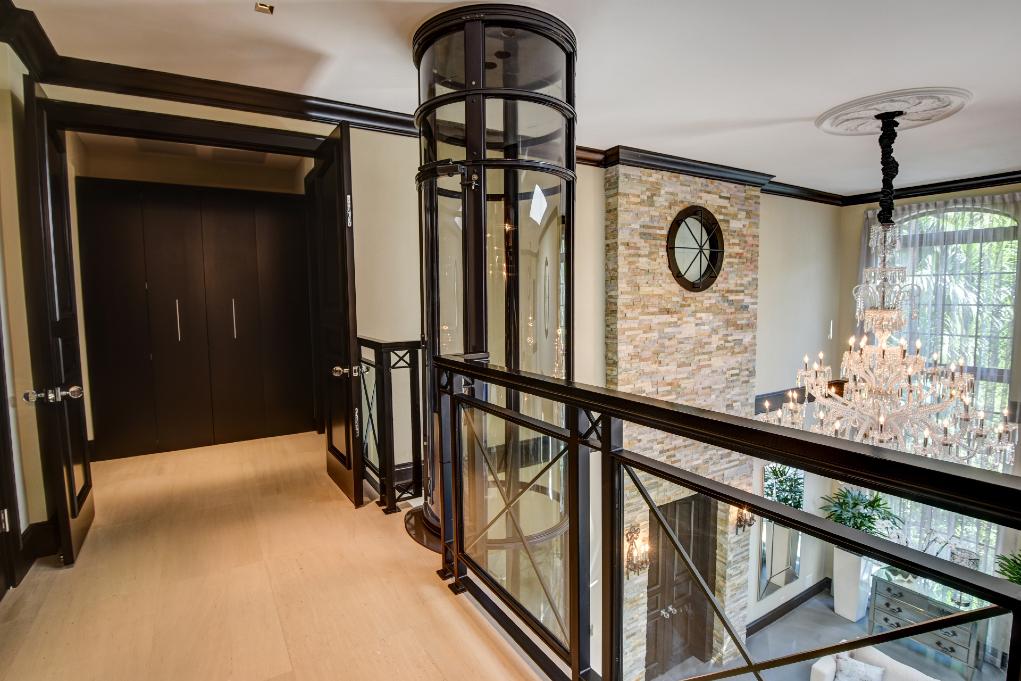
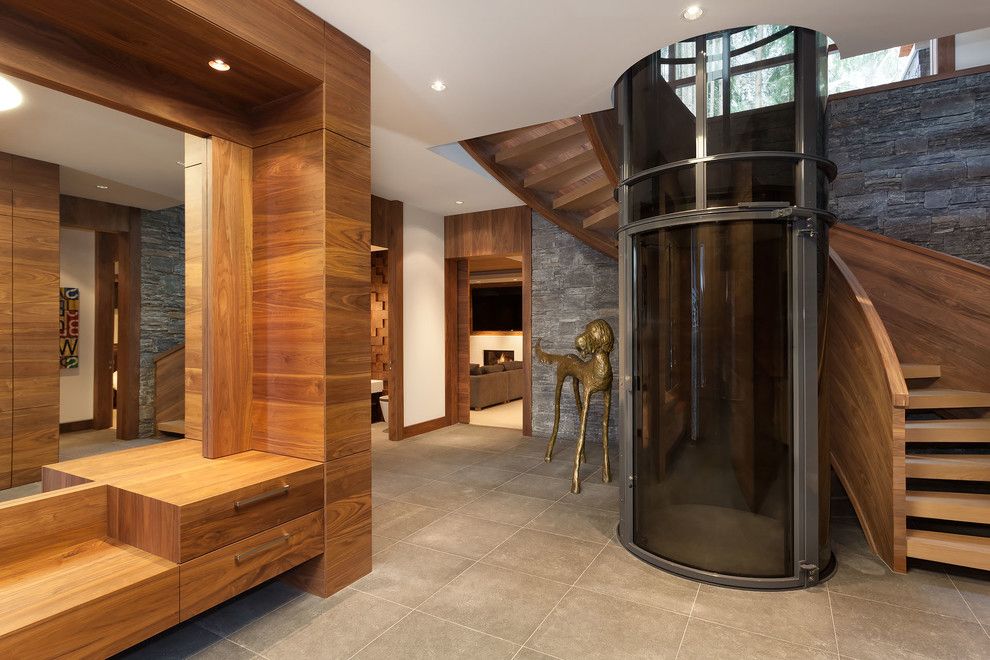
This makes them ideal for both new construction and retrofitting older homes. Their sleek, cylindrical design adds a modern architectural feature rather than taking away from a home’s aesthetic.
PVE elevators are self-supporting, energy-efficient, and require minimal maintenance—making them one of the most forward-thinking home accessibility solutions available today.
If you’re future-proofing your home or enhancing everyday convenience, a residential elevator like the PVE model transforms vertical living into an effortless experience.
For many Americans, the first barrier to an accessible home is simply getting through the front door. Wheelchair ramps provide a vital solution by offering safe, graded access into and out of the home.
Available in aluminum, concrete, or wood, these ramps are especially important for users of wheelchairs, walkers, or mobility scooters. They are also beneficial for individuals recovering from surgery or injury.
Threshold ramps, on the other hand, address the small but significant obstacles posed by uneven surfaces between rooms, door thresholds, or sliding patio doors.
Even a 1-inch lip can be a tripping hazard or a point of friction for wheeled mobility devices.
Properly installed ramps and bridges should always be paired with safety railings and non-slip surfaces. Combined with a PVE elevator or stair-free layout, ramps form the cornerstone of any accessible home design.
Technology is transforming how we interact with our homes—and that’s great news for accessibility. Smart home devices make it easier for individuals with mobility or sensory impairments to control everyday functions.
From voice-activated lights and thermostats to automated door locks and home monitoring systems, these upgrades offer convenience, safety, and independence.
For example, a person with limited dexterity might struggle to flip a light switch or adjust the thermostat manually.
But with smart speakers like Amazon Alexa or Google Nest, they can control these systems with a simple voice command. Mobile apps can also provide remote access to systems from a phone or tablet.
These features are especially powerful when combined with structural upgrades like residential elevators.
For instance, a user could call their elevator using a smart assistant or app integration, making the home environment not only accessible but effortlessly user-friendly.
Making a home truly accessible often requires physical changes to its layout. Widening doorways to at least 32 inches allows smooth passage for wheelchairs and walkers, especially in older homes where narrow hallways and doors are common.
This modification improves overall flow and reduces the risk of injury from bumping into door frames or maneuvering tight corners.
Bathrooms also benefit greatly from accessibility upgrades. Zero-threshold showers—also known as roll-in showers—eliminate the need to step over a tub or ledge, making bathing safer and more comfortable.
Paired with wall-mounted seats, handheld showerheads, and grab bars, these modifications create a safer, spa-like experience for all ages and abilities.
While these upgrades require more initial investment than plug-and-play smart devices, they offer long-term benefits—especially when paired with a pneumatic vacuum elevator that allows full-floor access to every room.
For homes where a full elevator installation isn’t feasible, stair lifts or vertical platform lifts (VPLs) offer cost-effective alternatives.
Stair lifts attach directly to the staircase and carry seated users up and down one floor at a time.
VPLs function more like open home elevators and can accommodate wheelchairs or scooters on a flat platform.
These options are useful in both residential and commercial environments, but they come with some trade-offs. Stair lifts are typically slower, louder, and more visually intrusive.
They can also be more difficult to use for individuals with limited trunk control or balance. VPLs require more space and structural support but offer greater flexibility for wheelchair users.
While useful in certain circumstances, these systems lack the elegance, efficiency, and modern functionality of a residential elevator—especially one that blends into your home like the PVE model.
Whether you’re navigating mobility challenges today or planning for the future, investing in home accessibility solutions ensures your space remains safe, functional, and enjoyable for years to come.
Starting with basic ramps and smart devices to more advanced features like pneumatic vacuum elevators, there’s an upgrade for every lifestyle and budget.
At PVE, we believe accessibility should feel effortless—and look good doing it. Our self-supporting, space-saving elevators offer a practical and elegant way to navigate your home without compromise.
Take the First Step Toward an Accessible Future
Request a free quote to explore how our residential elevators can elevate your everyday living.
Residential elevators have come a long way from their early mechanical roots. What began as a luxury for the elite is now a practical upgrade for homeowners seeking accessibility, safety, and comfort.
With advancements in design, engineering, and energy efficiency, the residential lift has evolved from a clunky pulley system into a sleek, self-supporting marvel like the Pneumatic Vacuum Elevator (PVE).
Let’s explore how home elevator technology has transformed over time and why the future of vertical mobility is already here.
In the late 1800s and early 1900s, home lifts were rare and often custom-built. These rudimentary systems typically relied on hand-operated pulleys, water hydraulics, or counterweights, unlike today’s PVE30 home elevator. While functional, they were bulky, slow, and often installed only in mansions or estates where space and budget were not an issue.
As technology progressed, hydraulic and cable-driven systems became more common in homes. These lifts improved speed and load capacity, offering a more reliable solution for multi-level residences, now replaced in many homes by the PVE37 home elevator. However, they still required significant structural modifications, including shafts, overhead clearance, and external machinery.
The introduction of pneumatic elevators marked a major leap forward in residential lift technology. Instead of relying on cables, pistons, or oil, these elevators use air pressure to move the cab smoothly between floors. PVE systems are space-efficient, energy-saving, and easy to retrofit into existing homes—without the need for a shaft, pit, or machine room.
Modern elevators are built with homeowners’ peace of mind in mind. Today’s systems include a range of safety features and intelligent enhancements, such as:
These innovations not only improve functionality but also allow more people to age in place, maintain independence, and add long-term value to their homes. For larger or wheelchair-accessible homes, the PVE52 home elevator provides space for three passengers and ADA-compliant features.
As technology and lifestyle needs continue to shift, PVE stands at the forefront of this evolution. Our air-driven home elevators are redefining what’s possible—offering luxury, safety, and accessibility in a compact, modern format.
Whether you’re upgrading for convenience or planning for long-term mobility, PVE elevators bring the future of vertical transportation into your home—no cables, oil, or heavy construction required.
Explore the PVE difference. Request a free quote to see how our pneumatic elevators can elevate your home experience.
Thinking about adding a home elevator, but not sure if you have enough space? You’re not alone.
Many homeowners assume elevators are only for sprawling estates—but thanks to advances in compact lift technology, that’s no longer the case.
Pneumatic Vacuum Elevators (PVE) are designed with space efficiency in mind, making them a smart solution for both new builds and retrofits.
We’ll break down the space requirements for installing a home elevator and explain why PVE lifts are ideal for smaller homes or tight floor plans.
Traditional home elevators often require machine rooms, deep pits, and dedicated shafts, taking up valuable square footage.
But for homes where space is limited or layout flexibility is key, these bulky setups can be a major obstacle. That’s where PVE stands out.
PVE elevators use air pressure and cylindrical self-contained designs to minimize the need for invasive construction or added machinery. The result?
A lift system that’s not only sleek and modern but also highly adaptable to smaller footprints.
PVE offers three main models, each designed with different household needs and available space in mind:
Ideal for tight spaces and single-passenger use.
Suitable for two passengers or a single passenger with a cabin seat.
Designed for wheelchair accessibility and larger capacities
Each model can be installed through a floor cut-out or fitted to the exterior of a wall, depending on your home’s layout. No shaft, pit, or separate machine room means minimal construction disruption.
A standard PVE elevator installation typically requires:
Because of the modular design, PVE lifts can be installed with minimal ceiling modifications, even in homes with lower-than-average ceiling heights.
Since PVE elevators are self-supporting and lightweight, they don’t require the structural reinforcements that many traditional elevators do.
Key benefits include:
Note: It’s recommended to install a voltage stabilizer to protect electrical components.
This makes PVE elevators perfect for retrofits, townhomes, and residences where layout flexibility is limited.
Because of their compact footprint, PVE elevators can be installed in a variety of spaces, including:
The flexibility of placement gives homeowners more options when planning mobility solutions without compromising on design.
The science behind pneumatic elevators proves that innovation and simplicity can go hand-in-hand.
By harnessing the natural properties of air pressure, PVEs offer a smooth, safe, and energy-efficient alternative to traditional elevators, without the construction headaches.
Whether you’re preparing your home for aging in place, increasing accessibility, or simply upgrading to a smarter lifestyle, PVE’s air-powered technology delivers the freedom to move beautifully.
When you picture an elevator, you might think of heavy cables, massive machinery, and a full construction crew to install it.
But pneumatic vacuum elevators (PVEs) flip that idea on its head—using nothing but air to transport you between floors.
It sounds futuristic, but the technology is here, it’s safe, and it’s changing the way we move through our homes.
In this blog, we’ll break down the fascinating physics behind how pneumatic elevators work, how they compare to traditional systems, and why this innovative lift solution is growing in popularity among homeowners.
A pneumatic vacuum elevator, or PVE, is a residential elevator that runs on air pressure instead of cables or hydraulics.
The elevator cab is housed within a sleek, cylindrical shaft—usually transparent or semi-transparent—and travels vertically by creating a vacuum environment above and below the cab.
Because there’s no need for a machine room, pit, or hoistway, PVEs are compact and self-contained, making them ideal for retrofitting into existing homes.
Whether you’re choosing the PVE30, PVE37, or the spacious PVE52 model, every unit operates using the same core principle: air pressure.
Here’s where science gets exciting. The movement of a PVE is powered by the difference in air pressure above and below the cab.
At the top of the shaft, a small but powerful vacuum pump removes air to create a low-pressure area. The higher air pressure beneath the cab then pushes it upward.
During descent, the system gradually lets air back into the top of the shaft. As pressure equalizes, the cab gently lowers using gravity, requiring no energy for the ride down.
This process is guided by Bernoulli’s Principle, a law of physics that explains how the pressure of a fluid (in this case, air) decreases as its velocity increases.
In simple terms, the system controls air pressure to lift and lower the cab safely and smoothly, all without cables or pulleys.
Traditional home elevators use cables, pistons, or hydraulic systems to move between floors.
These designs often require extensive construction, such as digging a pit, installing counterweights, or building a machine room. They’re bulky, energy-intensive, and require frequent maintenance.
In contrast, pneumatic elevators are compact, energy-efficient, and far easier to install. There’s no need for extensive remodeling, and the entire structure can be installed in just 2–3 days.
Instead of relying on dozens of mechanical parts, PVEs use a simplified design powered by air and engineered with built-in safety features.
And when it comes to energy use, PVEs only require electricity when the cab is going up. The descent uses no power at all—just gravity and controlled air flow.
One of the biggest advantages of pneumatic elevators is their low environmental impact. Because they don’t rely on oil, cables, or counterweights, there’s no risk of hydraulic fluid leaks or excess waste.
And since the elevator uses power only during ascent, it consumes significantly less energy than conventional systems.
This makes PVEs a smart option for eco-conscious homeowners who want to reduce their carbon footprint without sacrificing comfort or accessibility.
Their clean, self-contained design also results in minimal construction disruption and easier long-term upkeep.
Yes pneumatic elevators are equipped with multiple safety mechanisms, including air pressure regulators, emergency brakes, and backup systems. In the event of a power outage, the cab automatically descends to the ground level, ensuring the passenger is never stuck between floors.
Not at all. The ride is smooth and comfortable, with no noticeable pressure changes. Most people say it feels like gliding gently through a tube.
They’re quieter than you might think. The pump system can be located away from the shaft to reduce noise, and the cab is designed to move silently between floors.
Thanks to the simple mechanics and fewer moving parts, maintenance is minimal. Periodic inspections are recommended, but there’s no oil to replace or complex systems to service.
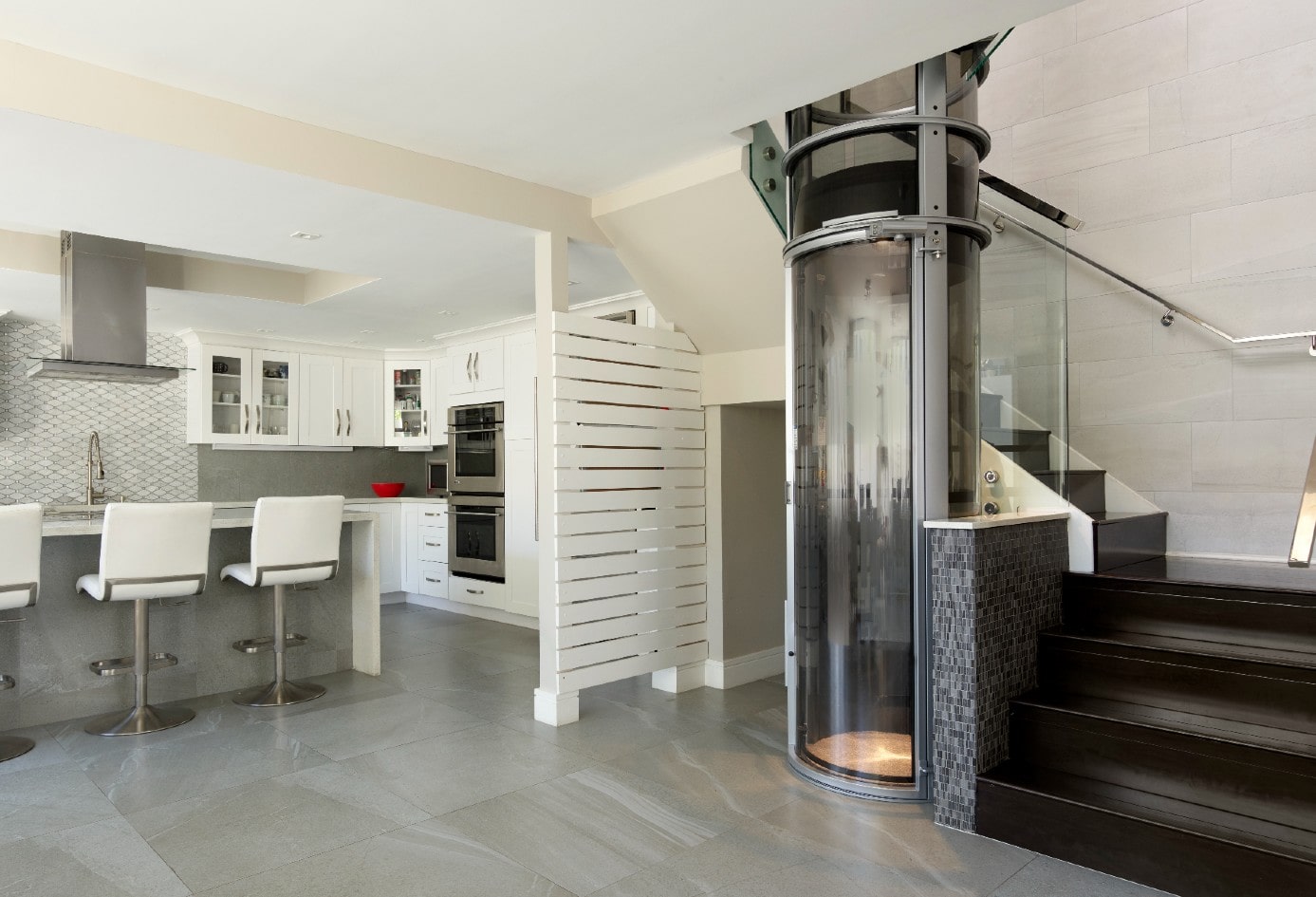
The science behind pneumatic elevators proves that innovation and simplicity can go hand-in-hand.
By harnessing the natural properties of air pressure, PVEs offer a smooth, safe, and energy-efficient alternative to traditional elevators, without the construction headaches.
Whether you’re preparing your home for aging in place, increasing accessibility, or simply upgrading to a smarter lifestyle, PVE’s air-powered technology delivers the freedom to move beautifully.