
Residential lift diagrams serve as intricate blueprints, illuminating the inner workings of these essential vertical transportation systems. They offer a visual guide to the complex machinery that powers our ascension and descension within buildings. Let’s delve into the anatomy and functionality of these diagrams to unravel the mysteries behind our everyday rides.
When we step into a lift, we seldom ponder the engineering marvels that propel us effortlessly between floors. such as the PVE30 Residential Elevator, a popular home elevators for modern residences. However, behind every smooth ride lies a labyrinth of gears, pulleys, and motors, meticulously choreographed to ensure our safety and comfort. At the heart of this intricate system lies the residential lift diagram, a blueprint that unveils the inner workings of these vertical conduits.
Anatomy of a Residential Lift Diagram
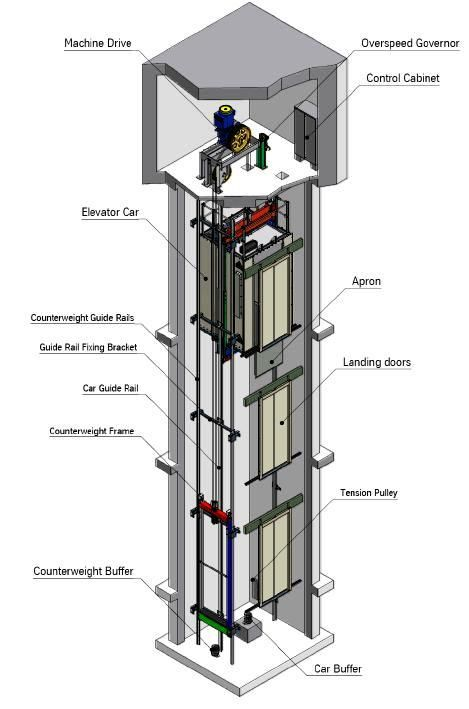
Residential lift diagrams are comprehensive illustrations that break down the components and mechanisms of an elevator system. From the elevator car to the control panel, every element is meticulously represented, providing engineers with valuable insights into the lift’s operation.
Deciphering the Internal Mechanism
Within the confines of a residential lift, a symphony of mechanical marvels orchestrates our vertical journeys. The diagram acts as a window into this world, revealing the interplay of pulleys, cables, and motors. Every line and symbol tells a story of efficiency and safety, ensuring our smooth passage from one floor to another.
The primary components depicted in these diagrams include the elevator car, counterweights, hoisting machinery, and control systems. Each element plays a crucial role in the lift’s operation, working in tandem to transport passengers with precision and reliability. By dissecting the diagram, engineers can identify potential areas of improvement and optimize the lift’s performance.
One of the key features illustrated in residential lift diagrams is the arrangement of pulleys and cables. These mechanisms form the backbone of the lift, responsible for hoisting the elevator car and counterweights. Through a system of traction or hydraulic drives, the motor exerts force on the cables, causing the elevator to ascend or descend gracefully. The diagram delineates the path of these cables, highlighting their strategic placement to minimize friction and maximize efficiency.
Exploring the Working of Pneumatic Elevators
Pneumatic elevators, a modern marvel in vertical transportation, operate on principles distinct from their traditional counterparts. like the PVE37 Residential Elevator, which offers a two-passenger space-saving design. Instead of relying on cables and counterweights, they harness the power of air to lift and lower their passengers. The residential lift diagram for such systems showcases the innovative use of pneumatic tubes and valves, illustrating how air pressure propels us skyward with remarkable efficiency.
In a pneumatic elevator, the diagram reveals the intricate network of tubes and chambers that comprise the lift shaft. When a passenger summons the elevator, a valve opens, allowing compressed air to rush into the tube beneath the elevator car. This sudden influx of air creates a cushion of pressure, lifting the car to the desired floor. To descend, the valve releases the air, and gravity gently lowers the car back to the ground level.
The beauty of pneumatic elevators lies in their simplicity and elegance. Without the need for complex cable systems or heavy machinery, these lifts offer a streamlined alternative for vertical transportation in residential settings. The residential lift diagram serves as a testament to human ingenuity, showcasing how innovative engineering can revolutionize the way we move within our built environments.
Maintenance and Safety Considerations
Beyond their role in understanding lift mechanics, residential lift diagrams also serve as vital tools for maintenance and safety protocols. Maintenance technicians rely on these diagrams to identify potential issues, troubleshoot problems, and perform routine inspections. By following the diagram’s guidance, they can ensure that the lift operates smoothly and safely for passengers.
Moreover, residential lift diagrams play a crucial role in establishing safety standards and protocols. Engineers use these diagrams to design and implement safety features such as emergency brakes, door interlocks, and overload sensors. By meticulously studying the diagram, they can anticipate potential hazards and implement preemptive measures to mitigate risks.
Accessibility and Inclusive Design
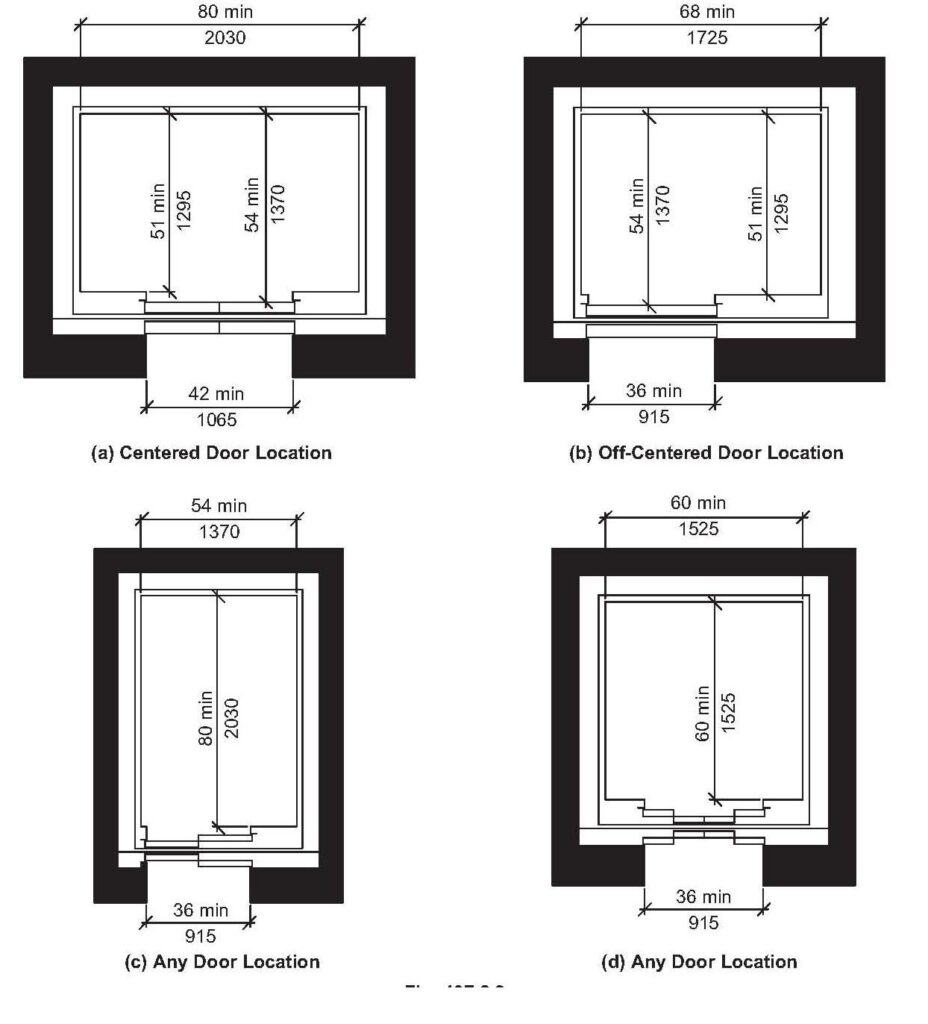
In recent years, there has been a growing emphasis on accessibility and inclusive design in the built environment. Residential lift diagrams play a pivotal role in this endeavor by facilitating the design of lifts that accommodate individuals with diverse mobility needs. Engineers use these diagrams to incorporate features such as wheelchair ramps, tactile buttons, and audible announcements, ensuring that lifts are accessible to all members of society.
By prioritizing accessibility in lift design, residential spaces become more inclusive and welcoming to people of all abilities. Whether it’s a senior citizen with mobility challenges or a parent with a stroller, everyone benefits from lifts that are designed with inclusivity in mind. such as the PVE52 Residential Elevator, ideal for wheelchair accessibility. Residential lift diagrams thus contribute to creating a more equitable built environment where everyone can navigate with dignity and independence.
Future Trends and Innovations
As technology continues to advance, the landscape of vertical transportation is evolving at a rapid pace. Residential lift diagrams offer a glimpse into the future of lift design, showcasing cutting-edge innovations and emerging trends. From sleek, space-saving designs to eco-friendly materials and energy-efficient systems, the possibilities are endless.
One notable trend is the integration of smart technology into residential lifts, enabling features such as remote monitoring, predictive maintenance, and personalized user experiences. With sensors and connectivity embedded into the lift system, engineers can gather real-time data on performance metrics, allowing for proactive maintenance and optimization.
Another promising area of innovation is the development of vertical transportation solutions for sustainable living. Residential lift diagrams play a crucial role in designing lifts that minimize environmental impact, such as regenerative braking systems, solar-powered elevators, and lightweight materials. By harnessing renewable energy sources and optimizing energy consumption, these lifts contribute to a more sustainable future.
Frequently Asked Questions (FAQs)
What is a residential lift diagram?
A residential lift diagram is an elevator diagram that visually shows how a home elevator is built and operates. It includes the diagram of a lift, elevator shaft diagram, lift shaft diagram, and lift components diagram to explain the structure, movement, and safety systems inside residential buildings.
How does a home elevator work diagram explain lift movement?
A home elevator work diagram shows how lift components interact inside the elevator shaft. Depending on the system, the lift diagram may include a hydraulic elevator diagram or a pneumatic elevator diagram to show vertical motion, control flow, and load handling within the lift shaft.
What is the difference between a pneumatic and a traditional elevator diagram?
A pneumatic elevator diagram or pneumatic lift diagram shows air pressure movement inside a sealed tube, while traditional elevator diagrams display cables, pulleys, or pistons. Traditional systems rely on mechanical force shown in elevator diagrams, whereas pneumatic systems operate without counterweights or hydraulic fluid.
What are residential lift components explained in diagrams?
Residential lift components explained in elevator diagrams include the elevator car, lift shaft, motors, valves, control panels, safety brakes, and sensors. A lift components diagram helps technicians and engineers identify how each part functions within the overall lift system.
What does a residential elevator’s working principle diagram show?
A residential elevator working principle diagram illustrates how force and control systems move the lift between floors. This may appear as a hydraulic elevator diagram, pneumatic elevator diagram, or standard lift diagram, depending on the elevator type and shaft design used in the home.